Photographer Spends 10 Years Documenting the Bloody War on Drugs
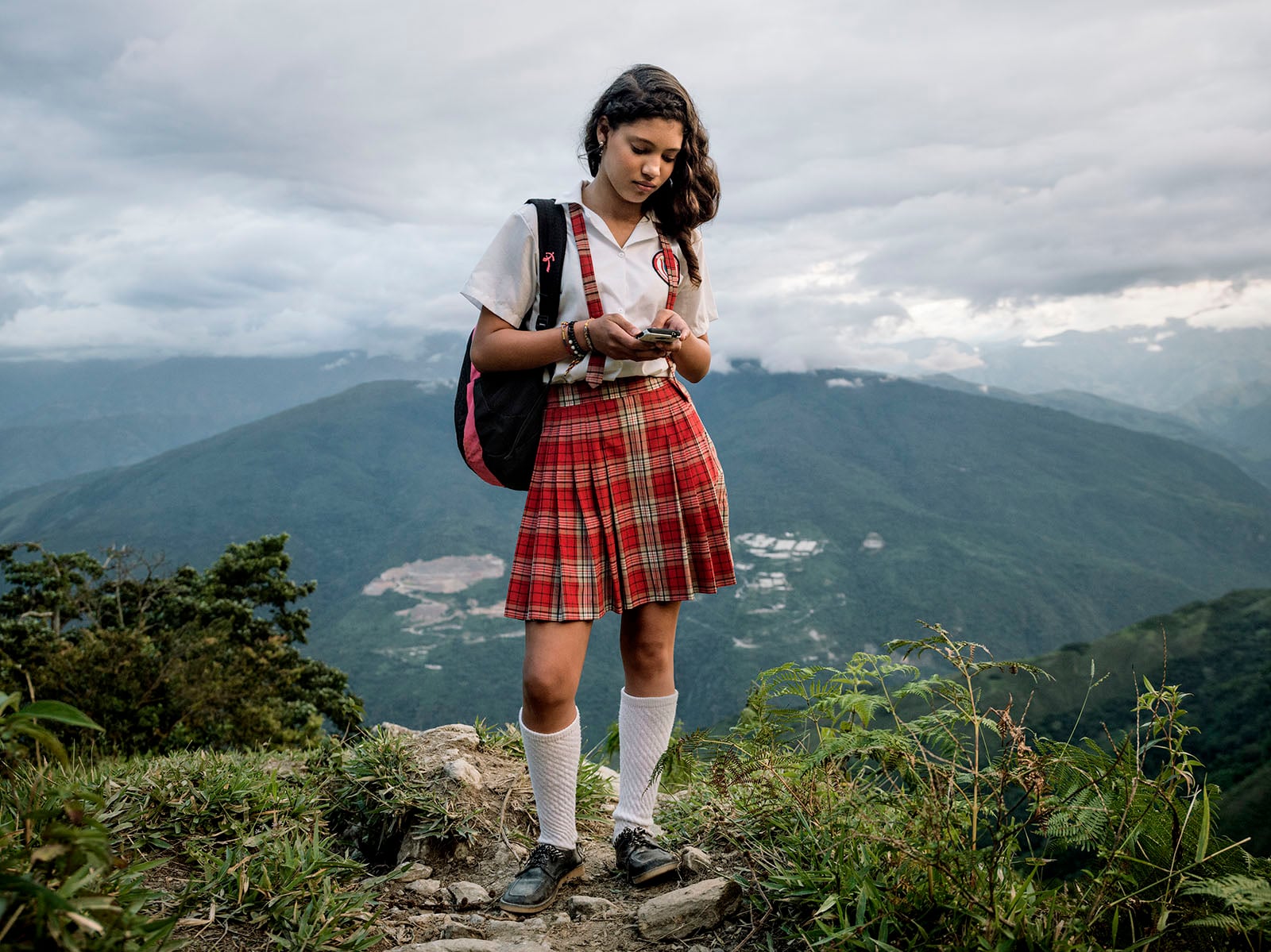
A teenage girl in a school uniform stands on a grassy mountain path, looking at her phone. She wears a red plaid skirt, white shirt, knee-high socks, black shoes, and carries a black backpack. Mountains and clouds are in the background.
12-year-old Alexandra Mazo walks down the mountain with her cellphone in hand after finishing her school day in Pueblo Nuevo, a village in Antioquia, Colombia, surrounded by vast coca plantations and armed groups, 2026, © Mads Nissen

A photographer has spent the best part of a decade documenting the War on Drugs — looking at where cocaine comes from and where it ends up.

Consumption and production of cocaine have never been higher, despite more than 50 years of the War on Drugs. For many Europeans and North Americans, cocaine is a party drug. For many Latin Americans, it’s a source of bloodshed, violence, corruption, and death.

Danish photographer Mads Nissen’s new reportage book, Sangre Blanca, is the most significant exploration of the cocaine industry via the medium of photojournalism to date.

It delves into the murky depths of the cocaine trade, examining the human consequences along its journey—from the neglected countryside of Colombia to cartel lands of Mexico, to (c)raving consumers on a European dancefloor. The publication, with photos taken between 2016 and 2025, takes us across countries and continents over almost a decade.
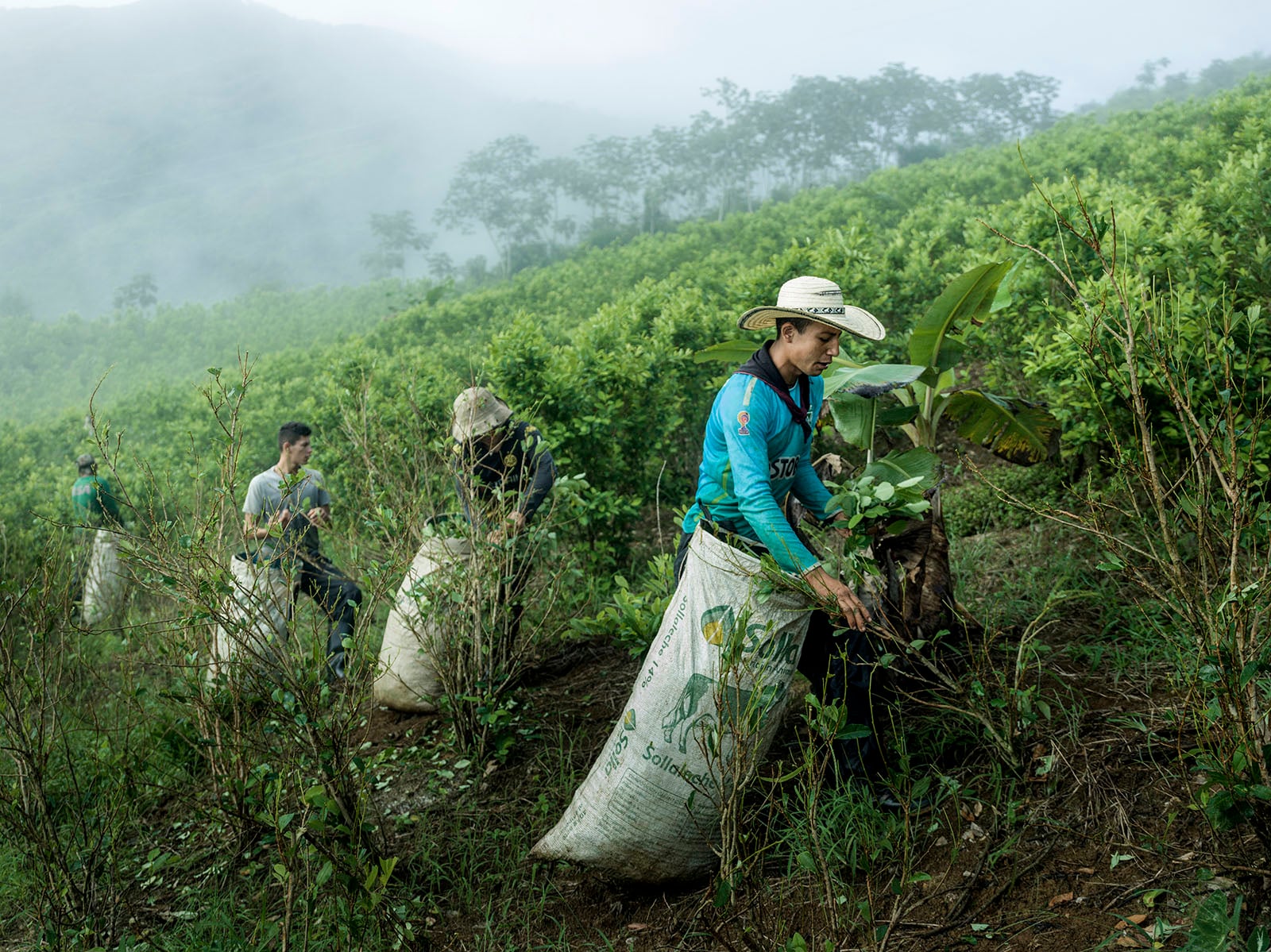
Four people wearing hats work on a foggy, green hillside, filling large white sacks with plants or crops. Lush vegetation and trees surround them in the background.
Nineteen-year-old Ariel Albeiro Muñoz, collecting coca leaves near the village of Pueblo Nuevo, Colombia, 2026, © Mads Nissen
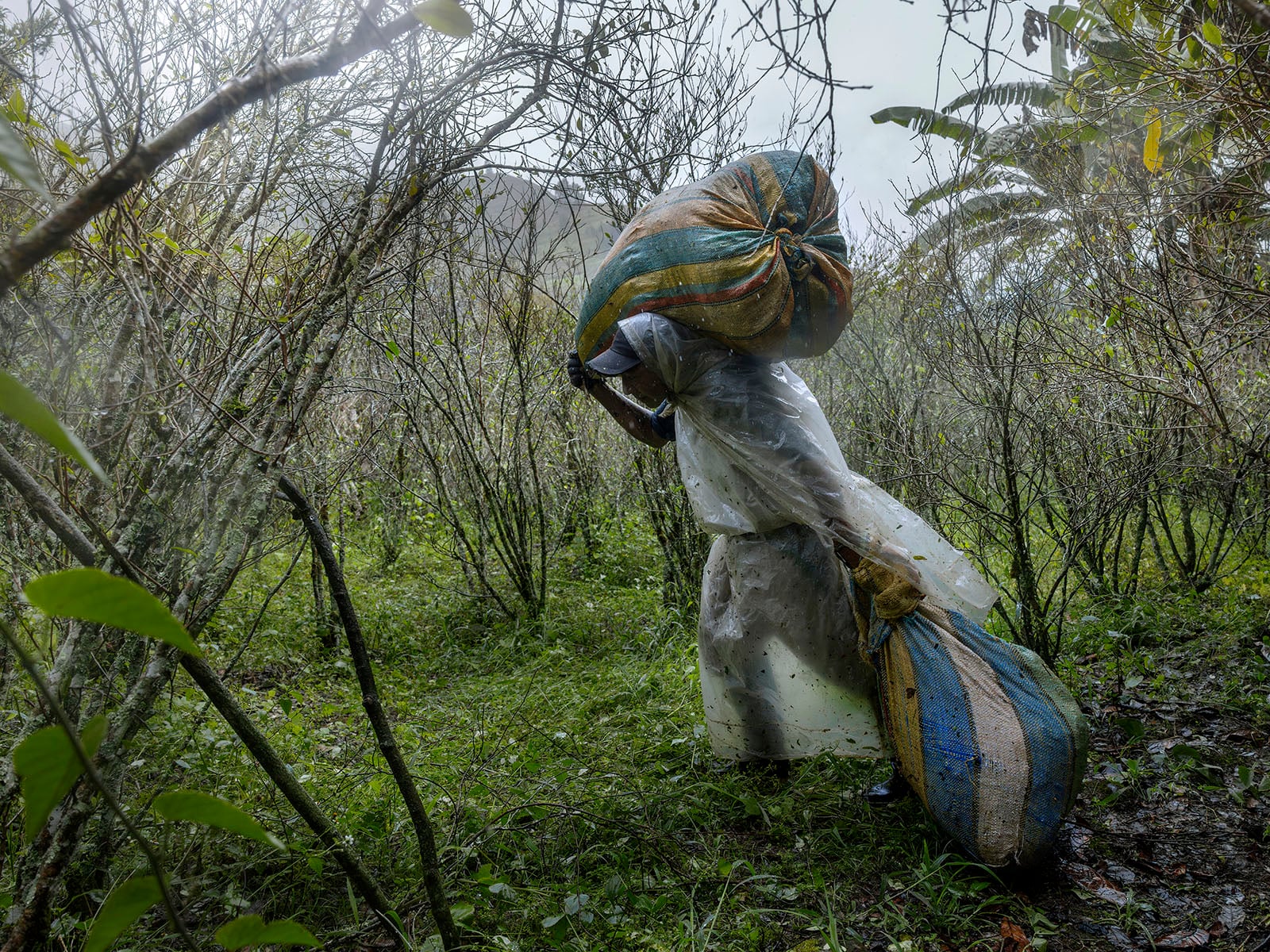
A person wearing a raincoat carries two large, striped sacks through a dense, green, and misty forest, surrounded by bare, thin branches and lush grass.
Through the rainy mountains of Cauca, Colombia, 53-year-old Ovidio hauls heavy sacks filled with coca leaves he’s gathered throughout the day. The landlord pays him by weight—earning Ovidio about $25 a day, 2026, © Mads Nissen
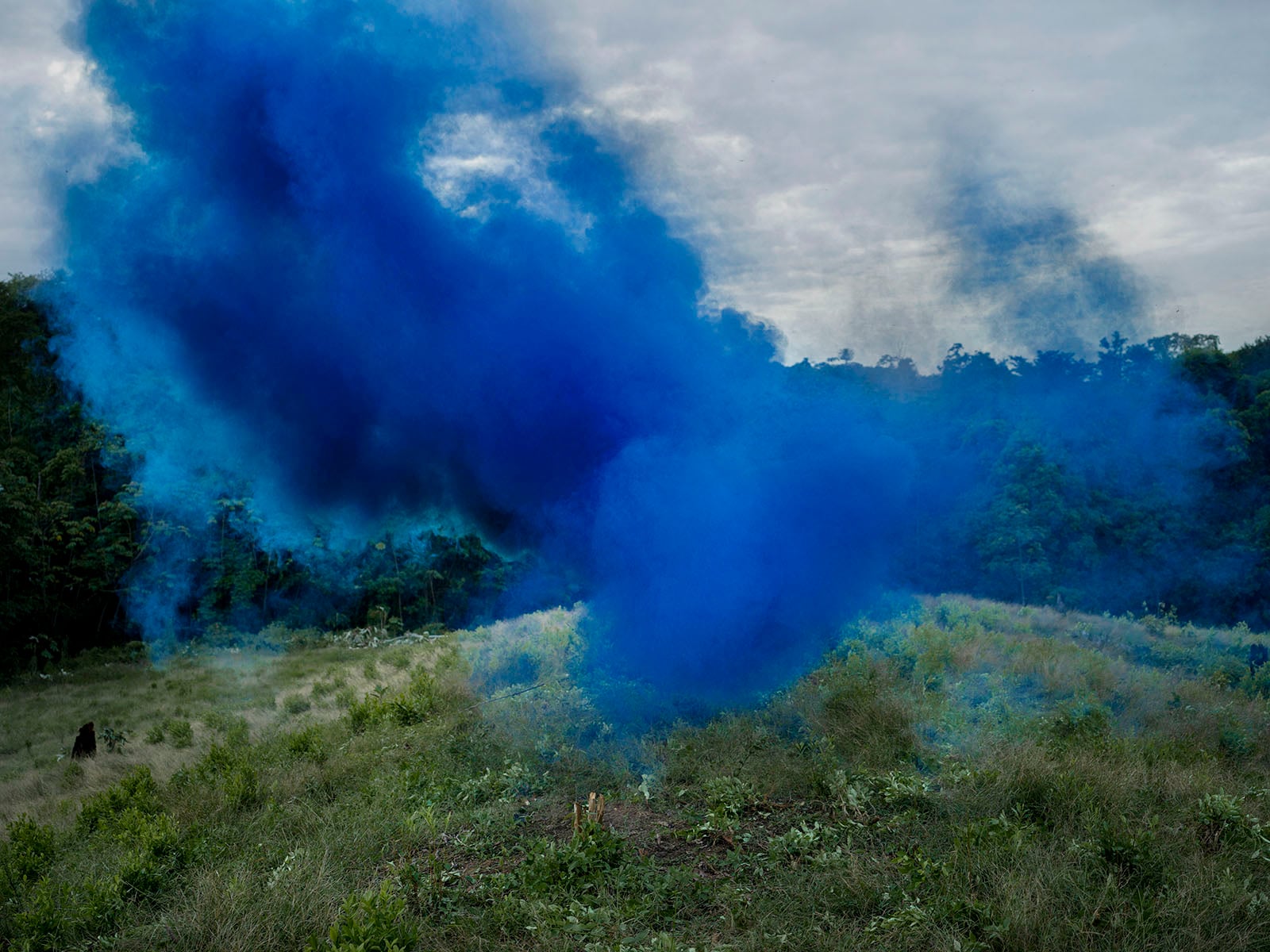
A thick cloud of bright blue smoke billows over a grassy field with trees and dense forest in the background under a cloudy sky.
Blue smoke signals the landing site for a military helicopter on an eradicated coca plantation in Catatumbo, Colombia, 2026, © Mads Nissen
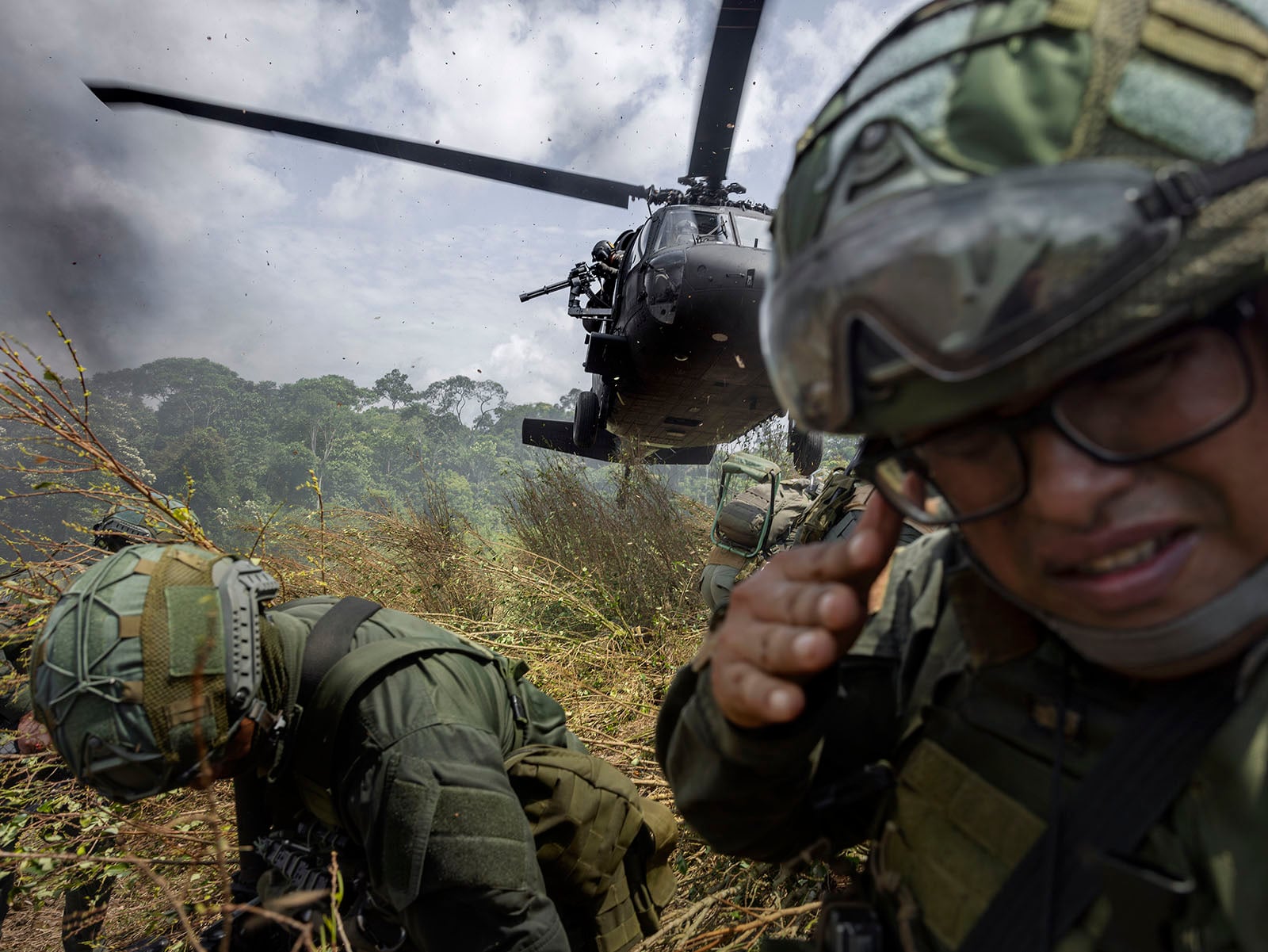
Soldiers in camouflage gear take cover as a military helicopter hovers low to the ground, kicking up dirt and debris in a grassy field with trees and cloudy skies in the background.
In the remote mountains of Putumayo, members of Los Comandos Jungla—an elite unit of Colombia’s anti-narcotics police—are dropped into a dense coca field. Guided by aerial surveillance from a Black Hawk helicopter, their mission is to find and burn down the hidden cocaine laboratories scattered across the jungle. But they need to act fast. The policemen are outnumbered and on unfamiliar ground. Any moment the farmers, or the well-organised militia Comandos de la Frontera (also known as CDF or La Mafia), can regroup and launch a counterattack when they see their business going up in flames, 2026, © Mads Nissen

Illegal drugs now constitute the world’s largest black market, bringing in corruption, underdevelopment, and extraordinarily high murder rates, particularly in South and Central America. Entire societies and nations are being destabilized. Despite decades of war and countless efforts to stop it, Colombia remains at the epicentre of the business. No country produces more cocaine (approximately two-thirds, according to UNODC), and no country has suffered more. From Colombia, cocaine travels by land, sea, and air to reach buyers, mainly in the U.S. and Europe. At every stop, the cocaine business both gives and takes.
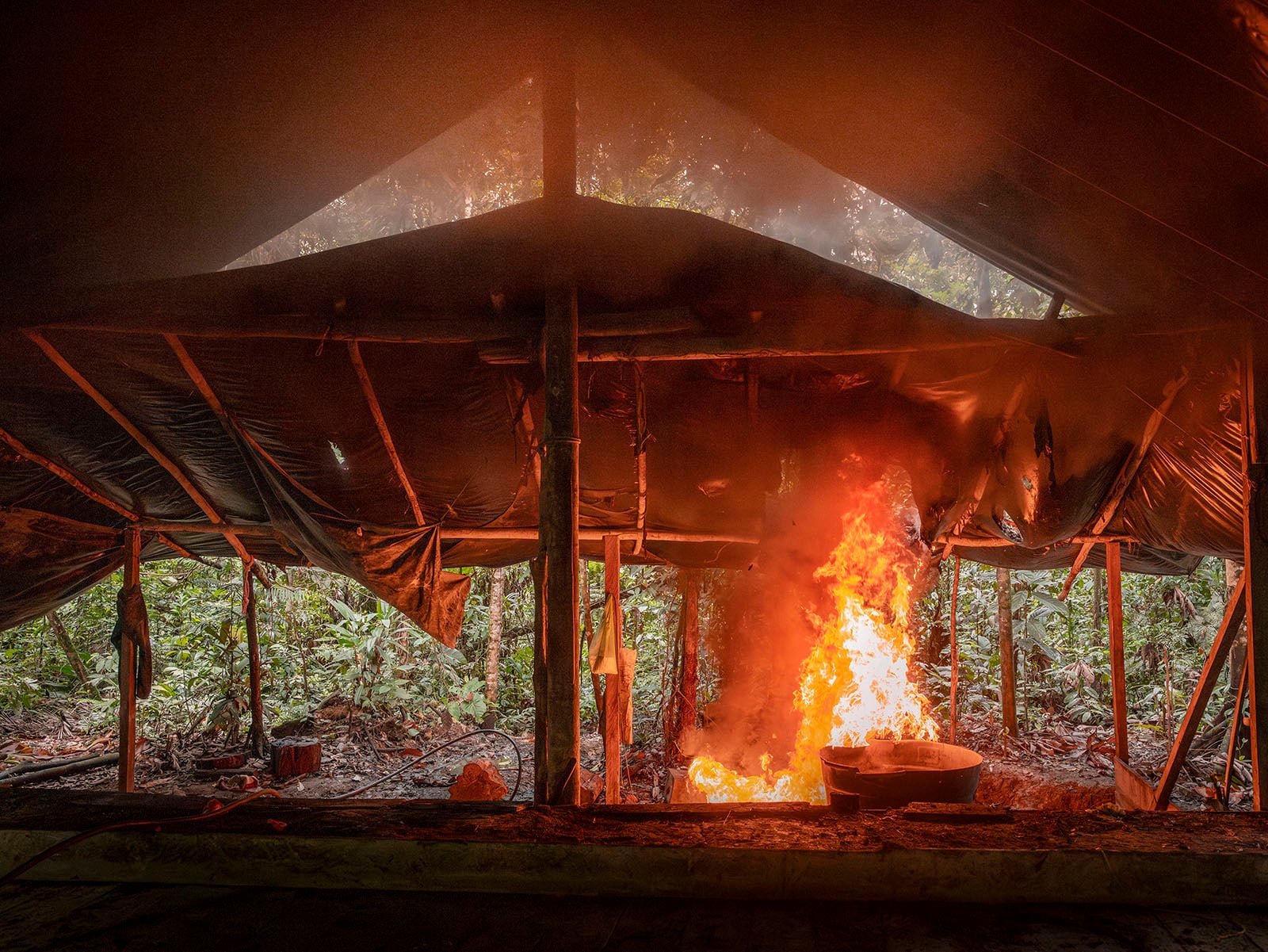
A fire burns intensely inside a rustic, open-sided tent in a forested area, with flames rising from a large container under a makeshift roof, surrounded by trees and dense vegetation.
2026, © Mads Nissen
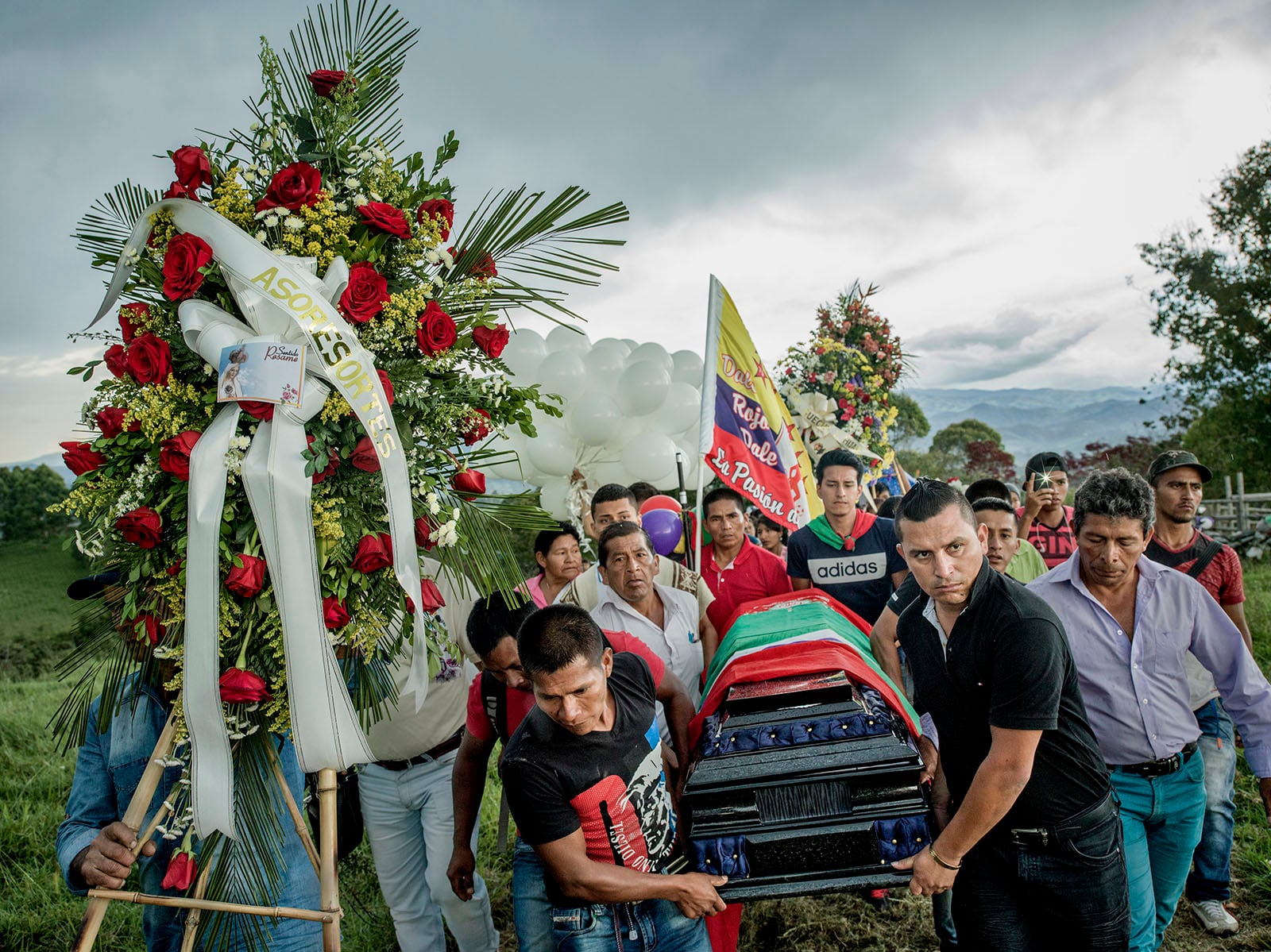
A group of people carry a colorful casket during a funeral procession outdoors, surrounded by floral wreaths, balloons, and a cloudy sky in the background. Mourners walk closely together in a rural setting.
Surrounded by friends, family, and the entire community, Gerson Acosta is carried to his final resting place. At just 35-years-old, Acosta was already a governor and a respected Indigenous leader, known for his courage in standing up to armed groups attempting to take control of the Kite Kiwe ancestral territory. His defiance came at a high cost—he had received multiple death threats from a local paramilitary faction, a successor group of the far-right, drug-trafficking organisation AUC. On the afternoon of 19 April 2017, he was shot at close range outside his home. As the bullets were fired, Gerson managed to tell his 12-year-old son Daybi to run and escape. Timbío, Cauca, Colombia, 2026, © Mads Nissen
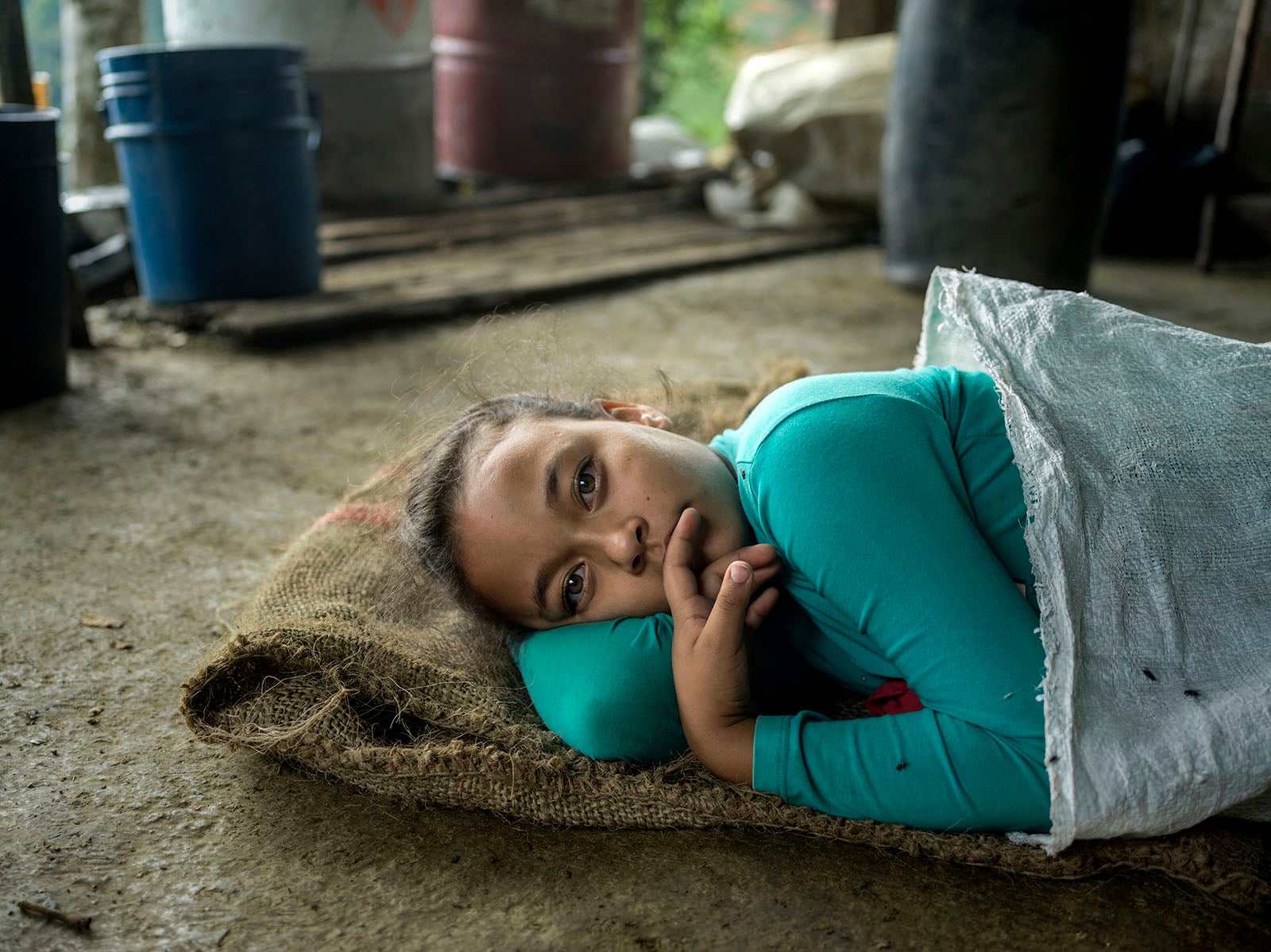
A young girl in a turquoise shirt lies on a burlap sack on the floor, partially covered with a white sheet, looking thoughtfully at the camera. The background shows plastic barrels and a rustic setting.
Diney Alexandra lies on the floor, taking a nap out of boredom at her father’s laboratory as the processing continues around her. It takes roughly 700 kilos of coca leaves along with substances such as cement (p. 32), ammonium, sulfuric acid, sodium permanganate, caustic soda, and large quantities of gasoline—to produce just a single kilo of coca paste. The aim of the entire process is to extract and isolate the leaf’s most desired and valuable component: the cocaine alkaloid. Antioquia and Cauca, Colombia, 2026, © Mads Nissen
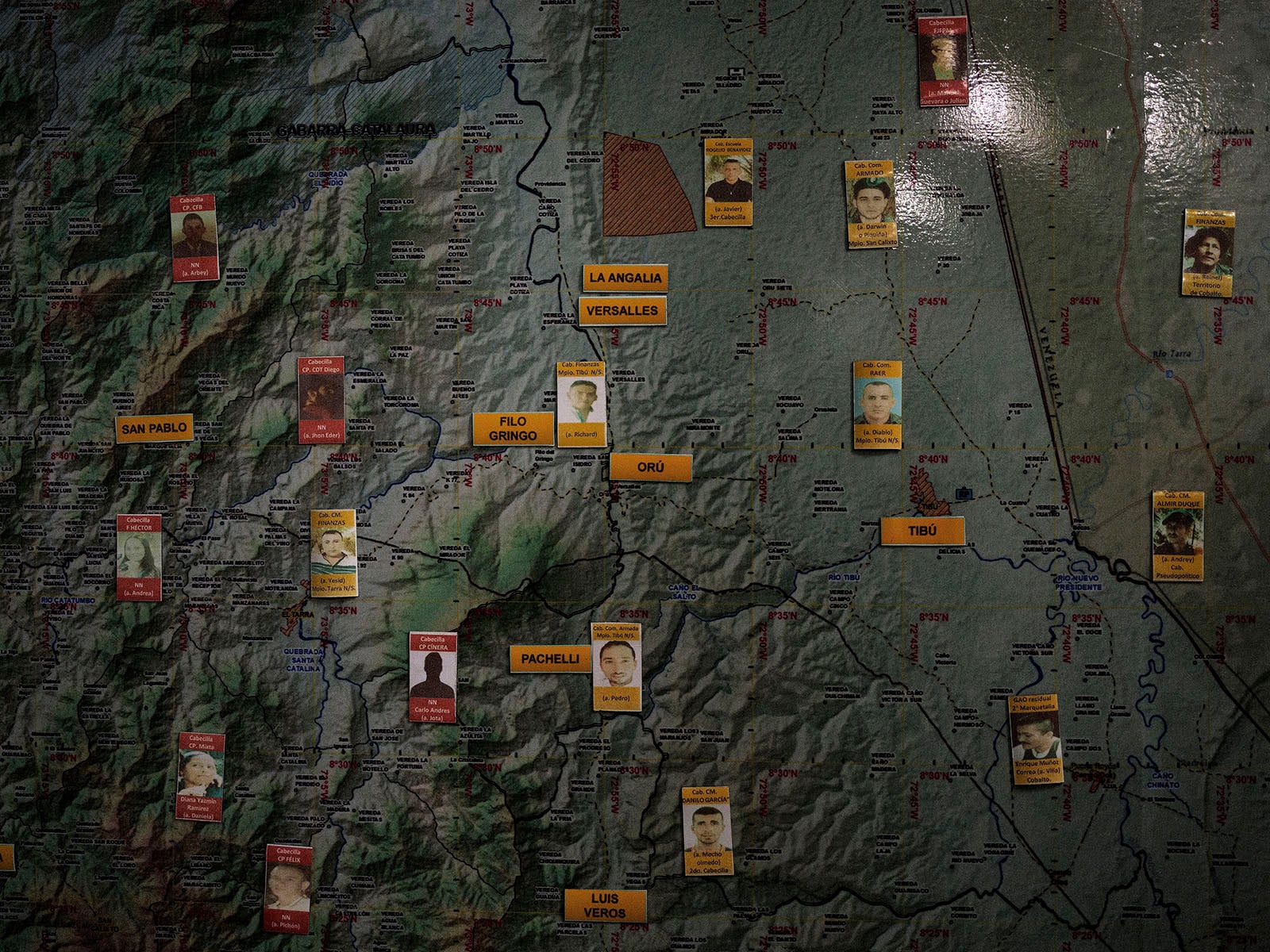
A map with various labeled locations and passport-style photos of people attached, connected to different places. The map features areas such as San Pablo, La Angalia, Veracruz, and Pichili.
The faces of various capos—drug lords—are pinned across a military map of Catatumbo, one of the world’s most prolific cocaine-producing regions. Each capo controls a slice of territory, and with it, a share of the lucrative drug trade. For local farmers, daily life means navigating a volatile landscape. Balancing between warring militias like the ELN, FARC dissidents, and the Clan del, Golfo (AGC), while also contending with sporadic raids and operations by the Colombian Army 2026, © Mads Nissen

In Mexico, a key transit hub, the lucrative trade has empowered narco-cartels so immensely that many levels of society seem entangled in their influence. Meanwhile, their heavily armed cartels spread terror and instability, forcing hundreds of thousands to flee their homes. In Europe, cocaine use is becoming increasingly socially acceptable. The continent has now become the largest market in the world, driving demand even higher. From a safe distance from the dirty business, European consumers can conveniently place orders online and have cocaine delivered to their doorsteps within an hour.
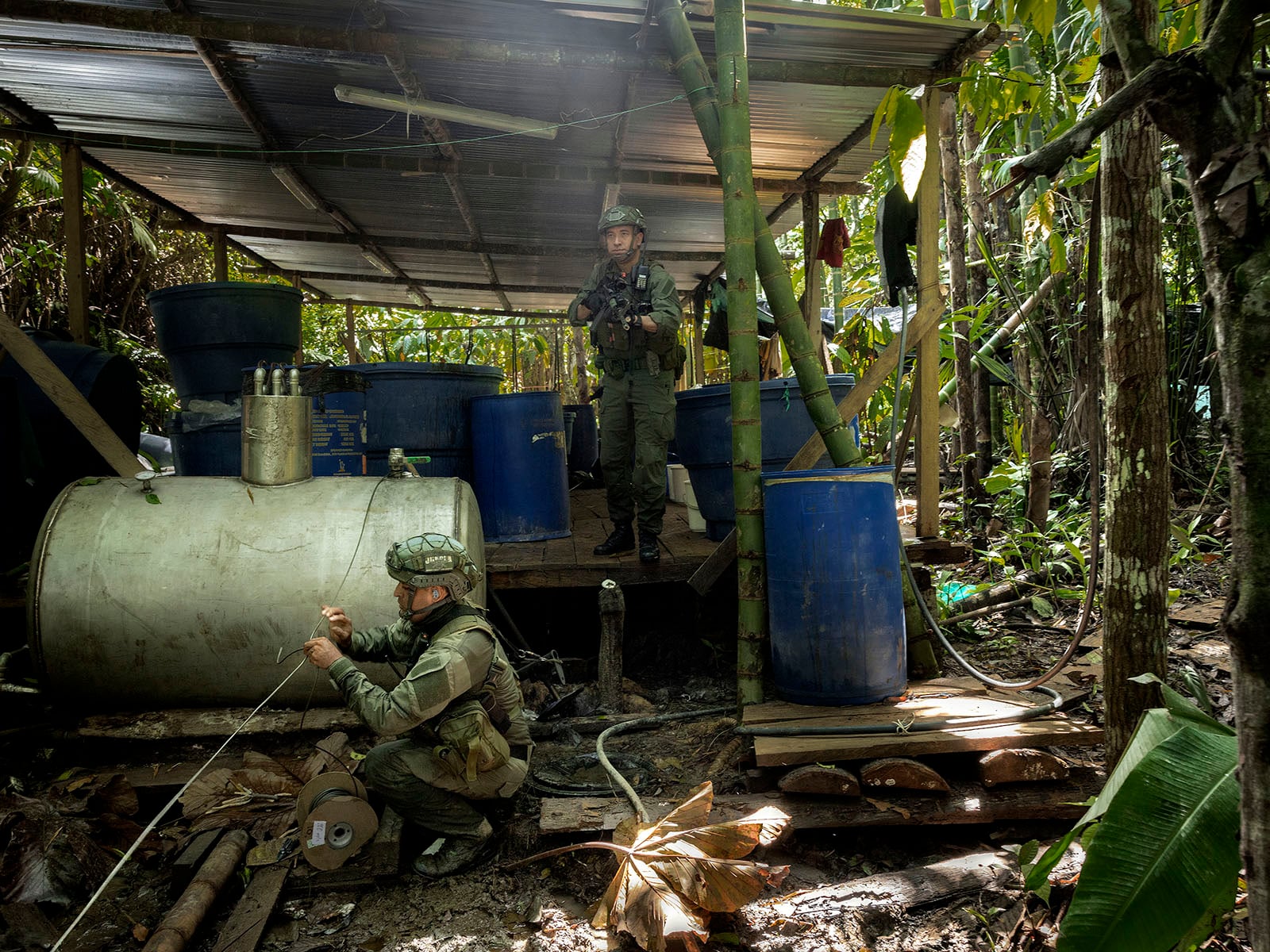
Two soldiers in camouflage gear inspect makeshift equipment and blue barrels under a metal roof in a dense jungle, possibly investigating an illegal operation. One stands guard while the other examines wiring near a large metal tank.
It’s a high-value target, but time is running out. Major Herrera and his police unit have only fifteen minutes to attack, secure, collect evidence, and set up explosives at this rare second-phase cocaine laboratory, capable of producing up to 500 kilos in just a week. The officers fear a counterattack or mass mobilisation of locals could occur at any moment. Despite being well-trained and heavily armed, the police force can easily be outnumbered, or caught by surprise if the ELN guerrilla launch an assault from the dense jungle, 2026, © Mads Nissen
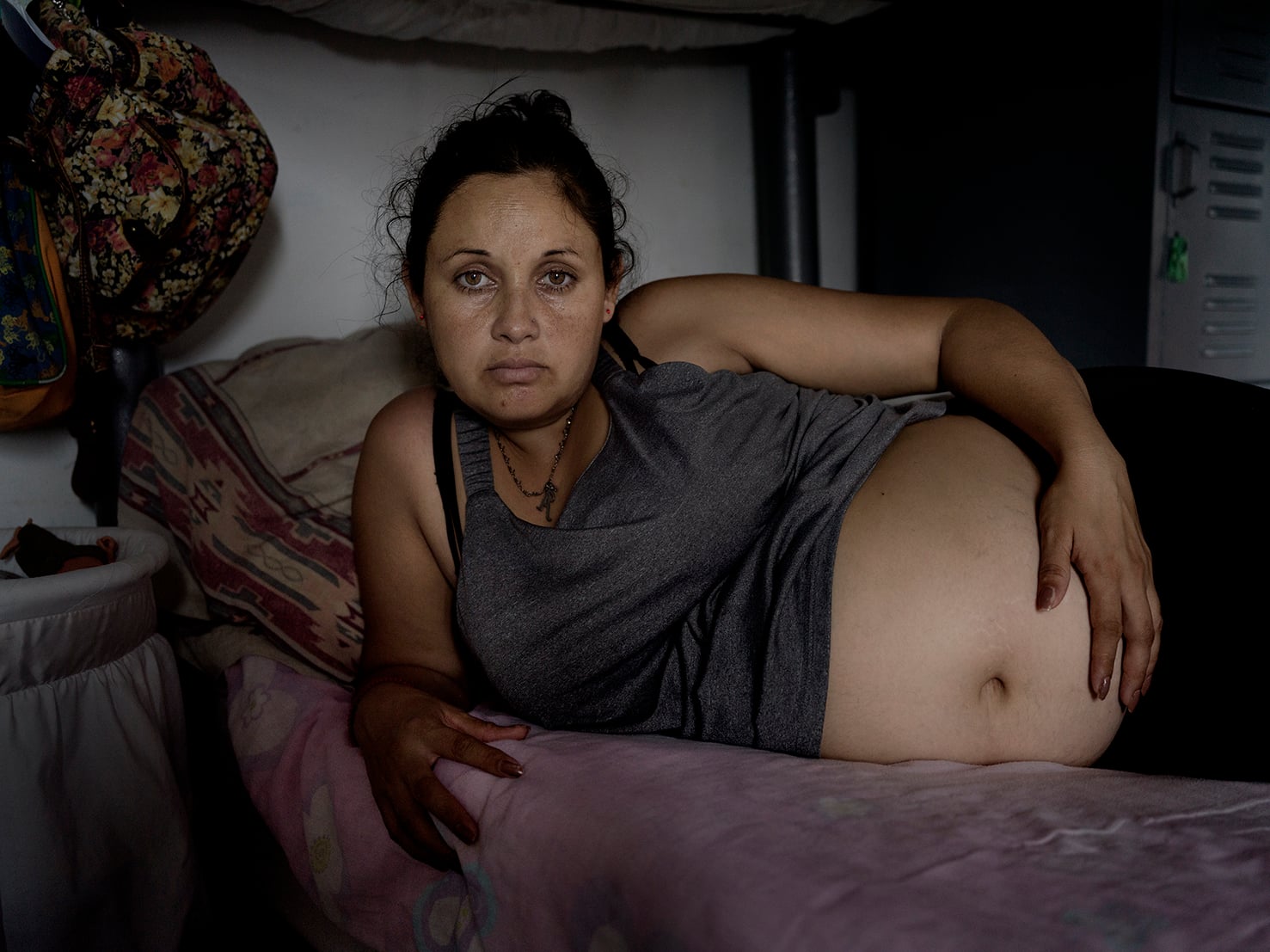
A pregnant woman lies on her side on a bed in a dimly lit room, resting one hand on her exposed belly and looking directly at the camera with a serious expression.
Thirty-one-year-old Adriana Itzel Rangel Arrilaga, 2026, © Mads Nissen
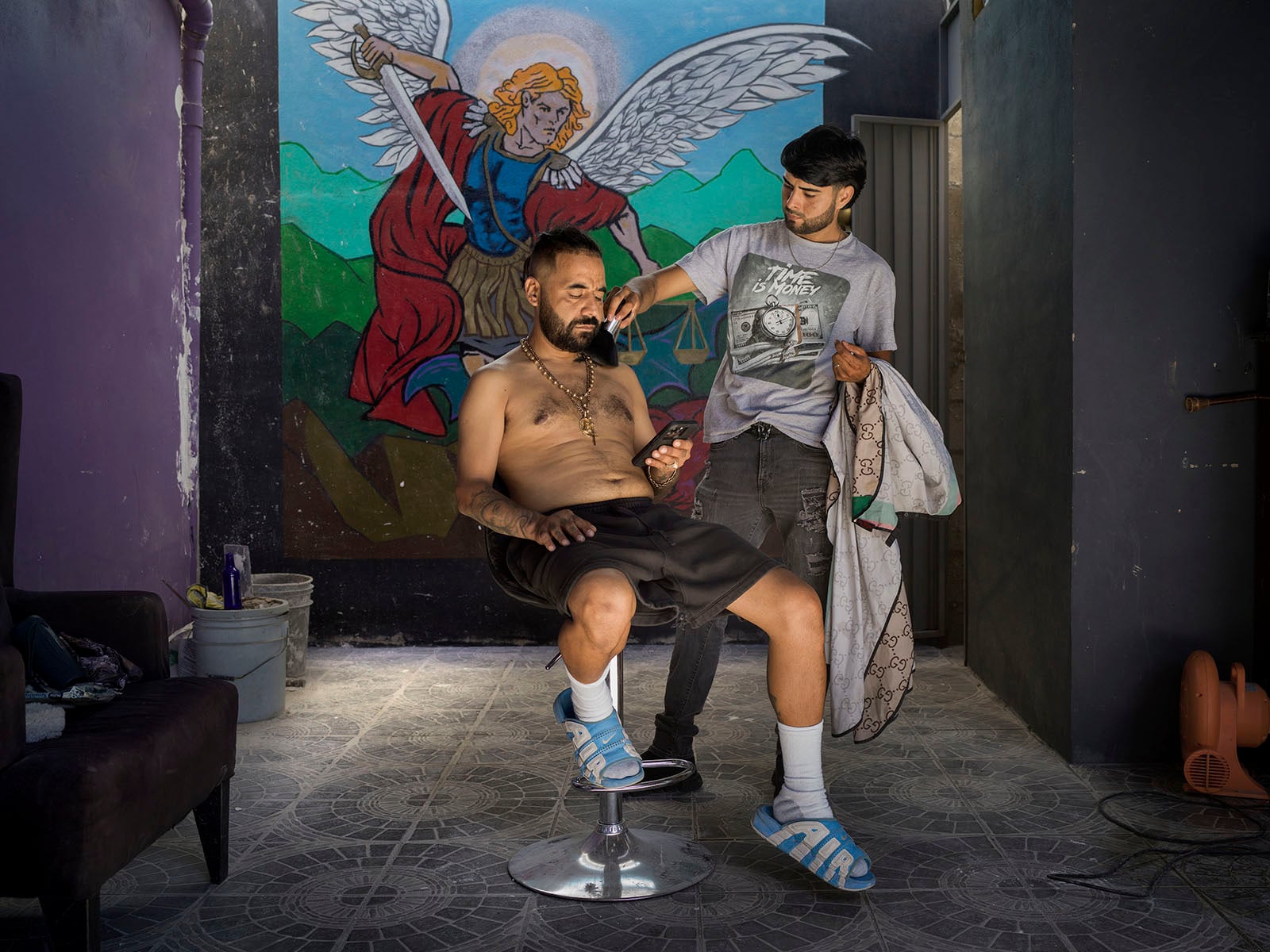
A man sits shirtless on a stool, looking at his phone, while another man stands behind him holding a barber cape. A colorful mural of an angel with a sword is painted on the wall in the background.
Mojino, 2026, © Mads Nissen
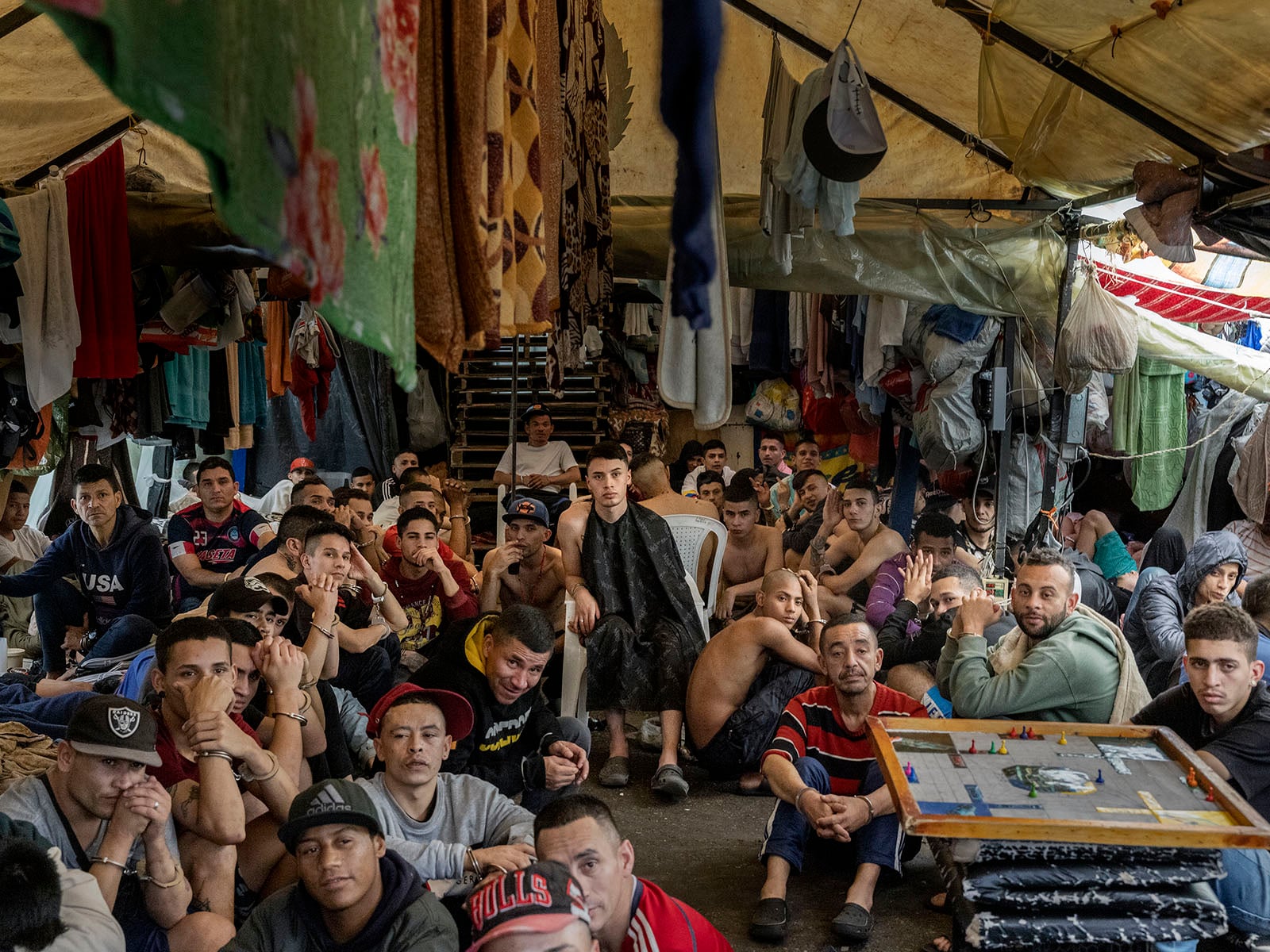
A large group of men sit closely together inside a crowded tent, surrounded by hanging blankets and clothes. Some look at the camera while others gaze elsewhere, creating a somber and contemplative atmosphere.
At the overcrowded detention centre inside the Kennedy Police Station in Bogotá, Colombia, a majority of the detainees are held for involvement in small-scale drug dealing, turf wars, or street robberies committed to support their own addiction, 2026, © Mads Nissen

Sangre Blanca is my attempt to link a globalized, violent and confusing world. Over years of work across 10 countries, I met people on every side of the cocaine trade and I realized how they all, in their own ways, are trying to break free—free from poverty, hopelessness, or meaninglessness; from violence, or from the noise inside their own minds,” Nissen says.

“I was driven by a need to understand the system that connects us — the links between the world’s most violent cities and Europe’s hunger for intensity or instant pleasure. I witnessed a booming industry alongside a failing strategy, where the blame and the cost are largely offloaded onto already fragile communities. I came to realize that there is no such thing as pure cocaine. It is always soaked in blood.”
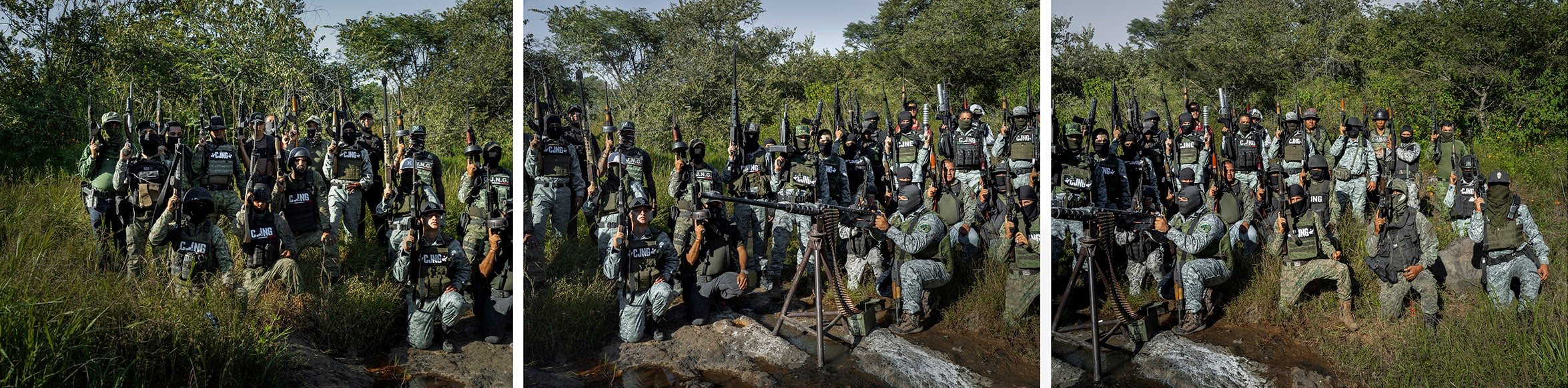
A large group of armed soldiers in full uniform and tactical gear poses together outdoors in a grassy, wooded area under a clear sky.
Members of the Jalisco New Generation Cartel (CJNG), 2026, © Mads Nissen
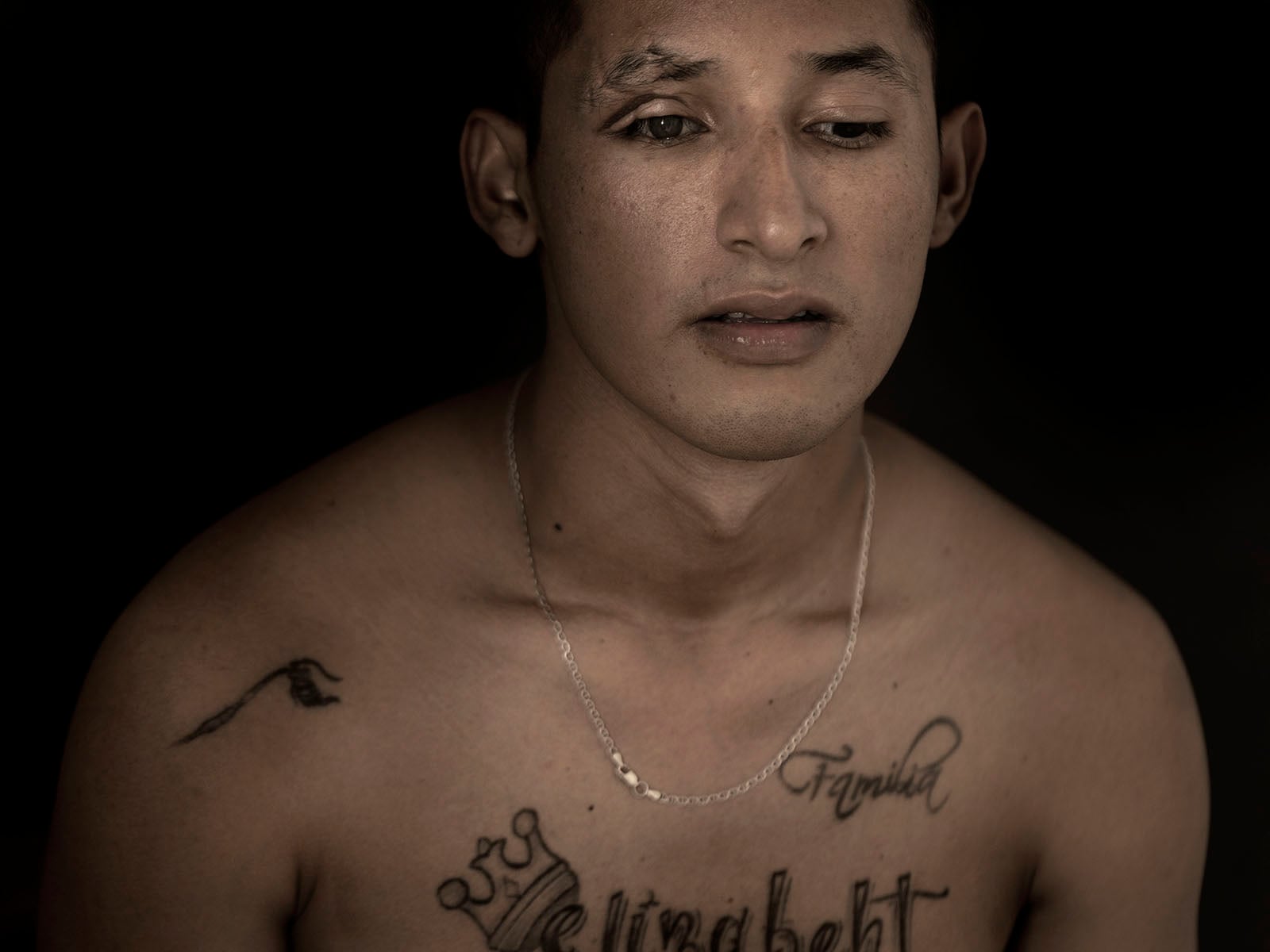
A young man with short hair, wearing a thin chain necklace, looks down with a neutral expression. He has facial scars and several tattoos on his chest, including the words "Familia" and "Elizabeth." The background is dark.
25-year-old Jesús Bautista lost one leg and the sight in his left eye when he stepped on a landmine while fighting for the Colombian Army against a drug cartel in the Catatumbo-region, 2026, © Mads Nissen
A woman with long, decorated nails holds a necklace with a figure pendant over her chest, wearing another necklace with a crucifix and a gold ring. She has red lipstick and is dressed in dark clothing and a brown coat.
An anonymous woman, 2026, © Mads Nissen
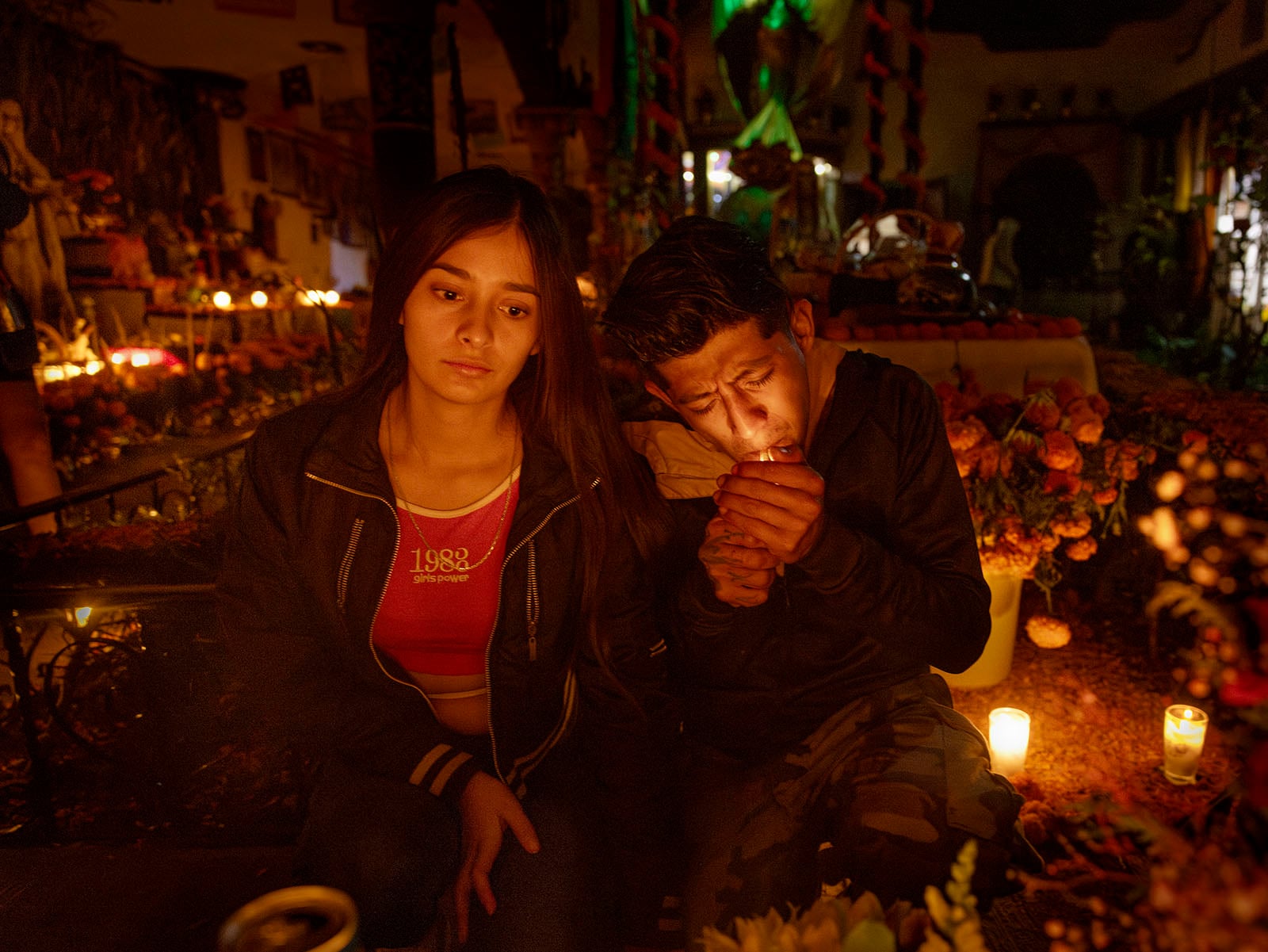
A young woman and a young man sit surrounded by candles and marigold flowers at night. The woman looks thoughtful, while the man lights a cigarette. The scene is warm and illuminated by candlelight.
23-year-old ‘Bélico’ and his girlfriend Yveth kneel before Santa Muerte, 2026, © Mads Nissen

Nissen’s book is a collaboration with Colombian artist Juan Arreaza, whose paintings weave another visual voice and layer into the work. In his expressive oil paintings, Arreaza draws on his observations of nightlife across Europe and the United States, where young people party on the very substance that is devastating his homeland. And using chemicals sourced from cocaine laboratories, Arreaza portrays a gallery of powerful and historical figures who shaped the drug trade and its wars.

Sagre Blanca, which translates to “White Blood” in English, is published by Gost and available here.

Discussion