Sony Is Making a Massive Cinema Camera Image Sensor
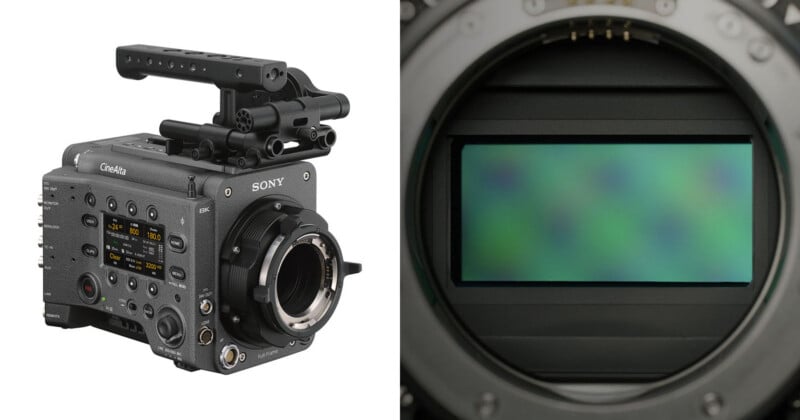
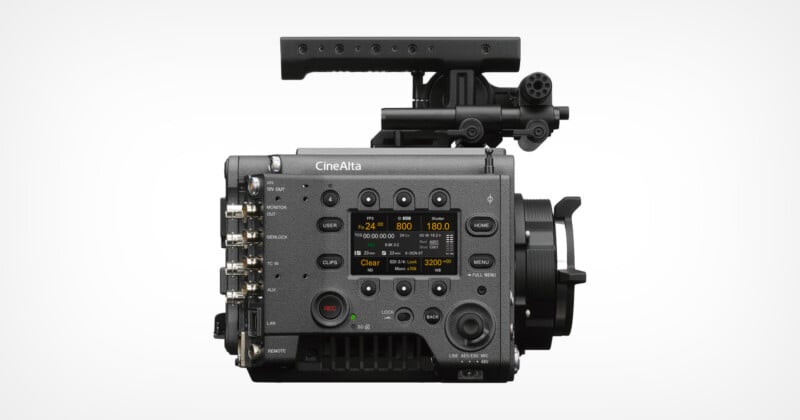
Sony has announced the development of the Rialto 65, a new 65mm-format image sensor block designed to expand the capabilities of its Venice 2 cinema camera platform. Scheduled for release in the first half of 2027, the new sensor promises to bring large-format cinematography to existing Venice 2 users without requiring an entirely new camera system.
The announcement underscores Sony’s continued investment in high-end cinema production, offering filmmakers access to one of the largest image sensors ever incorporated into a commercially available digital cinema camera system.
When paired with a Venice 2 camera body, the Rialto 65 effectively transforms the camera into a 65mm-format digital cinema platform while maintaining compatibility with the broader Venice ecosystem.
A New Large-Format Option for Venice 2 Users
Rather than introducing an entirely new camera body, Sony has chosen a modular approach.
The Rialto 65 is designed as a dedicated image sensor block that works with existing Venice 2 camera bodies. Similar to Sony’s existing Venice Extension System, the sensor can either be mounted directly to the camera body or operated remotely using a cable connection.
This flexibility should prove particularly useful for productions requiring compact rigs, vehicle-mounted setups, gimbal work, crane shots, or other scenarios where separating the sensor from the main camera body can simplify operation.
By preserving compatibility with existing Venice 2 infrastructure, Sony is also protecting investments already made by rental houses, production companies, and owner-operators.
One of the Largest Cinema Sensors Ever Made
The headline feature is undoubtedly the sensor itself.
Sony says the new sensor offers approximately 2.2 times the light-gathering area of a traditional full-frame sensor, placing it firmly in the realm of large-format cinematography.
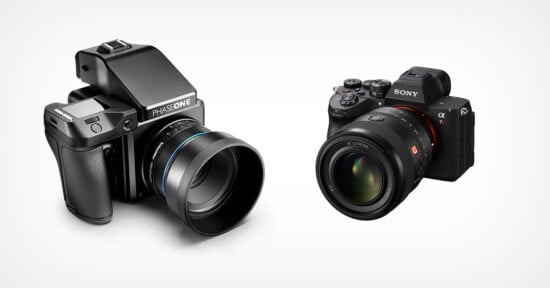
The sensor measures approximately 53.75 x 35.83mm, with a diagonal measurement of roughly 64.60mm and a native 3:2 aspect ratio. It is similar in size to the larger medium-format image sensors in the Phase One IQ4 digital backs, and considerably larger than the 43.8 x 32.9mm sensor in the Fujifilm GFX Eterna 55.
Sony’s upcoming sensor is also quite a bit taller than the massive sensor in the Arri Alexa 265 and nearly as wide. Arri’s large format 65mm sensor is about 54 x 26mm.
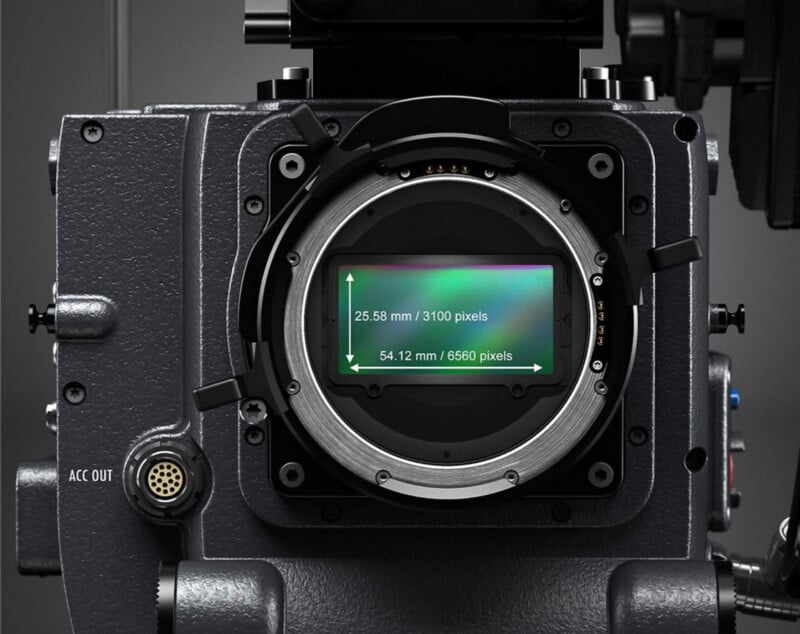
According to Sony, this makes it one of the largest image sensors ever incorporated into a commercially available cinema camera system.
The increased sensor area allows cinematographers to create images with an exceptionally shallow depth of field while also delivering the expansive perspective and immersive visual character associated with 65mm filmmaking.
For large-screen productions, that combination of scale, subject separation, and spatial depth has long been one of the primary reasons filmmakers gravitate toward large-format capture.
Up to 9.6K Open Gate Recording
The Rialto 65 will support up to 9.6K recording in a full 3:2 open-gate configuration, allowing filmmakers to utilize the entire sensor area when desired.
Sony says the system will also feature multiple sensor readout modes designed to accommodate various 65mm-format lenses, including optics with smaller image circles that may not fully cover the entire sensor area.
This flexibility could prove important as productions increasingly mix modern large-format lenses with vintage cinema glass and specialty optics.
While Sony has not yet detailed all recording formats and frame rates, the inclusion of multiple readout modes suggests the company is aiming for broad lens compatibility rather than limiting users to only a small selection of purpose-built 65mm lenses.
Designed for Epic Storytelling
Large-format cinematography has become increasingly popular on premium feature films, streaming productions, and high-end commercial projects thanks to its ability to create images with both intimate subject rendering and a heightened sense of scale.
“The new image sensor capable of 65mm format1 has approximately 2.2 times the light-receiving area of a full-frame image sensor, delivering an exceptionally shallow depth of field and a heightened sense of scale. It enables cinematographers to capture both intimate character detail and expansive spatial depth, enhancing visual storytelling with a more immersive and epic presence that only large-format imaging can provide,” Sony says.
Sony specifically highlights the Rialto 65’s ability to capture fine character detail while simultaneously preserving expansive environmental depth, helping cinematographers create images that feel more immersive and cinematic.
As theatrical releases and premium streaming productions continue to push for higher production values, large-format sensors remain one of the key tools used to differentiate flagship productions.
Coming to Cine Gear Expo 2026
Although the Rialto 65 is still under development, Sony plans to publicly exhibit the new sensor block at the Cine Gear Expo 2026 in Los Angeles.
“This development underscores Sony’s ongoing investment in the cinema industry and its commitment to delivering tools that expand creative possibilities for filmmakers worldwide. The under development Rialto 65 is scheduled to be exhibited at the Cine Gear Expo, which will be held in Los Angeles, California starting Friday, June 5, 2026,” Sony says.
The company says the system is currently targeted for release during the first half of 2027.
While pricing and final specifications have not yet been announced, the development of the Rialto 65 signals Sony’s intention to continue competing aggressively in the premium cinema camera market, particularly among productions seeking the visual impact of large-format cinematography without abandoning established camera ecosystems.
For existing Venice 2 users, the Rialto 65 could ultimately offer a compelling path into the world of large-format cinema without requiring a complete camera system replacement.
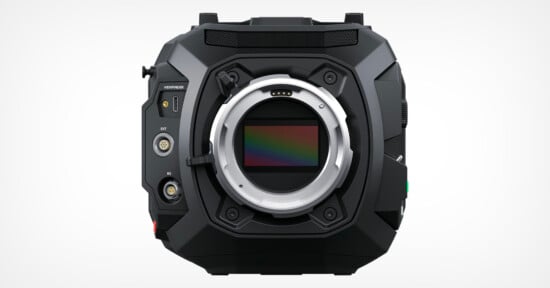
Image creditsSony, Arri. Header photo is illustrative only. Sony has not shown off its upcoming Rialto 65 image sensor.