Asus’ RTX Spark-Powered ProArt PCs Promise Pro Performance for Creators
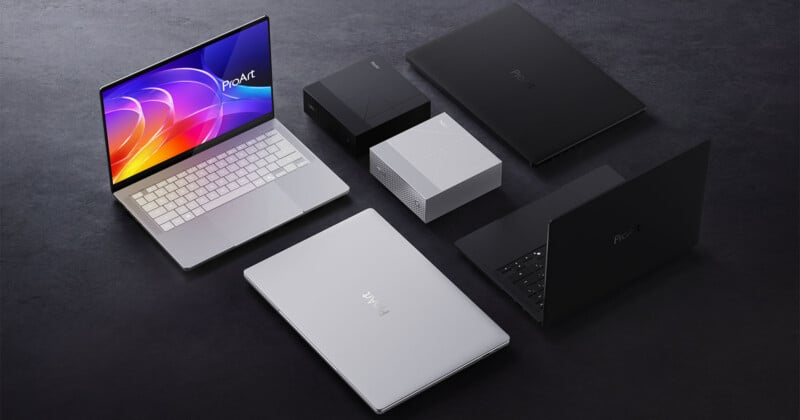
Asus has had a busy Computex 2026, debuting a new generation of AI creator ProArt PCs, a new ProArt Mini PC designed for creative professionals, and a new Qualcomm Snapdragon-powered mini PC, the Asus QN10.
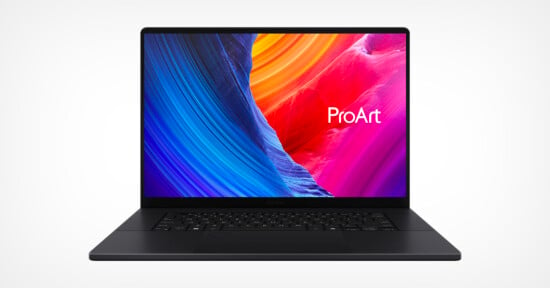
The new ProArt P14 and P16 notebooks are powered by Nvidia’s brand-new RTX Spark superchip, promising high-end notebook performance while maintaining superior power efficiency.
Like Asus’ prior ProArt P-series laptops, the new P14 and P16 promise a compelling blend of style and performance for creators. Both laptops feature Asus Lumina Pro OLED displays with up to 4K resolution on the P16 and up to 3K on the P14. The panels offer 100% DCI-P3 color gamut coverage and promise Delta E under one. Asus notes that creatives working outdoors will appreciate the 1,600-nit maximum brightness, which also benefits HDR photo and video editing.
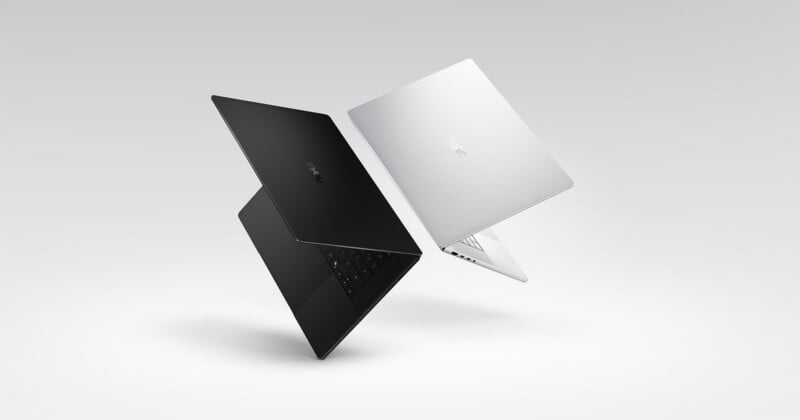
As mentioned, the new laptops feature the Nvidia RTX Spark superchip. In this case, there is a 20-core Nvidia Grace CPU and next-generation Nvidia Blackwell RTX GPU with 6,144 CUDA cores and up to 1 petaflop AI performance. As Asus notes, this is “perfect for creators using AI in their workflows.” The RTX Spark supports up to 128GB of unified memory.
As Asus notes, Adobe is rebuilding Photoshop and Premiere from the ground up to take full advantage of the RTX Spark, promising up to twice as fast AI and graphics performance.
While this could mean people using generative AI to create content out of thin air, it’s also worth noting how many creative applications rely on AI for their functionality and features these days. Things like Generative Fill, Generative Remove, upscaling, automatic captions, and even file organization tools utilize AI.
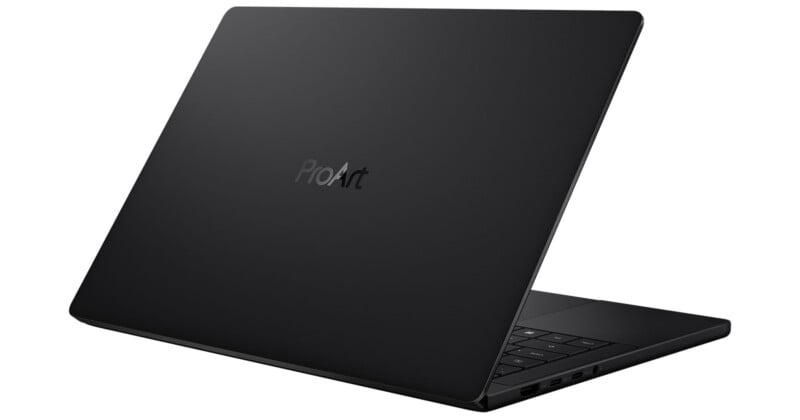
The ProArt P14 and P16 are built with travel in mind. The P16 has a slim 12.9mm profile and weighs 1.77 kilograms (3.9 pounds), while the smaller P14 is 13.9mm thin and weighs just under 1.5 kilograms (3.3 pounds). The new P16 is 13% thinner and 16% lighter than the previous-generation P16 model.
The chassis are CNC machined and available in Nano Black and Neo White colorways. The laptops feature the expected assortment of professional-friendly ports and connectivity, including USB Type A and Type C, HDMI, and an SD card reader.

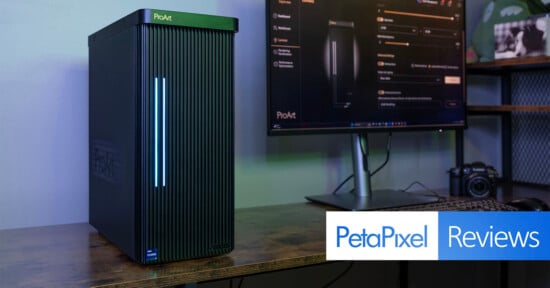
Asus also unveiled a new desktop, the ProArt Mini PC. It promises the same performance improvements as the P14 and P16 notebooks while adding more scalability, including 10GbE wired networking, M.2 PCIe Gen 5×4 expansion, and high-speed storage expansion.
It is a very compact PC out of the box, measuring just 150 x 150 x 51 millimeters (5.9 x 5.9 x 2 inches).
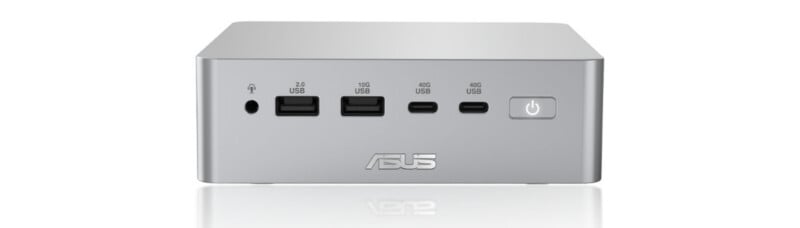
The new Asus QN10, the first mini PC powered by Qualcomm’s new Snapdragon X2 Elite, is even smaller. It is just 130 x 130 x 40 millimeters (5.1 x 5.1 x 1.6 inches) and weighs just over 700 grams. It supports up to four external displays, features an expansive I/O, and can have up to 32GB of unified memory.
Asus has not revealed pricing or precise availability for all its new PCs, but the RTX Spark is expected to arrive this fall.
Image creditsAsus