
Nat Geo’s New Documentary, ‘Time and Water,’ Tells a Story You’re Still Writing
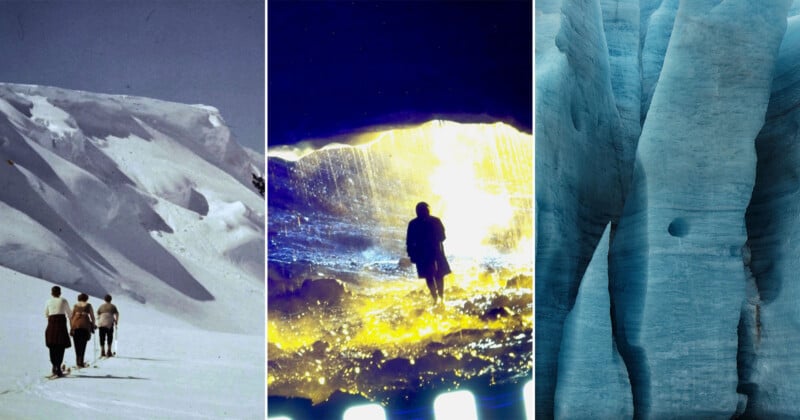
National Geographic’s new documentary film, “Time and Water,” grapples with a challenging, profound question: How do you say goodbye to what you never thought you could lose? Through archival footage, photos, art, and science, Academy Award-nominated director Sara Dosa follows acclaimed Icelandic writer and poet Andri Snær Magnason as he confronts the death of his country’s glaciers, the loss of his grandparents, and the kind of world he hopes future generations can experience. The story’s next chapters are being written at this very second.
A ‘Polytemporal’ Film
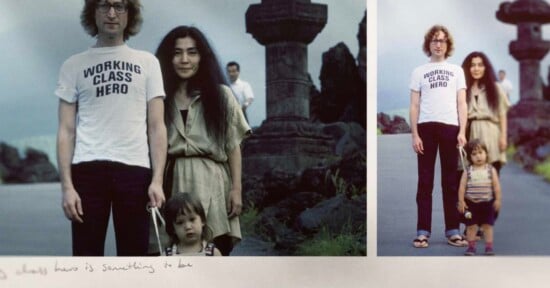
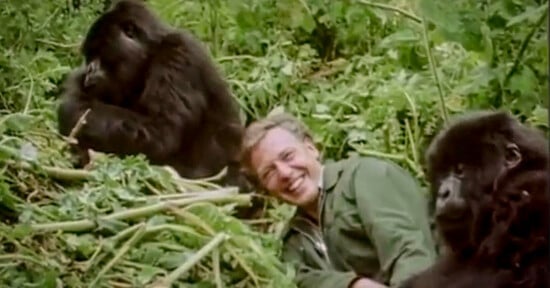
Dosa and her team combine contemporary footage with official archival materials and a massive library of personal films that Andri Magnason captured over the past three decades. Dosa describes her film, which hits theaters on May 29 but has already earned acclaim at Sundance, SXSW, and CPH:DOX film festivals, as “polytemporal,” meaning it navigates multiple streams of time all at once to tell a story that is, at least in part, thousands of years old.
While Iceland has had glaciers at various points over the past three million years, many of the country’s current, dying glaciers are more like 2,500 years old. They have been there for much longer than people have lived in Iceland.
“We always thought of [Time and Water] as polytemporal,” Dosa tells PetaPixel. “As trying to possess the past, the future, the present all in one. To show what we do now can carry the past forward and critically impact the future we hope to create, a more livable, humane, sustainable future.”
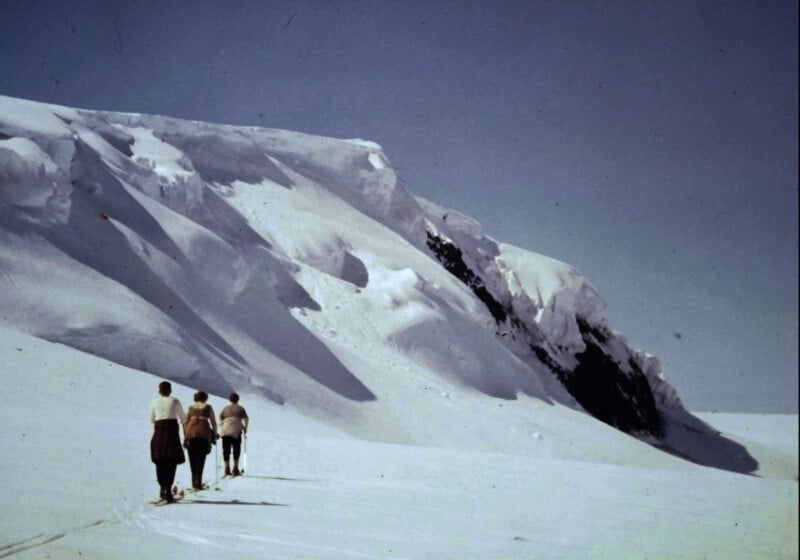
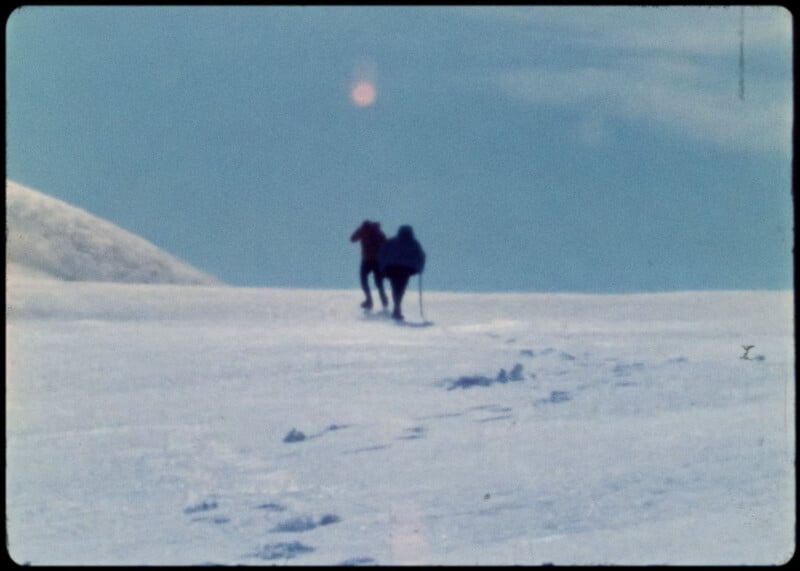
To achieve this, Dosa and her talented editing team wove together many different time periods and formats into a cohesive, consistent narrative. To ensure that modern footage matched the look and feel of archival footage, Director of Photography Pablo Álvarez-Mesa used a combination of modern digital cameras and a Bolex SBM Super16 hand-wound film camera.
“The film comprises archives from a wide range of times, so our Bolex footage was not meant to replace or create archives that don’t exist, but instead meant to be in dialogue with them,” Álvarez-Mesa explains.
“He’s brilliant on any camera,” Dosa says of Álvarez-Mesa. “Shooting on all these formats was really key to the overall message of the film and how those multiple formats can elicit the feeling of different times existing as one. Pablo really understood that beautifullly and knew how to dialog his camera with Andri’s grandparents as well as Andri’s own iPhone footage. [Pablo] is so skilled at finding those thoroughfares.”
The Connection Between Humans and Nature
Dosa’s filmography focuses on how people interact with a more-than-human natural world, the connection between individuals and families, and the grand world they inhabit. In the case of “Time and Water,” the story is primarily about how Andri Snær Magnason and his family are dealing with Iceland’s great glacial extinction.
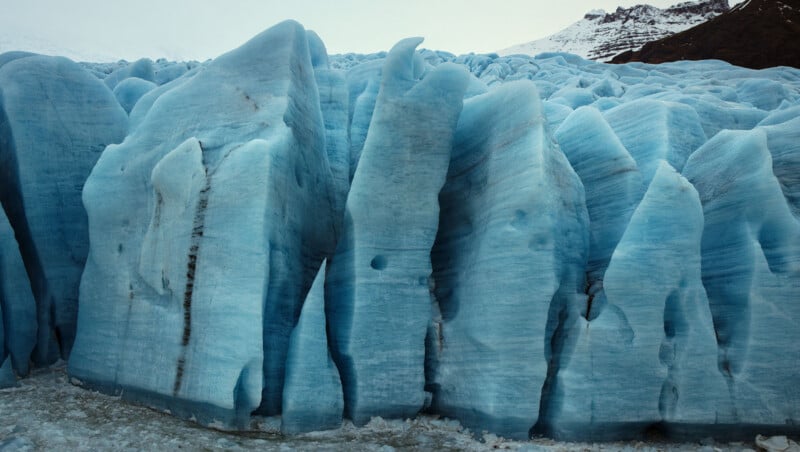
In the 21st century, Iceland’s glaciers have rapidly deteriorated due to climate change. Current estimates suggest that by 2100, half of the remaining glacial volume will be gone. And after another century, there may be nearly no glaciers left in Iceland at all. In 2019, Okjökull became the first Icelandic glacier on record to lose its status as a glacier. However, in the past 26 years, about 60 small glaciers have vanished.
This story of death and loss is told through the lens of Magnason and his family. As Magnason’s grandfather, Árni, struggles with memory loss, Iceland’s ice similarly fades. It was this desire to preserve family history and stories that led Andri Magnason to pick up a camera for the first time in the 1990s, while his other grandfather, Jón, was dying. “Time and Water” is full of Andri’s personal films, creating a real, tangible connection between people and glaciers. Magnason’s grandparents were all deeply connected to Iceland’s glaciers and pioneering environmentalists.
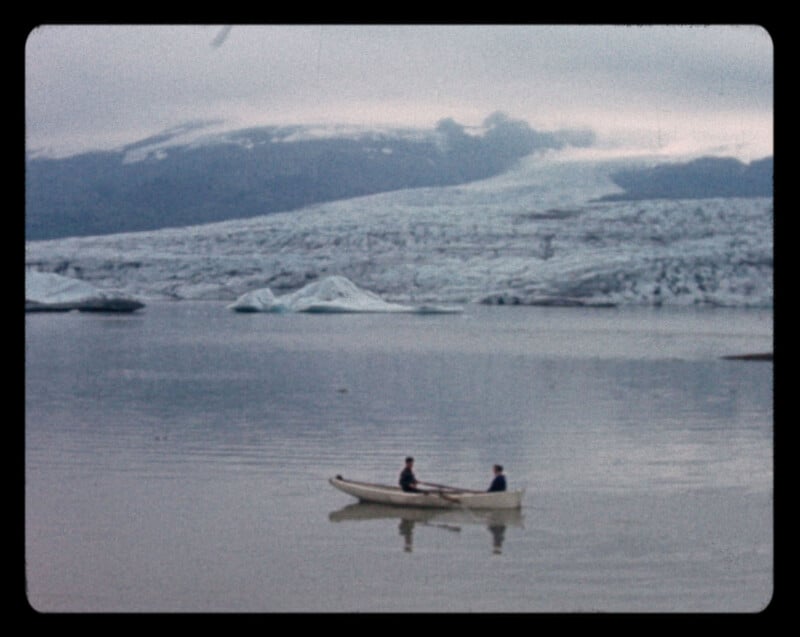
“They’re incredible people who lived incredible lives,” Dosa says of Andri’s family. “We were really look with Andri’s family.”
“Andri’s grandparents grew up in a generation in Iceland where they experienced radical change in their hundred or so years of life. I think they understood the nuances of what it means to live through change, what feels like collapse, and that there’s something about living through collapse that pulls things into perspective.”
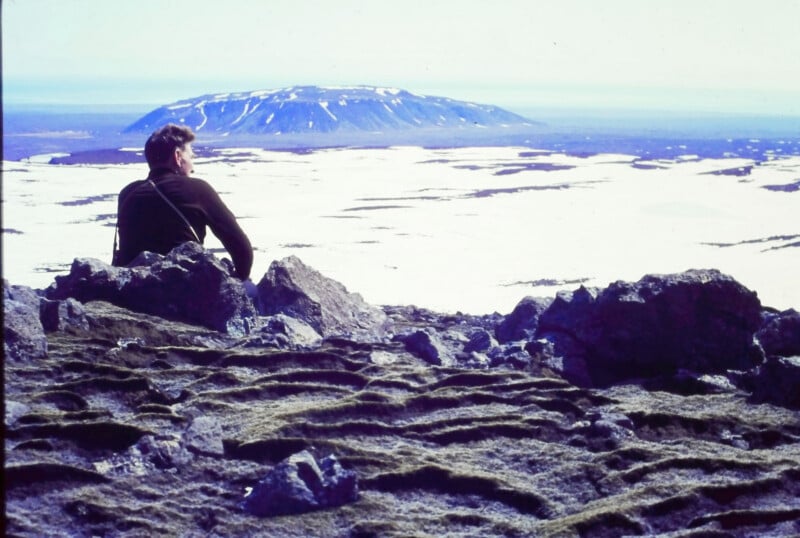
Andri himself is a storyteller — “Time and Water” is based on Magnason’s book, “On Time and Water,” released in Icelandic in 2019 and English two years later. His ability to tell stories is as evident in his camera work as in his written words.
As Magnason did in “On Time and Water,” Dosa subtly approaches climate change through personal stories in her new film. It is not a movie that hits the viewer over the head with doom or hard science, but offers just enough harsh reality to keep the seriousness of the subject in perspective.
Andri’s grandparents could never have believed, many decades ago, that Iceland’s glaciers might one day vanish, and certainly not in the lifetimes of their grandchildren and great-grandchildren. Andri himself, and everyone watching “Time and Water” now, is uniquely positioned to know what the problem is — climate change — and what can be done about it. Crucially, they also know what will happen if we collectively fail.
Andri wrote an obituary for Okjökull, the first Icelandic glacier to lose its status, and it is extremely poignant:
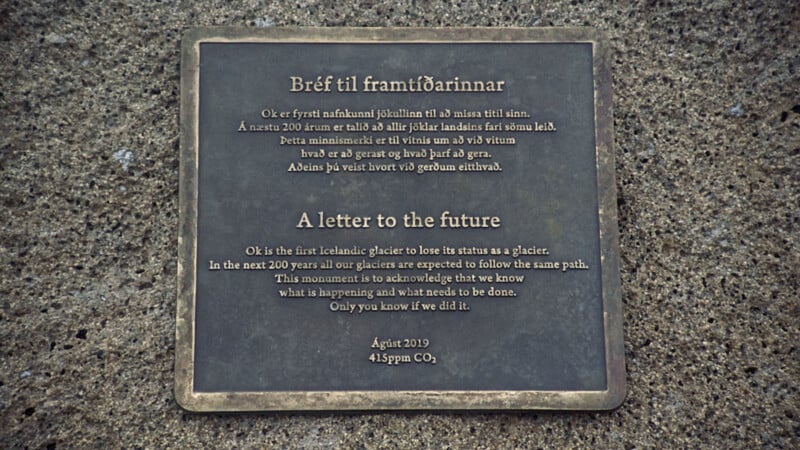
“And for us, it was really important to create a film that wasn’t necessarily, so full of dread or fear that it kind of shut down the possibility of action because I do think when you’re met with so much fear, paralysis can set in and rightly so. This is really hard news to comprehend,” Dosa says of her film’s approach to the climate crisis.
“And on the other side, sometimes when there’s too much hope, when you feel like, ‘Oh yeah, it’s gonna get solved.’ It can also stymie engagement because you feel like it, it is being handled elsewhere.”
Andri Magnason’s family dynamic ultimately provided a compelling way to tell this story of an issue that is nearly incomprehensibly large and daunting in a way that feels approachable. It also provides an antidote to Dosa’s fear of people thinking someone else will solve the problem for them.
They won’t. You can see what has happened to Iceland’s glaciers over many decades thanks to archival footage from Andri’s family and Iceland’s historians. No one else is coming to rescue the glaciers or address the climate crisis. It is happening now, the damage is visible, and we are responsible for what happens next.
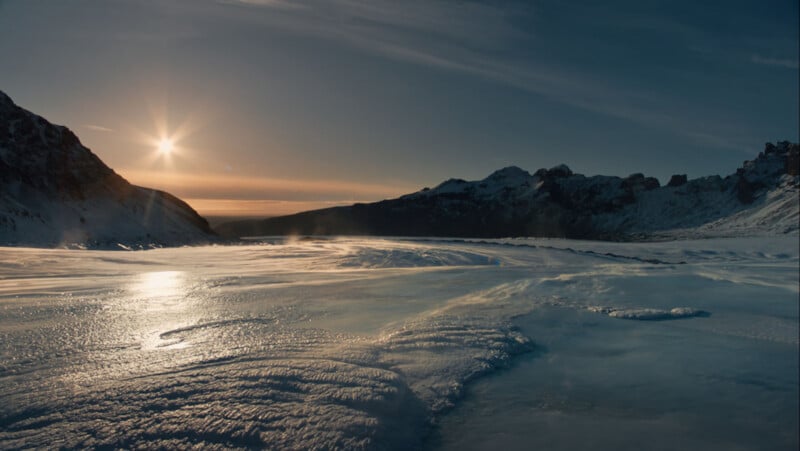
Andri’s children, his children’s children, and onward down the chain, are in line to inherit a very different world than the one Andri’s grandparents experienced.
“The future is reachable,” Dosa says, “but it is up to us to act. We don’t know yet what will be written in the future. It is not yet foreclosed. There’s still a moment to impact it.”
Glacial Time Capsules and Human Memories
Glaciers are uniquely positioned as time capsules for Earth and, in the past few centuries, what we have done to it. The ice remembers. It records what’s in the air and water, both what is naturally supposed to be there and what isn’t, like pollution.
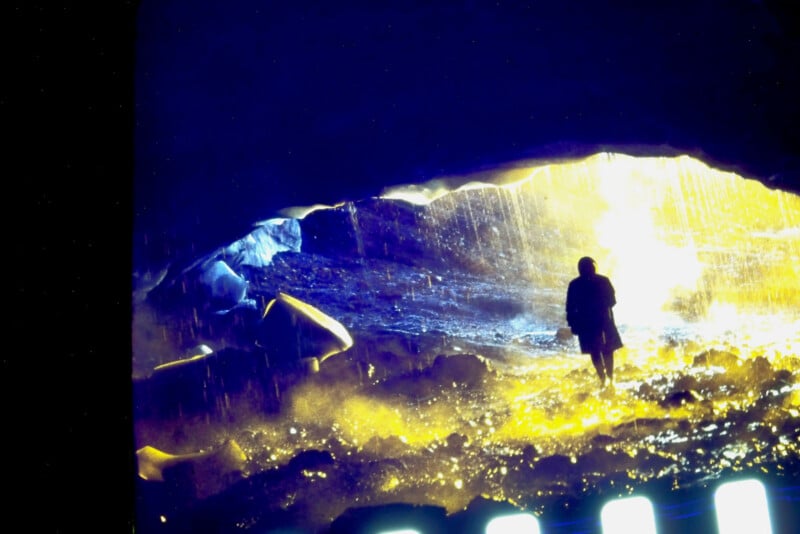
“The things that might seem like an inert block of ice can contain life and memory, and that in a view of nature, where you understand that kinship, you can also see how the human family is so deeply embedded in the natural world,” Dosa says.
“The memories of our elders can be in dialogue with the memories of the earth itself, and that’s something to treasure.”
The climate crisis is not just destroying the Earth, Dosa argues, but it’s erasing our very history.
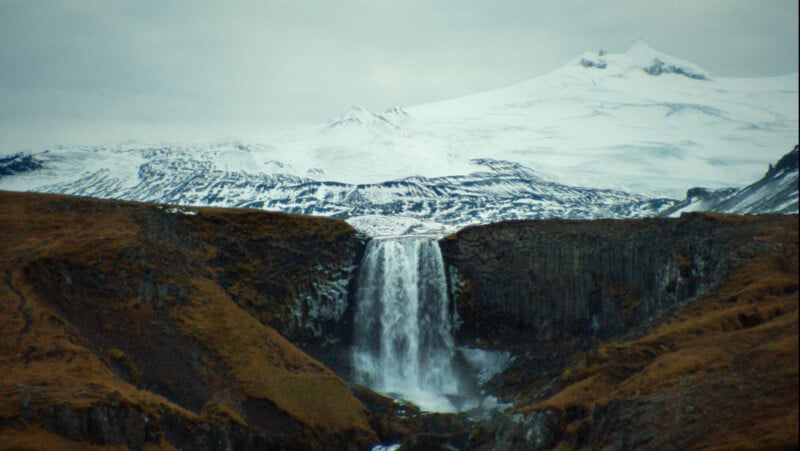
“I hope people can understand not just the profundity of loss but also know that the love that still remains can connect us to our families and to the landscapes we call home.”
Andri is not ready to say goodbye to Iceland’s glaciers. Only future generations will know if we did enough to save them.
“Time and Water” arrives in theaters on May 29, 2026. It is a deeply powerful and moving film that I highly recommend.
Image creditsNational Geographic