Engaging With the Arts Slows Biological Aging
Researchers in the United Kingdom found that people who engage with the arts biologically age more slowly than those who do not. These results echo others over the years that show a correlation between exercising creative muscles and improved health outcomes.
The new study published last week in Oxford’s “Innovation in Aging” journal looked at data from more than 3,500 people in the U.K., and found that the frequency and number of different ways that people engage with arts “can slow the aging process,” CNN reports.
“Theoretically, one way the arts could affect health is through biological processes,” study co-author Feifei Bu from University College London explains. “Our study provides evidence supporting this.”
Bu believes that the study’s results strengthen evidence that there could be significant public health value in supporting the arts and encouraging people to engage with artistic and cultural activities and events.
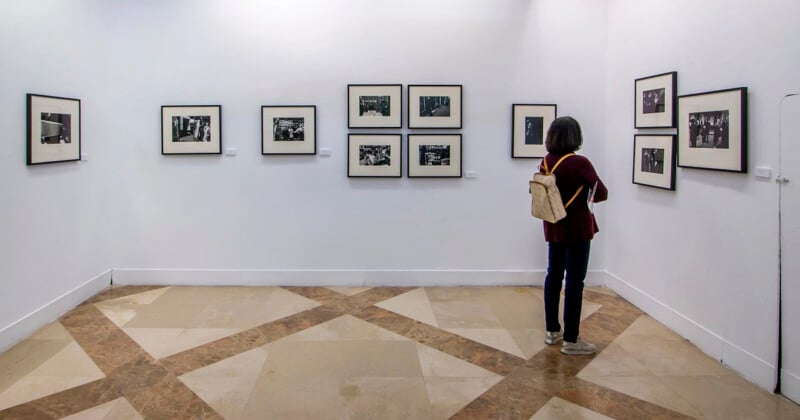
It stands to reason that some of the health benefits the researchers uncovered could be applied more directly to photography, both as a practice and as a cultural event. The researchers believe that a significant part of why engaging with the arts slows biological aging is the diverse range of visual, sensory, and physical stimuli associated with art, as well as the social interactions that often accompany it.
For example, consider a photography club or group that meets, takes photos together, and organizes group outings to photography galleries and museums. An activity like this would tick a lot of important boxes for achieving positive health outcomes, including flexing creative muscles in the brain, studying visual art, and connecting with others.
The new findings go much farther than that, though: they also found evidence that artistic engagement can have roughly the same health benefits as physical exercise. This is a huge deal, especially for those in middle- and late-age groups who may find strenuous physical exercise too difficult.
There is still a need for additional research, but these results are not too surprising. Earlier this year, PetaPixel reported on a study that showed dramatic neurological health benefits from birding and, by extension, bird photography. In that case, Canadian researchers found that observing, identifying, and studying birds affected the brain’s physical structure and helped mitigate typical age-related neurological declines.
The primary takeaway there was that birding and bird photography engage a diverse range of cognitive functions, helping keep the brain sharper and healthier for longer. The story is much the same with the new U.K. study on engaging with the arts.
So the next time there’s a local art or photography show, or a chance to pick up the camera and create art, it may very well offer important health benefits too. It certainly never hurts to enjoy art, especially in a social context.
Image creditsHeader photo licensed via Depositphotos.com.
Affiliate Disclosure PetaPixel articles may include affiliate links; we may earn a commission if you buy through one.