
A Commercial Photographer’s Take on When to Use AI (and When Not To)
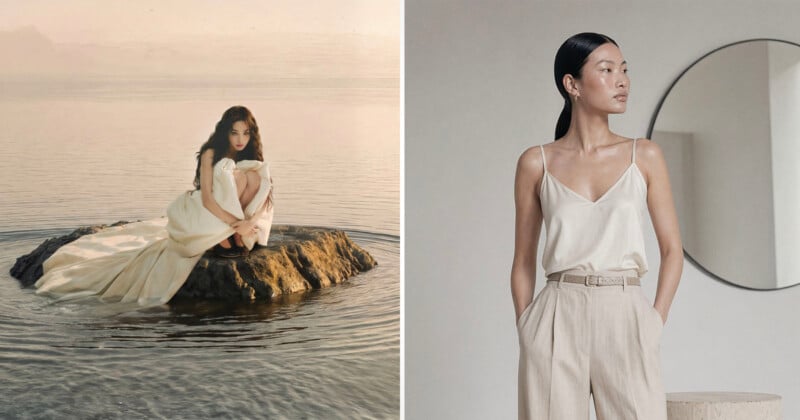
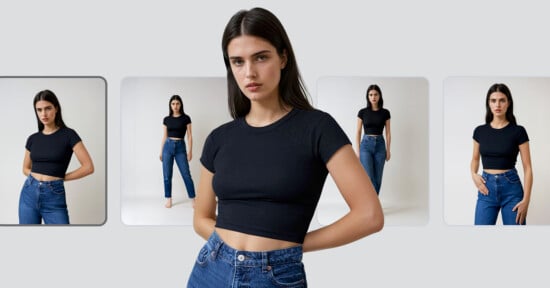
Last year, a client came to me with a straightforward brief: they needed a full lookbook for their new clothing line. But there was a catch. “We don’t want a shoot,” they said. “Just take our phone photos and make them look professional with AI.” I could have said no. Instead, I said yes — and it changed how I think about my entire career.
I’ve been shooting commercial and fashion work for six years, running a multidisciplinary creative studio between Shanghai and New York. My clients include global brands across fashion, beauty, and lifestyle. Two years ago, long before AI image tools became a topic of industry panic, I started quietly integrating them into my production workflow. My background in 3D and CGI made the transition feel natural — I’d always thought in terms of layers, environments, and constructed realities. AI was just a new way to build them.
What I’ve learned since then isn’t a simple story of “AI is great” or “AI is a threat.” It’s more complicated, more interesting, and frankly more useful than either of those takes.
The tools are changing fast. Here’s what’s actually working — and what isn’t.
Using AI to Get Everyone on the Same Page Before the Shoot
The most expensive mistake in commercial photography isn’t a missed focus or a bad light setup. It’s a misalignment between what the client imagined and what you deliver, discovered only after the shoot is done.
For years, the solution was mood boards: collections of reference images pulled from Pinterest, past campaigns, editorial tearsheets, and the like. They work, but they have a fundamental limitation: you’re always showing the client someone else’s work. And when you can’t find a reference that closely matches the concept, you’re left describing it in words, which is where things fall apart.
Now, before any major shoot, I use AI image generation to build custom visual concepts specific to the brief. If a brand wants something that feels “urban but soft, editorial but approachable,” I can generate a dozen distinct visual interpretations of that direction in an afternoon. The client isn’t choosing between other brands’ campaigns anymore, they’re choosing between versions of their own vision.
Do clients know these pre-production visuals are AI-generated? Yes. Do they care? Not at all, as long as the result captures what they’re after. In the pre-production stage, the image is just a communication tool. What matters is whether it accurately represents the direction. AI makes that possible in situations where, before, I would have been searching for hours and still settling for something approximate.
The difference in client conversations is significant. Approvals that used to take multiple rounds of back-and-forth now happen faster, with more confidence on both sides. By the time we walk onto set, everyone already has the same image in their head. The shoot becomes execution, not exploration.
Shooting in the Studio, Placing Anywhere in the World
Some of the most visually ambitious editorial work I’ve produced never left the studio.
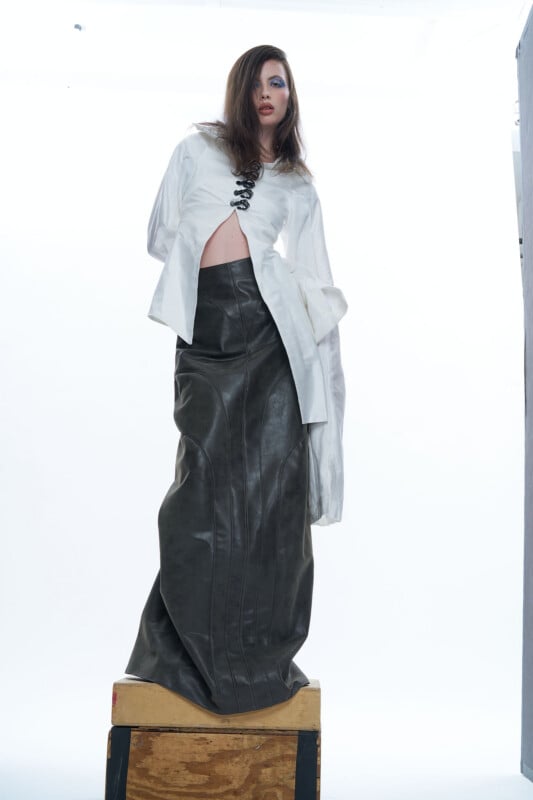
For a Harper’s Bazaar editorial, the brief called for environments that simply don’t exist: floating rock formations, misty otherworldly landscapes, surreal atmospheric spaces.
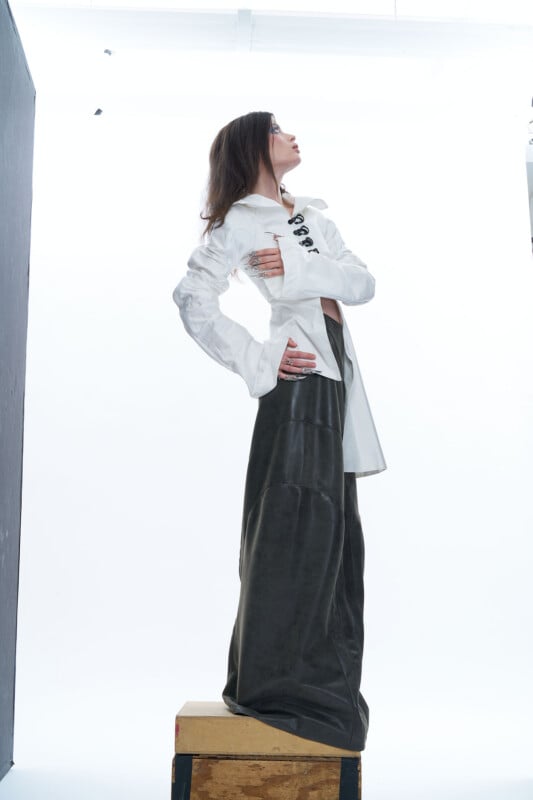
Building those sets physically would have been prohibitively expensive, and shooting on location would have introduced variables we couldn’t control: weather, permits, travel, and inconsistent light. Instead, we shot the talent in a controlled studio environment, with careful attention to lighting direction and ground shadow; these are details that make a composite feel real rather than assembled. The backgrounds were generated with AI, then composited in Photoshop.
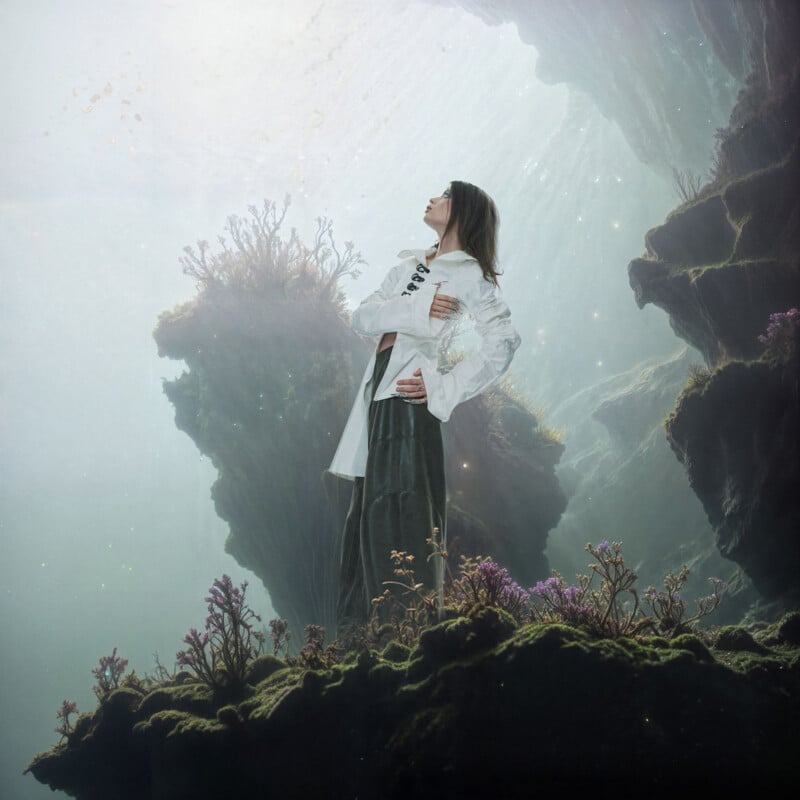
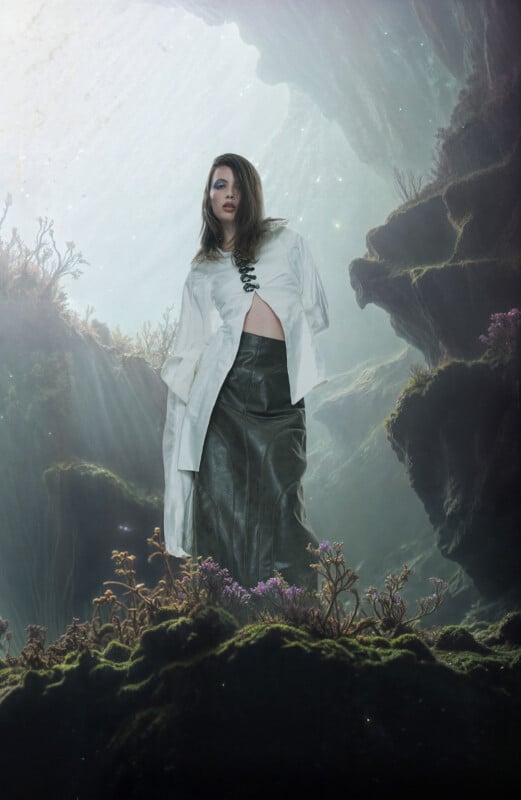
The result looked like a production that cost ten times what it did.
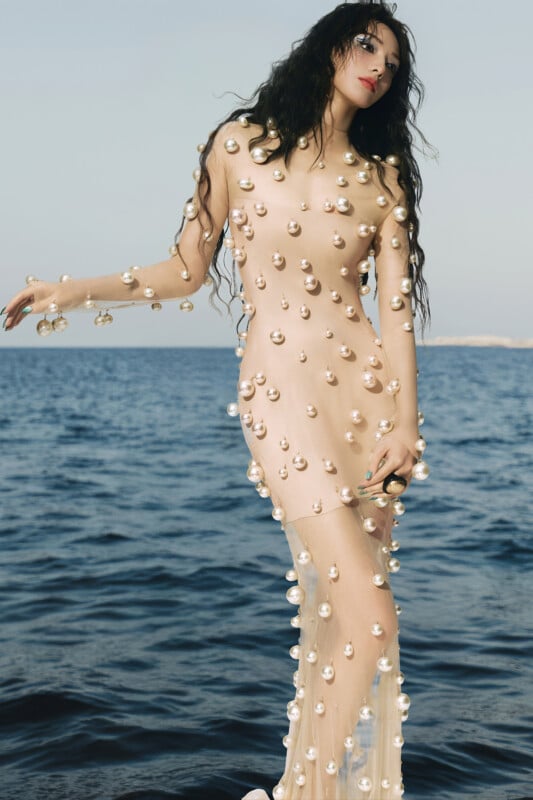
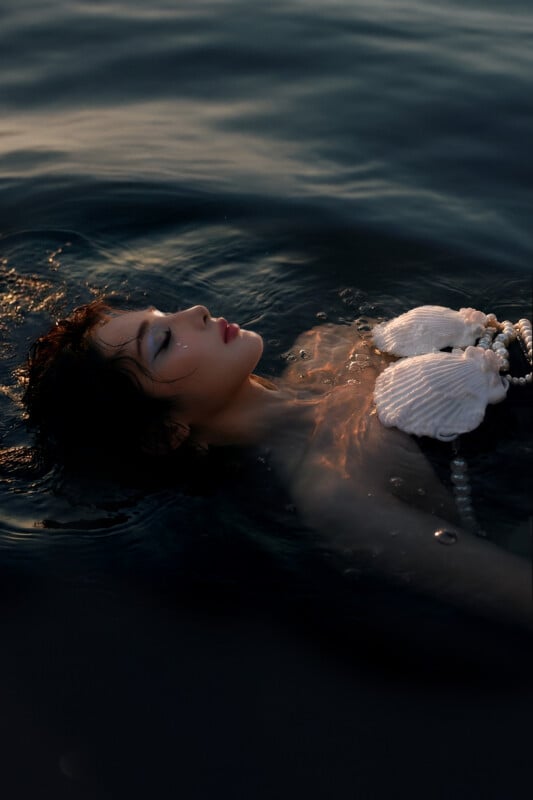
We used the same approach for an iSLAND magazine editorial which called for a series of ocean and underwater environments that would have required extensive location work, specialized underwater equipment, and significant risk to both talent and gear. Every image in that series was shot in the studio. The water, the jellyfish, the deep-sea atmosphere, they were all built in post, with AI as the foundation.
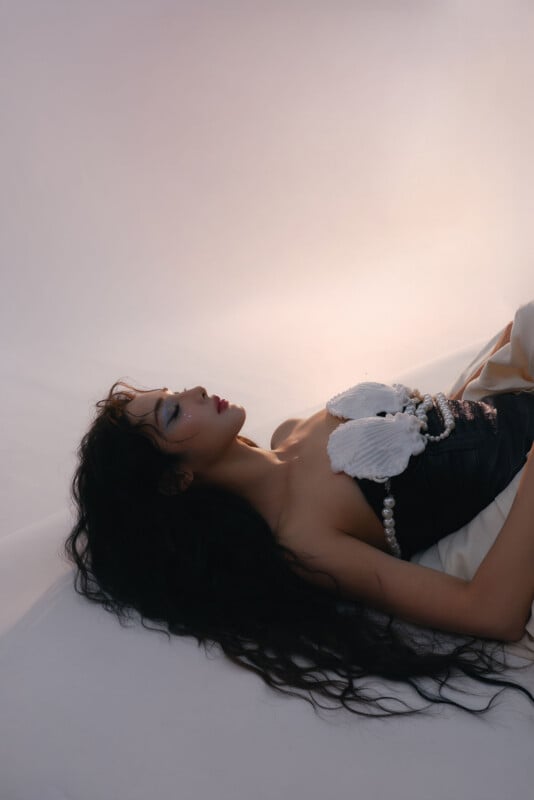
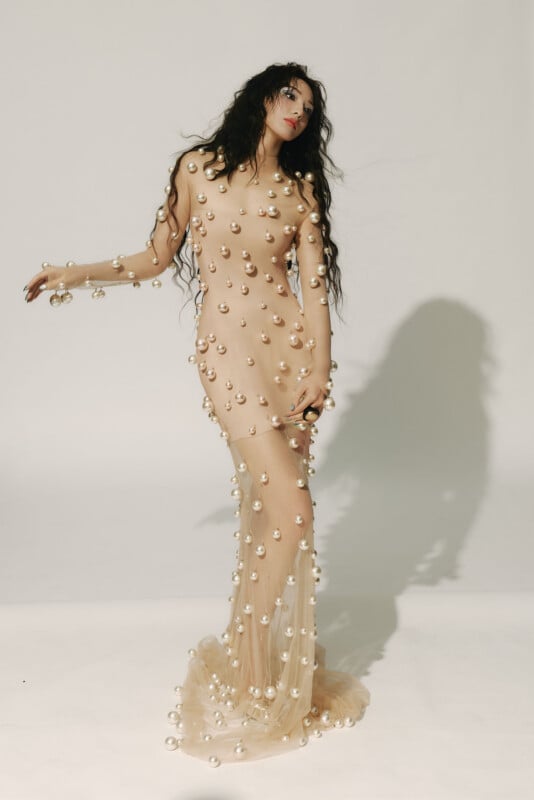
What makes this workflow viable at a professional level isn’t just the quality of the AI-generated environments. It’s the discipline of the studio shoot. The lighting has to be consistent with the imagined environment.
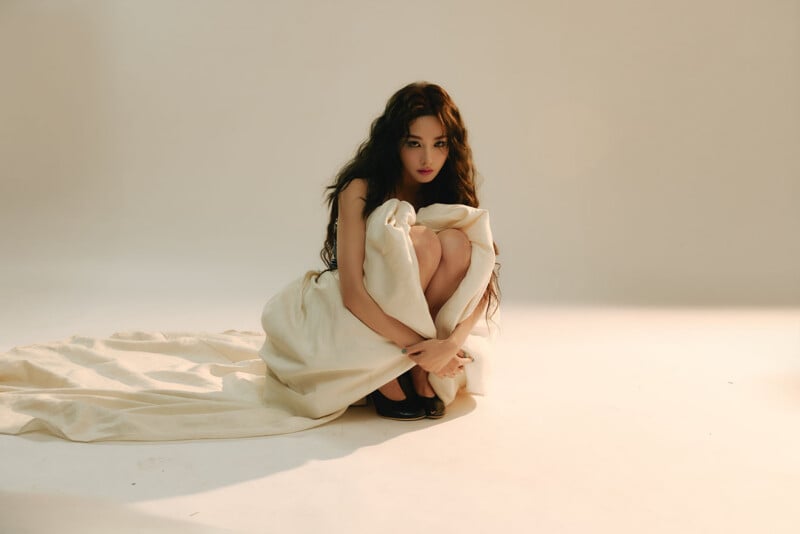
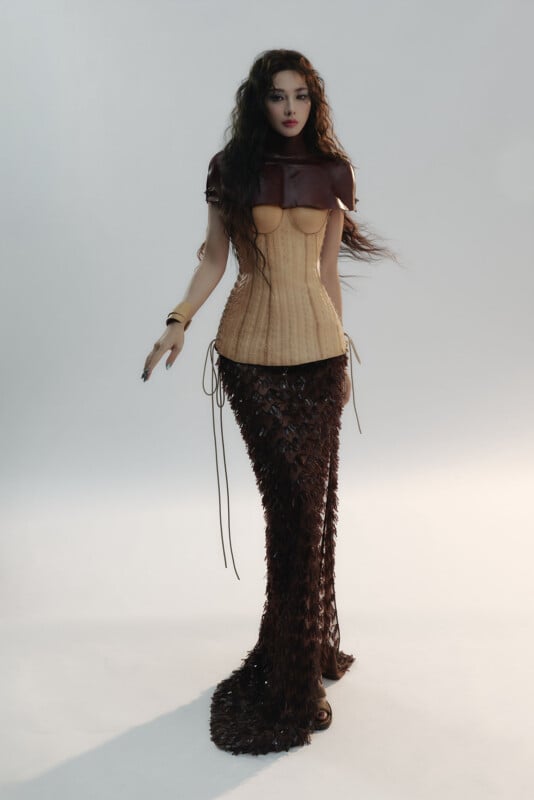
The subject’s eyeline, posture, and ground contact have to make physical sense within the composite world. Getting those details right requires the same level of craft as any traditional shoot — the AI just removes the constraints of physical location.
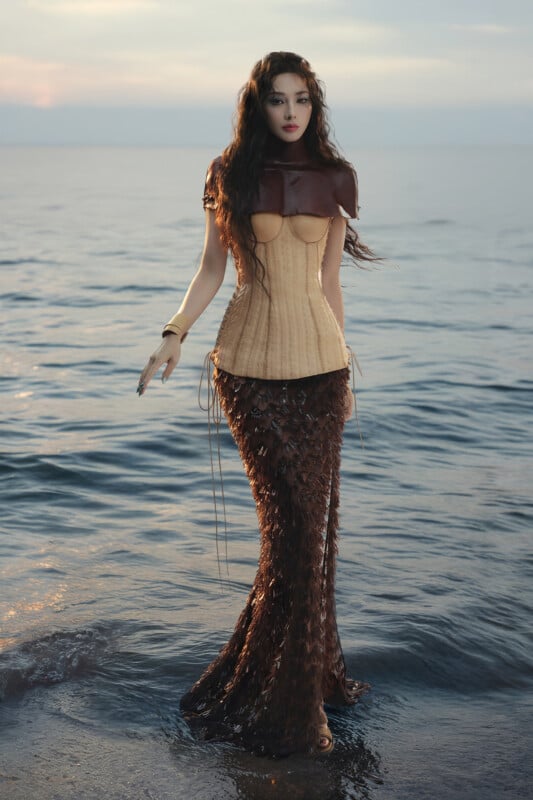
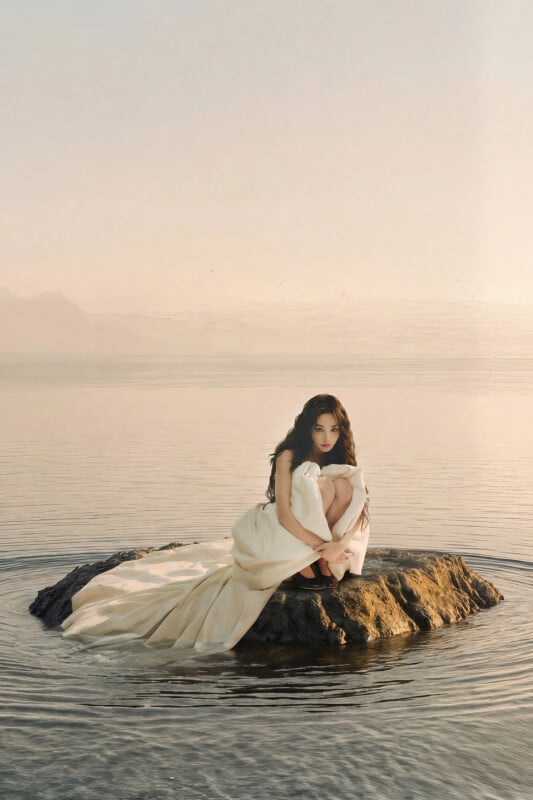
For commercial clients, the practical implications are significant. Outdoor campaigns are no longer subject to weather delays. Location fees and travel budgets can be redirected. A small fashion brand can produce imagery that feels like a global campaign. The studio becomes a portal to anywhere.
When Clients Want to Skip the Shoot Entirely
Not every client wants a hybrid approach. Over the past year, I’ve had several smaller fashion and product brands come to me with a more radical brief: no shoot at all. Just take our phone photos, they said, and use AI to make them look professional.
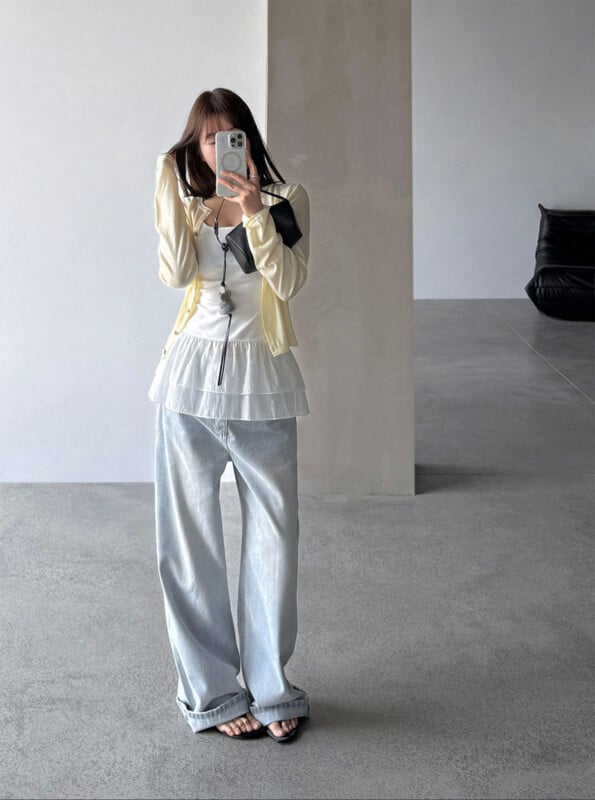
I said yes. And it worked — to a point.
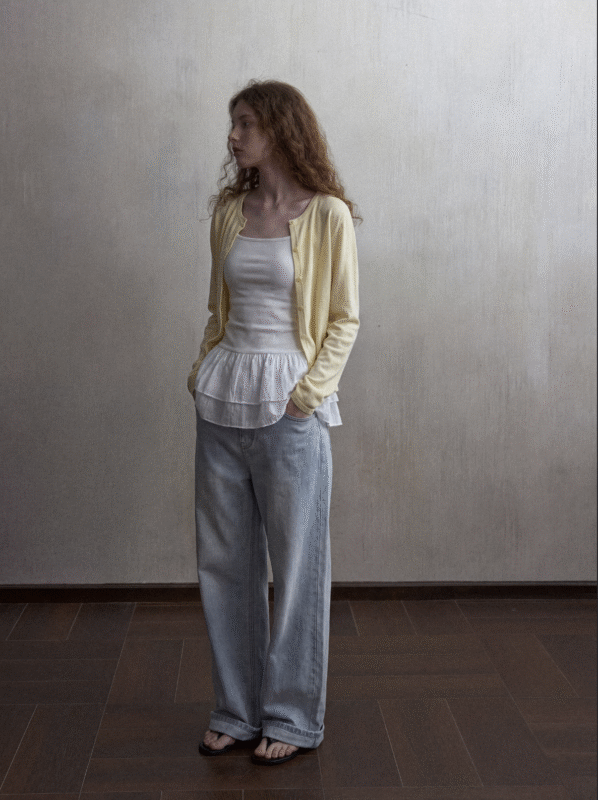
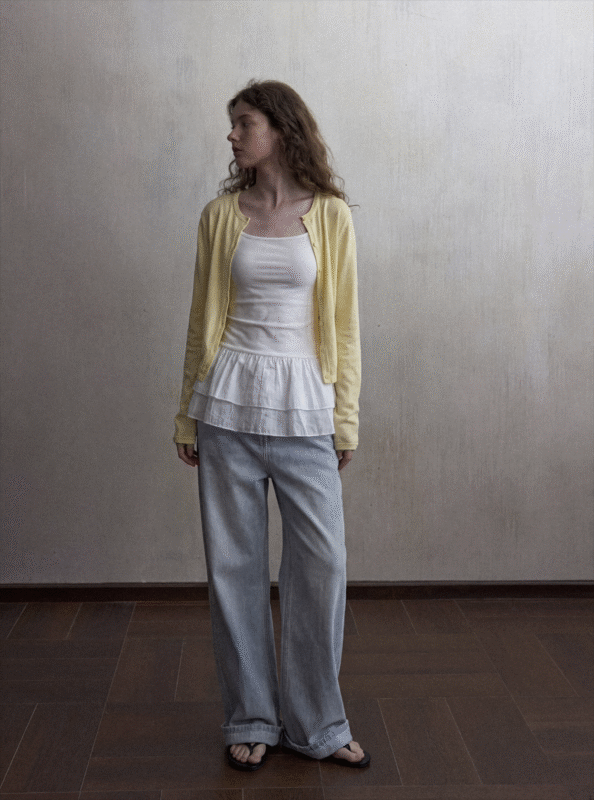
For certain types of imagery, fully AI-generated visuals are genuinely viable today. When the product occupies a relatively small portion of the frame or when the shot is more about atmosphere and lifestyle context than product detail, AI can deliver results that satisfy a client and perform well on social media. The brands I worked with were happy with what we produced.
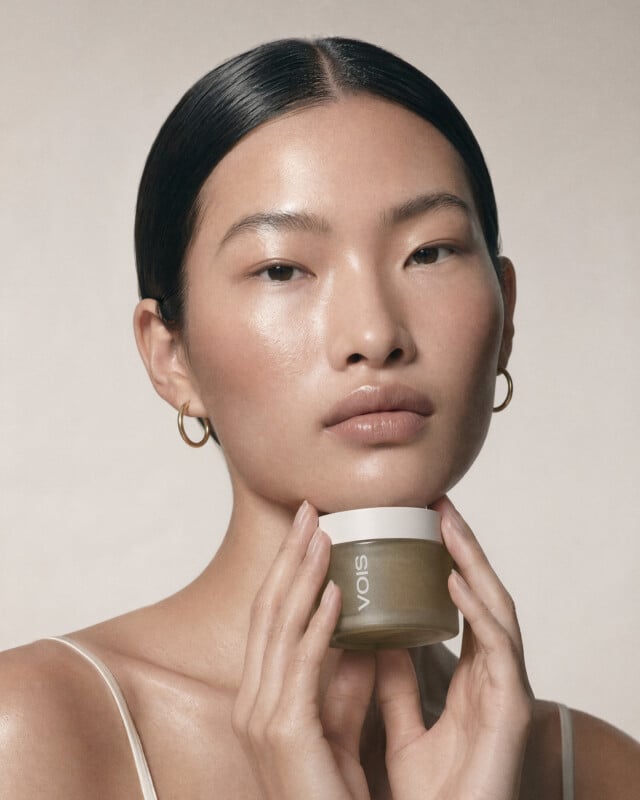
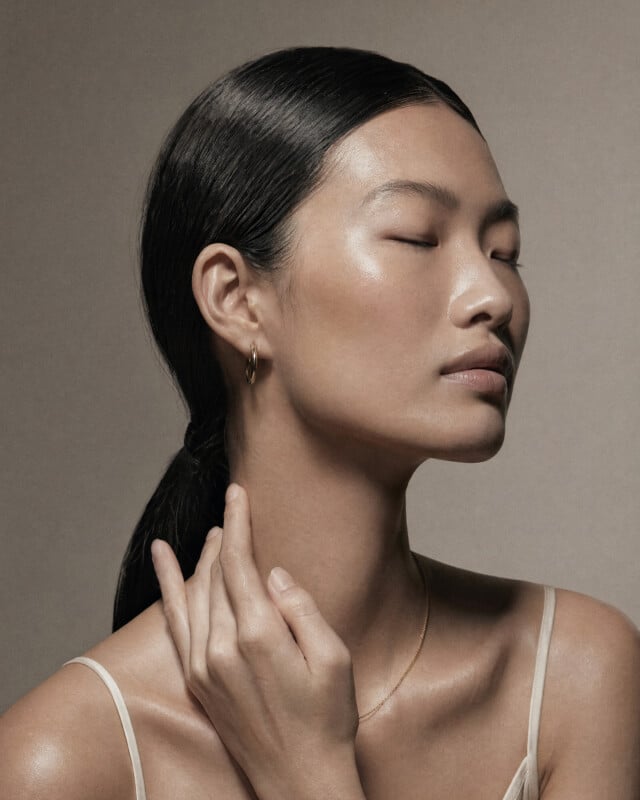
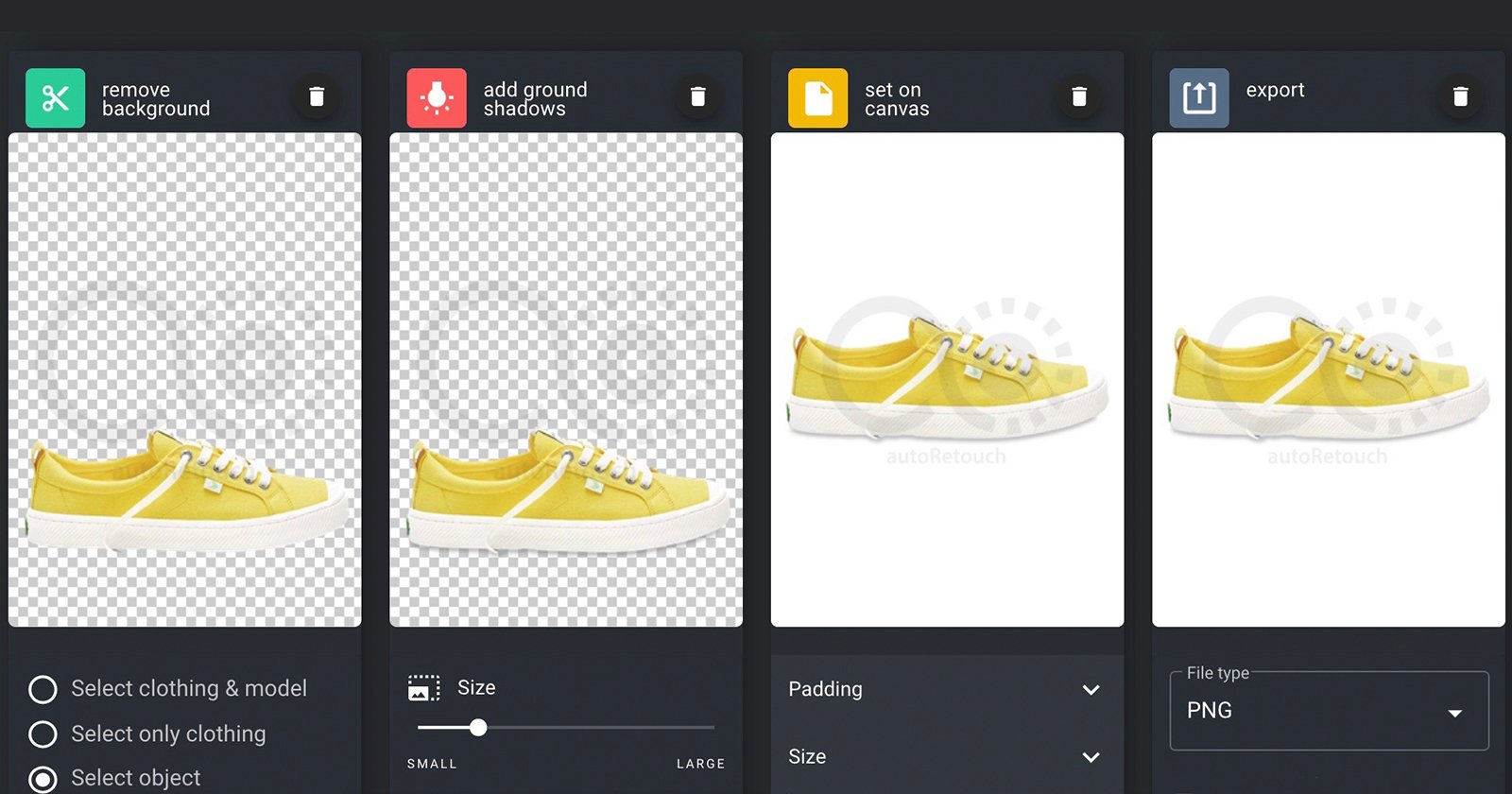
But there are real limits, and I think it’s important to be honest about them. Zoom in, and the problems appear. Fabric texture, stitching detail, the exact way a material catches light — these are things AI currently gets wrong in ways that matter to serious brands. You can work around them, but the workarounds cost time, and once you factor in that time, the economics start to look a lot like a real shoot anyway.
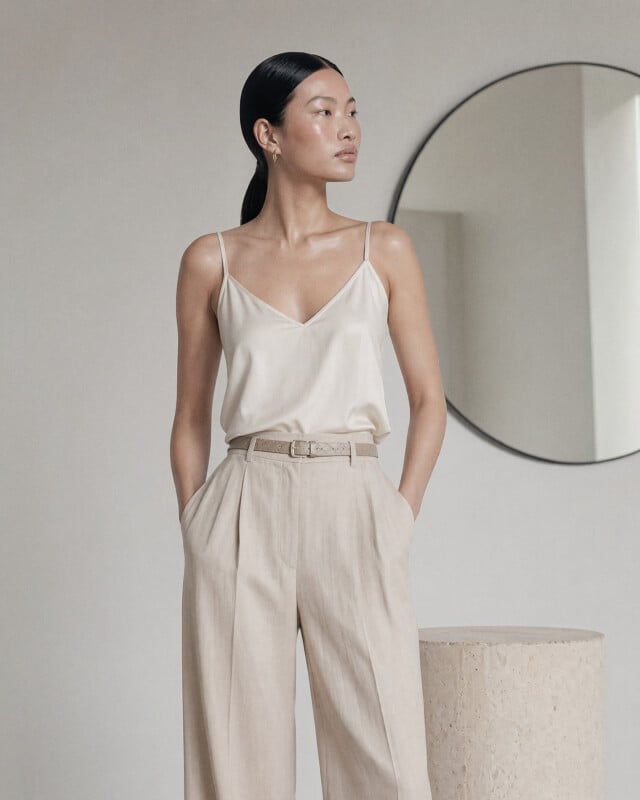
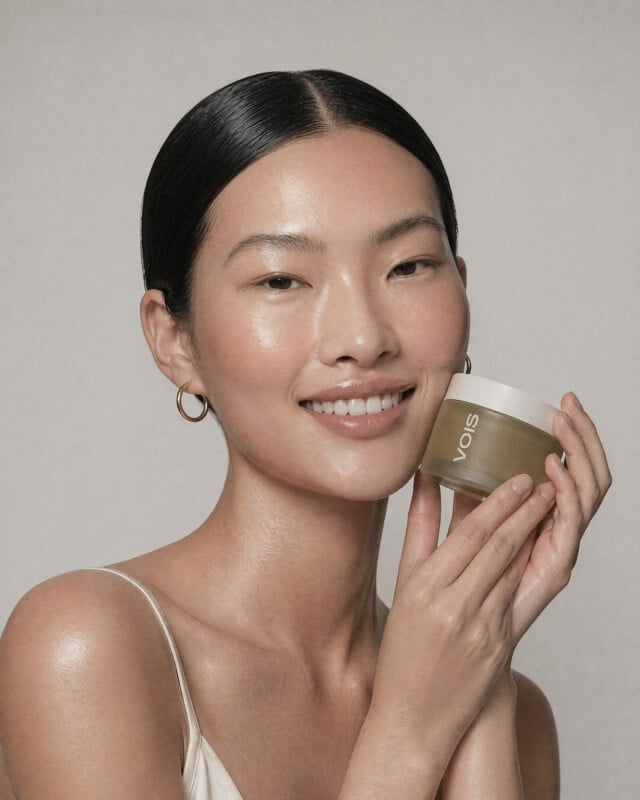
My honest assessment: for smaller brands with modest budgets and images that don’t need to survive close inspection, fully AI-generated product photography is already a practical option. For established brands where product accuracy and brand integrity are non-negotiable, it isn’t there yet. But it will be. The trajectory is clear. As the technology improves, the gap between AI-generated and camera-captured product imagery will close — and eventually, for most commercial applications, it will disappear entirely.
What Happens to Photography When AI Can Do the Commercial Work?
When that happens, I don’t think photography dies. I think it gets clarified.
Stripped of its commercial utility, photography returns to what it always was before the industry built up around it: a way to record, to share, and to make art. The camera becomes less of a production tool and more of what it was at the beginning, which was an instrument for capturing reality as it actually exists, in moments that cannot be constructed or generated.
Commercial photography as we know it will look very different in ten years. But photography itself — the act of pointing a lens at the world and deciding what matters — will still be here. It will just be more honest about what it is.
That’s not a loss. That might be the most interesting thing to happen to photography in a generation.
Affiliate Disclosure PetaPixel articles may include affiliate links; we may earn a commission if you buy through one.