
Photographing Hokkaido: The Japan North of Tokyo That Most People Never See
In March, Jaron Schneider and I traveled to Japan for press coverage at the CP+ photo and imaging show in Yokohama. After four days covering the show, we had a decision to make: go home, or continue the trip and head somewhere else. So, we decided to go north.
Full disclosureThis story was made possible by Sony and the Alpha 7 V. Get yours today.
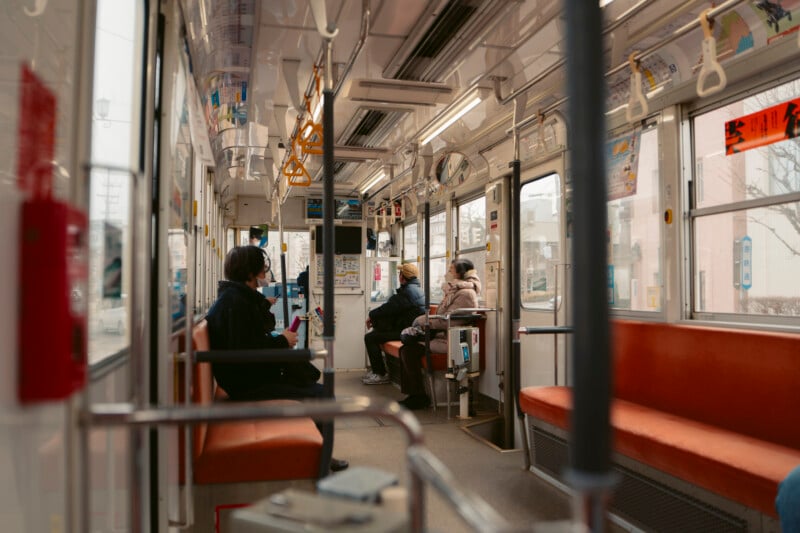
The plan was to spend the rest of our trip visiting lesser-known cities both up to and in Hokkaido, traveling entirely by train (both high-speed and local) without over-researching where we were going.
I wanted to show up and see what was there, rather than spend the whole trip building a shot list and hunting for predetermined moments. Especially since we’d be visiting cities I knew almost nothing about, that felt like the right approach.
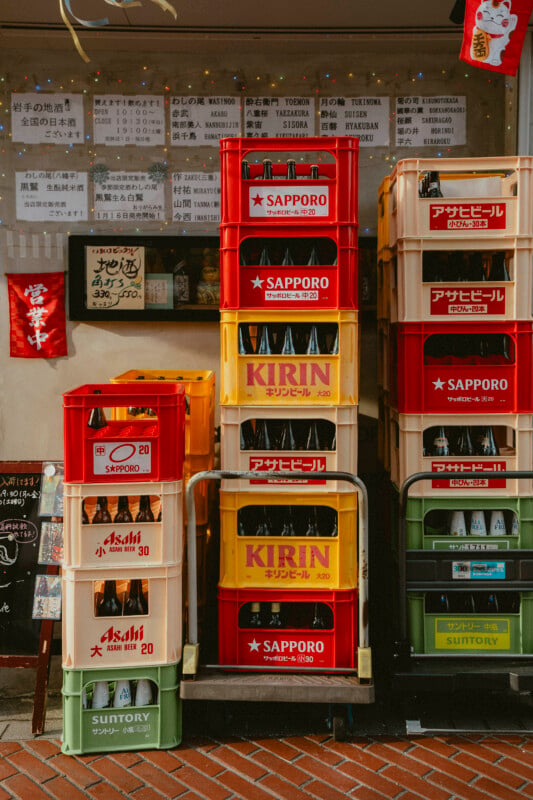
For the entire journey, I shot with the Sony a7 V and the video above was shot entirely on the a7 V by Jaron. I’ve been on the Sony system for over six years, and my usual camera is the a7R V, so the a7 V felt immediately familiar but still different enough to be exciting. It turned out to be a great fit; it never pulled me out of the present moment, and I felt comfortable using it for both photo and video throughout.
I only brought three lenses: the Sony 28-70mm f/2 GM, the Sony 50-150mm f/2 GM, and the Sony 16-35mm f/2.8 GM II.
Morioka: Three Noodles in One Day
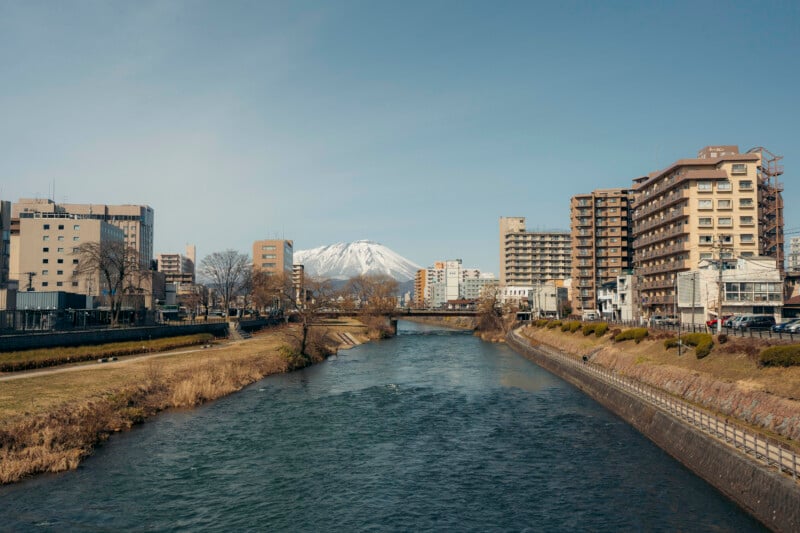
Our first stop was Morioka, a city in Iwate Prefecture that isn’t quite Hokkaido, but was an important way-point heading north. Morioka is famous for three completely different noodle dishes, all with their own distinct origin stories.
So we decided to eat all three. In a single day.
The reason Morioka built its identity around noodles is actually geographic. Rice doesn’t grow well in the cooler conditions here, so other grains like wheat and buckwheat, which are more cold-resistant, became the local staples instead.
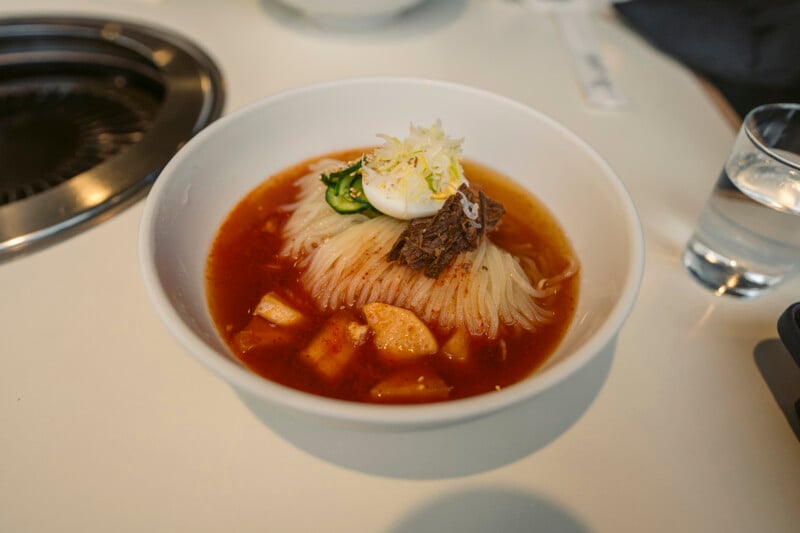
We started with Morioka Reimen, which I immediately recognized as a close relative of Korean naengmyeon: a cold noodle dish with roots in what’s now North Korea. As it turns out, Morioka Reimen was invented by a Korean immigrant who arrived in Morioka after World War II and adapted the dish using local ingredients. The most significant change was using potato starch instead of buckwheat flour for the noodles, which gives them that slightly more transparent, chewy texture.
From there, we moved on to Wanko Soba, which is a whole experience in itself. The concept is simple: your server keeps refilling your bowl with a small portion of soba noodles, over and over, until you decide to stop. It comes with an assortment of toppings and condiments, but at the pace everything moves, it’s nearly impossible to think about anything other than eating. About 15 bowls equals one normal serving. By the end, I had eaten 34 (Jaron only had 14). Unfortunately, I was so focused on eating that I forgot to take photos, but you can see what the experience looked like in the video above.
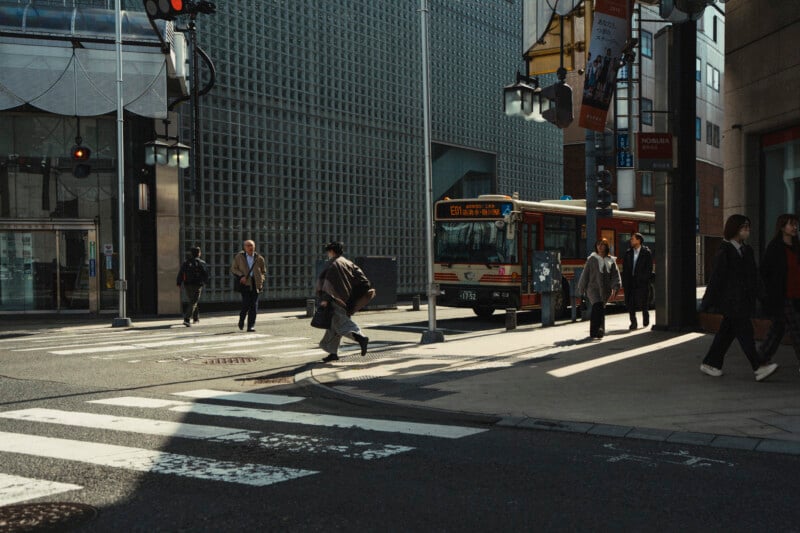
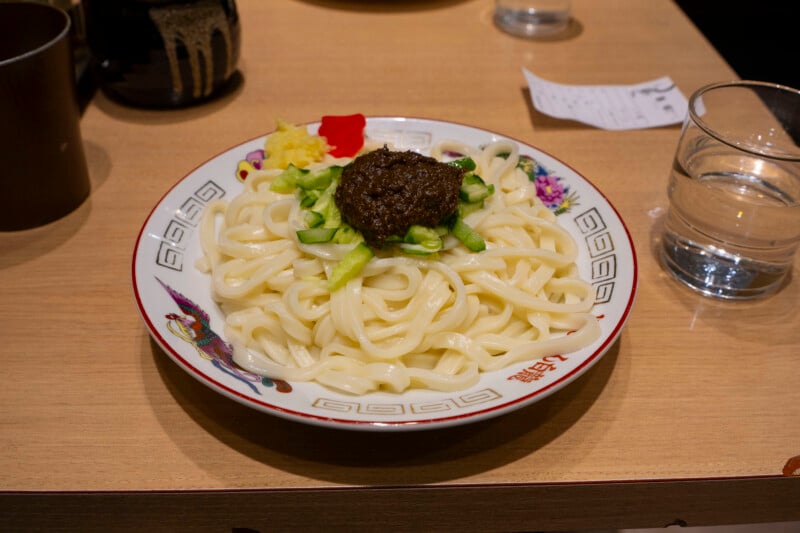
After a walk around town to shoot and decompress, we finished the evening at one of Morioka’s most famous restaurants for jajamen, a Japanese riff on Chinese zha jiang mian, with thick, chewy noodles in a savory miso meat sauce. The ritual at the end of the dish is to crack a raw egg into the remaining sauce, then pour hot water over it to make a finishing soup.
It was delicious. I was also completely full, in a way I haven’t been in a very long time.
Hakodate: The City That Doesn’t Look Like Japan
The next morning, we took the Shinkansen to Hakodate, which takes about two and a half hours in total including a 25-minute stretch through the Seikan Tunnel, the world’s longest undersea rail tunnel. There wasn’t much to see during that part of the journey, obviously, but it was cool to think about traversing under the ocean.
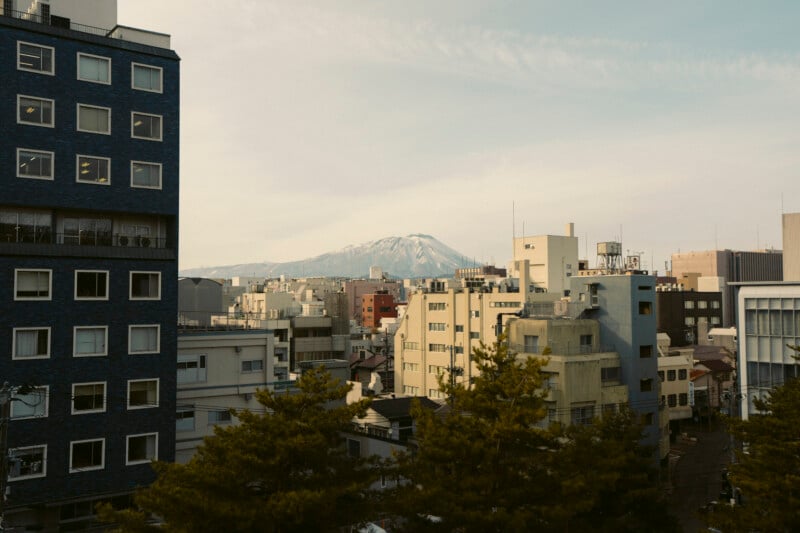
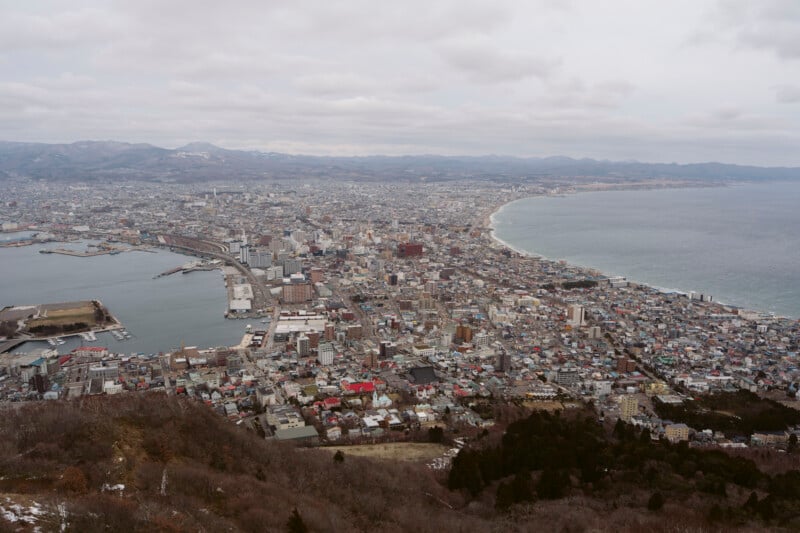
Hakodate was one of the first Japanese ports to open for foreign trade in the 1850s, and that history is still visible in the architecture and cityscape. It genuinely doesn’t look like anywhere else we visited. It doesn’t look like anything I’d pictured when I imagined Japan.
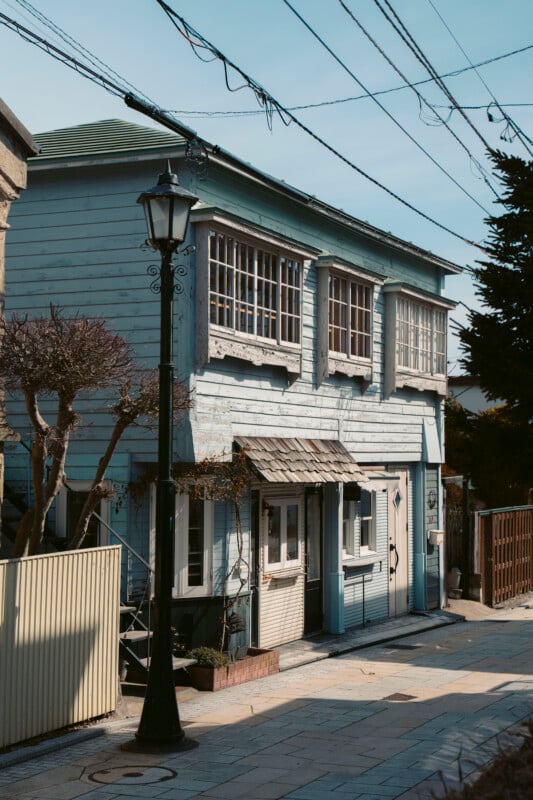
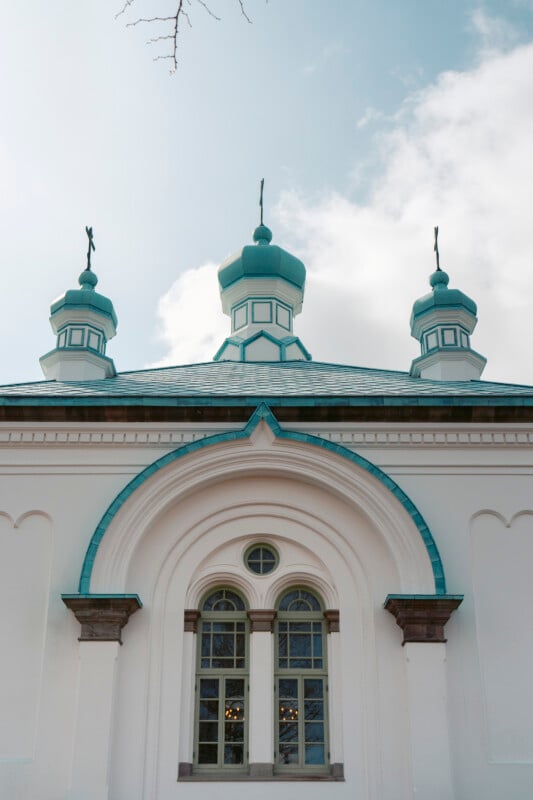
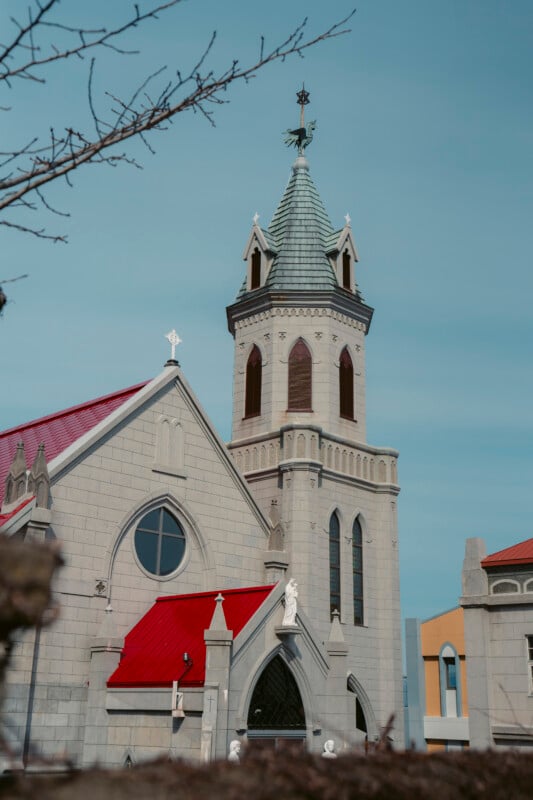
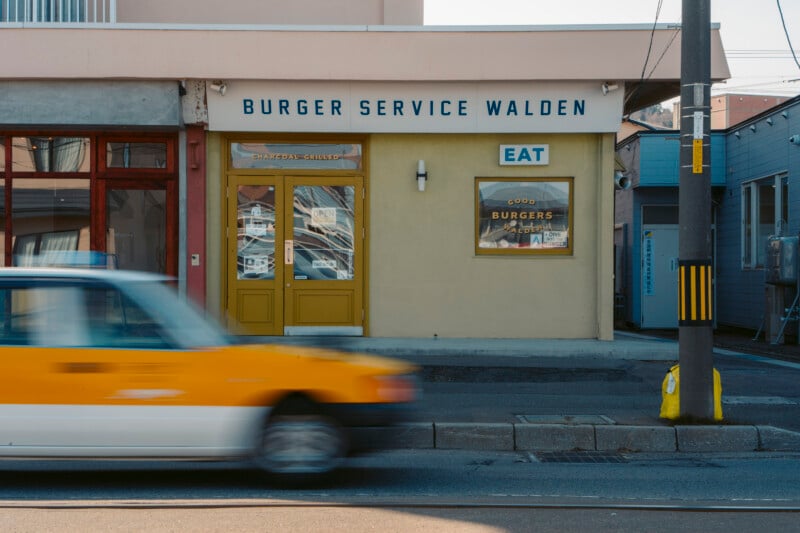
Days like this are exactly why I like having a lens like the Sony 28-70mm f/2 GM. It handles everything I need, and I only have to carry one lens with me for an entire day of walking.
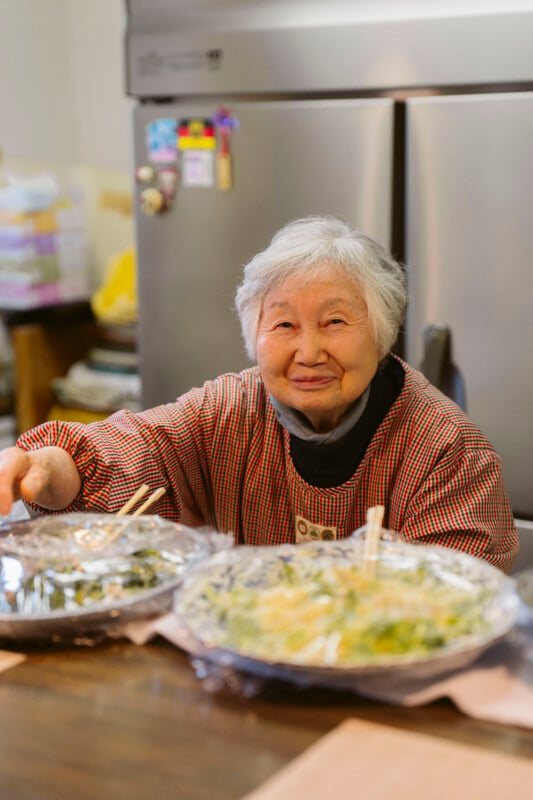
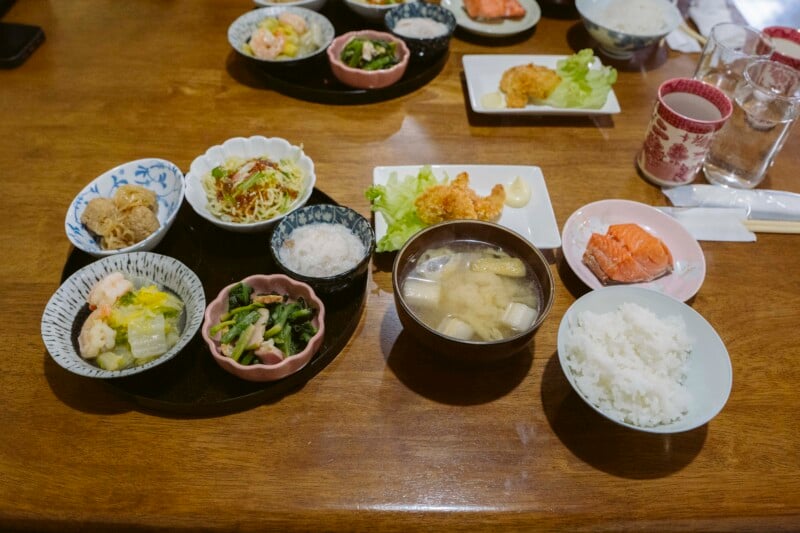
For lunch, we picked a random spot on Google Maps that was serving obanzai: a traditional style of home-cooked food from Kyoto, built around seasonal ingredients and simple techniques.
It ended up being one of the best meals of the entire trip.
Small dishes, seasonal vegetables, and fresh fish. I took pictures, not with the intention to post them, but just to have them. There’s a difference between photographing something to share and photographing something to keep, and this was something I wanted to remember for myself.
This is how I feel a lot about most of my photography actually. It is a way to preserve memories and moments that I want to remember in the future and not necessarily just to post them online.
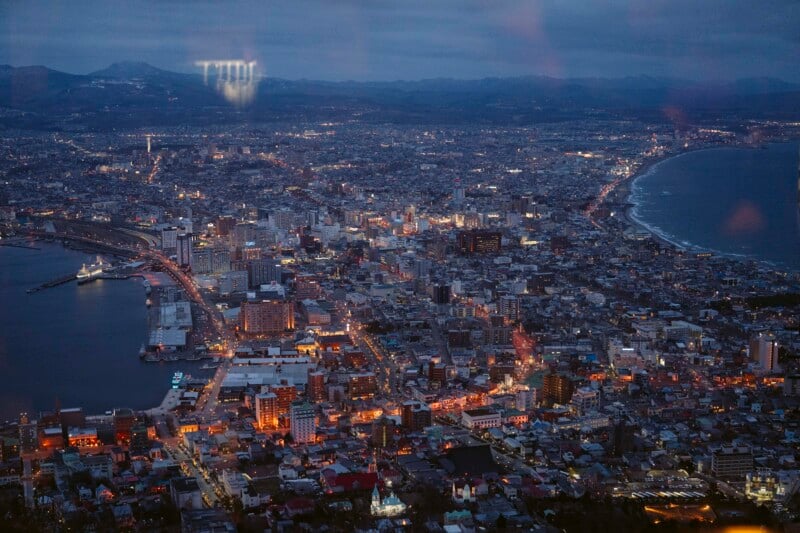
That evening, we made our way up to the top of Mount Hakodate, which is widely considered one of Japan’s top three night views. The city sits on a narrow peninsula with water on both sides and from the mountain at night, the lights form a striking hourglass shape across the dark water. I swapped the 28-70mm for the 50-150mm and had a great time with it.
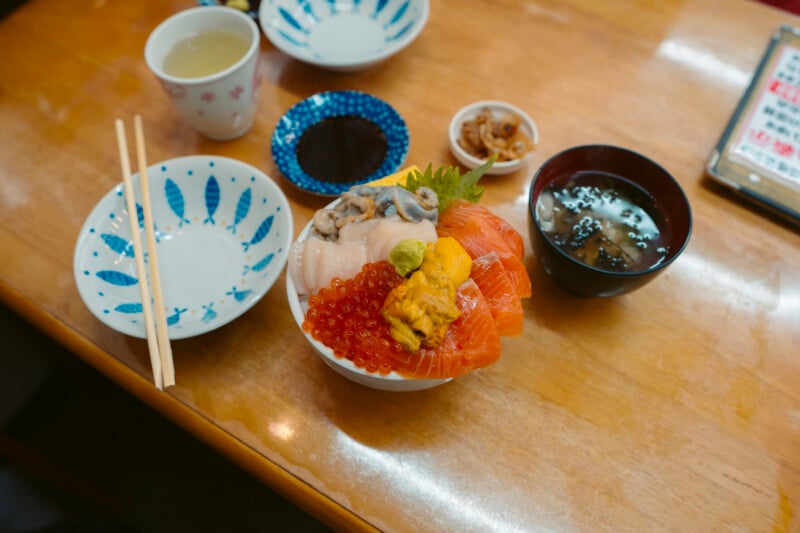
The next morning, we woke up early so we could see the local fish market, which is basically required in every city if you’re anywhere in Hokkaido. There’s a spot inside where you can fish live squid out of a tank and they prepare it as sashimi right there in front of you. It was barely 8 AM and we still sat down for our first kaisen-don of the trip.
Otaru: A Quiet Port Town
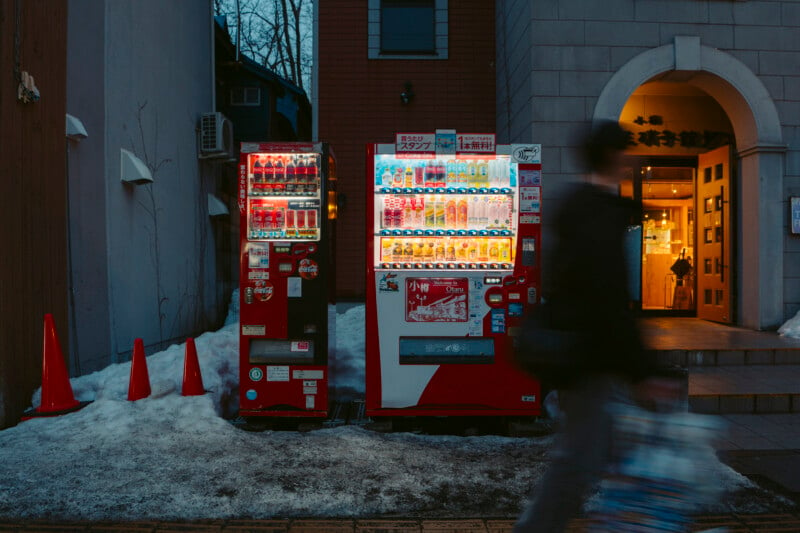
Otaru used to be one of Hokkaido’s most important port cities, but it’s much quieter these days. We didn’t have a plan for it, which felt right. We walked around and took photos until it got dark.
I don’t shoot a lot at night normally, but with the a7 V I was genuinely curious to see how the nighttime video footage would turn out. It didn’t disappoint. The low-light performance was strong, and I ended up with some of my favorite video clips of the entire trip right here in a city I didn’t really know how to describe.
Sapporo: Unfamiliar Familiarity
After another morning kaisen-don in Otaru, we boarded the train to Sapporo — our final destination before heading back to Tokyo and then home.
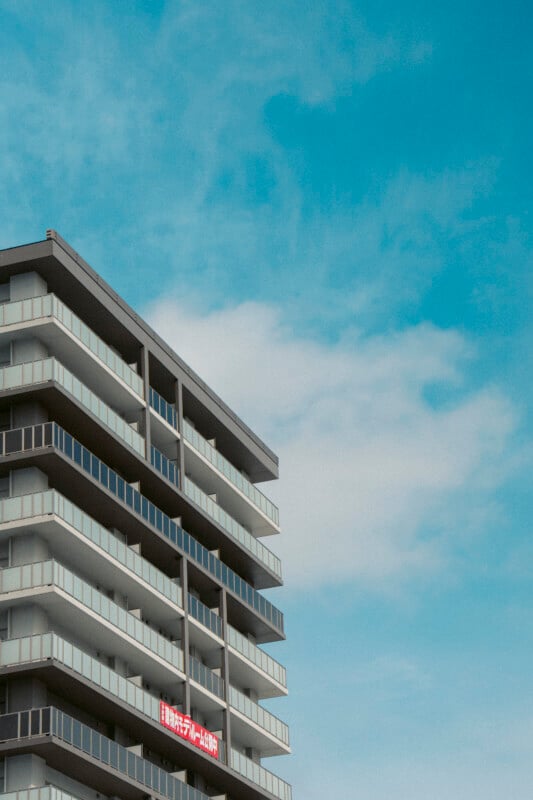
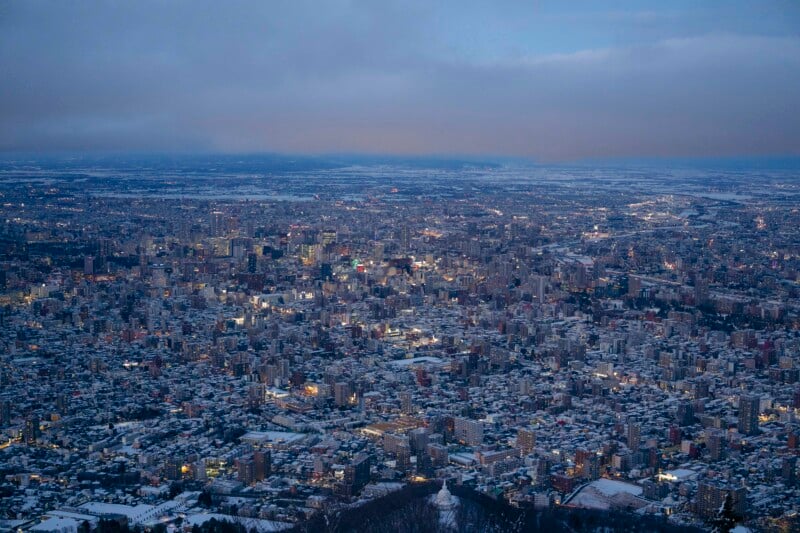
Sapporo feels like a smaller, compressed version of Tokyo. It is a proper city, with the density and energy of somewhere that has a lot going on at all times. After a week of small towns and quiet streets, it felt like landing back into the real world, but a version of the real world I hadn’t seen before.
We spent the day exploring, then made our way up to a mountain viewpoint for sunset and blue hour.
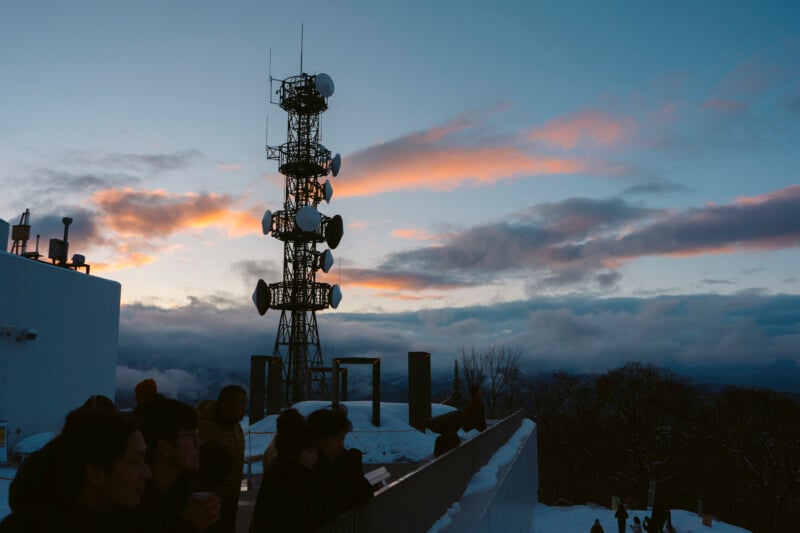
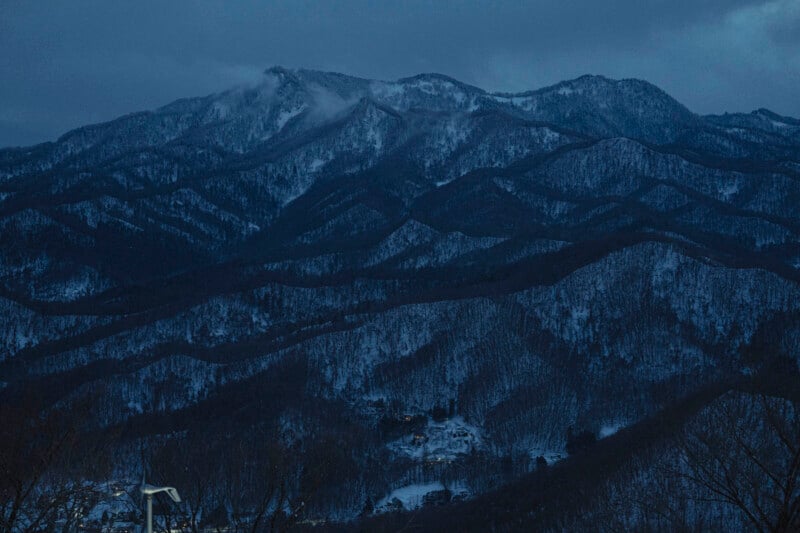
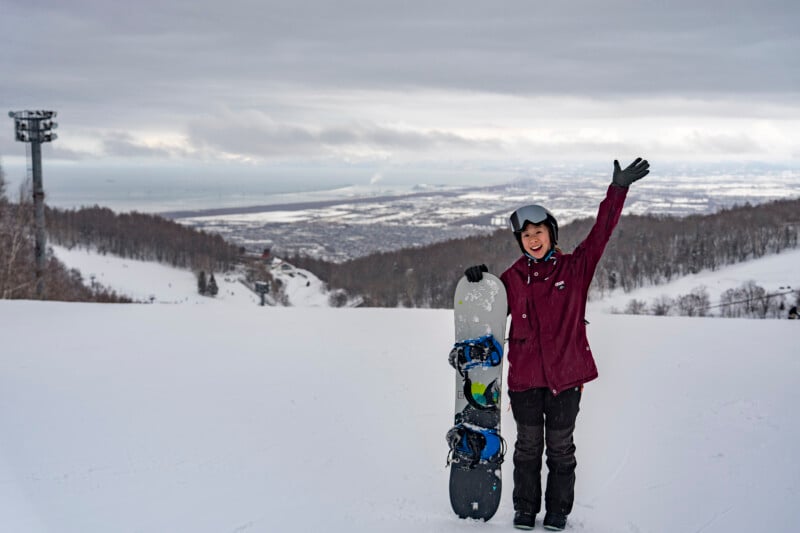
Snowboarding wasn’t originally part of the plan, but when we found out there was a small resort only 40 minutes from the city, we had to go. I only first learned to snowboard back in December, so it felt a little surreal that the second place I ever snowboarded was in Hokkaido, Japan.
The weather wasn’t the best, but the snow was spectacular. The legends of Hokkaido snow did not lie. Plus, I didn’t catch an edge once, which felt like a real win.
What This Trip Actually Was
Looking back, none of the best moments were ones I’d circled on a map beforehand. The three-noodle day in Morioka. The obanzai lunch we stumbled into in Hakodate. The sashimi at 8 AM. The snowboard day. Even the hour and a half we spent waiting in line for corn bread at the Sapporo airport on our way out was very much in the moment. You have to leave room for those things to happen.
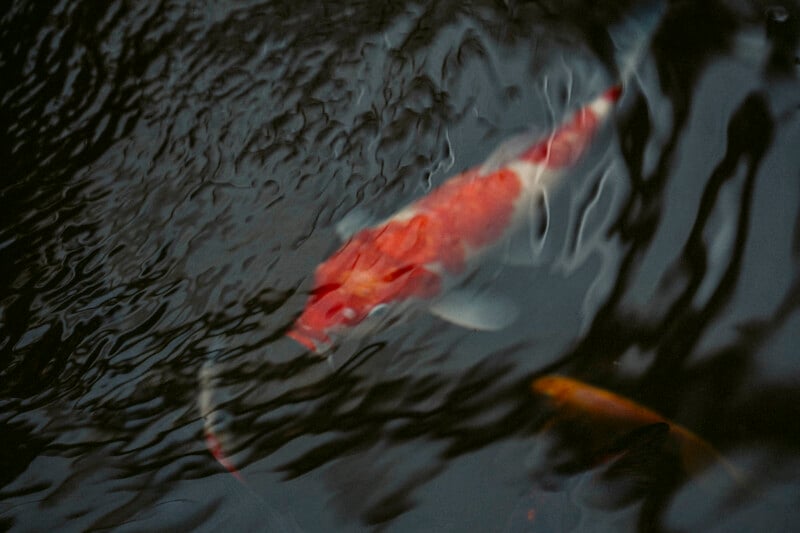
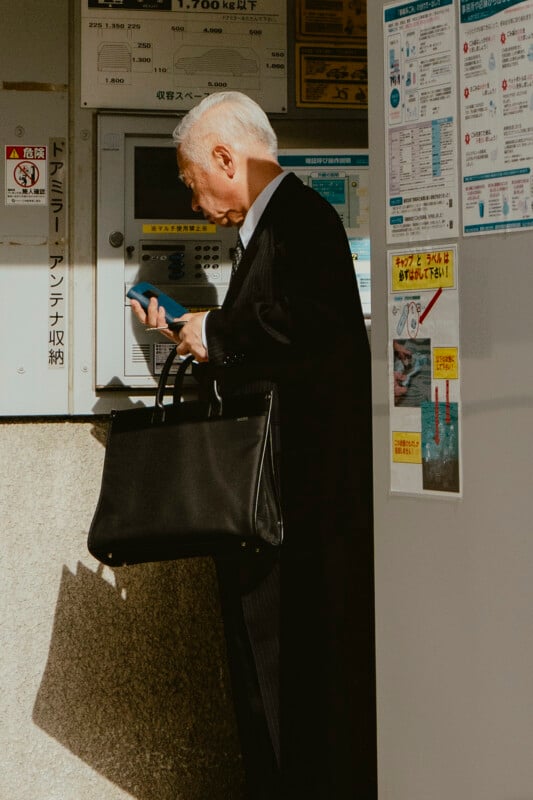
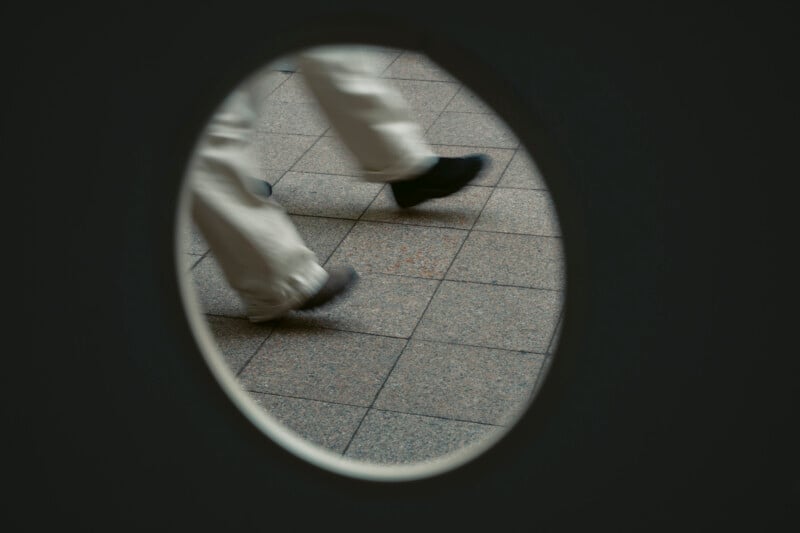
Japan is so much bigger than the version of it most people see. There’s a whole country north of Tokyo. Cities with their own food, their own history, and their own texture that the majority of visitors never make it to. Going in without a rigid plan made the discovery feel real.
When you don’t know what something is supposed to look like, you actually have to look at it.
If you’ve done Tokyo, Kyoto, and Osaka and you’re wondering where to go next… go north.
Full disclosureThis story was made possible by Sony and the Alpha 7 V. Get yours today.
Affiliate Disclosure PetaPixel articles may include affiliate links; we may earn a commission if you buy through one.