
89 Years Later, It’s Still Incredible How Good the Images of the Hindenburg Crash Are
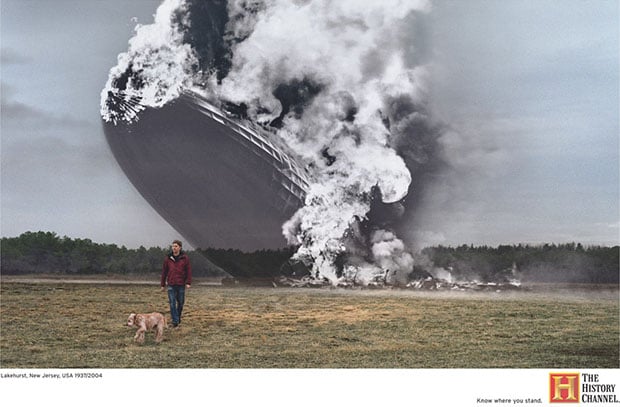
On this day 89 years ago, the Hindenburg disaster in Lakehurst, New Jersey, shocked onlookers and resulted in 35 fatalities and dozens of injuries. It was a tragedy that accelerated the end of the age of the airship. It was also remarkably well photographed, and the nearly 90-year-old pictures, both still and motion, continue to captivate audiences.
Although the Hindenburg’s fiery crash was not the first disaster caught on film, it is considered the first aviation tragedy to be captured with both still and motion cameras.
Although the Hindenburg had made 10 successful trips across the Atlantic from Nazi Germany in 1936, the ill-fated trip originating from Frankfurt on May 3, 1937, was the first one of the year. As such, it attracted significant publicity, with numerous film crews and many photographers on-site to see it land in New Jersey. As a result, it was remarkably well-documented at a time when the average onlooker did not have a camera with them.
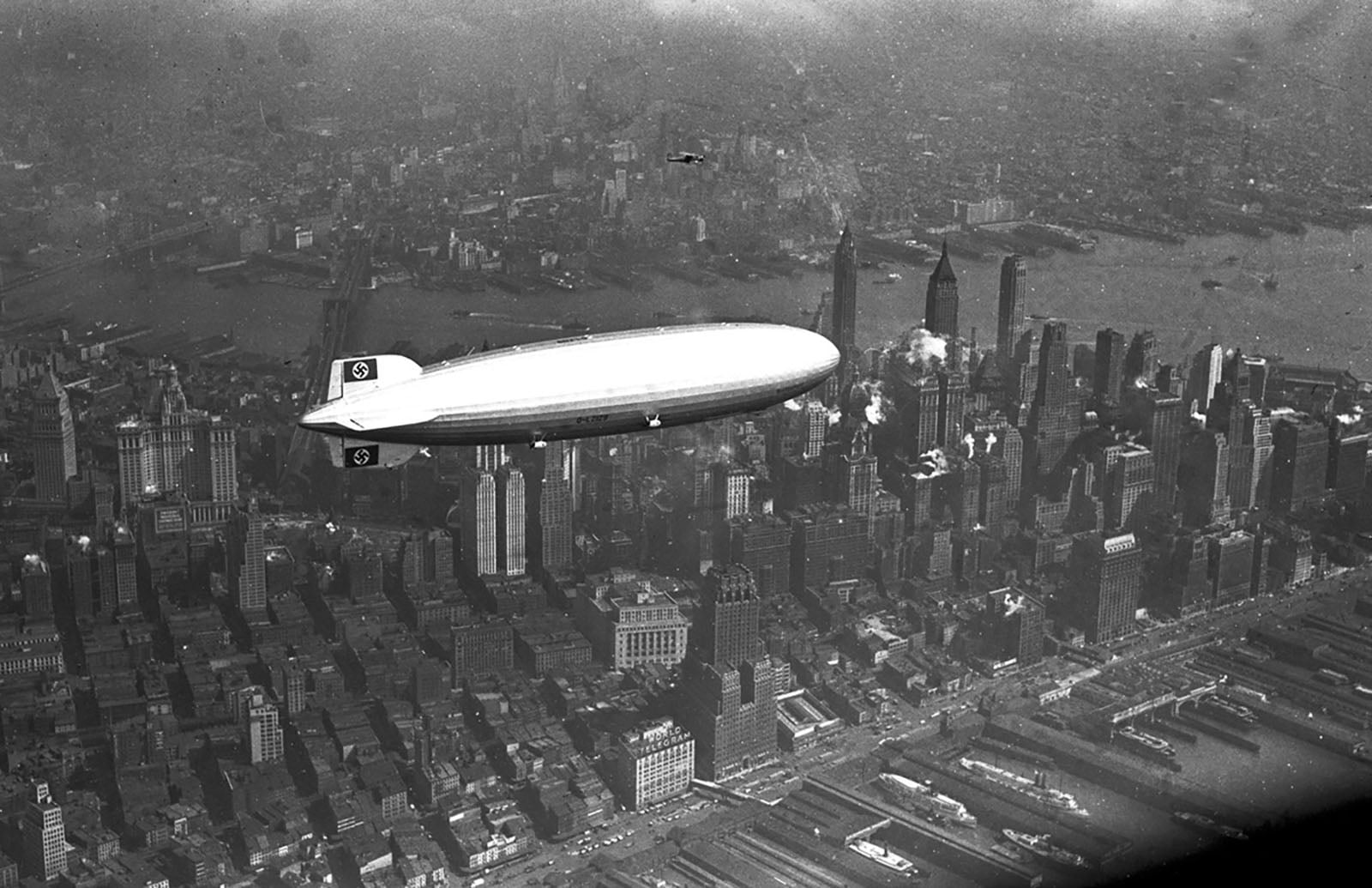
It’s easy to take for granted that just about everything that happens in front of an audience these days will be captured on smartphones, but that was far from the reality 89 years ago. Cameras were primarily a luxury item, reserved for professionals and well-heeled people. Journalist Herbert Morrison was even testing out in-the-field audio recording with an engineer during the Hindenburg disaster, and Morrison’s narration is often heard alongside footage, although they were not recorded simultaneously.
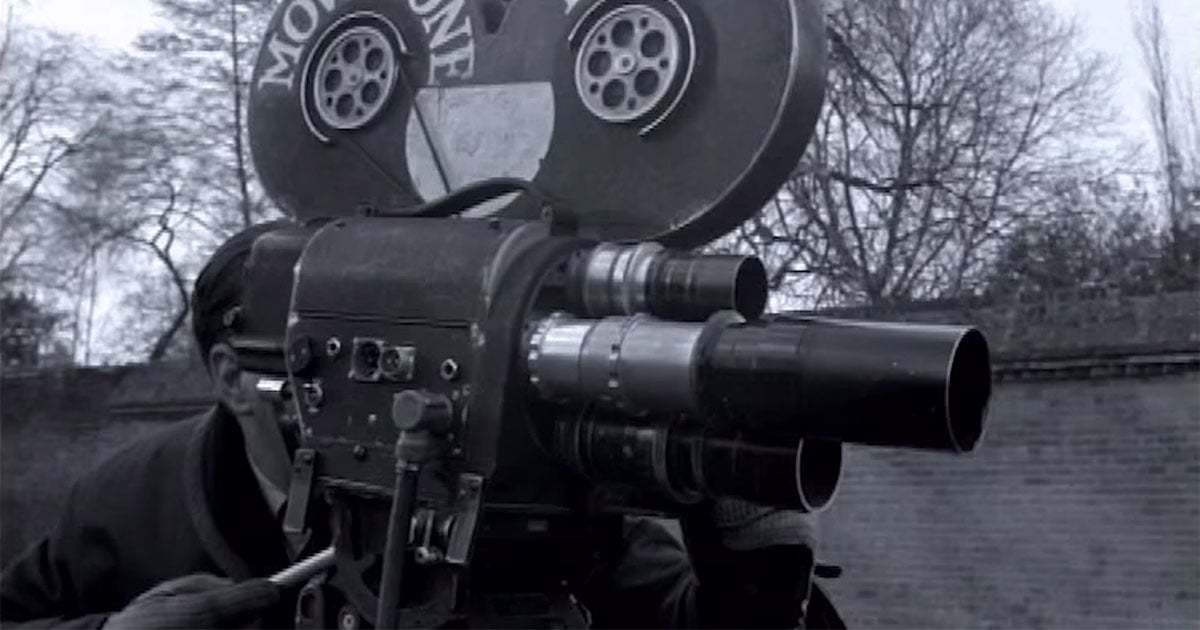
Four different news camera teams were in Lakehurst, New Jersey, on May 6, 1937, including teams from Pathé News, Hearst, Movietone, and Paramount. The well-preserved footage below from Pathé News is particularly impressive.
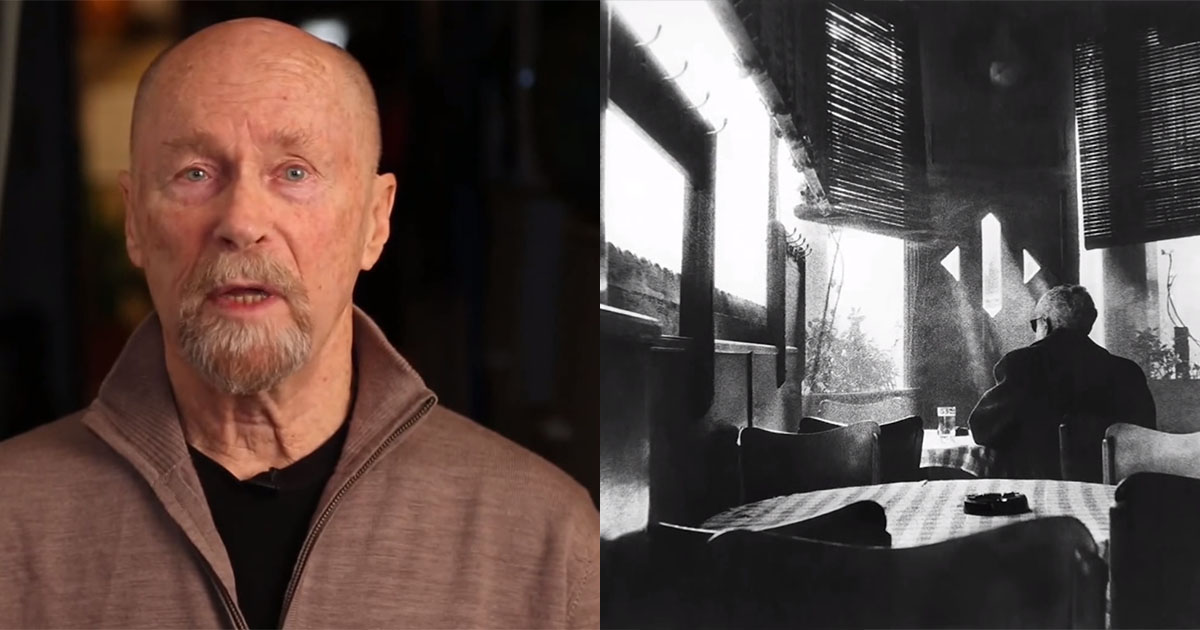
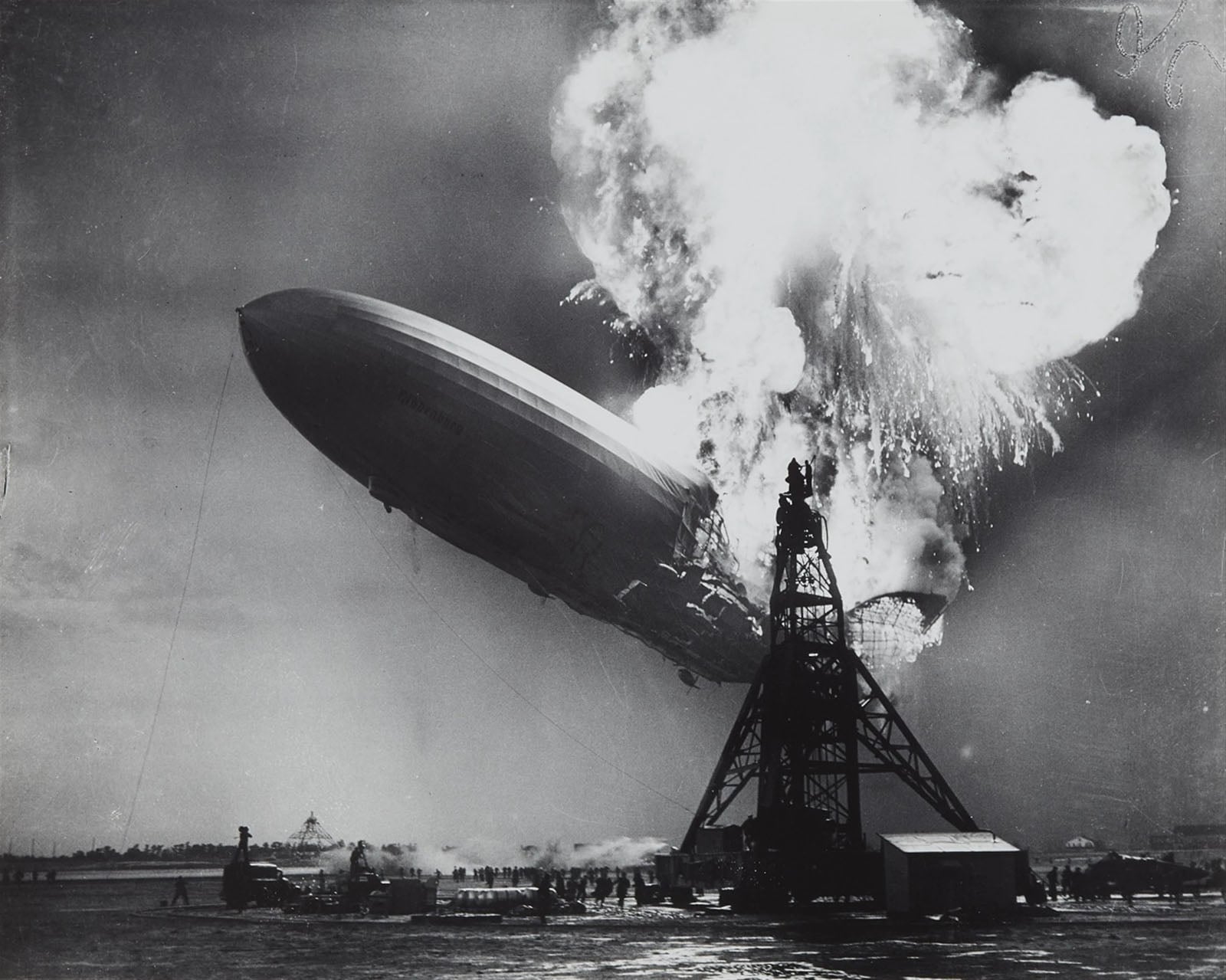
Although many photographers captured shots of the Hindenburg exploding and the aftermath, arguably the most famous one is by photojournalist Sam Shere (1905-1982) of International News Photos.
“I had two shots in my big Speed Graphic but I didn’t even have time to get it up to my eye,” Shere says, per the International Center of Photography. “I literally ‘shot’ from the hip — it was over so fast there was nothing else to do.”
Shere won the Editor and Publisher Award for best news picture for his image of the Hindenburg disaster. It is one of the most famous photos of the 1930s, and nearly everyone alive today, even 89 years later, has seen Shere’s shot. Although over 20 photographers documented the Hindenburg disaster, Shere’s photo is the definitive one.
Despite extensive coverage and eyewitness accounts of the Hindenburg disaster, precisely what happened remains debated to this day. Wide-ranging theories on the cause of the accident, or whether it was even an accident at all, were widely discussed in May 1937, and conspiracy theories persist. Was it anti-Nazi sabotage? Electrostatic charge? A gas leak? Certainty at this point is certainly doubtful, but a 2021 PBS Nova episode about the disaster, which included newly found footage, determined that it was likely a combination of a hydrogen gas leak, static electricity, and a design flaw.
There is no question that the Hindenburg disaster was just that: a disaster. It was a tragic event, likely an accident, that killed 35 people. It was horrible. But photojournalists are often tasked with documenting the horrors of reality, and it’s an essential job. On this day in 1937, photographers like Sam Shere captured important history as it happened. Photos are time machines, and they don’t only capture the good moments. Arguably, the bad ones are even more important to document.
Image creditsSam Shere, Associated Press
Affiliate Disclosure PetaPixel articles may include affiliate links; we may earn a commission if you buy through one.