
The FCC Is Hearing Public Appeals to Its Decision to Ban Foreign Drones
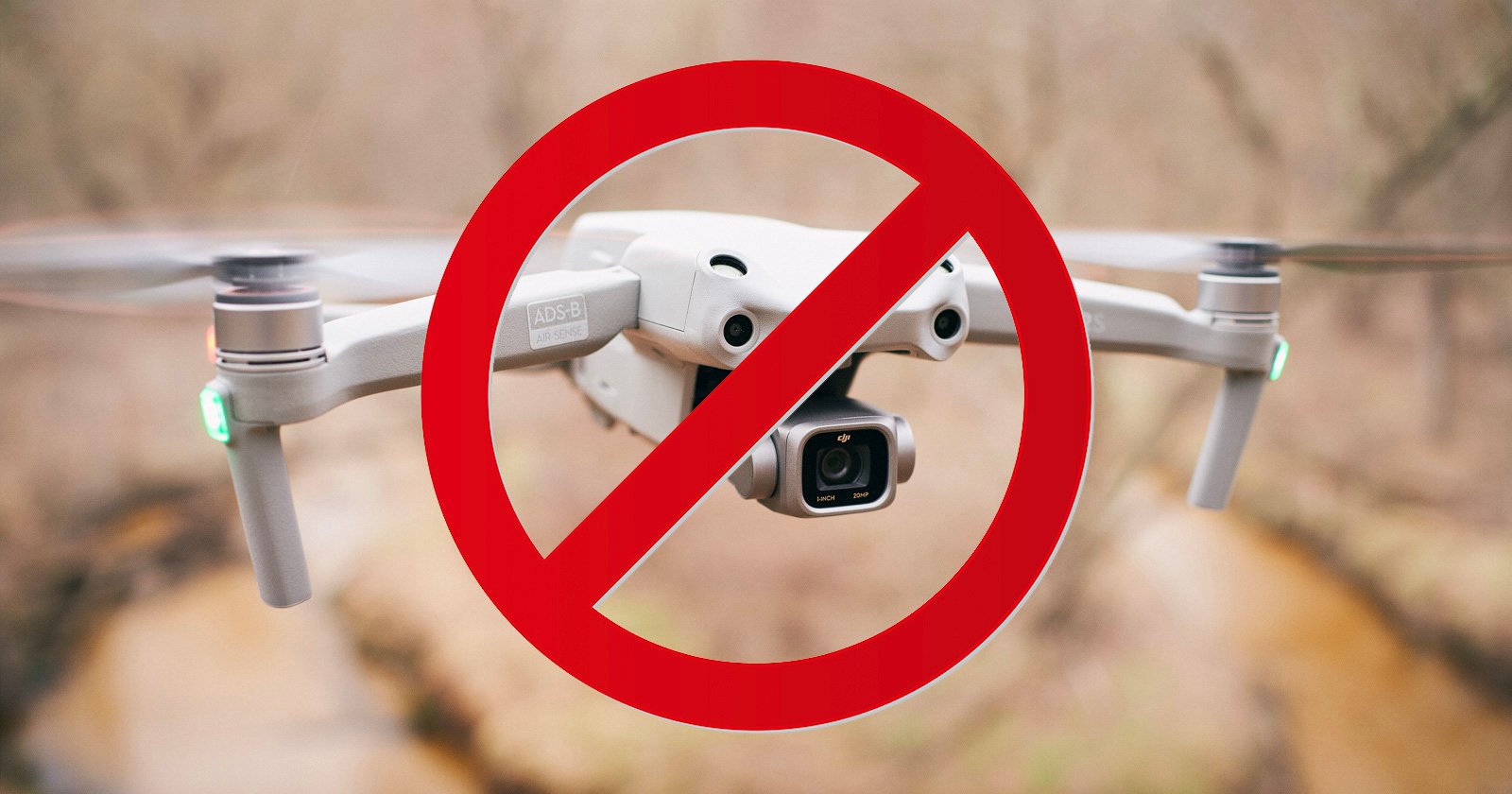
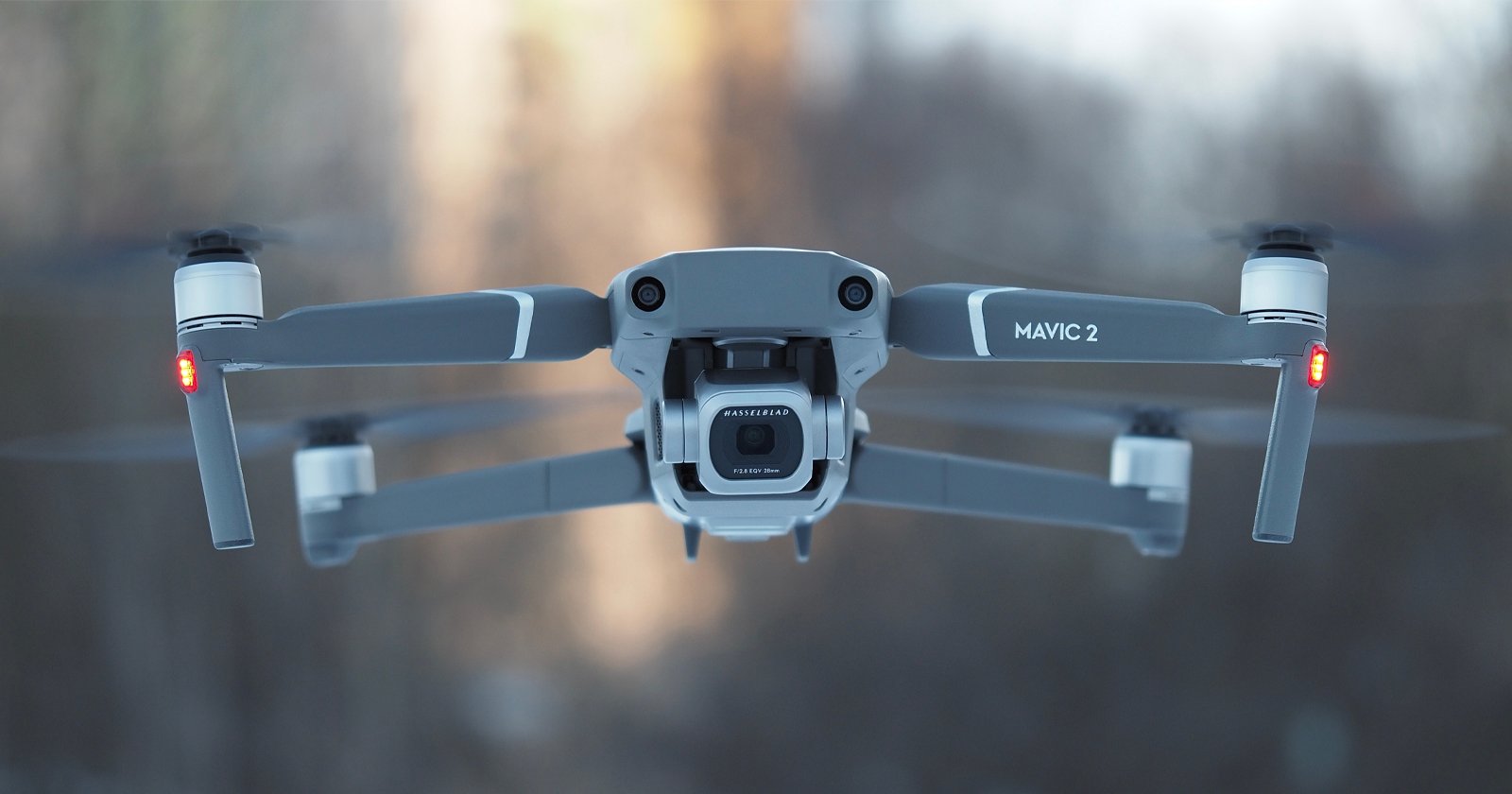
Last year, the Federal Communications Commission added all foreign-made drones to what it calls the “Covered List,” effectively banning drones produced outside of the US — that includes DJI. DJI sued, of course, and now the FCC is hearing public appeals to its decision.
The FCC says it made this decision because it believes the move will “greatly enhance public safety and innovation.” The FCC added that “criminals, hostile foreign actors, and terrorists” can use unmanned aircraft systems — drones — to “present new and serious threats to our homeland.” As PetaPixel reported at the time, it was not strictly an FCC move, as it builds upon President Trump’s new Restoring American Airspace Sovereignty Executive Order issued last June.
“DJI is disappointed by the Federal Communications Commission’s action today to add foreign‑made drones to the Covered List. While DJI was not singled out, no information has been released regarding what information was used by the Executive Branch in reaching its determination,” DJI said at the time.
“The listing… causes great harm to DJI and its customers. It carelessly restricts DJI’s business in the U.S. and summarily denies U.S. customers access to its latest technology, while users elsewhere continue to benefit. Americans across industries—including small business owners, public safety officers, farmers, and creators—have been and will continue to be affected, losing access to the tools they rely on to make a living and save lives,” the company said after it sued in response.

It’s hard not to sympathize with DJI, which has done everything it can to abide by the rules. In late 2024, DJI was put on a list to undergo an audit of its products and security in order to remain able to legally operate in the U.S. That audit never happened, despite DJI pleading with the relevant agencies to start the audit multiple times throughout 2025.
“DJI takes the security of its products very seriously. The company has long advocated for independent, objective review of its products. As part of our commitment to the U.S. market and our customers across numerous industries, we will continue to engage constructively with the FCC and other stakeholders,” DJI said last year.
It seemed that rather than perform the congressionally mandated audit, the U.S. agencies decided to just let the clock run out — and run out it did.
While DJI is the biggest name affected by the FCC’s decision, it is not the only one.
“Most foreign manufacturers are impacted, including the two biggest drone manufacturers used by hobbyists, amateurs, and small businesses. This means that Americans will be locked out from the next generation of industry-leading drones and even things like cameras and microphones produced by those companies,” The Drone Advocacy Alliance writes.
“Think of what this means for American drone users: no new life-saving tools, no breakthrough agricultural technologies, and inspections and other tasks currently completed with drones could take longer, cost more, and even put people in harm’s way. Meanwhile, other countries across the globe – including our neighbors Canada and Mexico – will continue to have access to the latest and greatest technology, putting us at a disadvantage.”
The Drone Advocacy Alliance and DJI both urge consumers to share concerns over this move directly with the FCC, which is now soliciting feedback.
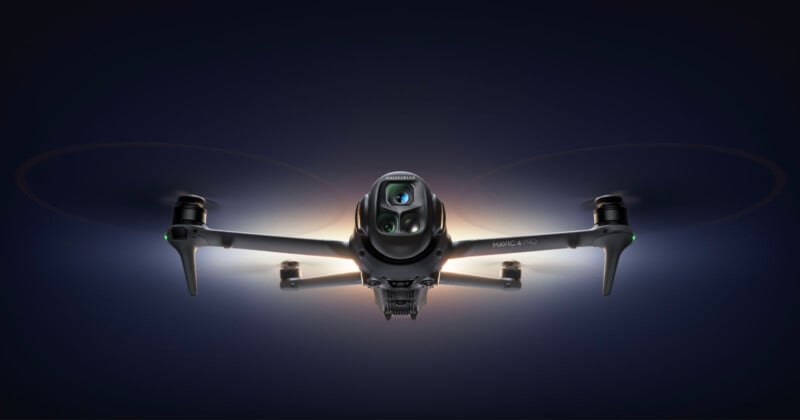
“We encourage all US-based drone users – from public safety agencies and small businesses to hobbyists – to share their experience on how DJI drones impact their work, business, community, and daily life,” DJI tells PetaPixel in an email.
“From now until May 11, a formal review process and review is accepting comments from people to share how restrictions will impact our safety operations, our businesses, and our communities,” the Drone Advocacy Alliance explains. “It is also important to note that you don’t have to be a drone expert to submit a comment to the FCC. You simply need to be able to share your story with drones. Sharing why you use the drones you use and how you, your family, your business, public safety, etc. will be impacted by the FCC’s decision is an easy way to get your point across.”
Those interested in submitting comments to the FCC can do so via fcc.gov/ecfs/filings/express and type in 26-22 when asked for a Proceeding Number. After that, click the name “In the Matter of SZ DJI Technology Co., Ltd” and fill in the requested details. Additional resources and information about filing a comment can be found on the Drone Advocacy Alliance website.
Image creditsHeader photo licensed via Depositphotos.com. All others via DJI.
Affiliate Disclosure PetaPixel articles may include affiliate links; we may earn a commission if you buy through one.