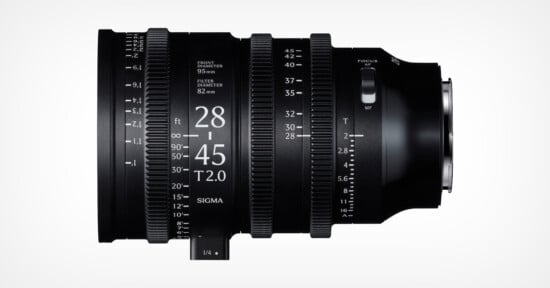
Just How Good is the Sigma BF’s Autofocus Tech?
It started with an offhand question during a casual conversation: Can the Sigma BF autofocus keep up with the demands of wildlife and sports photography?
Obviously, the Sigma BF design with its sharp edges and tiny body is woefully inequipped to handle large lenses. But the tracking autofocus blew us away with how sticky and capable it was when we first tested it, and this unsolved mystery would not go away. To be fair, I was only testing it as a street and travel camera, a situation where it nailed focus adroitly, but we all wondered if it could handle something more demanding?
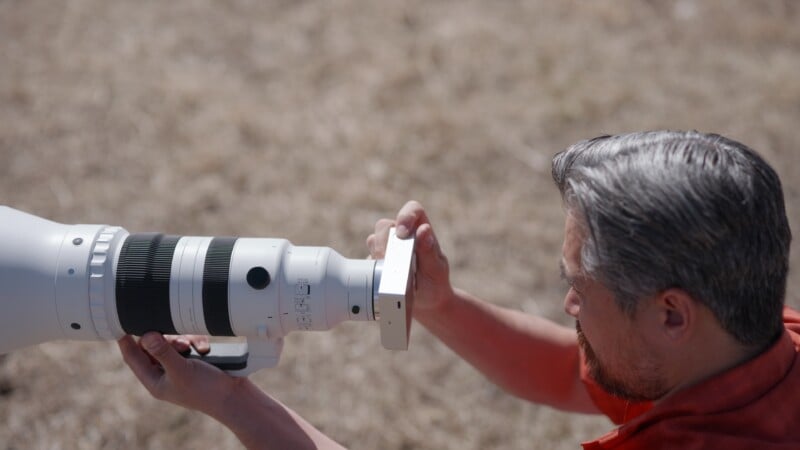
I mounted the excellent Sigma 300-600mm f/4 DG OS Sports lens to two cameras for this test: the Sigma BF, which was awkward to use in the extreme, and the far more reasonable Panasonic S1 II. The Panasonic S1 II is easily the most capable and well-suited L-mount camera for sports and action, and it has a sophisticated autofocusing system that can be configured for a given situation. The Sigma BF, on the other hand, has a very simple setup, with basic human and animal detection modes, and no way to alter AF behavior or response.
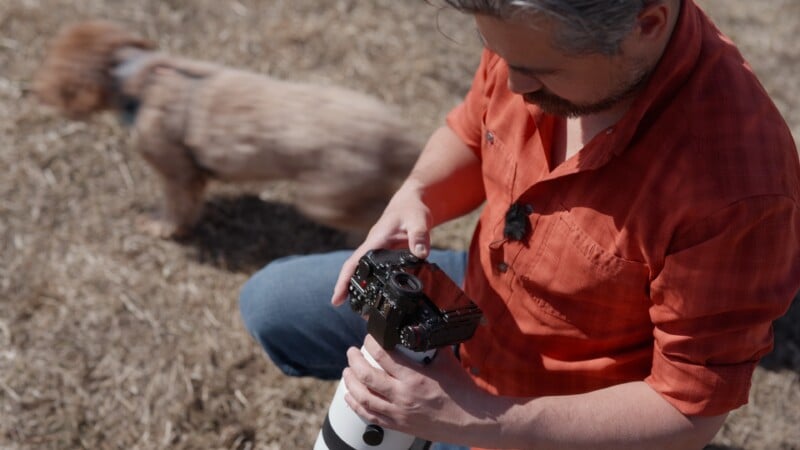
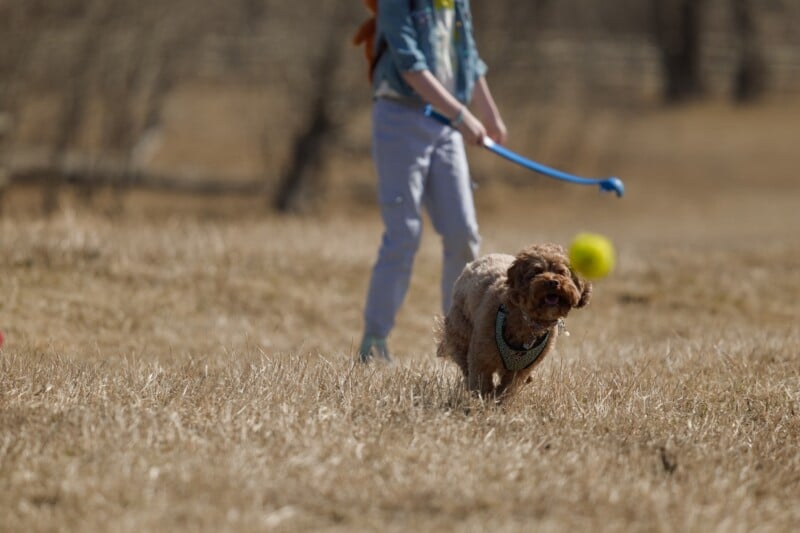
I wanted to try the autofocus out on some wildlife in the area, but the predictability of finding animals this time of year is tricky. Then I remembered that I have a dog, so it was off to the local dog park to get some running tests. My dog, Penny, is quite small and blends in with the warm-tone grasses in the area, so the test should be quite challenging. Jordan Drake also offered to provide us with one of his now-famous running tests, which would certainly give us a good human target to test as well.
The Panasonic S1 II Tests
Let’s start the testing with the Panasonic S1 II. I configured the camera to acquire and track a subject in the most locked-on fashion. Panasonic has a decent autofocusing system, but I don’t find the hit rate to compete with the “big three” manufacturers in Sony, Canon, and Nikon. That being said, the 24-megapixel stacked sensor and hybrid phase-detect AF in the S1 II are capable of tracking fast-moving subjects.
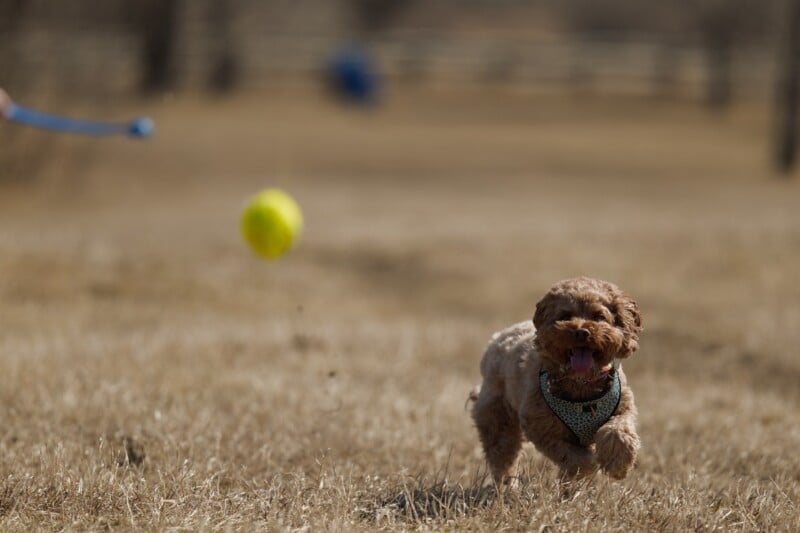
The shots of Penny started in focus, with clear depictions of the eye detection at work. I shot rapid sequences at five and eight frames per second, and found the results to be fairly consistent.
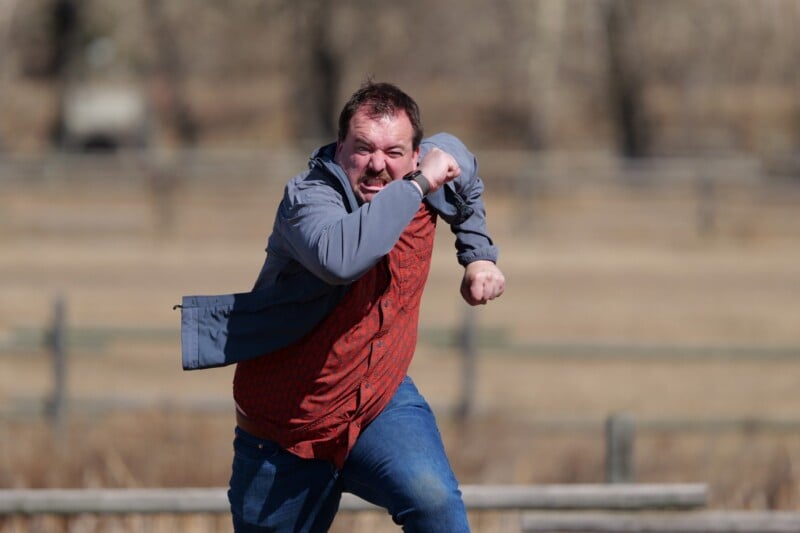
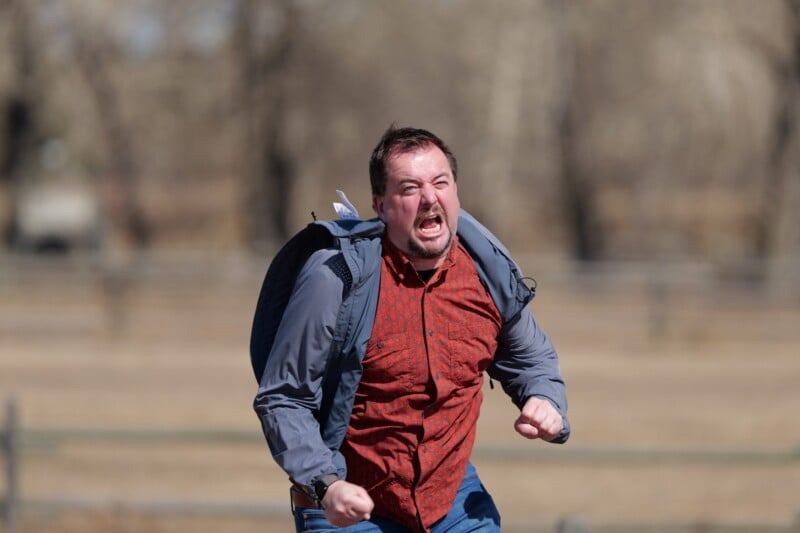
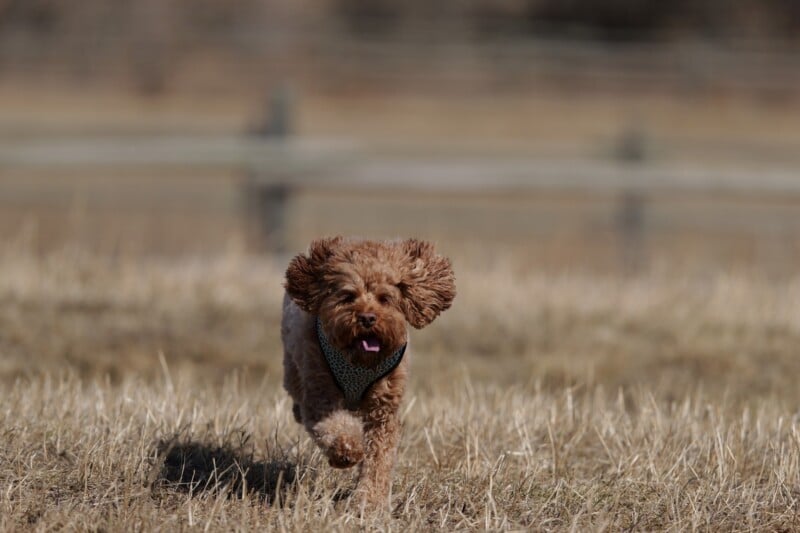
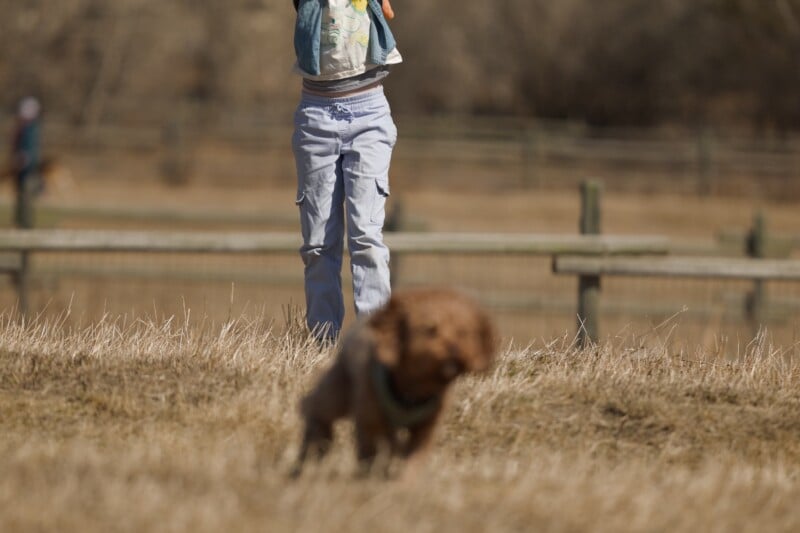
The tests of Penny proved to be difficult for the camera, with erratic movement and changes in speed causing some missed frames to happen. However, the S1 II was usually able to require focus within a few frames and keep tracking. It never lost focus by switching to the background instead, and the human results were very consistent. Most importantly, the results were predictable over multiple tests, and I could tweak responsiveness settings and focus area modes to suit different scenarios.
Let’s also remember that the S1 II provides an excellent EVF to follow along with the action, and the grip and weight are well-suited to the larger telephoto lens. Clearly, the S1 II is solid tool for the job.
The Sigma BF Tests
On to the meat of what we wanted to test. The Sigma BF only allows for a few autofocus area options and, in particular, it was the single point tracking that most impressed me when I first reviewed the camera. The Sigma would effortlessly lock on to any object and follow it continuously throughout the frame. This was great for focusing, recomposing, and also changing distance, and gave me a confidence-inspiring experience.
It honestly reminded me of the amazing Real-Time tracking of the Sony cameras, and was so successful to use that it inspired us to wonder about this crazy experiment in the first place.
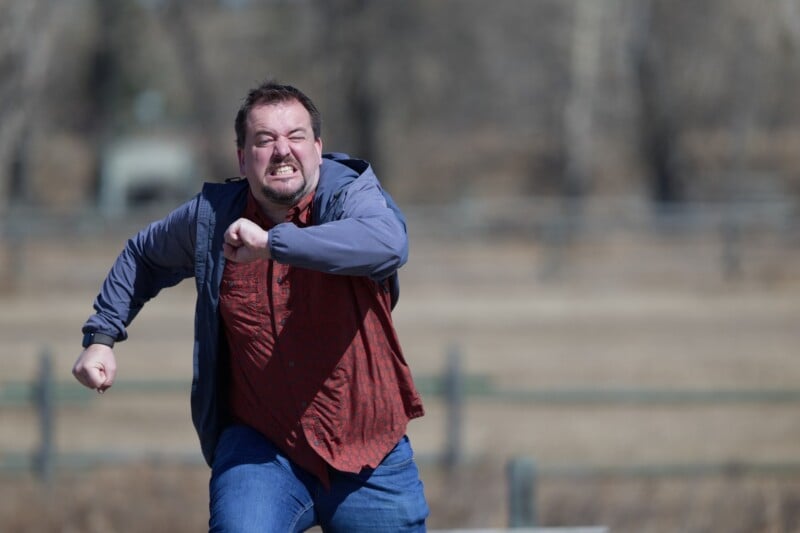
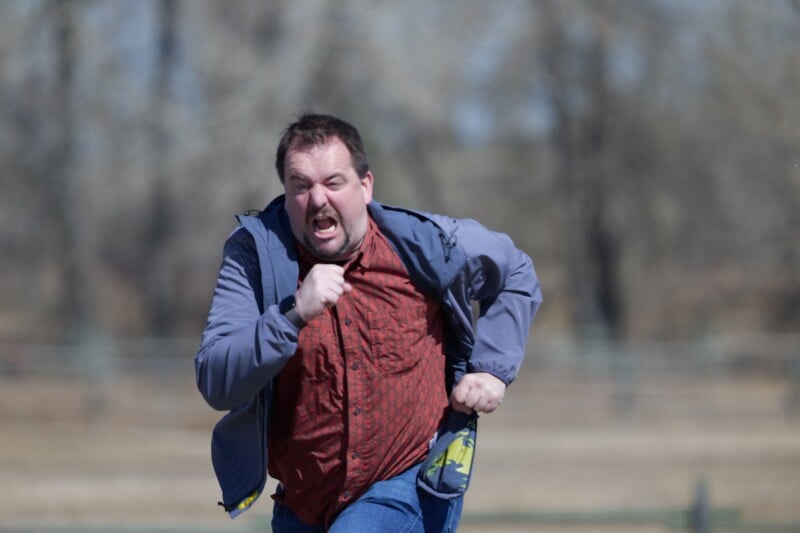
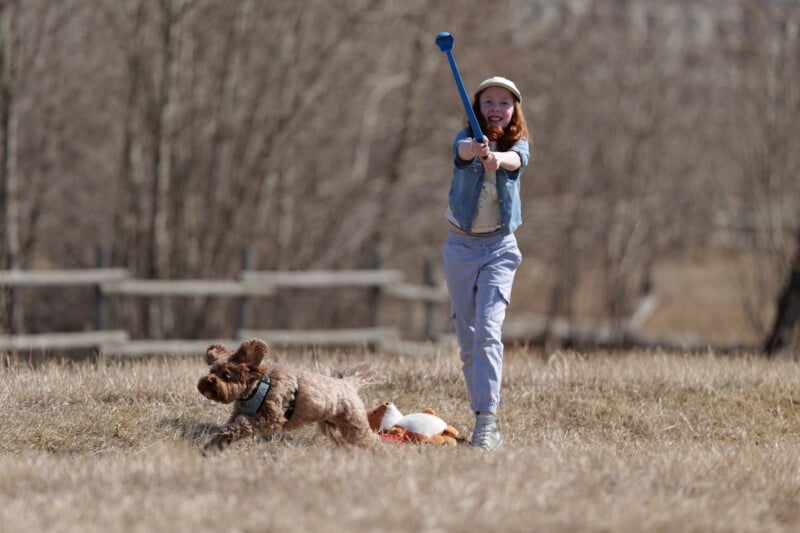
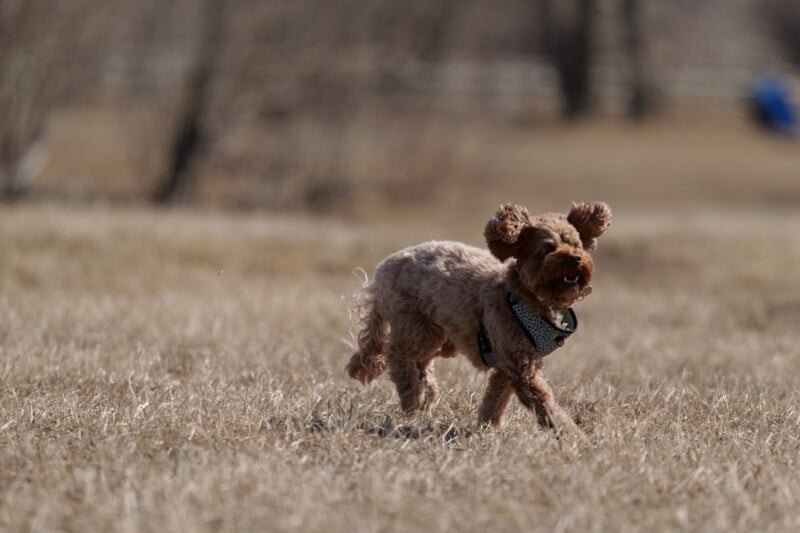
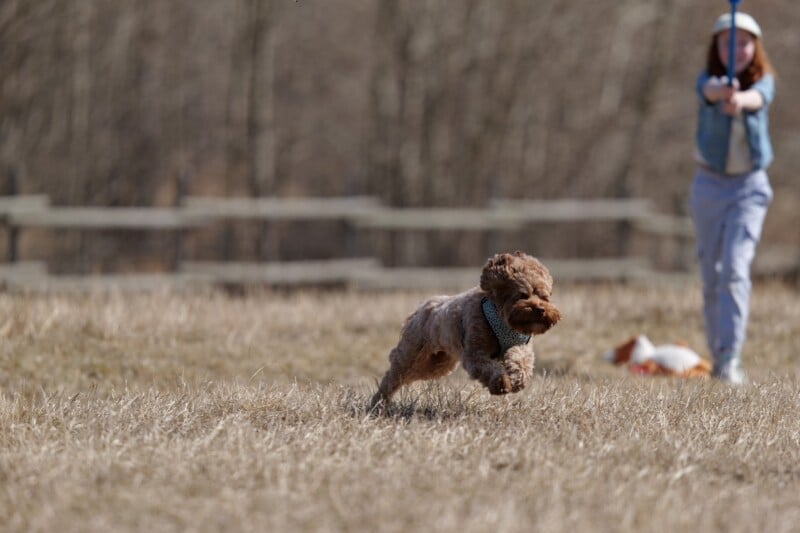
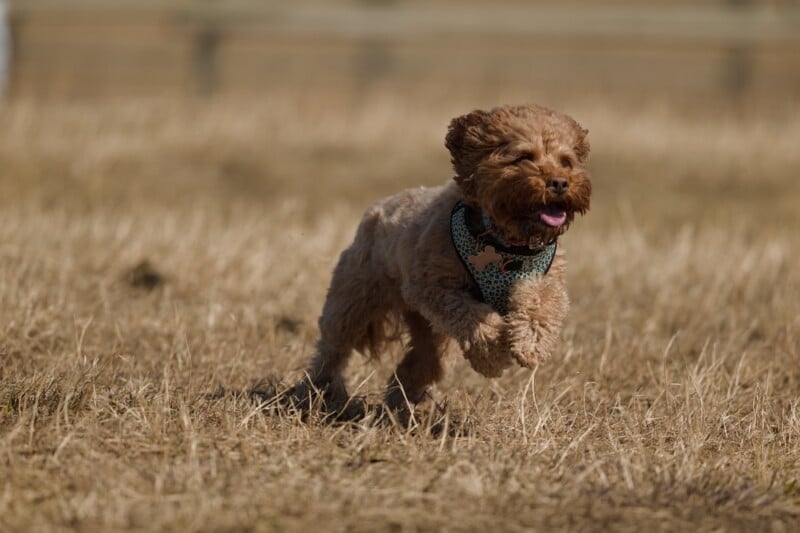
However, I did start to see the cracks when putting the system up against a more difficult scenario: my erratic moving dog. The Sigma BF acquired eye detection on Penny very easily, and would instantly switch to body detection if needed. It would certainly handle a few shots in a row without issue, but would often lose the subject when a quick direction change happened.
On some runs, the hit rate would rival the Panasonic results, but only when Penny ran directly towards the camera. Often, it would lose focus at similar times to the Panasonic but would have more difficulty reacquiring the dog.
It did a much better job with Jordan, though, and tracked him running with only a few missed frames. Perhaps people are easier to track because of the extra contrast and cleaner backdrop, because both cameras were far more successful in this test. I think that the BF also struggles with getting focus right on the target. Often, the subject focus would be close, but also slightly behind the subject.
Future Potential
The most telling part of this experiment was the fact that the Sigma BF begins with such a strong base going forward. I think it has a lot of potential as a starting point for future developments, and Sigma’s CEO has said he has an interest in making a more serious professional-level body to make use of its longer telephoto lenses.
The current system has no issue with casual photography, portraits, and street or travel photography. If Sigma can add meaningful updates to its animal-detection algorithms and a way to customize the autofocusing for more specific shooting scenarios, I think it will have a strong contender for more demanding photography, and could even put serious pressure on Panasonic to improve its focusing technology.
Affiliate Disclosure PetaPixel articles may include affiliate links; we may earn a commission if you buy through one.