How Novachips Keeps its Memory Cards Affordable, Fast, and Reliable In a World of Skyrocket Prices
As memory card prices worldwide soar due to global flash shortages, Korean flash memory company Novachips is working diligently to keep prices stable and ensure that professional photographers and videographers can afford the high-quality, reliable memory cards they need.
Disclosure: This story is brought to you by Novachips.
Tightening flash memory supply has had a dramatic effect on prices across a wide range of products, including SSDs, RAM, and memory cards, especially CFexpress formats. Several major memory card makers have hiked their prices in response, with some CFexpress memory card prices more than doubling, which hits creators hard. Cameras and accessories are already expensive enough as it is.
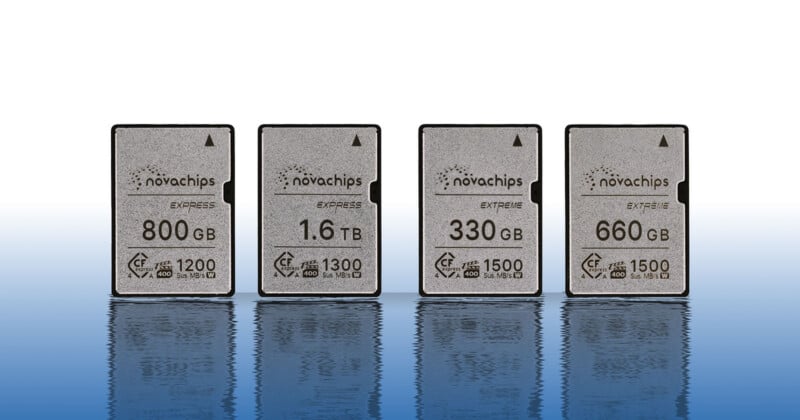
In an industry where everything feels like it’s getting much more expensive, often prohibitively so, Novachips is keeping memory cards affordable without compromising any performance or reliability.
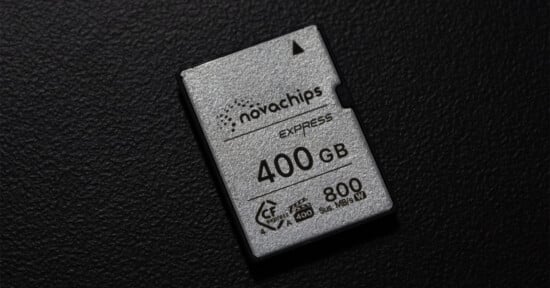
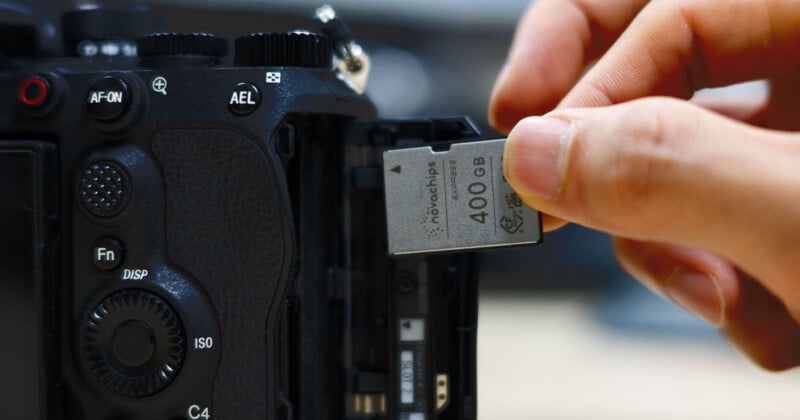
Novachips has successfully kept its memory card prices relatively stable despite significantly rising costs and economic pressures. For example, the company’s excellent VPG400-certified CFexpress Type A 400GB memory card launched last September at a very competitive, aggressive $140 price point. While rising costs have forced Novachips to raise its price, it is still just $189, sometimes even less, which is not only a relatively modest price hike but keeps the card priced well below its competitors.
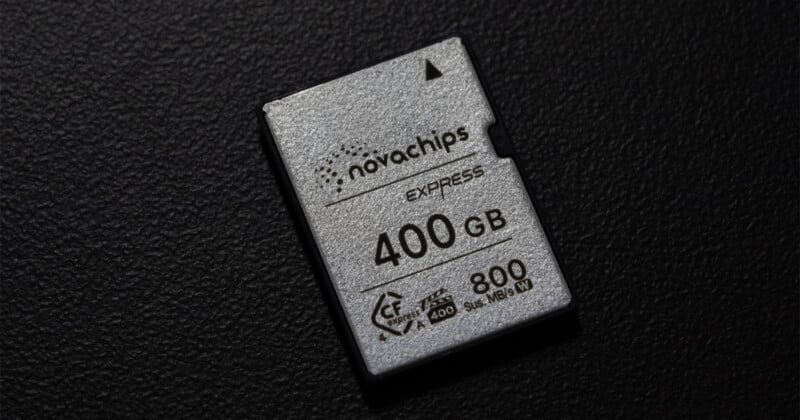
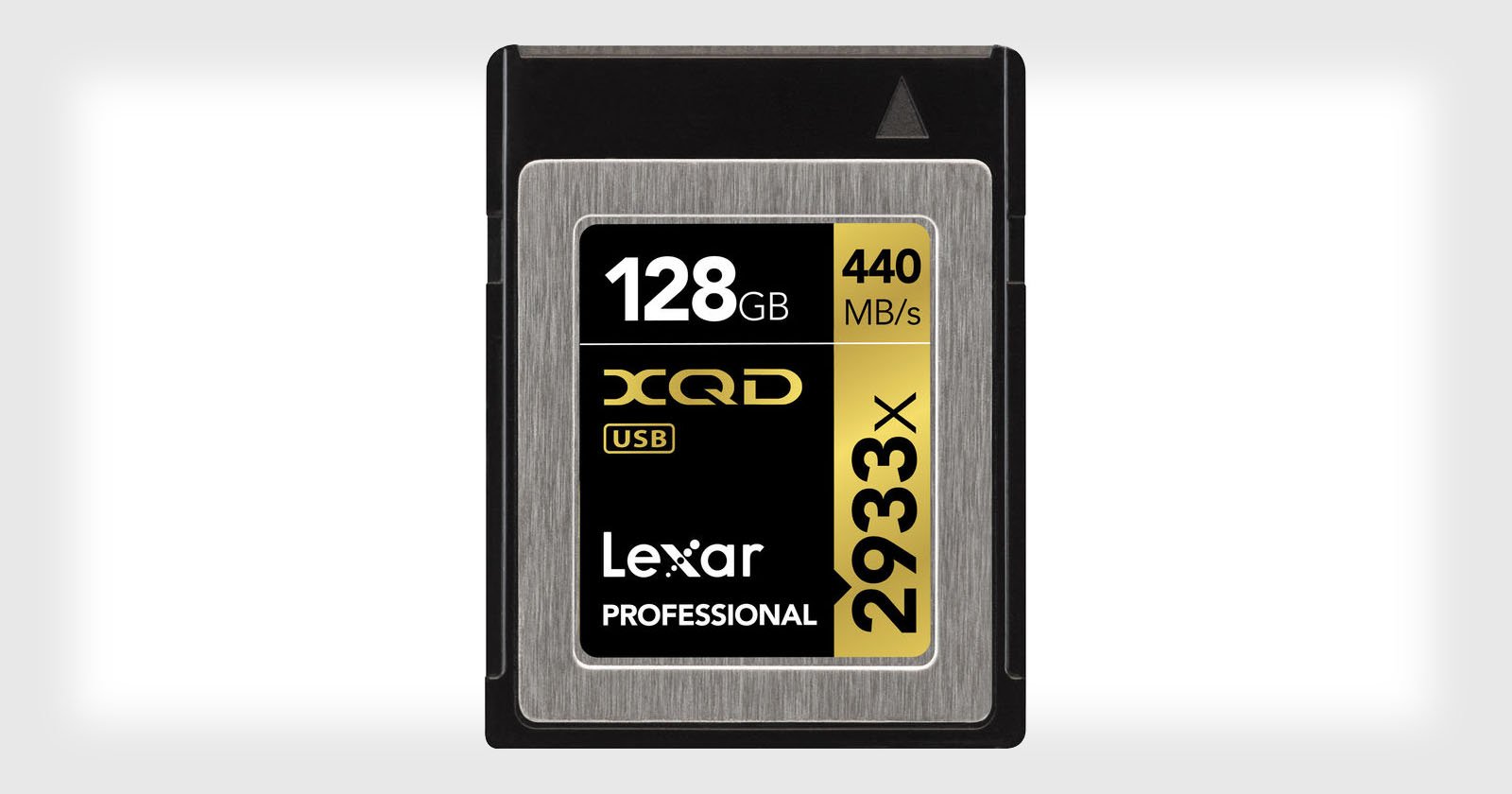
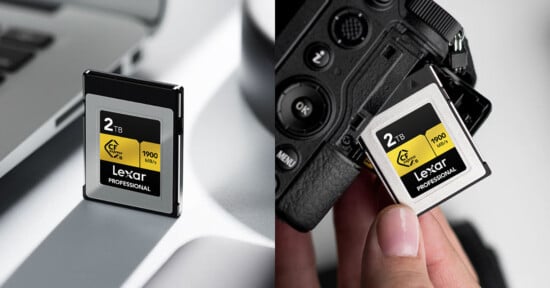
Sony’s 240GB CFexpress 4.0 Type A card, which has the same VPG400 rating and 160GB less capacity, is $240, for example. The company’s 480GB card is $360. The Lexar 512GB VPG400 CFexpress Type A card, which has over 20% more storage than Novachips’ offering, is $450, nearly 2.4 times more expensive.
Even with the minor price increase, Novachips’ CFexpress cards remain the most affordable high-performance options on the market. The CFexpress Type A 800GB card launched at $262 and is now priced at $299. On the CFexpress Type B side, the company’s 500GB card launched for $130 and is now $149, while its CFexpress Type B 1TB memory card has increased from $250 to just $279. At some retailers, the prices are even lower than that.
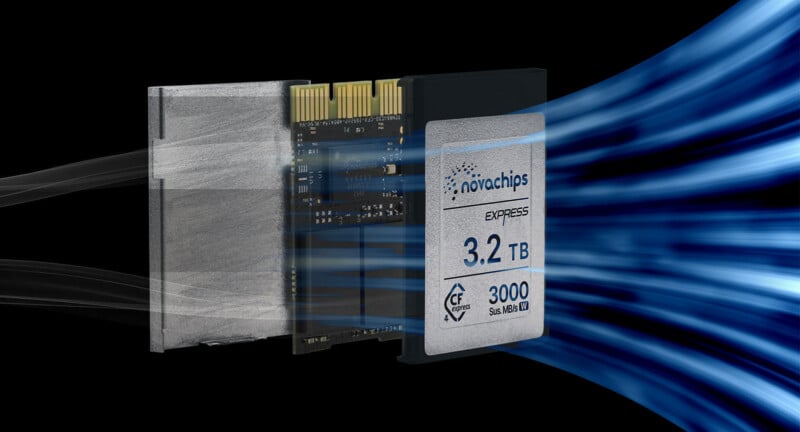
As for how Novachips has kept its prices relatively steady, when its prices were already very competitive, the company credits its strong relationships with flash suppliers, lean operations with minimal retail and marketing overhead, engineering decisions focused on sustained card performance rather than headline-grabbing top speeds that are often inconsistent in real-world use, and its commitment to positive long-term relationships with professional creators.


“Costs did rise, and we’re not pretending otherwise,” Novachips says. “The difference is how you respond.”
“We chose controlled increases rather than using the shortage as a reason to dramatically reset pricing,” the company continues.
Novachips says that memory cards are core, essential tools for content creation and production. If the company cut corners on product performance or made its cards unaffordable to a broader group of users, it would directly affect its core audience’s ability to work and earn a living.

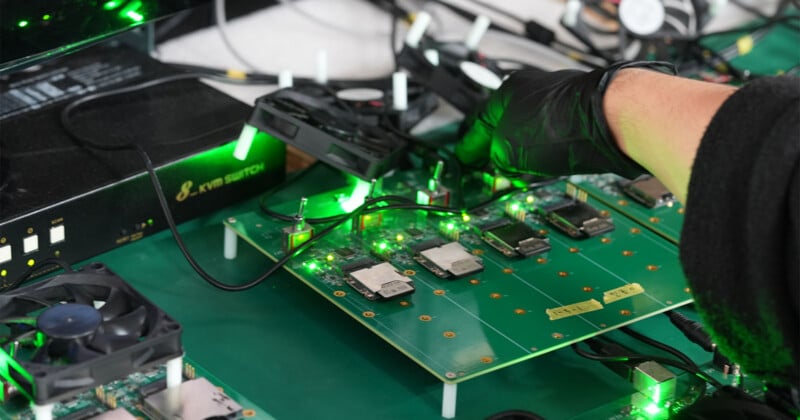

“Professional performance shouldn’t be locked behind premium pricing,” Novachips says. “Our focus is real-world reliability — sustained speed, thermal stability, and consistency.”
It would have been very easy for Novachips to increase its memory card prices by much higher amounts, as many of its competitors have done in response to rising material costs. However, the company, comprised of flash storage and professional imaging veterans, has always been committed to making reliable, stable, and high-performance memory cards at accessible prices. While delivering on these promises is admittedly more challenging in the current economic climate, Novachips remains fully committed to its core mission and will not abandon its values.
Disclosure: This story is brought to you by Novachips.
Image credits: Novachips