Gen Z is Nostalgic for the Photo Aesthetic of 2016
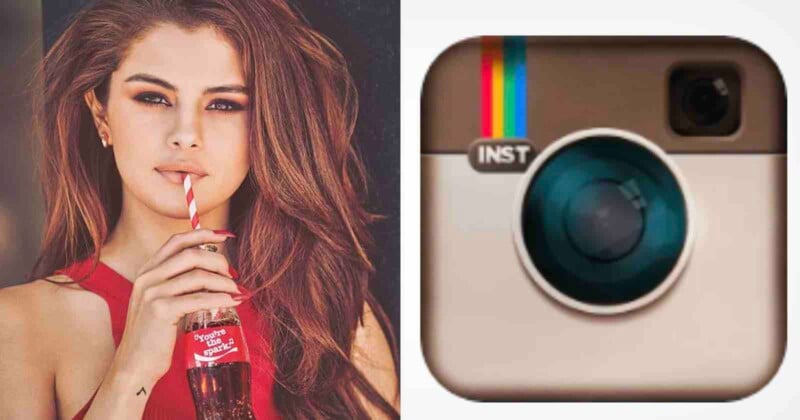
Gen Z is pining for the pink-hued Instagram filters and relaxed photo aesthetic of 2016, part of a growing trend that younger users associate with a simpler, less algorithm-driven internet.
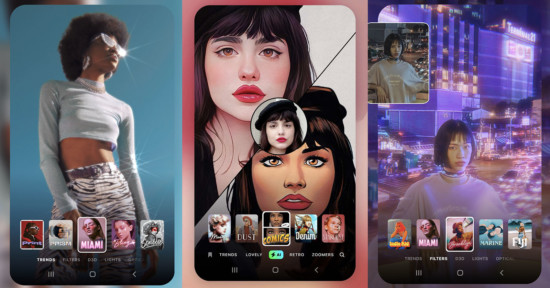
According to a report by BBC, searches for “2016” surged by 452% on TikTok in the first week of this year, while more than 56 million videos have been created using the app’s dedicated “2016” filter. The effect gives users’ videos a hazy, pink-toned appearance designed to mimic the saturated color palettes of early Instagram filters that were widely used a decade ago. TikTok’s 2016 filter reflects Gen Z’s renewed fascination with a 10-year-old visual style produced by lower-resolution smartphone cameras and OG Instagram filters such as Valencia, which gave photos an unmistakable pastel tone.
@nostalgicteendream #fyp #2016 #2016nostalgia #viral #2016vibes ♬ Lean On – Major Lazer & DJ Snake ft. MO
Celebrities have helped amplify the 2016 trend by revisiting their own photo archives. Kylie Jenner recently shared a photo carousel on Instagram of images from 2016, with the caption: “You just had to be there.” Celebrities such as Selena Gomez and Dua Lipa have also posted similar throwbacks, often with the caption: “2026 is the new 2016.” Microblogging platform Tumblr also joined in with the trend, sharing a compilation of images from the year on X, writing: “Welcome back #2016.”
welcome back #2016 pic.twitter.com/vQBppIyr0a
— Tumblr (@tumblr) January 15, 2026
Interest in the year has also spiked beyond social platforms. Google Trends showed searches related to 2016 reaching an all-time high in mid-January, with the most common queries including “why is everyone posting 2016 pics.” In 2016, social media was marked by oversaturated Instagram posts, Snapchat’s dog filter — then seen as a novel technical achievement — and a more spontaneous approach to sharing photos online. These elements, once ordinary, are now viewed with nostalgia by a generation that grew up online.
@nataliireynoldss It’s officially 2016! #fyp #2016 #nataliereynolds #newyear ♬ 3 strikes – .
This is not the first time Gen Z have become fascinated with camera aesthetics of the past, but the renewed interest in 2016 photography is not just about its distinctive visual style. For many users, the aesthetic is inseparable from the broader internet culture of the time, before social media became heavily shaped by recommendation algorithms. The filters and color tones popular that year are reflective of a time that many younger users associate with a simpler version of the internet. Many users see 2016 as a moment in internet history before social media became heavily shaped by recommendation algorithms.
While the 2016 trend has now spread widely, it initially gained traction among younger TikTok users expressing frustration with what they see as today’s overly commercialized and robotic internet. Forbes traced the phrase “2026 is the new 2016” to an ironic Gen Z joke that evolved into a more earnest movement known as “the Great Meme Reset” late last year. The idea encouraged users to post older, familiar memes in an effort to counter low-effort, AI-generated content and engagement bait. Over time, this reset concept broadened into a wider nostalgia for the culture and aesthetics of 2016.
Instagram’s evolution plays a central role in why the year holds such significance for Gen Z users. In 2016, the platform still revolved around single photo posts and a straightforward feed. Short-form Reels and carousel posts had not been born on the platform, and the Instagram app was far less focused on performance metrics such as reach and engagement. Kate Kennedy, author of One in a Millennial: On Friendship, Feelings, Fangirls and Fitting In, tells The New York Times that the renewed interest in 2016 is linked to how social media platforms have changed over the past decade.
“On the surface, it seems like a celebration of fashion and music,” Kennedy says. “But I think it really has more to do with 2016 sitting at the intersection of nostalgia and structural change that we didn’t know was happening on the internet.”
Kennedy pointed to the shift away from chronological feeds as a turning point. “Chronological feeds felt like democracies — every post had an equal chance of being seen,” she tells The New York Times. “An algorithmic feed decides what you see based on your predicted engagement with it. It’s not fulfilling your genuine interest. It’s about keeping you on the app as long as possible.”
Instagram began experimenting with algorithmic sorting in June 2016, gradually moving away from its strictly reverse-chronological feed, where users saw the newest photo posts from accounts they followed first. Later that year, the platform introduced 24-hour Stories. Instagram users initially complained about this change in the feed — but this way of consuming content quickly became the norm. By 2018, Instagram’s algorithm had become increasingly sophisticated, regularly surfacing suggested posts and content from accounts that users didn’t follow, a model that would later be perfected by TikTok. Gen Z sees the imperfect, pastel-toned photos of 2016 as a reminder of a slower, relaxed, more fun internet — before it became optimized for engagement.
Image credits: Header photo via Instagram/@selenagomez (left) and Instagram (2011-2016) logo (right).