Canon Shows Off Prototype SPAD Image Sensor
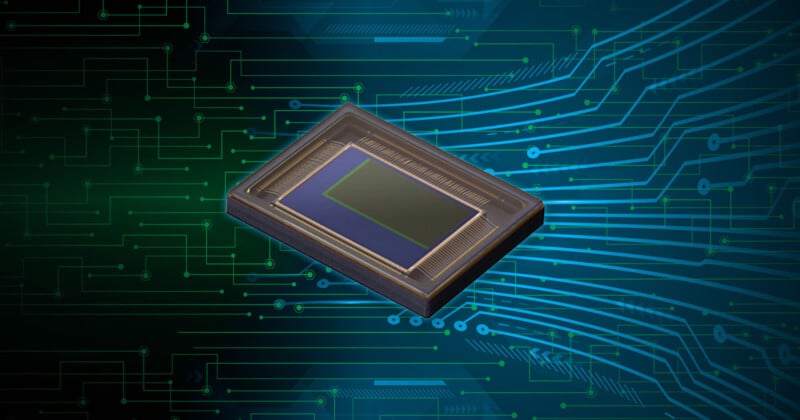
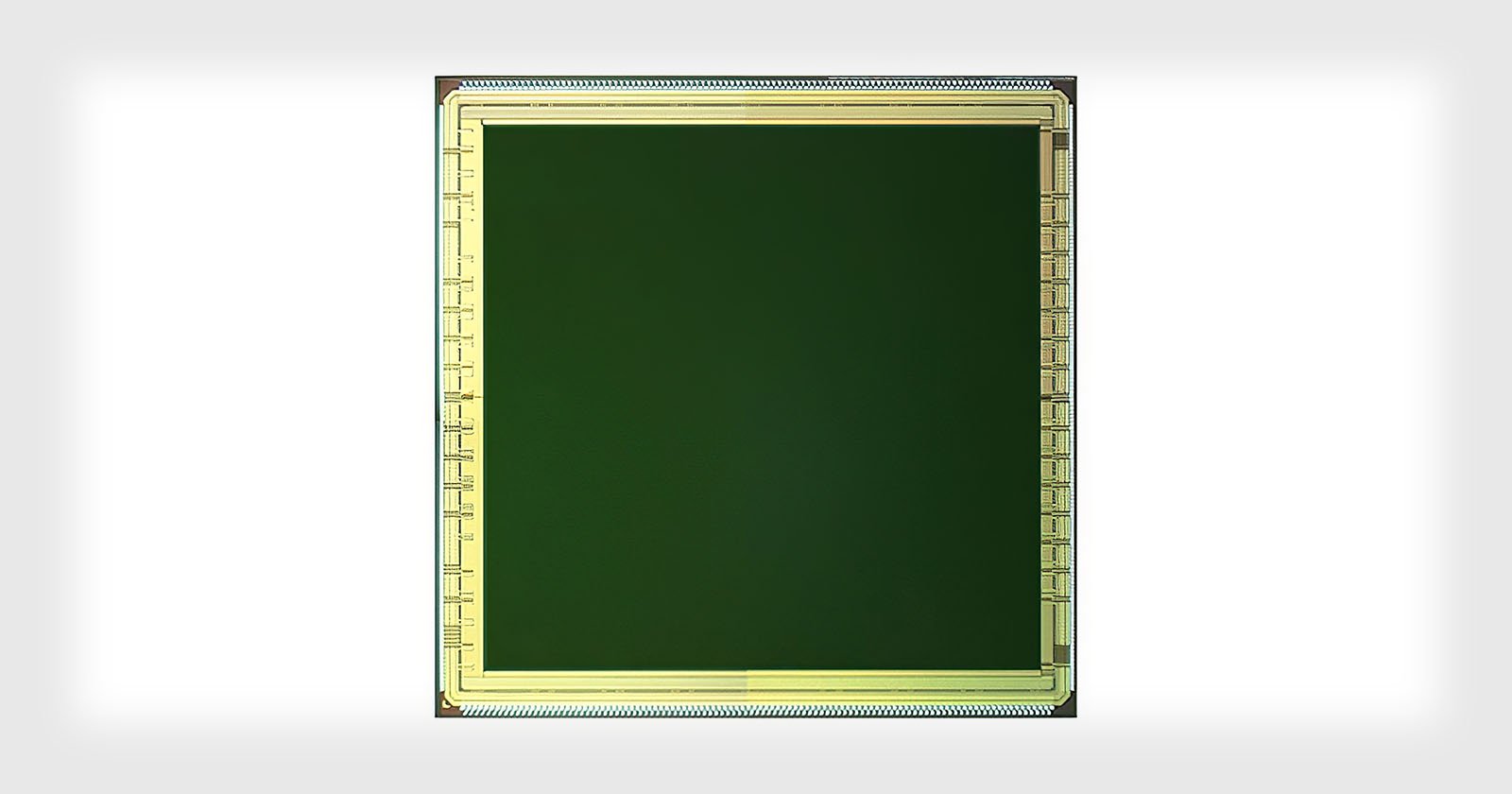
Canon showcased a prototype Single Photon Avalanche Diode (SPAD) sensor at CES 2026 in Las Vegas, promising extraordinary dynamic range and low-light capabilities while offering a tantalizing glimpse of how digital capture might evolve over the next decade, especially in environments where conventional sensors struggle.
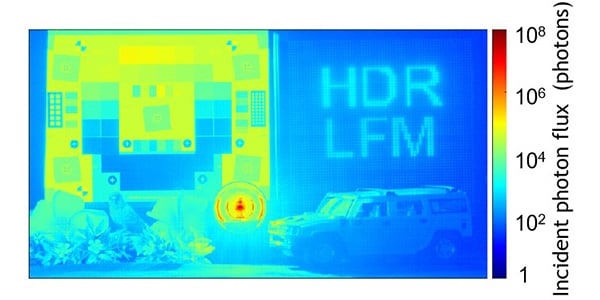
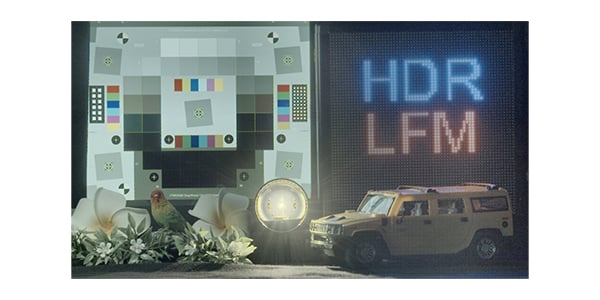
Canon’s presentation highlighted technology over products, showing the sensor’s potential rather than announcing a related camera for immediate release. The latest prototype SPAD sensor is a small 1MP chip that relies on 3D stacking. In previously published research, Canon described the sensor’s 3D-stacked BSI architecutre and noted its dynamic range of 119.5dB, which equates to about 20 stops of photographic dynamic range.
The emphasis at CES was clearly on exploring the possibilities of photon-level imaging, signaling Canon’s commitment to pushing the boundaries of what sensors can detect and process. While the demonstration remains in the prototype phase, it underscores a broader vision of future imaging technologies and their applications beyond traditional photography.
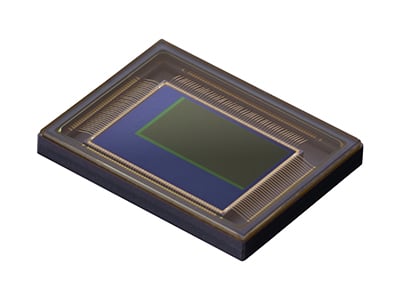
(Prototype)
A Tech Demo, Not a Camera Announcement
Canon’s CES presence was notable for focusing on the sensor itself rather than a finished consumer or cinema camera. The goal was to illustrate what SPAD technology can do in extreme lighting conditions, showing its ability to capture both very dark and very bright areas simultaneously without losing detail. By pairing the sensor with advanced image processing, Canon could highlight the real-world advantages of photon-counting technology in scenarios that mimic both industrial and creative challenges.
The demonstration also emphasized speed. The sensor’s rapid photon-counting capability allows it to track fast-moving subjects with minimal motion blur, even in low-light environments. This gives it a clear edge over traditional sensors in applications where precision and timing are critical.
Though the SPAD sensor is not yet intended for direct consumer use, the demonstration reflects Canon’s commitment to research and development, showcasing how its next-generation imaging solutions could influence a range of industries, from robotics to cinematography.
Part of the work at CES was also to showcase the importance of software when it comes to extracting the best possible performance from an image sensor.
The computer vision startup Ubicept was on hand to showcase its toolkit working alongside SPAD image sensors. Ubicept used Canon’s 1MP SPAD sensor and its processing to demonstrate the power of SPAD sensors in fast-motion scenarios under challenging lighting conditions.
How the SPAD Sensor Works
In a 2020 interview with a Canon SPAD sensor engineer Kazuhiro Morimoto, who has been named by Nature among the “four rising stars who are reshaping nanoscience,” the breakthrough technology was first explained.
“A SPAD sensor is a unique type of imaging sensor that can capture extremely fast-moving objects, including even light particles. Canon engineer Kazuhiro Morimoto realized its benefits very early on, and went on to develop the world’s first one-million-pixel SPAD sensor after studying abroad in Switzerland. In doing so, he opened up new possibilities in imaging,” Canon says.
SPAD sensors function differently than conventional imaging sensors. Instead of measuring light as a continuous analog signal, each pixel detects individual photons and triggers an avalanche of electrons when one is detected. These avalanches are counted digitally, effectively eliminating readout noise and giving the sensor extreme sensitivity.

“I found out about SPAD (Single Photon Avalanche Diode) sensors soon after I joined Canon in 2013. I was part of a team developing CMOS image sensors, which are widely used in cameras, and a mention of SPAD sensors in a paper I was reading for research caught my attention. I was fascinated by this sensor that was said to ‘capture images using principles completely different from that of a CMOS sensor,’ and became more enthralled as I read more research papers about it,” engineer Kazuhiro Morimoto says.
“SPAD sensors can process information within some 100 picoseconds (1/10 billion seconds). This makes them capable of capturing the movement of objects that move extremely quickly, such as light particles.”
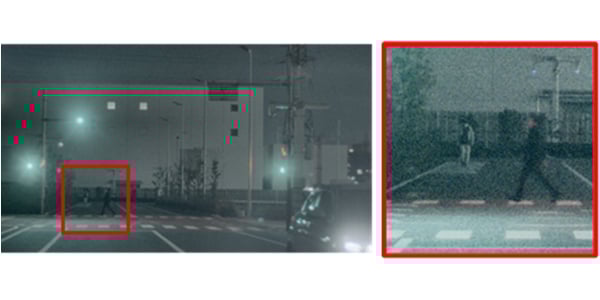
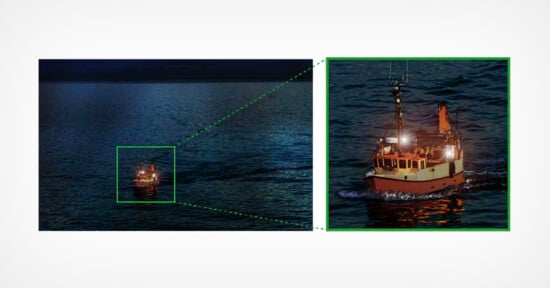
(Footage taken with 25 mm focal length and f/1.4 aperture)
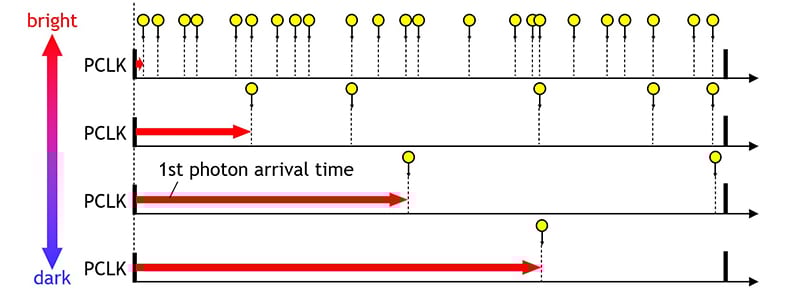
The earlier the arrival of the first incident photon, the brighter the incident light.
Canon’s implementation includes techniques like weighted photon counting, which helps balance exposure in scenes that combine very bright and very dark areas. By estimating photon totals from arrival timing, the sensor avoids saturation in bright regions while preserving shadow detail, achieving a dynamic range beyond that of typical CMOS sensors.
The sensor’s unique architecture makes it ideal for both high-speed and low-light imaging, capturing fleeting moments or subtle illumination changes with remarkable clarity. It represents a paradigm shift from conventional light accumulation to true photon-level detection, opening new possibilities in both technical and creative imaging.
Why CES Was the Right Stage
Presenting the SPAD sensor at CES highlighted its potential across multiple industries. Beyond photography and cinematography, the sensor has clear implications for autonomous vehicles, where accurate perception in extreme lighting conditions is essential for safety. Similarly, robotics and industrial automation benefit from precise, fast, and low-noise imaging, while scientific applications can exploit the sensor’s sensitivity for experiments requiring low-light or high-speed detection.
By choosing CES, Canon placed the sensor in a broader technology context, emphasizing its versatility and future impact rather than immediate consumer applications. This approach positions Canon as a leader in imaging innovation, demonstrating that the future of sensors extends far beyond conventional cameras.
The showcase also hinted at potential collaborations with AI-driven image processing, suggesting that future systems could combine photon-level data with intelligent algorithms for even more sophisticated imaging solutions.
SPAD vs CMOS: A Technical Comparison
CMOS sensors dominate today’s cameras by measuring light accumulated over a fixed exposure time and converting it into an analog signal. While effective in most situations, this approach introduces noise, particularly in low-light scenarios, and limits dynamic range. CMOS sensors estimate how much light hits each pixel but struggle to capture extreme contrast scenes without losing shadow or highlight detail.
In contrast, SPAD sensors count individual photons digitally, essentially eliminating readout noise. Each photon arrival is treated as a distinct event, allowing the sensor to record both very dark and very bright regions simultaneously. This photon-level precision gives SPAD sensors vastly improved low-light sensitivity and dynamic range, making them particularly well suited for high-speed, high-contrast, and extreme-light situations.
The fundamental difference is that CMOS sensors integrate light over time, producing an analog estimate, while SPAD sensors detect exact photon arrivals, enabling unprecedented control over light detection. This makes SPAD technology a potential game-changer not only for industrial and scientific applications but also, eventually, for consumer imaging.
Implications for Consumer Cameras in the Next 5–10 Years
While SPAD technology is not yet ready for mainstream cameras, its trajectory suggests it could dramatically impact consumer photography within the next decade. Cameras integrating SPAD-like photon-counting technology could achieve dynamic ranges that capture both the brightest highlights and the deepest shadows simultaneously, with minimal reliance on post-processing. Low-light photography could approach near-perfect clarity, even handheld, transforming how night scenes and indoor environments are captured.
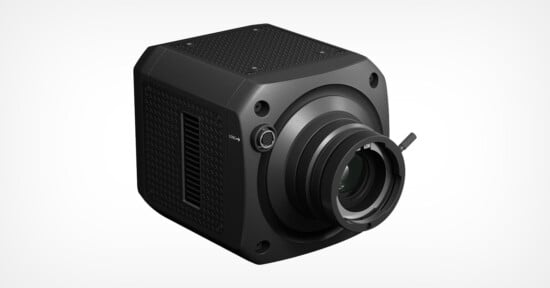
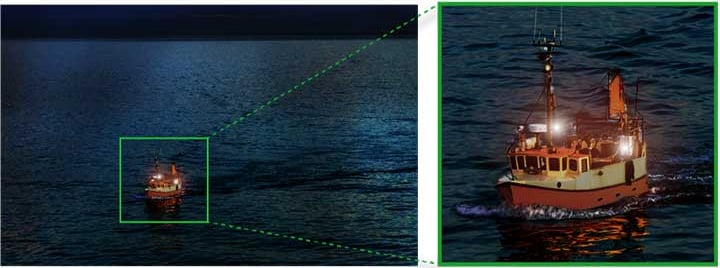
Canon has already experimented with SPAD in prototype cameras such as the MS‑500, which features a SPAD sensor with approximately 3.2 million pixels, the highest in the world for this type of sensor. The MS‑500 demonstrates that SPAD technology can reach megapixel-level resolution suitable for real imaging tasks, combining ultra-high sensitivity with color capture capabilities. While it remains a specialized camera, the MS‑500 provides a glimpse at how SPAD sensors could eventually scale up for consumer devices, offering professional-level performance in extreme lighting conditions.

Right: Telephoto mode
Hybrid designs combining SPAD photon-counting with conventional CMOS sensors may allow consumers to benefit from ultra-high sensitivity and resolution in the same camera, alongside enhanced computational imaging. This could extend to smartphones, mirrorless cameras, and drones, allowing everyday photographers to produce images previously achievable only with specialized equipment.
As processing power becomes more accessible and AI-assisted imaging continues to advance, SPAD-based systems could fundamentally change expectations for consumer photography, making extreme dynamic range, high-speed capture, and low-light performance standard features rather than specialized tools.
While it may take several years before these benefits reach consumer cameras, the technology hints at a world where imaging systems can operate flawlessly in extreme lighting, low-light, and high-speed environments. As photon-counting sensors mature alongside AI and computational imaging, the line between seeing and understanding through machines is poised to become thinner than ever, promising a transformative impact on both professional and everyday photography.
Image credits: Canon. Header photo created using an asset licensed via Depositphotos.