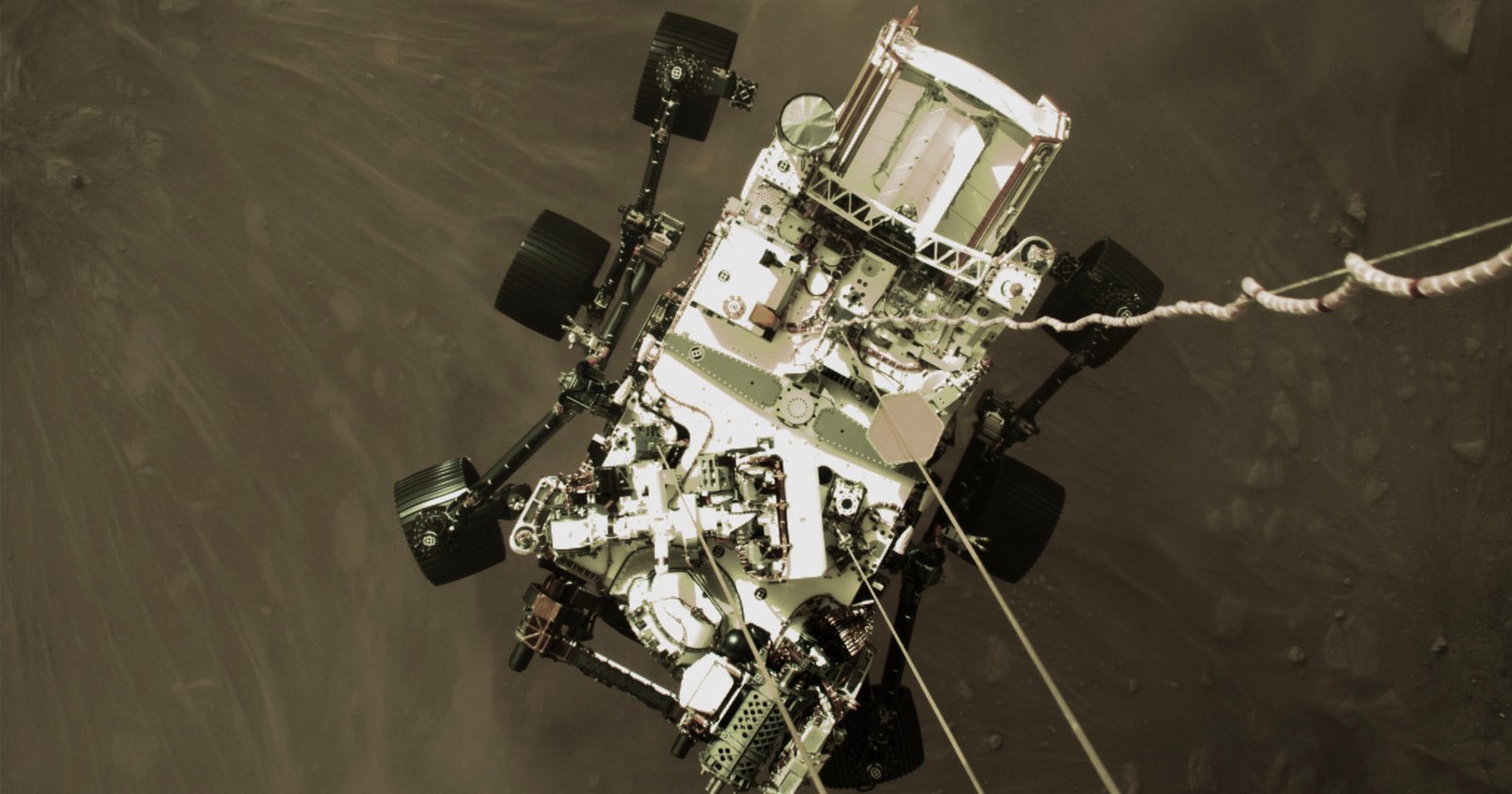
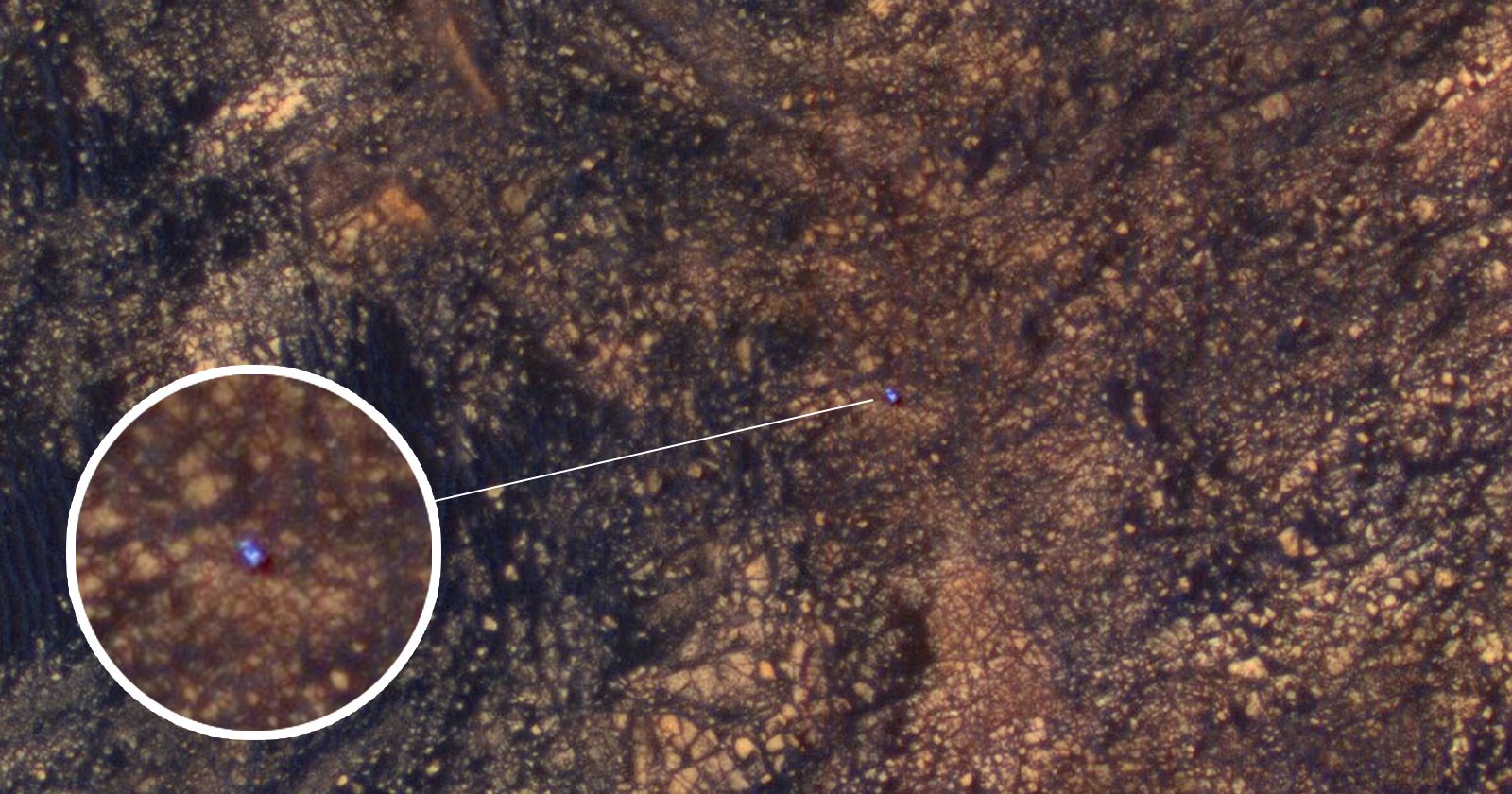
A High-Resolution Camera Orbiting Mars Captured Its 100,000th Photo
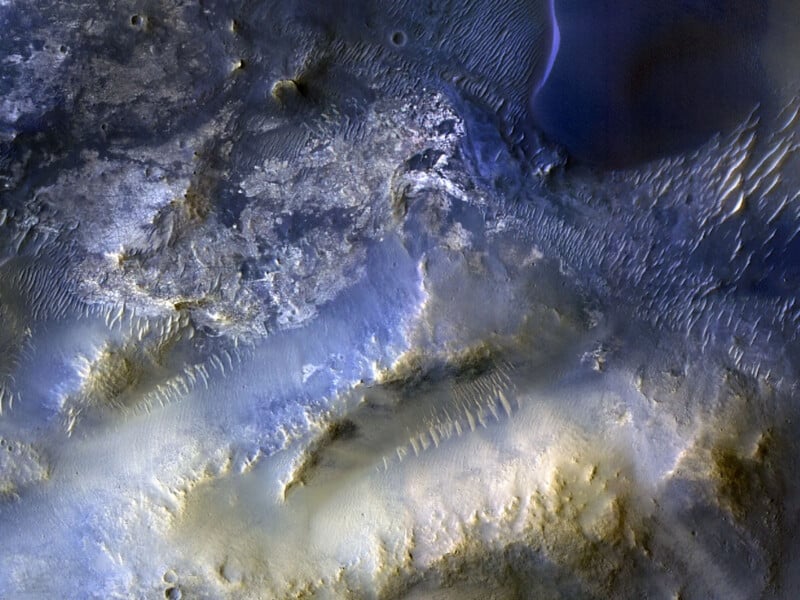
The HiRISE camera inside NASA’s Mars Reconnaissance Orbiter has captured its 100,000th image, marking a momentous occasion for the nearly 20-year mission.
The 100,000th photo shows a region of Mars called Syrtis Major. This fascinating part of the Red Planet, located about 50 miles (80 kilometers) southeast of the Jezero Crater that NASA’s Perseverance rover is currently exploring, features windblown dunes.
In a nice nod toward the importance of citizen scientists and community involvement, the subject of the 100,000th HiRISE photo was suggested by a high school student via NASA’s HiWish site. Anyone can sign up and suggest areas of Mars for HiRISE to photograph.
“Rapid data releases, as well as imaging targets suggested by the broader science community and public, have been a hallmark of HiRISE,” says Shane Byrne (University of Arizona), HiRISE’s principal investigator. “One hundred thousand images just like this one have made Mars more familiar and accessible for everyone.”
The HiRISE camera, short for High Resolution Imaging Science Experiment, is capable of exceptional resolution and detail. The camera primarily operates in visible wavelengths and features a telescopic lens that can resolve objects as small as three feet (one meter) on Mars’ surface. This is quite the accomplishment given that the Mars Reconnaissance Orbiter ranges from around 150 to 200 miles (250 to 320 kilometers) above the planet’s surface.
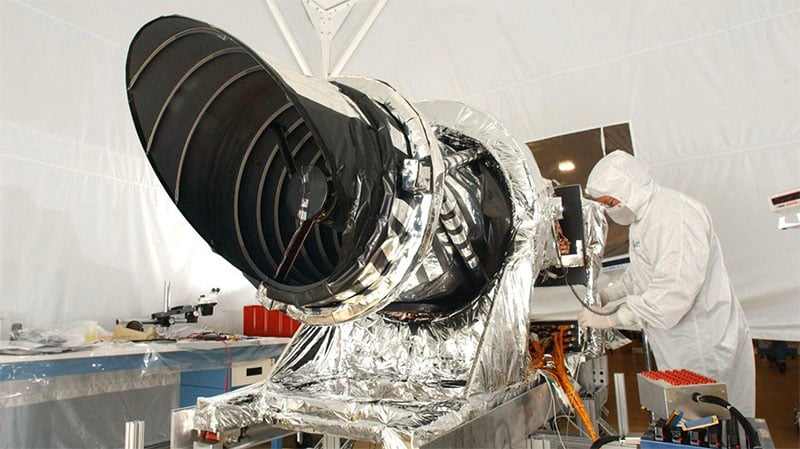
Although HiRISE primarily works in visible wavelengths, it can also observe in near-infrared wavelengths, which helps scientists learn more about the minerals on Mars. Thanks to its resolving capabilities, scientists use HiRISE images to analyze the Martian surface and characterize potential future landing sites. Data from the MRO helped NASA settle on where Perseverance landed in 2021, for example.
“HiRISE hasn’t just discovered how different the Martian surface is from Earth, it’s also shown us how that surface changes over time,” explains MRO project scientist, Lesie Tamppari, of NASA’s Jet Propulsion Laboratory. “We’ve seen dune fields marching along with the wind and avalanches careening down steep slopes.”
Congratulations to the NASA MRO team on HiRISE’s 100,000th image, and here’s to many more.
Image credits: NASA/JPL-Caltech/University of Arizona