Eastman Kodak Rebrands More Photo Film as It Regains Distribution Control
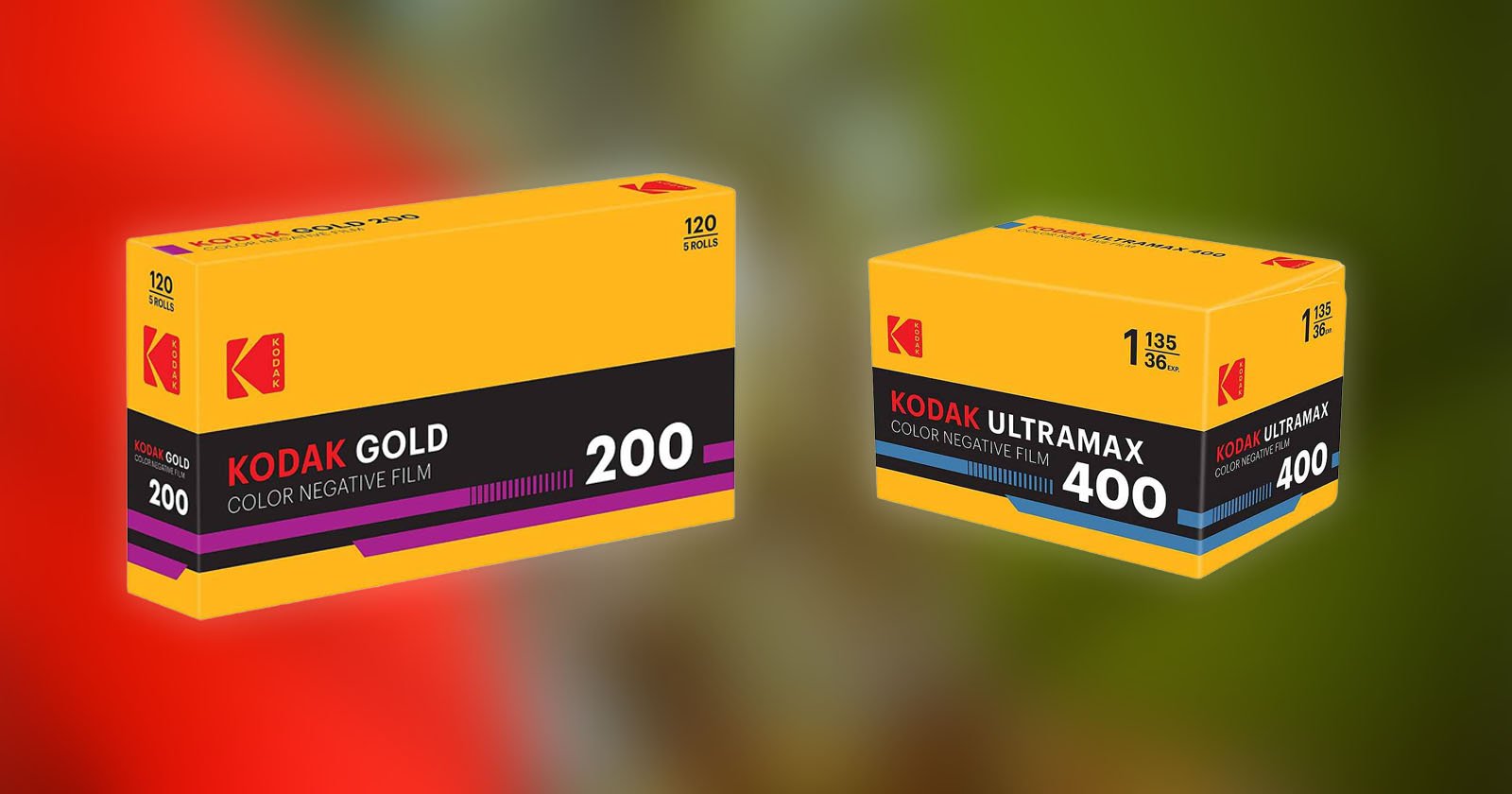
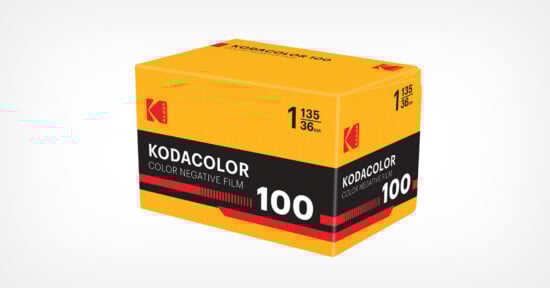
When Kodak quietly and surprisingly announced Kodacolor 100 and 200 at the end of September, analog photographers were rightly excited. However, the most interesting part of the announcement was perhaps not the new film at all, but the dramatic shift in how Kodak is selling film. This change is continuing, as Eastman Kodak is now selling Kodak Gold 200 and Ultramax 400 directly to retailers, with new, retro-inspired packaging in tow.
How “new” Kodak’s Kodacolor 100 and 200 films really are aside — as the comparison shots by Jaron Schneider below show, Kodacolor bears a striking resemblance to Kodak ColorPlus — the legendary photo and film company’s return to controlling how its film is sold is fascinating and warrants a brief detour down memory lane.




Although Kodak’s storied history is very interesting, particularly how the company handled the photo industry’s broader transition to digital camera technology, the matter at hand relates to a particular moment in 2012 when Rochester-based Kodak filed for bankruptcy.
As part of this bankruptcy process, Eastman Kodak underwent significant restructuring, including selling various assets and companies, spinning off even more, and fundamentally changing the way it operated. While Kodak has continued to manufacture film, both for motion picture and still photography, its photographic film has been distributed through a British spinoff company, Kodak Alaris, founded in 2013.
Kodak Alaris has, for more than a decade, sold, marketed, and distributed Kodak-branded still film, including legendary Kodak film stocks like Portra, Ektar, Ektachrome, Tri-X, and more. Kodak Alaris has even launched new and revised film stocks, like a reformulated Ektachrome 100 in 2018.
However, when Eastman Kodak, the original Kodak, unveiled Kodacolor 100 and 200 in late September, it signaled a shift in its film strategy. At the time, it was unclear whether Kodacolor 100 and 200 were an exception or the new rule for Kodak’s broader photographic film operations.






This week, Eastman Kodak very quietly added two more films to its now-growing still photo film landing page. Kodak Gold 200 and Kodak UltraMax 400 are now available, both featuring the same Eastman Kodak branding as Kodacolor, with bright yellow packaging, classic red Kodak logo, and vintage-inspired design language.
View on Threads
Presumably, the “new” Kodak Gold 200 is the same Kodak Gold 200 that has been on the market for a long time in 35mm and 120 formats and is still available from retailers. Likewise, “old” UltraMax 400 is available for about $9 per roll.
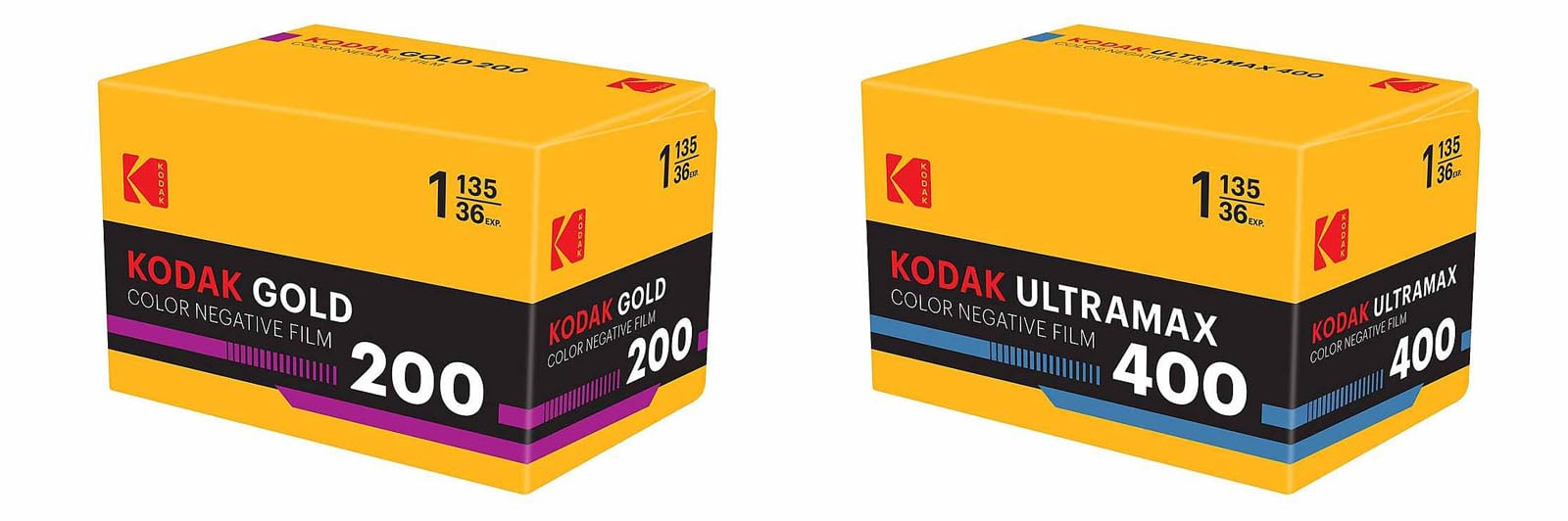
But it’s not just the new packaging that matters here, it is that Eastman Kodak in Rochester is taking back control over how it distributes and sells film. Kodak never stopped making these photographic films, but it did stop directly selling them to retailers, a task that Kodak Alaris took over in 2013.
While it may have initially made financial sense for Eastman Kodak to relinquish control as it recovered from bankruptcy and sought to save money, the analog landscape has changed dramatically since then. What was once a downward spiral for film, which nearly killed Kodak altogether, is now a healthy, albeit still relatively specialized, photographic segment that, for the first time in a long time, is actively growing.
It’s reasonable for Eastman Kodak, which recently described itself as “optimistic” about its financial health despite massive debt obligations, to resume handling all aspects of its photo film business moving forward.
When Kodak launched Kodacolor 100 and 200, it said that it was doing so “in an effort to increase supply and help create greater stability in a market where prices have fluctuated.” The company added that the launch reflected its increased investment in film and its commitment to “supporting the long-term health of the film industry.”
That said, Kodak Alaris still distributes far more film than just Gold 200 and UltraMax 400, so it’s unclear when — or even if — Eastman Kodak will assume distribution responsibilities for all the photo film it makes. Kodak Alaris also still lists Kodak Gold 200 and UltraMax 400 in its catalog and may continue to do so, depending on the precise nature of Eastman Kodak’s new distribution strategy and any preexisting contractual obligations and rights-ownership issues.
View on Threads
In any event, it sure is nice to see Eastman Kodak’s legendary logo on new film packaging in 2025.