Blackmagic RAW, ‘World’s Fastest RAW Format,’ Arrives Soon On Select Sony Cameras

Last year, Sony promised a wide range of software improvements and feature updates for its Cinema Line cameras, including Blackmagic RAW (BRAW). These promises are being fulfilled a few cameras at a time, and BRAW is arriving very soon on Sony FX-series models.
Before diving into all the details, it is worth considering why filmmakers using Sony Cinema Line cameras may want to use Blackmagic RAW in the first place.
“Blackmagic RAW is available for anyone looking to take advantage of the high quality, bit depth, dynamic range, and control that the RAW format provides, coupled with better performance and smaller file sizes,” Blackmagic Design tells PetaPixel over email. “Blackmagic RAW features an advanced de-mosaic algorithm, and it provides visually lossless images for high resolution, high frame rate, and high dynamic range workflows, with extensive metadata support, optimized GPU and CPU acceleration and seamless support in DaVinci Resolve.”
Better still, “It’s also open, cross platform and free and supported via the free SDK on Mac OS, Windows and Linux.”
Blackmagic Design calls BRAW “The world’s fastest RAW format.” Further, compared to more typical, non-RAW video formats, BRAW avoids compression artifacts and promises reduced noise. BRAW promises improved detail and color, and it records camera metadata in the file, which is instrumental for post-processing.

Blackmagic RAW recording is enabled on a wide range of cameras through the use of the Blackmagic Video Assist professional monitor and recorder series, including the popular Blackmagic Video Assist 7″ 12G HDR ($915).
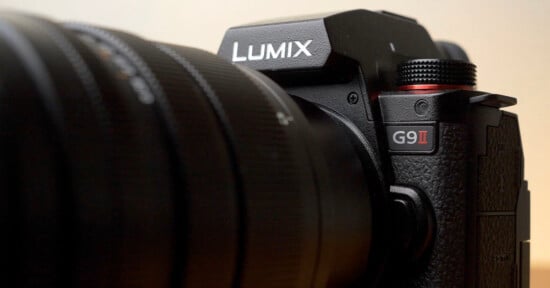
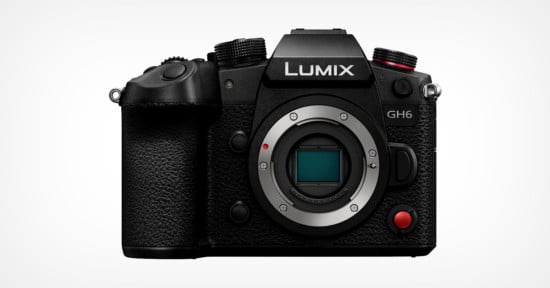
With these monitors attached, popular camera models from Canon, Fujifilm, Leica, Nikon, Panasonic, Sigma, and Z Cam can record Blackmagic RAW. A complete list is available on Blackmagic’s website, but a few highlights include the Canon EOS C300 Mark II, Fujifilm GFX100 series, Fujifilm X-H2S, Nikon Z6 II and Z7 II, Panasonic S5IIX, Panasonic S1 II, Panasonic S1R II, and Sigma fp.
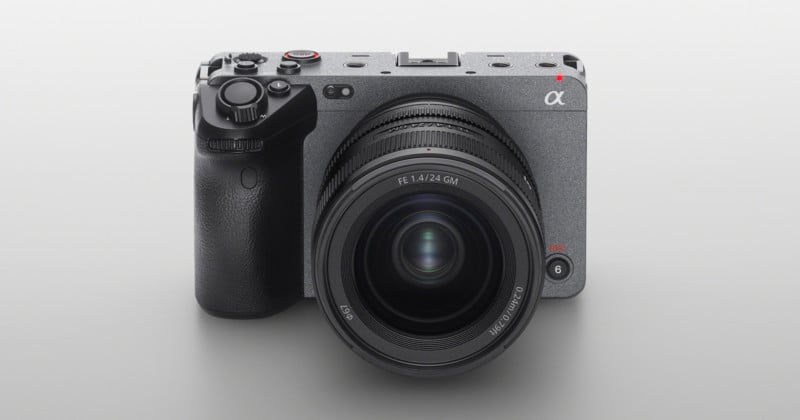
Once Blackmagic releases its updated firmware for the Blackmagic Video Assist monitors and recorders, which is expected to arrive this month, the Sony FX3 and FX30 will join the list. An update before the end of this year will add Blackmagic RAW recording support for the Sony FX6 and FX9 cameras.
“It’s always Blackmagic Design’s goal to empower the end user with accessible and flexible products and workflows. With that in mind, when coupled with the Blackmagic Video Assist 12G models, creatives can take advantage of recording in Blackmagic RAW from supported cameras, including Leica, Panasonic, Fujifilm, Nikon, Canon, Sigma and soon to be Sony,” Blackmagic Design tells PetaPixel. The company explains that, like its other implementations, it worked closely with Sony to bring Blackmagic RAW recording to select Cinema cameras.
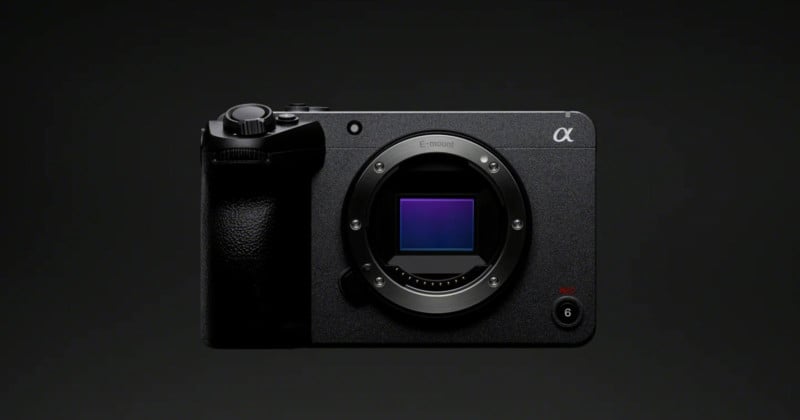
Blackmagic Design showcased a working beta version of its upcoming Video Assist firmware at IBC 2025 last month, so the public release appears on schedule for this month for the FX3 and FX30, with FX6 and FX9 support arriving before the end of the year.
It’s been a very good couple of months for Blackmagic Design and expanded video format support. Alongside bringing BRAW to Sony Cinema Line cameras, the company also recently added ProRes RAW support to DaVinci Resolve. This long-requested move arguably makes DaVinci Resolve the best color grading software on the market for nearly every user.
Image creditsBlackmagic Design, Sony
Affiliate Disclosure PetaPixel articles may include affiliate links; we may earn a commission if you buy through one.