How a Weird Lens Helped Me Fall Back in Love with Landscape Photography
I’ve been an amateur landscape photographer for some time now. I remember fondly my first years in the field—I loved roaming around and shooting like mad. I even started getting good at it. Year by year, though, I found myself shooting less and less.
Turns out, most of the photographers I know reach this rut at some point or another. Most of them also find their way out. Some turn to other genres, others find new inspiration in distant lands, others … whatever, you get my point.
With me though, something else happened.
The past decade saw the emergence of some brilliant third party lens manufacturers. Their business plan goes like this: invent some wacky new lens, make it good and cheap, fill the market cracks left open by the big dogs, grow as a result. I just love them.
So one day, while browsing the Internet, I saw a headline that caught my eye. It contained three words that, up until this moment, had no place in the same sentence: “wide-angle macro.” No way, I thought, that’s an oxymoron.
Obviously no one at Venus Optics knew what an oxymoron was, and someone had dared to ask “What if … ?“
The answer:
- 15mm prime lens – wonderful!
- Manual focus – no big deal, I’m used to those
- f/4 – good enough for me, don’t be greedy
- Minimum focus distance of 4mm – What? no, seriously… WHAT??
- Front filter thread – well, thanks for the cherry on top!
It got even better when I browsed through the sample images – this was a whole new way of looking at the landscapes for me. I just had to have it. So… I bought it.
Now what?
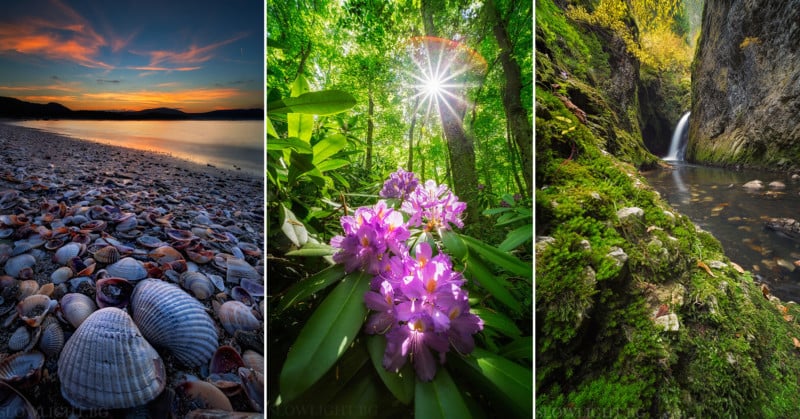
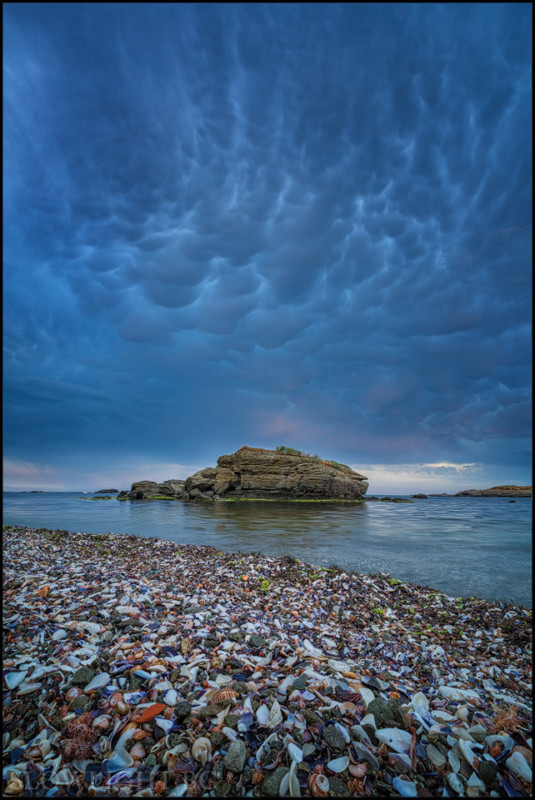
Well, now you start to learn. First challenge: focus stacking. Fortunately some smart people have already invented software for that. Second challenge: well there was none, I just needed to go out and shoot. It took some time but the results started coming:
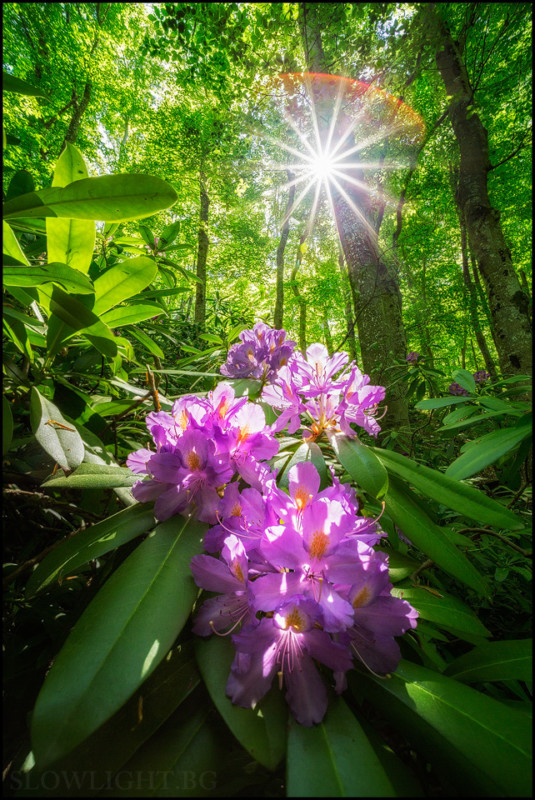
And it turns out, there was one more advantage—the brilliant sun-star you get at f/11 and up:
Soon the process showed its ugly side: while shooting the focus stacks for images like the above, I had to bracket, which often meant that I needed to produce something like 80 separate shots or more for a single image. Meanwhile, the slightest wind rendered everything useless and I had to start over.
Oh, well, you can’t win them all.
As the seasons progressed, I managed to get the shots I envisioned when I first learned about this lens:
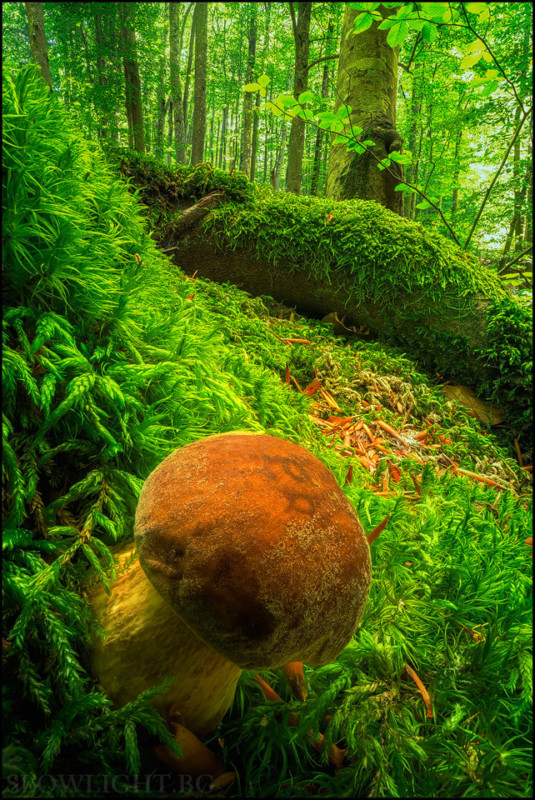
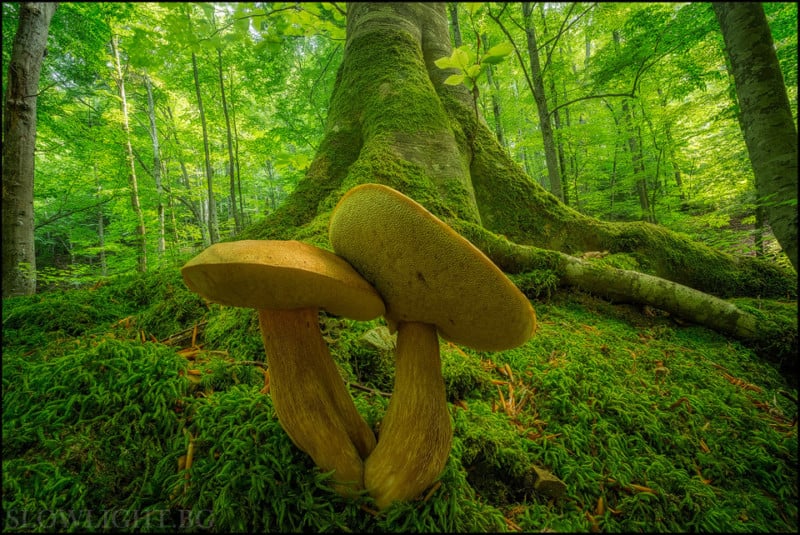
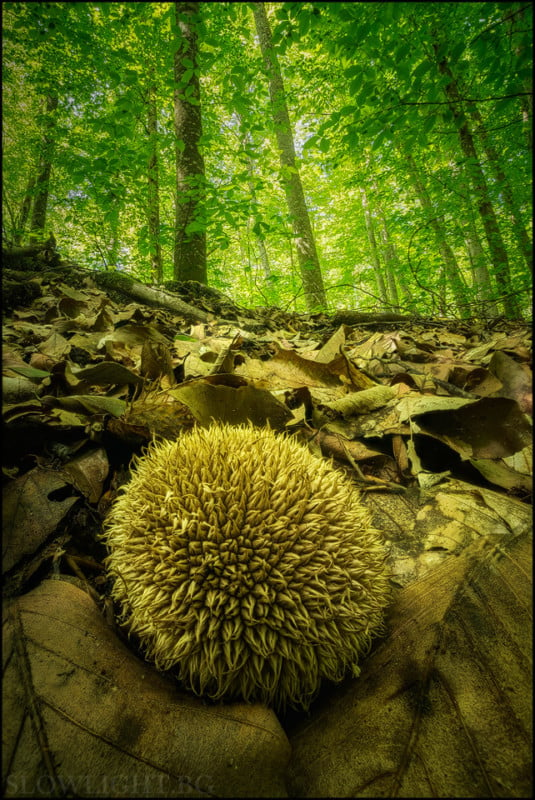
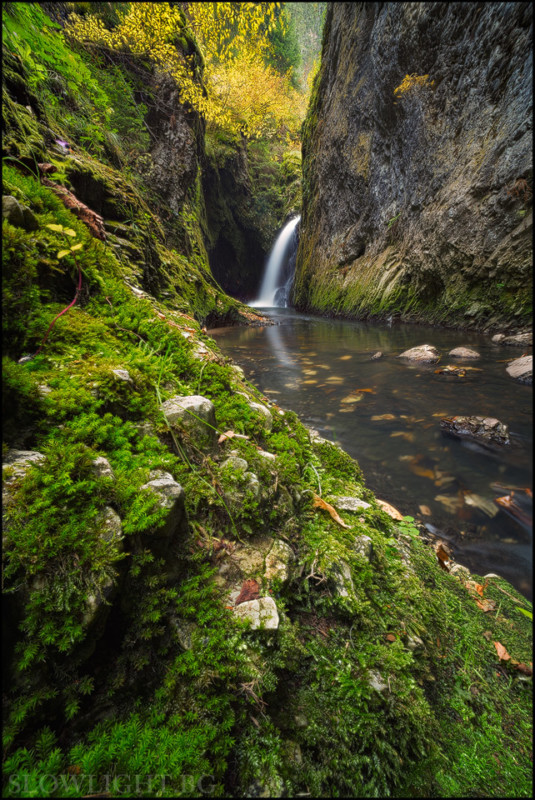
As I said, this was a whole new way of looking at the world for me; nothing was too small for the foreground of my compositions:
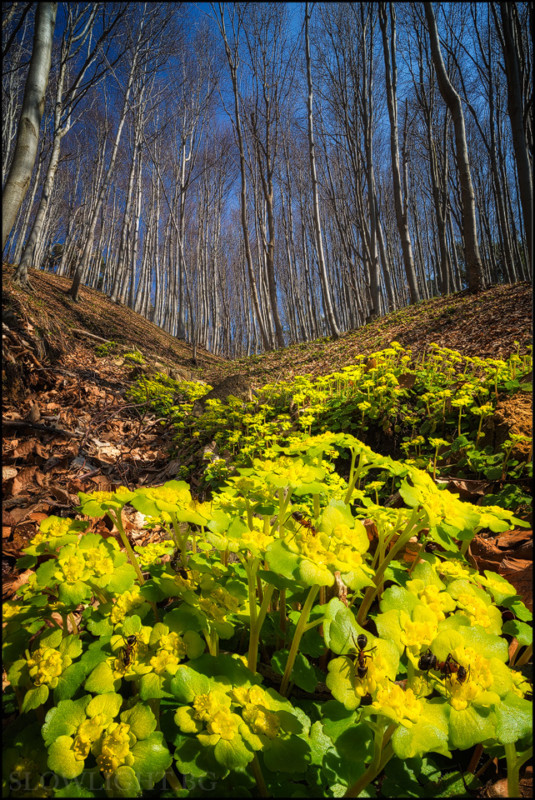
Not even ants:
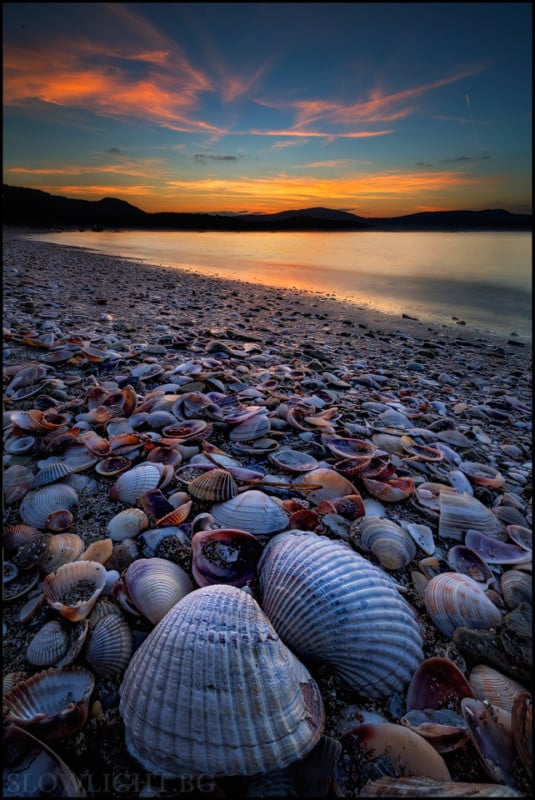
The 4mm minimal focusing distance let me get so close to stuff I would have just passed by any other time:
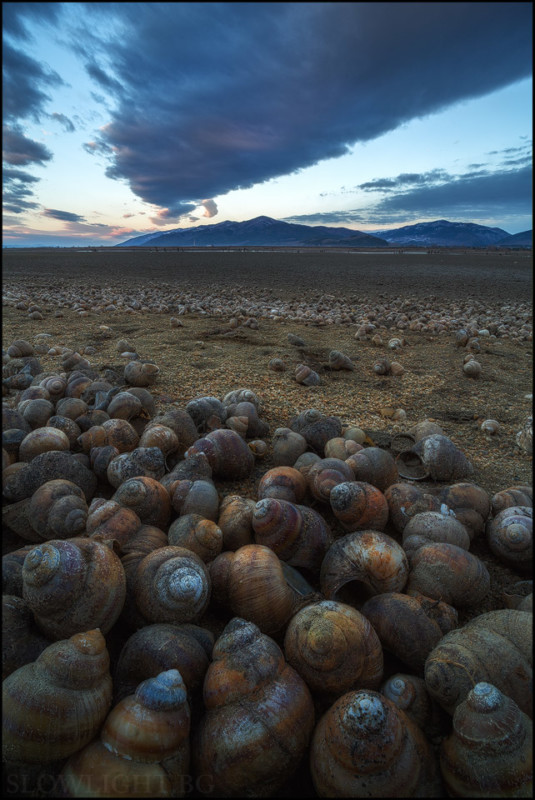
Whenever there is no use for the macro, I just shoot the lens as a prime ultra wide-angle:
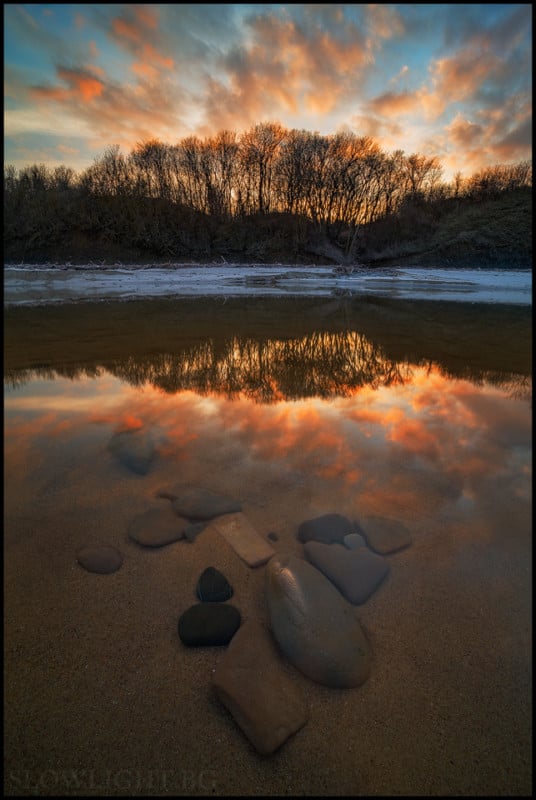
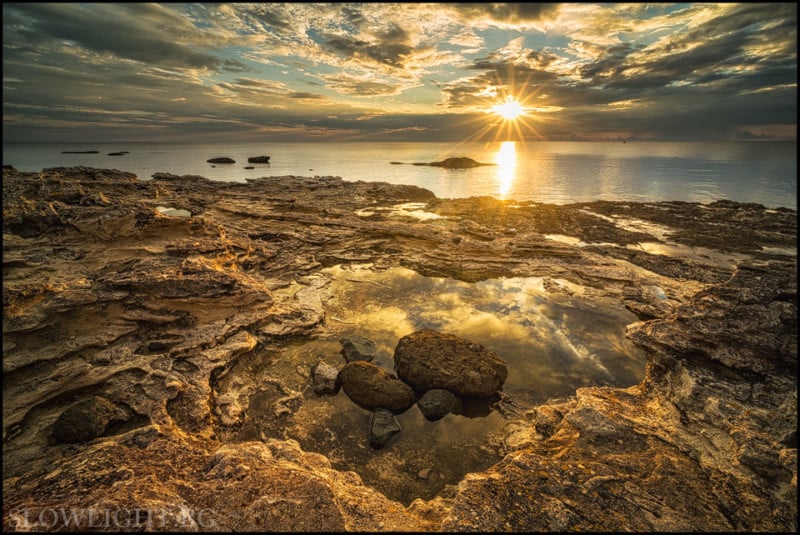
The front filter thread also quickly proved its worth:
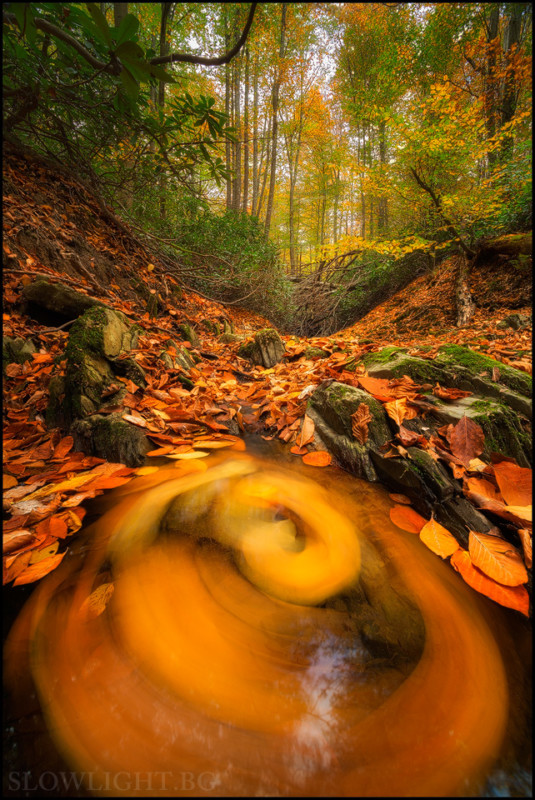
Every season offered something good:
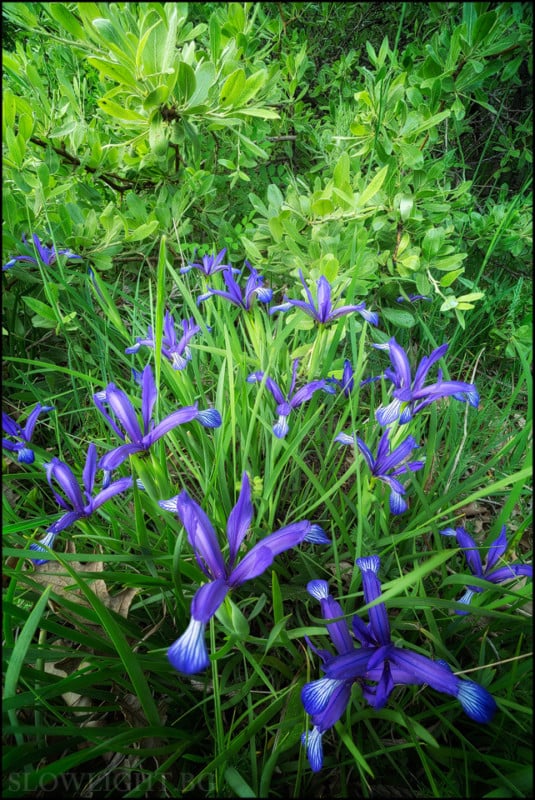
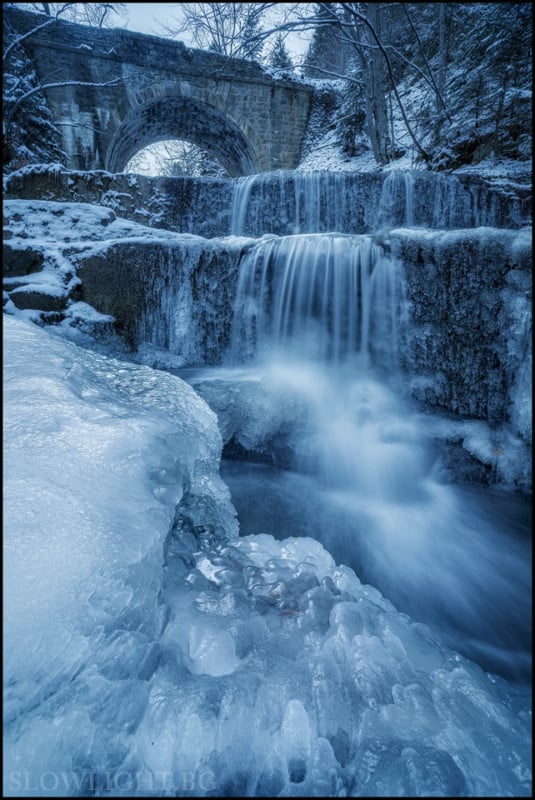
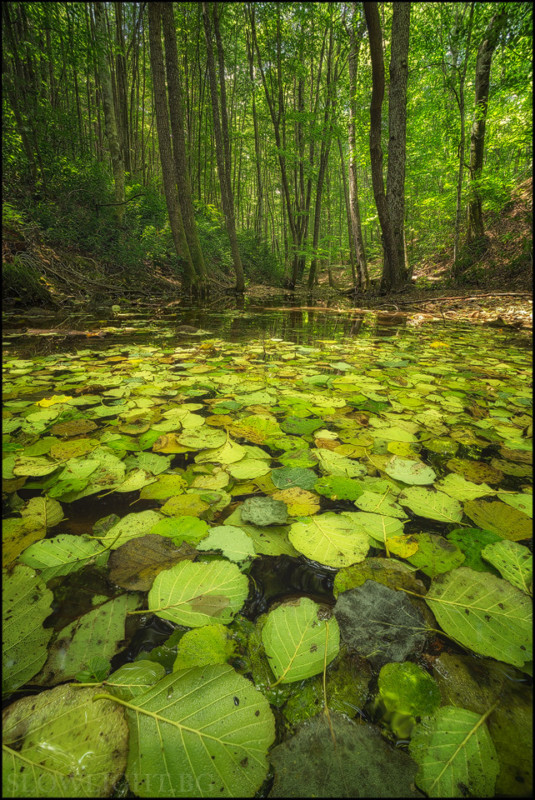
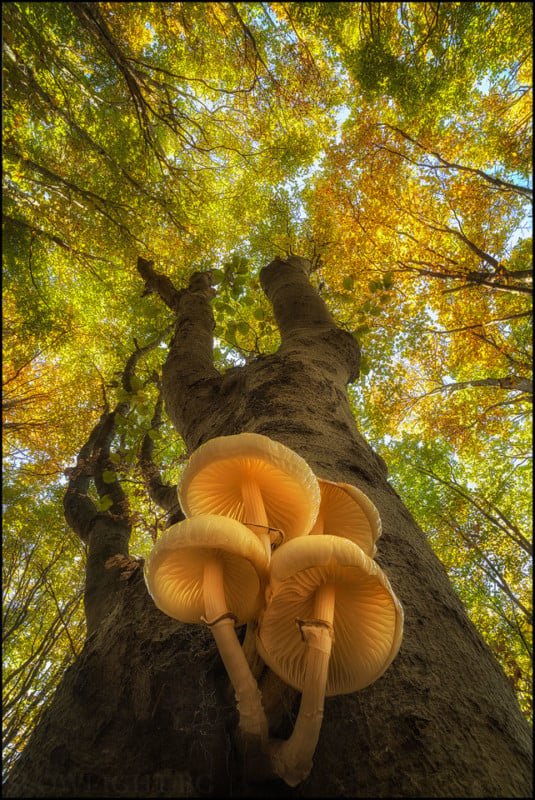
Needless to say, I am having fun again, and lots of it!
Final Words
This is not an advert for Venus Optics, or at least, not a paid one by them; this is just a story about the inspiration a new piece of gear gave me.
The glass is not perfect, it suffers from most of the usual ultra-wide lens issues, but the value I get from it outweighs them by far.
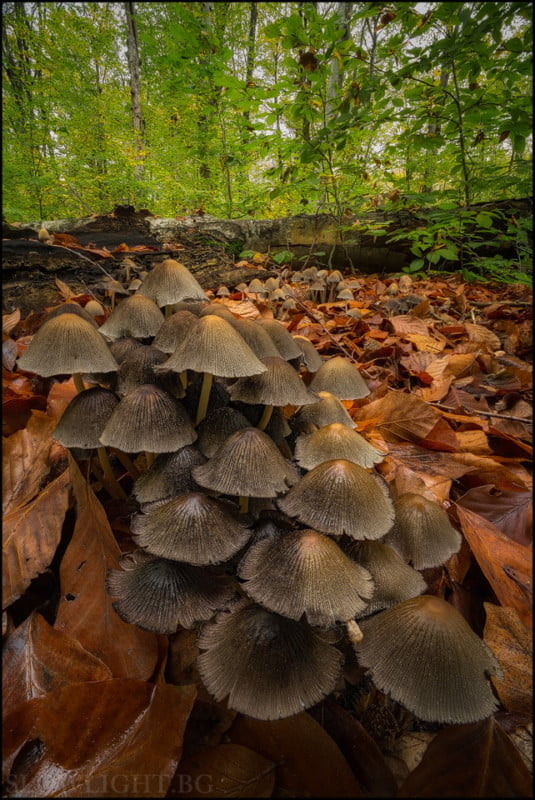
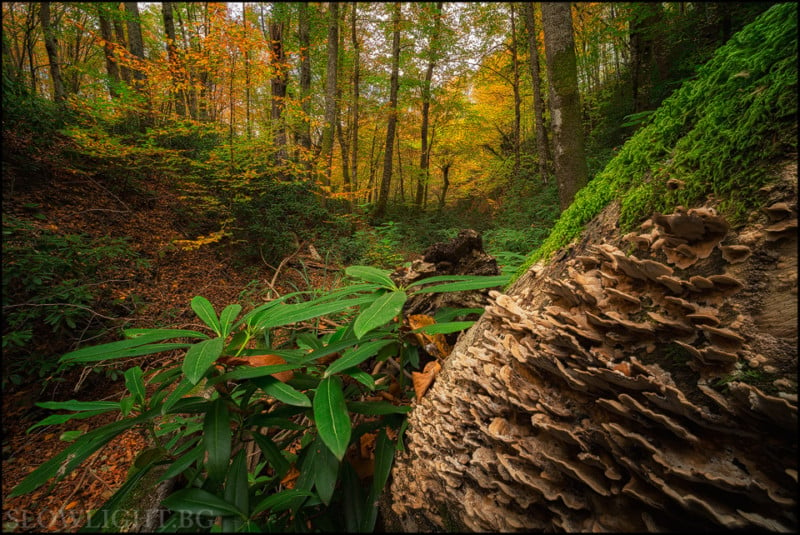
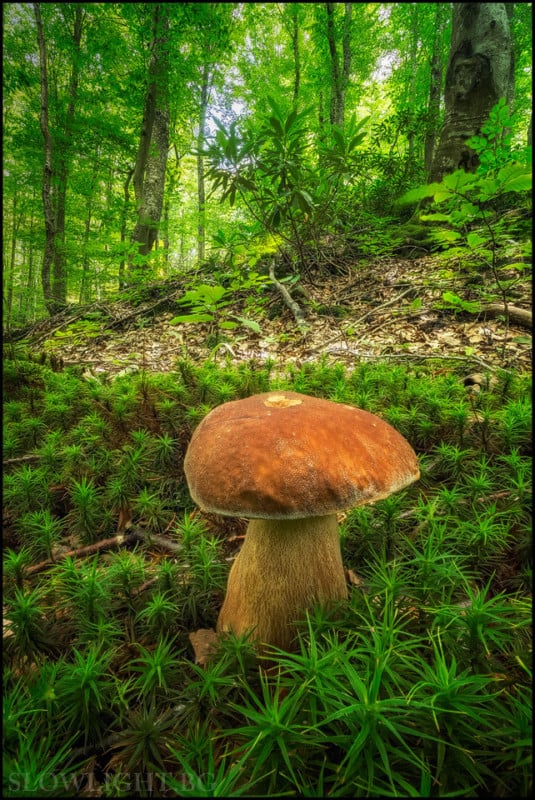
Finally, getting this glass will not solve all of your problems, it will only give you another perspective. Every age-old rule of aesthetics still applies. Here are some below-average images that prove my point:
Thanks for reading, and have fun!
Affiliate Disclosure PetaPixel articles may include affiliate links; we may earn a commission if you buy through one.