Fujifilm X-T1 vs X-Pro2: Which Camera Should You Buy?
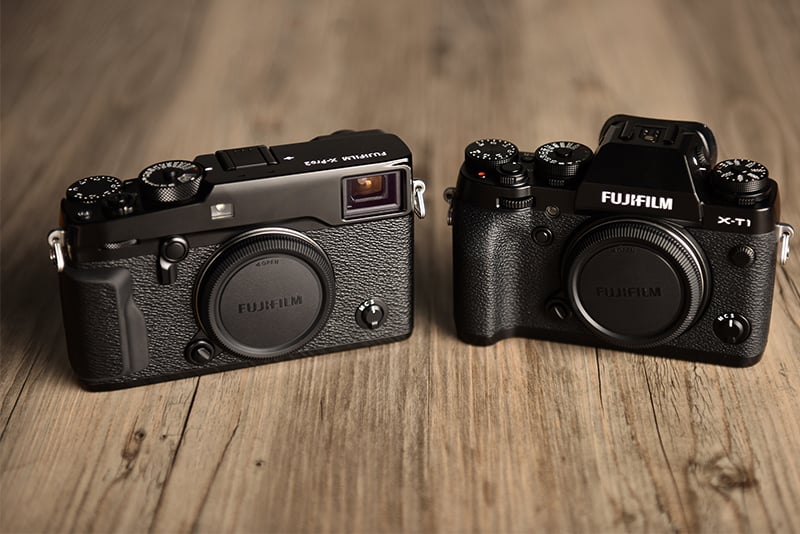
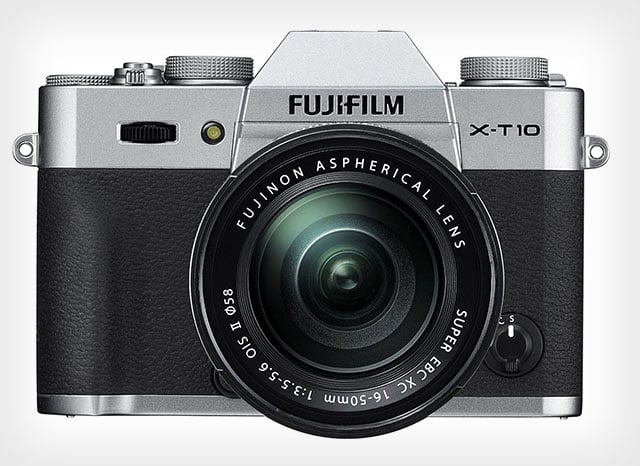
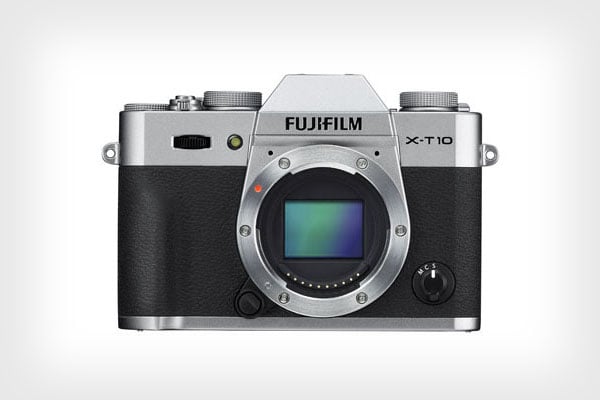
I personally own the Fujifilm X-T10, but I became curious recently: is the new X-Pro2 worth the upgrade, or is the X-T1 enough of an upgrade from the X-T10?
I wanted to make the tests as fair as possible so I shot almost all of them inside my studio, as the lighting and conditions don’t change. All shots were taken using same lens, the Fuji 18-55mm f/2.8-4.
Side By Side
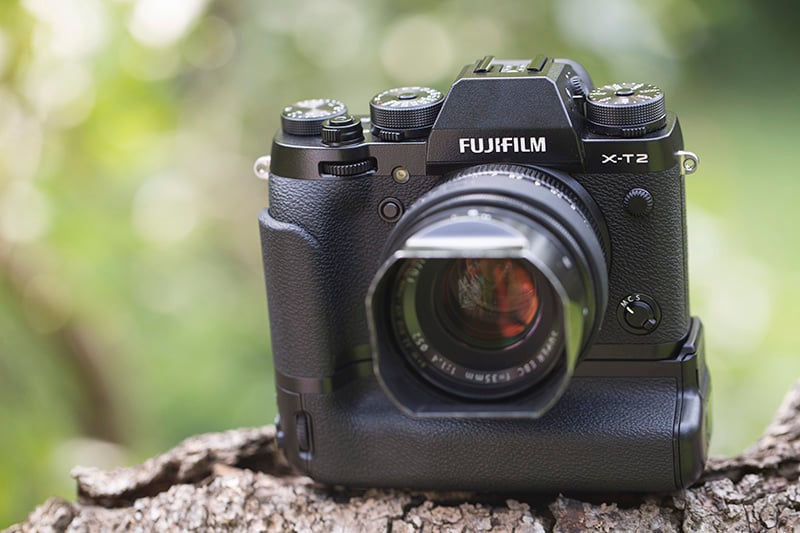
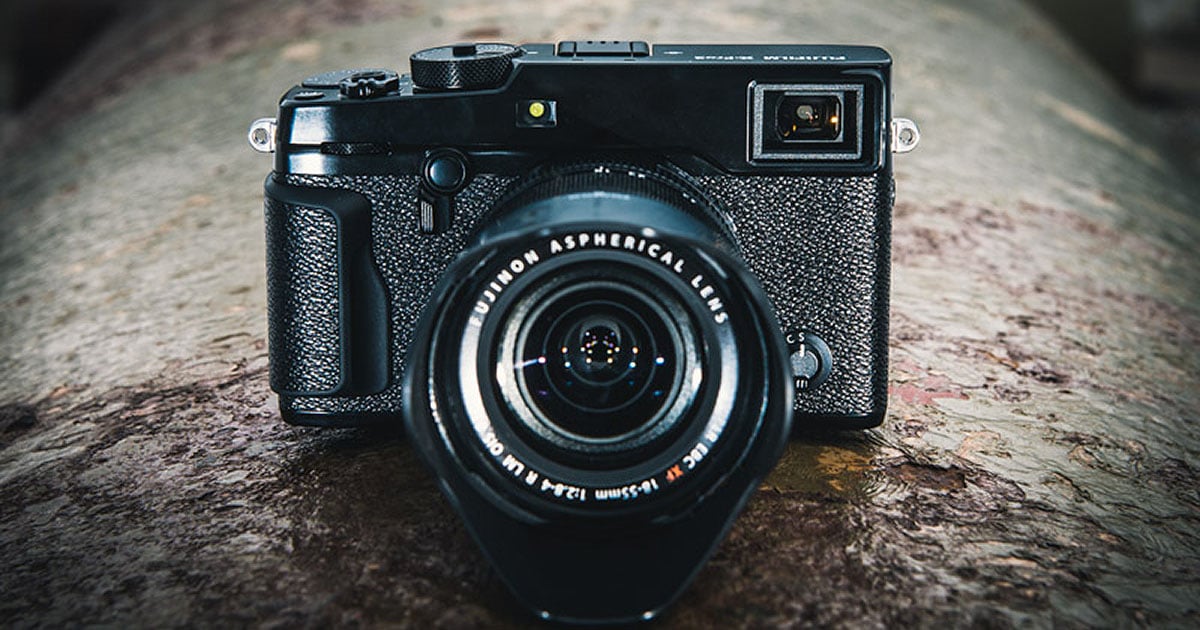
Below is a side by side comparison of the two cameras. For me, the X-Pro2 feels more sturdy, it’s like I’m holding a small version of a full frame pro DSLR. And I think it really is a dust-proof, splash-proof and freeze-proof body, just by the feel of it — it feels like a tank.

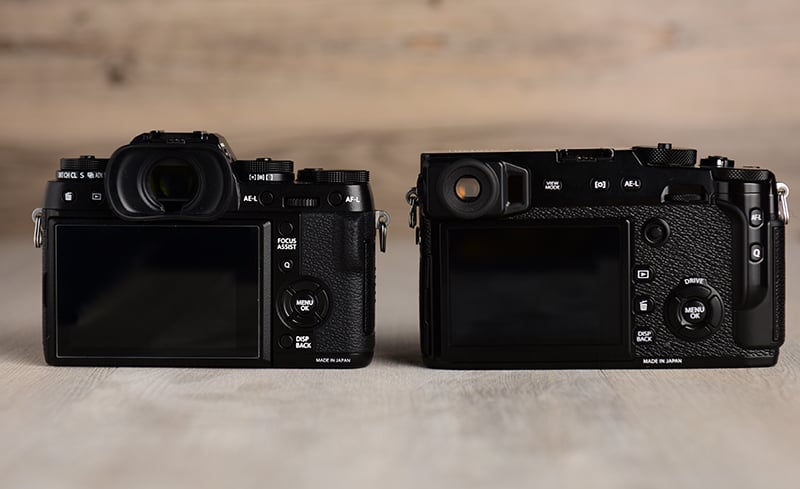
The menu of the X-Pro2 is also different and more organized.
On the quick menu, you can also go to down/up to -4 to +4 on the highlights, shadows, colors, and contrast. You can only go down/up to -2 to +2 on the X-T1. I find this very useful if you want to do all things in-camera.
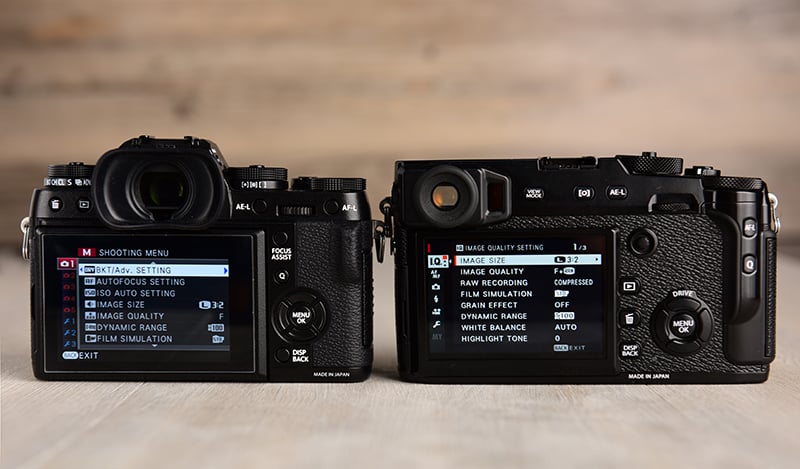
Dual SD slots on the X-Pro2.
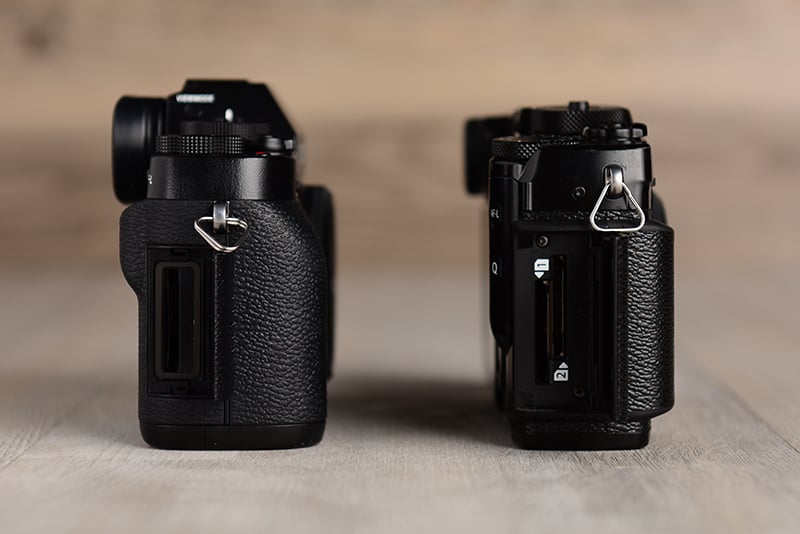
The X-T1 has the flash sync port on the front, and X-Pro2 on the side.
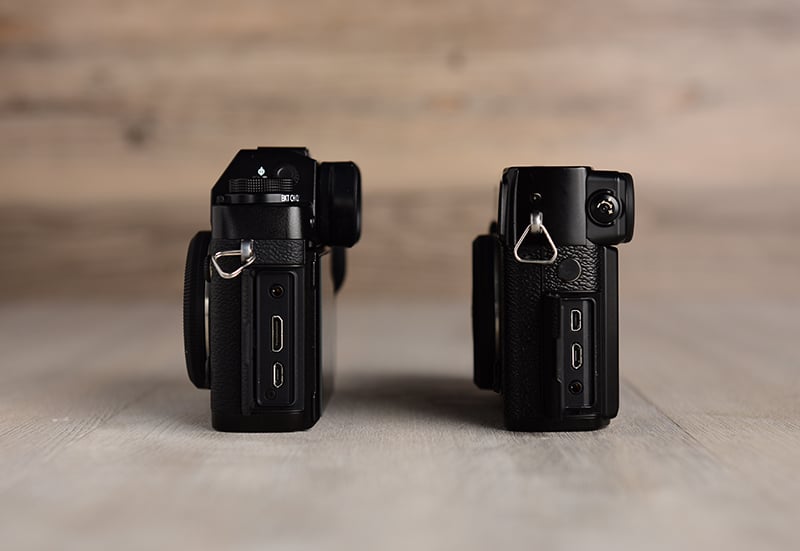
Also different dials on both of the cameras as the X-Pro2 is a rangefinder type camera, and the X-T1 is a DSLR type.


If you’re not used to the X-Pro, you need to adjust a bit to the ISO dial but you get used to it after some time.

The ISO Dial of the X-T1 is on the left side.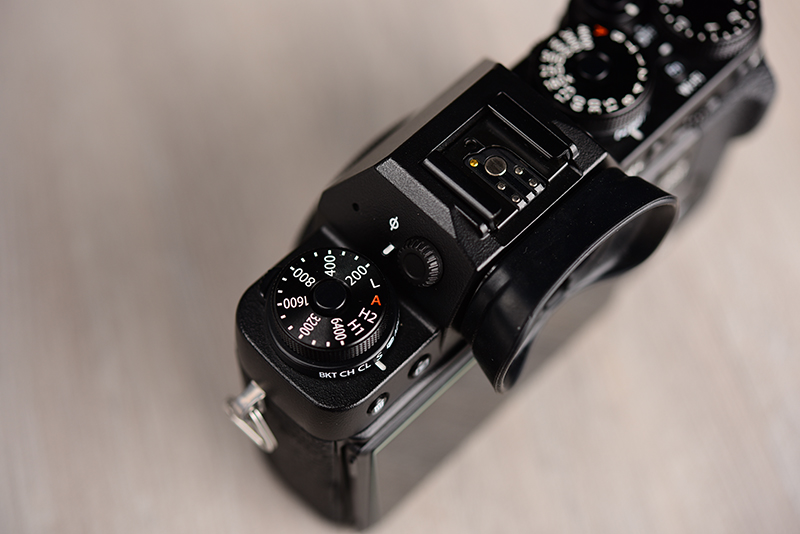
There’s an added Focus Level for the X-Pro2 where you can move the joystick in eight directions (which I didn’t use for some reason).
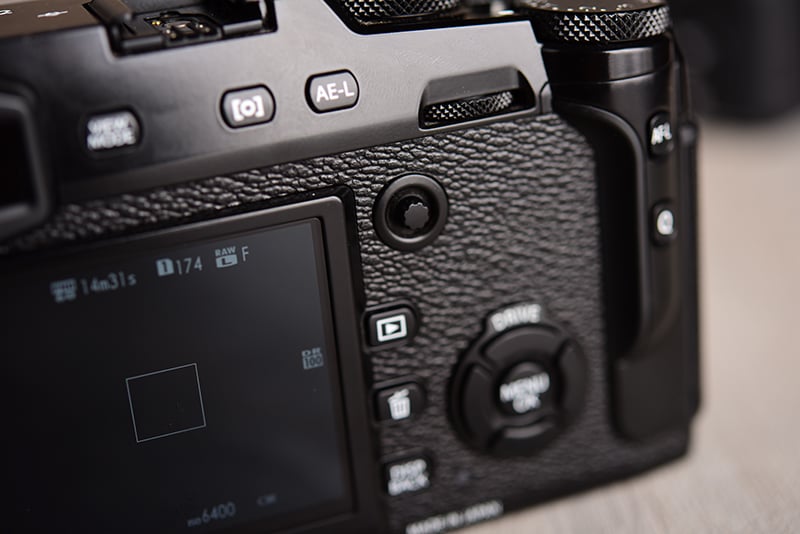

The Hybrid Multi Viewfinder with Electronic Rangefinder on the X-Pro2.


The tilt screen on the X-T1, which I find very useful.

Focusing and Speed
The speed of the X-Pro2 is faster than the X-T1, from turning it on to how fast the viewfinder refreshed after clicking the shutter.

I tried the focusing speed and accuracy on both of the cameras.
The first test was focusing the lens to infinity and using AF-S single point focusing on one part of the watch. The watch was well-lit with a soft box and reflectors placed near the subject.

Both camera focused quickly without any problem and almost the same time, with the X-Pro2 about .10 to .20 seconds faster.
Shot with the same settings on both of the camera and straight JPG. WB: Kelvin 5600, Classic Chrome, Sharpness +1, Highlights +2. 1/160, ISO 200, f4


I also wanted to try focusing on a back-lit subject, so I placed 3 studio strobes pointing at the white seamless paper, and placed a 300 watts flood light pointing directly at the subject.


Both cameras had a hard time focusing when I placed the focus point on the battery’s logo, so I adjusted the focusing point on the rim light on the battery and both cameras got it.

Even with the same settings, the X-Pro2 showed more details on the battery.

The next test was extremely hard because only a very small amount of light was hitting the subject, the X-Pro2 got the focus almost half of the time and the X-T1 got none.

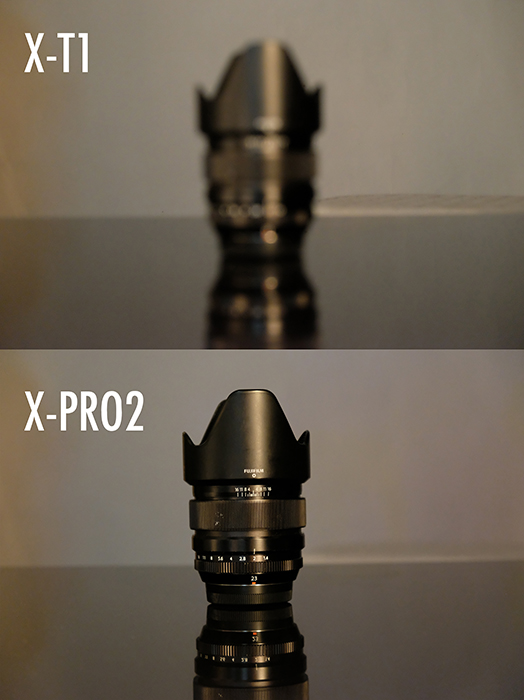
I also tried a quick outdoor test shot. Focusing was AF-C + Zone on both cameras. The X-Pro2 got 4/5 in focus while the X-T1 got 3/5 in focus.

Burst Mode High and Outdoor High Speed Photography Test
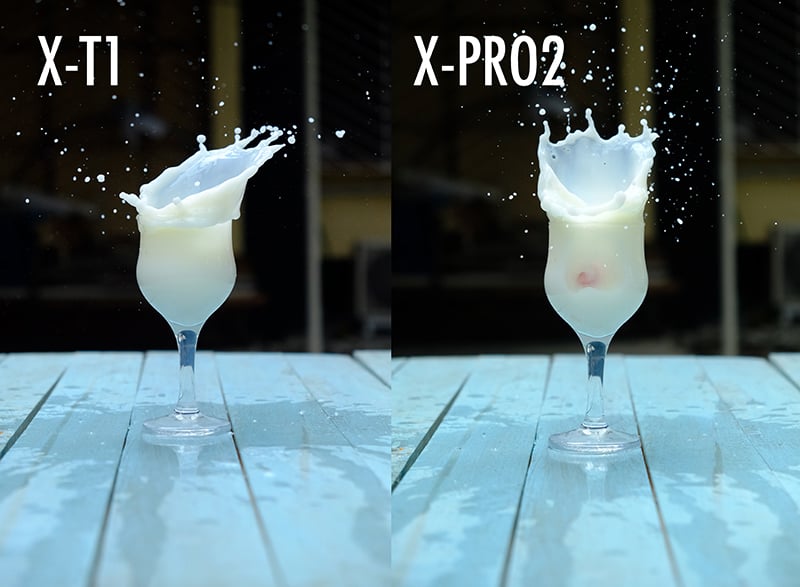
To test the burst mode of both cameras I did a high-speed photography test with milk splashes. Both cameras are 8 FPS on Continuous High.


Both settings of the camera were the same. WB: Auto, Velvia, Sharpness +1. 1/4000, ISO 1600, f/4



Color Test
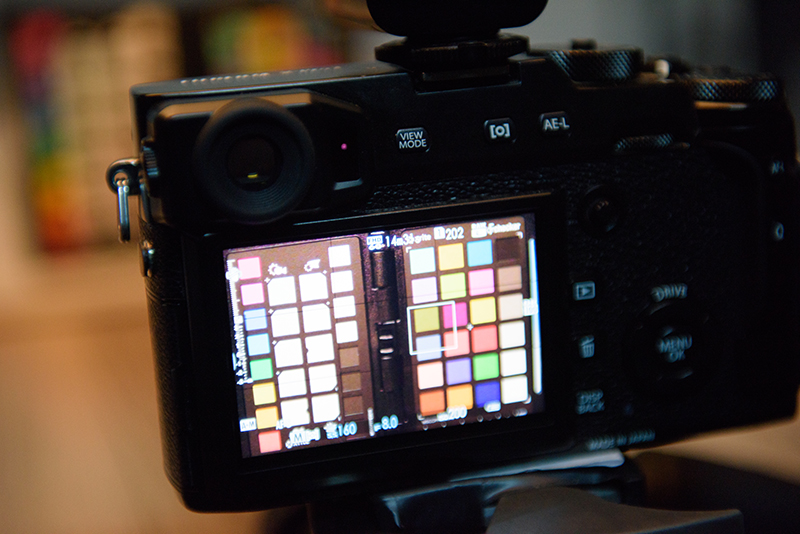
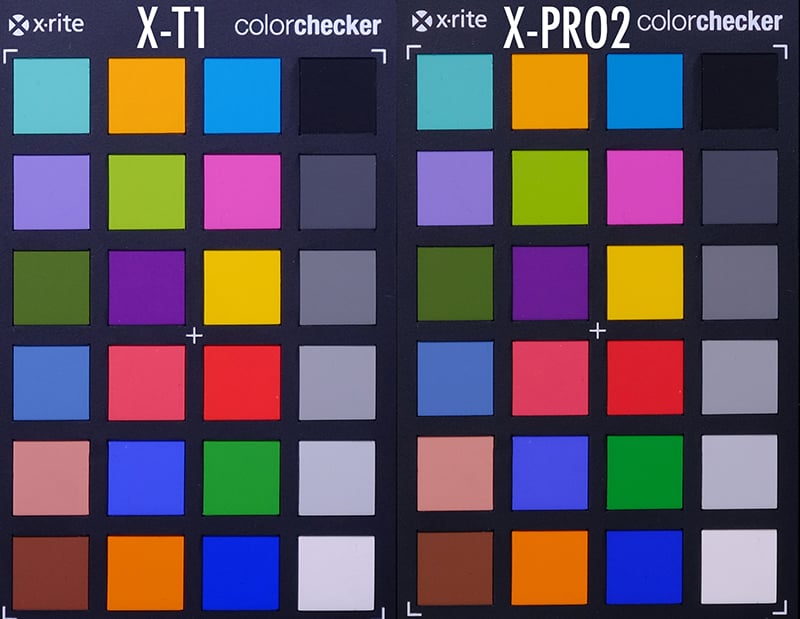
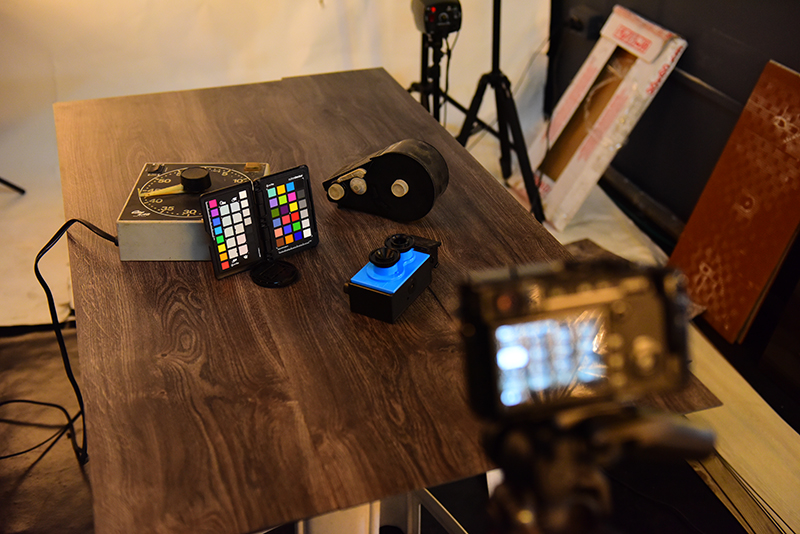
To test the colors on both cameras I used the X-Rite ColorChecker.


Same settings on both of the camera. WB: Auto, Provia, 1/160, f8, ISO 200
It’s really hard to tell the difference between the two.

ISO Test
Using only ambient light on the ISO test. I couldn’t find any difference until it went to about ISO 1600, and the X-Pro2 just amazed me when it went to up to 25,600 which is still very usable.


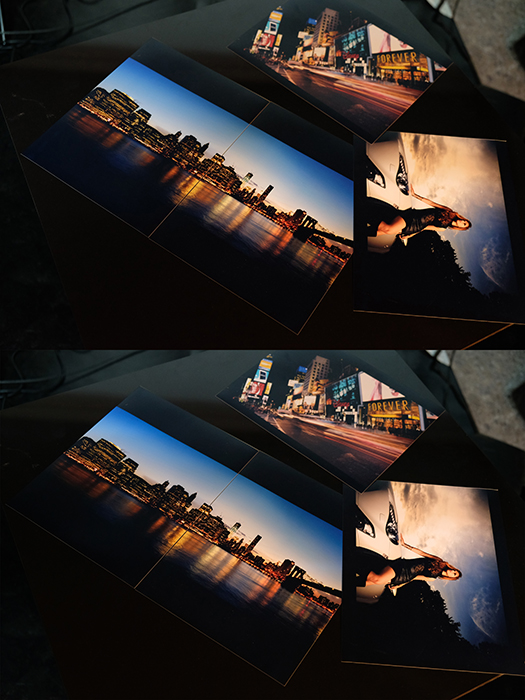




Extra ISO settings on the X-Pro2, iso 8,000 and ISO 10,000




RAW Test
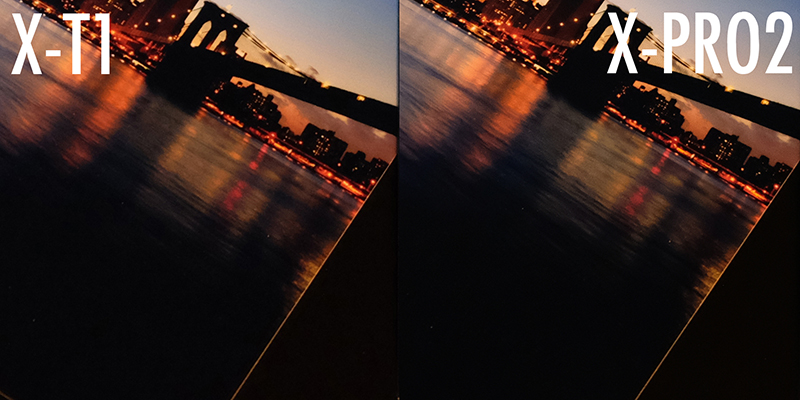
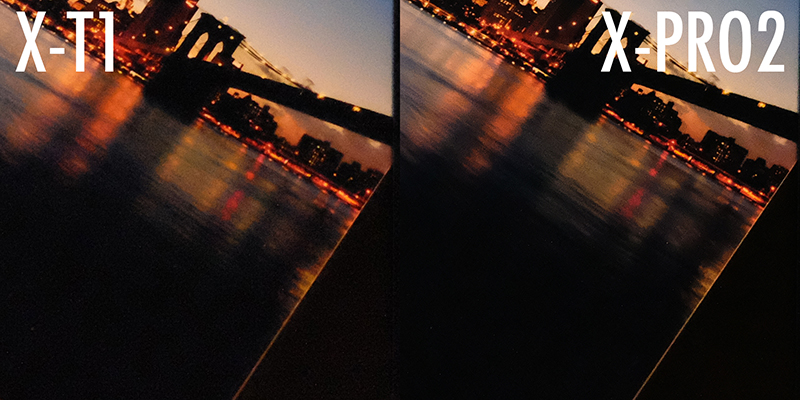
For the raw test, I shot about 5 stops under exposed on both cameras and brought the exposure back using camera raw.

Both cameras did pretty excellent getting those details back.


Portrait and Product Test
Shot with the same settings on both of the camera and straight JPG. WB: Kelvin 5600, Classic Chrome, Sharpness +1, Highlights +2. 1/160, ISO 200, f4.

The colors on the fuji X-Pro2 seems more vibrant. And when zoomed in about 1200px there is more detail in the X-Pro2, maybe because of the higher megapixel count.
Settings for both cameras were. WB: Auto, Provia, 1/8, ISO 200, f/5.6


Settings for the Portrait test were WB: Auto, Provia, 1/160, ISO 200, f/8
I got a big mama on the back of the subject (the girlfriend), and a softbox above her. Also placed a reflector below her for fill.
The results were the same as the watch, the X-Pro2 having more vibrant colors and more contrast against the X-T1.





This is how big the 24.3 Megapixel of the X-Pro2 is compared to the 16.3 Megapixel on the X-T1.

Conclusion
First of all, the X-Pro2 is the flagship camera of Fujifilm and is also newer than the X-T1.
At first when I was only using the LCDs of the cameras, I had a hard time looking at the difference between the image quality of both. After transferring it to my computer and putting the images side by side, however, the X-Pro2 seems more vibrant than the X-T1 straight of the camera. For me, it is also faster and built sturdier than the X-T1.
If you are still using the original X-Pro, then no doubt go straight to the X-Pro2. But if you are using a different camera, then it’s quite a tough choice (with rumors of an X-T2 on the horizon, the choice is even harder).
If you are the rangefinder type of photographer, need a higher megapixel, or want to shoot at a really high ISO, go for the X-Pro2. But if you’re not, then the X-T1 or even the X-T10 (same sensor as the X-T1) would do the job, and you can use your remaining money for lenses.
In the end, both are excellent cameras.
I would like to thank Fujifilm Tokyo Headquarters and Fujifilm Philippines, especially Glenn Gatan for assisting me with the X-Pro2. I would also like to thank Doc Ian DV Photography for lending me his X-T1 for this test.