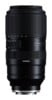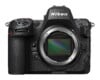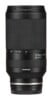
Yes, the Tamron 70-300mm f/4.5-6.3 is a bit of a conundrum. It's reasonably priced compared to the S-line Nikkors, but that also means it doesn't deliver the same level of optical performance.

Yes, the Tamron 70-300mm f/4.5-6.3 is a bit of a conundrum. It's reasonably priced compared to the S-line Nikkors, but that also means it doesn't deliver the same level of optical performance.
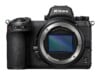
Like the Z6 before it, the Z6 II is an excellent camera, and as I write this, it's a better camera than the Sony A7 Mark III it competes against. But the problem is this: Nikon's left the Z6 on the market.
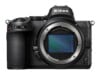
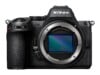
The Z5 is often highly discounted now (2025), which makes it a bargain entry-level, full frame camera. I'll just say up front that, unless you're heavy into video, it doesn't feel like you lost much by picking the Z5 over the Z6.
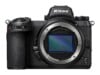
The Z7II is absolutely going to show off the S lenses.
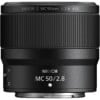
The 50mm f/2.8 MC is probably the most meh lens Nikon has produced in the Z-mount lineup.
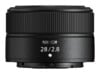
Plenty of folk are going to embrace this muffin of a lens. Nikon has priced it well for what it is and does, and the compact nature adds an important capability to the Z-mount offerings that some will want.
The Z9 is a top performer, and a bit of a bargain.
Sometimes the sum of the new, old, and borrowed parts is greater than the sum of the parts. And I believe that's the case with the Zf.
If you need a faster lens (by a stop) and don't want to pay for it with both your wallet and neck weight, the 28-75mm f/2.8 does step in nicely.
I tried to map the element movement during zoom, and it appears to be highly complex (front and rear moving different distances).
Thus, my final recommendation should be obvious: I can wholeheartedly recommend the lens, if it's really the lens you need, a lens you will use regularly, and you can deal with the longer subject distances you're likely going to be using.
It's video quality is excellent, too.
It's actually a very decent camera that takes excellent stills and videos. But so too does the Z50.
The Z5II is an exceptionally good update to a long-established favorite camera.
The Tamron 50-400mm f/4.5-6.3 is a very good lens on full frame cameras, a better lens on DX bodies (though heavy). It has a wide focal length range and close focusing abilities that should be attractive to users looking for an all-around telephoto zoom.
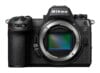
The Z6III is the best US$2000-2500 camera Nikon has made in a long time. It’s a class leader product in many categories, which makes it highly competitive with the Canon and Sony choices (both of which are aging).
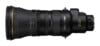
The 400mm f/2.8 S TC VR is the first of the Z-mount exotics.
Unfortunately, I just can't quite put a "recommended" rating on it: there's just a little too much to watch for in terms of corner performance, particularly when you also have to watch out for field curvature and focus shift.
The Z-mount version is a better macro lens than the 105mm f/2.8G, and returns more to Nikon’s original close-up “snap” than that most recent F-mount lens. Even outside of macro the lens performs quite well.
The Z-mount version is a better macro lens than the 105mm f/2.8G, and returns more to Nikon’s original close-up “snap” than that most recent F-mount lens. Even outside of macro the lens performs quite well.
Nikon got this just about right. The 24-70mm f/2.8 S is an impressive lens, and speaks to what they can do with the new, less restrictive lens mount.
If Nikon set their sights on producing the best possible all-around camera at an aggressive price, they can consider it mission accomplished.