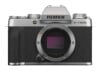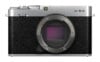
If stills shooting is your thing, the X-E4 might be the perfect choice for you. It’s powerful, it performs in all sorts of situations, and it looks and feels great in your hands.

If stills shooting is your thing, the X-E4 might be the perfect choice for you. It’s powerful, it performs in all sorts of situations, and it looks and feels great in your hands.
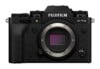
If you’re willing to give the X-T4 the time to learn your way around it, it would look after you with phenomenal image quality and high performance for years to come.
[S]ome might call it the Holy Grail.
While the learning curve is steep, for the price and the performance, I’d say it’s definitely worth powering through those issues.
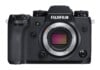
With enough time invested on learning your way around the X-H1, it would be possible to overcome most of the issues I found with the layout and get fantastic results from the camera – but you REALLY need to spend that time with it and learn its nuances to get the best results.
It’s not without its quirks, but they certainly aren’t enough to hold it back as a great camera choice for pro and semi-professional shooters, both for stills and video.
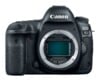
Canon’s EOS 5D Mark IV is now two years old, but it’s still holding its own in the professional photography world as a high performance stills camera for the discerning stills shooter.
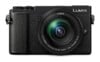
To everyone who’s ever asked me what camera to buy “to take nicer photos than my phone” — get a Lumix GX9.
It may not boast the features that so many shiny new cameras do, but the Lumix GH5 isn’t about being flashy – it’s about being hardworking, high performing and consistent, and I would gladly welcome it into my camera family.
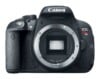
With the Canon EOS 700D, and the amount of in-built setting options, it’s like a bridge between the high-end DSLR world and the pocket digital camera landscape. And it works magnificently well.