It's a tiny and incredibly lightweight lens but performance is really excellent when it comes to image quality.

It's a tiny and incredibly lightweight lens but performance is really excellent when it comes to image quality.
This camera delivers high quality, correctly exposed images with plenty of detail, good colour and well-controlled noise.
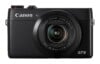
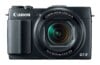
With a 1-inch 20.2-million-pixel sensor and high quality build, the G7X is a strong competitor against the Sony RX100 II. The lens control ring and touchscreen make settings adjustment quick and the image quality is excellent.
A well-performing camera that has just a few small let-downs. A good range of features for the beginner photographer.
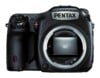
The main aim of using a medium format camera is to produce higher quality images than is possible with a small format camera and the Pentax 645Z certainly delivers in this respect.
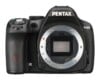
Image quality from this camera is excellent, even at high sensitivity settings. Also, the autofocus system is fast and accurate; it can even cope with very low light levels, making this a great camera for enthusiasts [...]
It's a great camera but its comparatively low pixel count and high price mean it's unlikely to have wide appeal amongst enthusiast photographers. However, it will find favour with those who need to be able to shoot in near-dark conditions or want lots of control over video.
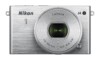
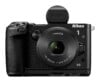
The J4 performs well and looks good – fans of Nikon will particularly enjoy this camera, while those who aren't can enjoy an easy to use compact system camera.
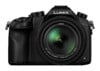
The Panasonic FZ1000 is an excellent bridge camera, but it's also rather large and expensive for the genre.
Great to use and part of an ever expanding system, the Nikon V3 is the company's best CSC yet.
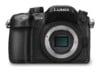
The GH4 has some of our most sought-after features; a high-resolution EVF, a vari-angle screen that's touch-sensitive and Wi-Fi connectivity.
By keeping the same sensor but basically rebuilding the rest of the camera's key components around it, Canon has produced something which could potentially worry the likes of Sony and Fuji – it will be interesting to see how sales figures shape up.
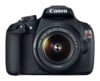
Canon has once again produced a reliable camera capable of creating some beautiful images. If you're in the market for your first DSLR and you're fine with a no-frills purchase, then the 1200D is a great option.
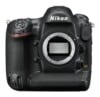
The D4S is a great workhorse for professional photographers. It's built to last and gets great shots in conditions that would be too taxing for other cameras.
The best thing about this camera is its weatherproofing credentials, so to get the most of it, partner it with the 18-135mm f/3.5-5.6 WR (weather resistant) optic.
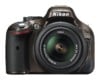
The Nikon D5200 is a solid performer that delivers images with well-controlled noise and plenty of detail, albeit with slight banding in some images taken at IS0 3200 and above.
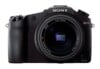
Image quality is excellent, while handling is solid and reliable, with the customisation giving it a real enthusiast feel. Other touches such as the aperture ring and top plate LED also elevate it beyond the standard bridge camera.
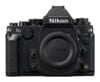
It may not be the camera for everyone, but many enthusiasts will love the Df's retro styling and go-anywhere capability.
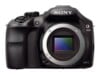
Sony has produced another good camera in the shape of the a3000. It's not hugely exciting, but it's not meant to be.
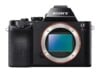
Both the Sony A7 and the A7R are fantastic innovations. But for now, the system isn't quite complete enough.
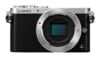
Move over Nikon 1 and Pentax Q, Panasonic has made a fantastic small compact system camera but managed to include a large sensor that produces excellent images.
The G16 marks another incremental upgrade for the G series of compacts, which remains a solid and reliable camera in the now fairly crowded premium compact market.
The AW1 will get you decent shots well off the beaten track.
Sony has upgraded some of the already existing apps and added new ones that can be downloaded to make this camera (and its predecessor) customisable as to how you want to use it.