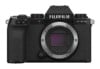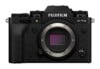
[T]he mirrorless X-T4 camera is another solidly built, solid performing offering from Fujifilm, for when you want an interchangeable lens APS-C sensor mirrorless camera that can punch above its weight and compete with a mid-range APS-C DSLR [...]

[T]he mirrorless X-T4 camera is another solidly built, solid performing offering from Fujifilm, for when you want an interchangeable lens APS-C sensor mirrorless camera that can punch above its weight and compete with a mid-range APS-C DSLR [...]
As usual with Fuji, the X-S10 holds appeal for a couple of markets; namely a mainstream one via first time mirrorless converts with relatively deep pockets who want to get more hands-on control than their smartphone will allow [...]
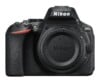
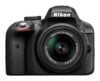
If you’re looking for an entry-level digital SLR and choosing the Nikon D5600 in insolation then we reckon you can’t go far wrong.
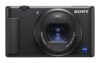
Rather than updating the already excellent RX100 series, Sony’s vlogging compact makes a lot of sense. You get a one-inch sensor, a fully-articulating screen and a range of very video-friendly features.
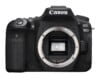
Well built, reasonably fluid in use and festooned with plentiful control options, both in terms of physical buttons and its touch screen menus, the Canon EOS 90D is the very definition of a ‘comprehensive’ camera.
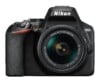
Offering an impressive battery life, richly detailed images and a relatively compact build for its class, if you want a DSLR format camera and are just starting out on your photographic journey, then the Nikon D3500 is a can’t-go-wrong option.
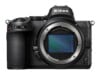
The Nikon Z5 has an enticing set of specifications for the entry-level full-frame user, especially when you consider just how small the camera is.
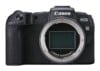
Just like its bigger, more expensive brother, the Canon EOS RP is a bit of a mixed bag. There is plenty to like about it - but it's also got its fair share of niggles that make it frustrating at times.
The D3400 has an excellent autofocus system, brilliant battery life and superb image quality, but it’s also easy enough for complete beginners.
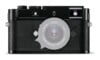
I think the Leica M Typ 262 is a beautiful camera, it's sleek, it's simple, it's functional. It's also understated, which is useful for street photographers.
The smaller size meant that we are going to be taking it out with us more often than we would a DSLR with equivalent lens, which is kind of 'point proved' as far as the usefulness of smaller format mirror-less system cameras goes.
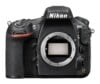
The 36.3 megapixel D810 targets both pro photographers needing that maximum resolution for potentially huge enlargements, as well as aspirational advanced photographers who will appreciate a lower price point than the flagship Nikon D4S.
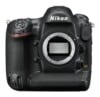
Strap the D4S on and you almost feel like you've put on a suit of armour. Immediately we're walking taller.
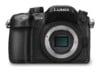
You could even argue that professionals will find the GH4 of use if they're sick of lugging around a much heavier and bulkier DSLR, and don't actually need billboard-sized pictures.
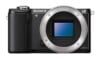
[T]here might not be particularly revolutionary about the 20.1 effective megapixel A5000 to set it apart from its NEX branded forebears, apart from it being the smallest and lightest of its kind on launch, and offering bang up to date wireless connectivity options.
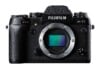
Is the DSLR-styled 16MP megapixel Fujifilm X-T1 worth your pennies? Well, with the X camera series the appeal has always been as much, perhaps more, about how the camera looks as to how it performs.
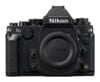
The Nikon Df is great concept, but we can't help that it feels slightly short of the mark in its aim to mix vintage styling and mechanics with modern technology.
The Nikon D3300 is a superb entry-level DSLR - the upgrades from the last model are small but significant and the combined result is superb. And the new, compact lens is simply fantastic.
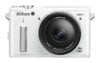
The waterproof, drop-proof, freeze-proof and dust-proof AW1 is currently one of a kind when it comes to compact-styled interchangeable lens cameras.
The Nikon D5300 has much to recommend it in a high pixel count and the versatility of a tilting LCD screen, along with alternative of an eye-level optical viewfinder plus the built-in Wi-Fi connectivity option anyone upgrading from a smartphone would expect.
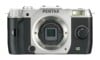
The fact that compared with larger, pricier CSC rivals the 12 megapixel Pentax Q7 appears like a bit of a toy may actually appeal to those who like their tech on the cute side.
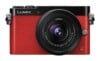
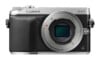
The 16 megapixel Panasonic Lumix DMC-GX7 arguably packs in all that anyone would want from a premium level system camera - apart from an APS-C sized sensor. So if you're hankering after one of those for closest to DSLR quality without actually being a DSLR, then look elsewhere.
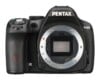
The Pentax K-50 makes for a good starter option, and we were impressed with the lightning quick speed of its operation at this price point - with auto focus being particularly impressive.
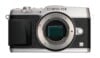
Despite being a compact system camera the E-P5 is not a pocket camera, either. But then, when it looks this good - and provided you can justify the outlay - why would you want to do anything other than attach the provided shoulder strap and show it off?