The Nikon D500 goes head-to-head with the Canon EOS 7D Mark II, and offers 10fps continuous shooting, an updated and rapid focus system with excellent frame coverage, as well as 4K video.

The Nikon D500 goes head-to-head with the Canon EOS 7D Mark II, and offers 10fps continuous shooting, an updated and rapid focus system with excellent frame coverage, as well as 4K video.
The Nikon D5 will be a welcome upgrade to anyone who is already shooting with a Nikon D4s, D4, or D3s, with faster continuous shooting, improved focus system, and increased resolution as well as an expanded ISO range.
The Fujifilm X-Pro 2 offers all of the features found in the X-T1, along with the latest updates that have improved focus speed and options.
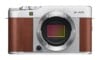
If you're in the market for a mirrorless camera, then you can't really go wrong with the Fujifilm X-A3.
The Panasonic Lumix GH5 features a 20 megapixel Micro Four Thirds sensor, with sensor based 5-axis image stabilisation, combined with the lens' optical image stabilisation, which gives benefits for both stills photography and video recording.
Above all, the Fujifilm X-T2 delivers excellent image quality, with high speed focus, and excellent noise performance. Every new release from Fujifilm gets better, and the X-T2 certainly delivers great results.
If you can look past the plastic build quality, and plastic construction of the lenses available for the camera, then you have a neat and compact system. However, there is a premium price on this camera, which makes the alternatives feel like better value for money.
The Canon EOS 80D is an impressive update to the 70D, and whilst it may not be a particularly revolutionary update, the evolutionary update to an already good product, is definitely a good thing.
Designed to be an entry-level, easy to use DSLR the D3400 features built-in Bluetooth (but not Wi-Fi) and unfortunately, there are limitations including the inability to shoot remotely, and the camera has less connectivity than the D3300.
When launched the Olympus OM-D E-M1 Mark II was an excellent camera, capable of producing excellent images, and it still is.
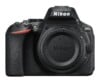
The Nikon D5600 offers a larger than normal 3.2inch touch-screen, and a surprisingly compact DSLR camera body.
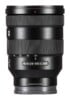
The Sony FE 24-105mm f/4 G OSS performs very well indeed on a technical level, but also produces clean, sharp, smooth images that give overall an impressive aesthetic result.
If you have a collection of Pentax lenses, or want an affordable, high resolution Digital SLR, then the Pentax K-1 offers an extremely compelling offering.
The price of the Panasonic Lumix G9 puts it in to the professional area of the market, rather than enthusiastic amateur, and this could put some buyers off.
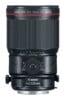
The Canon range of tilt and shift lenses is unique and impressive, and without a doubt, if there is a commercial need for what they offer then they will be purchased for that purpose and the price will be acceptable.
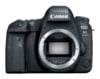
The Canon EOS 6D Mark II does enough to keep Canon shooters happy, delivering excellent colour, and high image quality, along with fast focus in both normal and live view shooting.
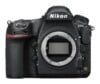
The Nikon D850 does everything you could ask of a new Digital SLR, whether you want high resolution images, or high speed shooting, it will do both, without complaining.
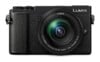
The Panasonic Lumix GX9 updates the GX8, with a more compact camera body, a tilting screen, and smaller electronic viewfinder (EVF), which is most likely unavoidable due to the smaller body size.
The Fujifilm X-A5 is a compact, easy to use mirrorless camera, with manual controls, and a compact kit lens.
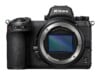
Like the Nikon Z 6, the Z6 II, offers great image quality, and great handling, but with added "oomph" as well as the convenience of an SD card slot.
The Fujifilm X-T100 is a retro styled mirrorless camera, that is easy to use, with manual controls, and a compact kit lens. There's a 24mp APS-C CMOS sensor that performs well, however 4K video is only recorded at 15fps, which limits it's usefulness, and focus could be quicker.
Focus and shot to shot times were both good, although the 3fps continuous shooting is looking a little dated, with competitors offering faster continuous shooting speeds.
The Canon EOS 4000D replaces the 1300D, but with a lower specification and low-cost camera body. Unfortunately, the camera currently costs more than the model it replaces and there's little to like about the 4000D.
With the introduction of in-camera image stabilisation, Fujifilm has joined Pentax, Olympus, Panasonic, and Sony by giving customers improved shooting possibilities for stills photography, allowing sharp shots to be captured at slower shutter speeds.