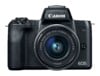
The Canon M50 is a nice, powerful and affordable little entry-level camera for people who want an interchangeable lens camera without having to schlepp around a huge amount of kit.

The Canon M50 is a nice, powerful and affordable little entry-level camera for people who want an interchangeable lens camera without having to schlepp around a huge amount of kit.
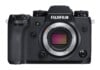
With the introduction of the new X-H1 camera, FUJIFILM is slowly but surely closing the gap between its video-oriented mirrorless photo cameras and its rivals. It is also very clear that FUJIFILM is very determined to listen and cater to the needs of the filmmaking community.
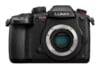
When it comes to video shooting, in my opinion, the new Panasonic GH5S is a superior product compared to the original GH5. Hence, the price difference is justified.
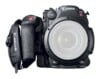
As I said at the beginning, it is really hard for me not to like the Canon C200.
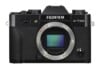
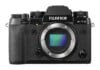
The FUJIFILM X-T20 offers a good combination between affordable price, video picture quality, fast accurate autofocus in video mode and portability.
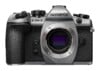
The OM-D E-M1 Mark II is a very big step forward for Olympus when it comes to video picture quality!
For now, I will avoid giving a solid conclusion as the camera I worked with is still in its beta stage.
The added dual pixel AF makes the overall working experience easier and more pleasant to start with, but you have to ask yourself if there are more cost-effective cameras for the money.
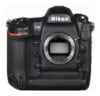
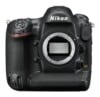
The Nikon D5 can produce beautiful imagery but is let down by a limited 3 minutes per clip recording time in 4K (UHD), alongside ergonomics and functionality that would frustrate any user who would expect smooth & direct access to some of the camera features.
[I]t seems like a fairly decent offering for filmmakers who need a compact camera that can go practically anywhere with them—as long as they don’t mind the typical Leica price tag.
The Fujifilm X-Pro2 is a nice addition to Fuji’s camera line and if they are looking to capture the attention of film makers, that camera is definitely a (small) step in the right direction.
If you make the direct comparison between this camera and the Sony RX100 IV for video usage, then the latter will beat the Canon PowerShot G5 X hands down.
The Canon EOS M10 is an entry-level large sensor camera. If you are willing to compromise functionality and video quality, this is the camera for you.
This camera is very interesting. Personally, I was at first very put off by the limited dynamic range and weird automatic noise reduction starting at ISO 800.
The Sony a7S II feels like a matured product. It is truly amazing to see how much technology is packed inside this little thing. As a documentary film shooter, this will become my preferred working tool.
For the money, this is the best option currently available.
All in all the Canon 7D mark II offers surprisingly nice looking and clean video with lovely and accurate colors and no aliasing or moiré.
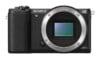
The Sony A5100 clearly comes in behind the Sony A7s in terms of image quality, with a softer, less clean image. However for $550 (what do you expect) it is still a good performer among DSLR cameras that currently shoot video on an APS-C sized sensor.
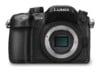
With the GH4 Panasonic managed to create a very unique and extremely affordable working tool.
All in all, working with this camera left me with the same feeling I had when testing the original model.
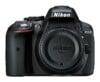
In terms of video quality Nikon just brought the best APS-C sensor VDSLR to the market.
While the T5 may lean more toward the basic side of things, the image quality is very good when it’s all said and done.
All in all, let’s stay realistic with expectations as this camera is not targeted at advanced users.
There is absolutely nothing that justifies this camera over the T3i/650D for filmmakers.