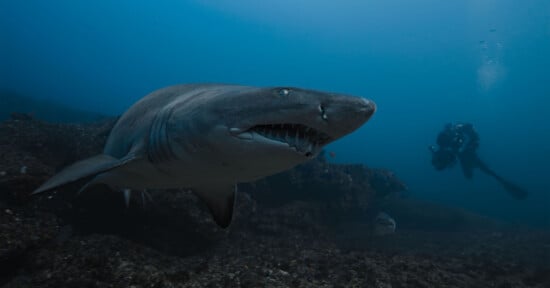
Blue Planet III Will Use Murky Footage to Prove No AI Was Used
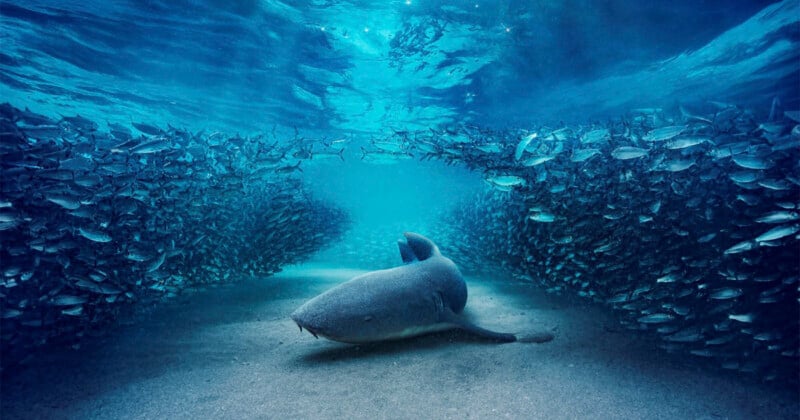
Despite turning 100 years old, David Attenborough is back to narrate Blue Planet III, the latest installment of the BBC’s long-running nature series.
Blue Planet III comes out at a time when people are questioning whether the images they see are real or AI-generated, and according to the BBC’s specialist factual commissioning head, Jack Bootle, this played into the crew’s thinking as they shot the underwater documentary.
“No gen AI was used in this series. Not a single frame. It’s all real photography,” Bootle said at a press screening, per The Guardian.
The executive producer, Elizabeth White, explained that the producers were happier to include shots that aren’t totally pristine, and that AI “makes us want to be even more authentic.”
White says that on previous underwater shoots, if there was a large amount of plankton in the water or something else that made it murkier, it would lead to that shot being excluded.
“[Previously], we might have framed out a boat or a buoy or gone: ‘Oh, actually … the water conditions are not really good enough for this.’”
White says that now such imperfections are being included because “we’re really leaning into that authenticity.”
Pushing the Boat Out
Bootle notes that Blue Planet III is “bursting with novel behavior” because of the high quality of wildlife filmmaking that exists today, which makes “people feel like they’ve seen it all before.”
Filmed over four years across five oceans, the series uses a range of specialized equipment to capture marine life and behaviour rarely documented on camera.
Innovations include a mini-dome camera designed to follow octopuses, a selfie stick for deep-sea filming, lasers to illuminate creatures in darkness, and leg-mounted scooters that allow camera operators to move quickly through the water. Splash drones and remote cameras designed for extended use also helped record activity beneath the surface.
One of the key developments is the “stonefish” camera, described by the BBC as the world’s first underwater CCTV camera.
Developed by producer-director Yoland Bosiger, it captured dolphins using sea sponges to block holes in coral, trapping fish hiding inside.
Other footage shows a grouper communicating with a fish of another species, around 200,000 crabs gathering in formation to feed, and sea urchins using shells to shield themselves from the sun.
The series also features penguin behaviour that recalls the iguana and snake sequence from Planet Earth II.
Affiliate Disclosure PetaPixel articles may include affiliate links; we may earn a commission if you buy through one.