A Single Photo Could Help AI Assess How Sick a Patient Is
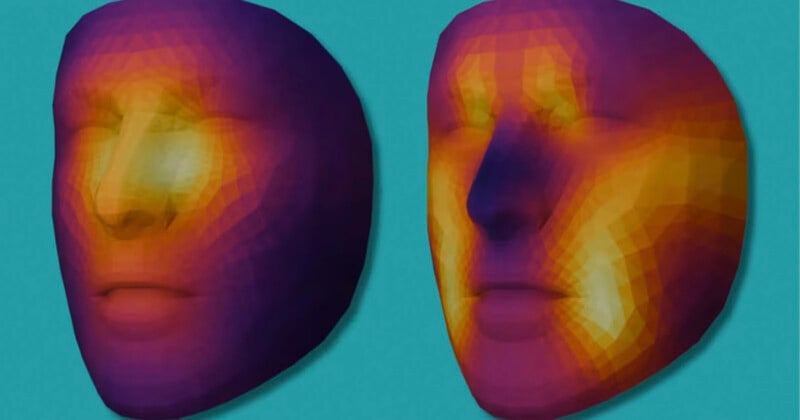
Researchers have developed AI tools that use photographs of a person’s face to estimate biological age and predict survival outcomes among patients with cancer.
The findings, published October 19 in The Lancet Digital Health by researchers at Mass General Brigham in Boston, suggest that facial analysis could eventually provide doctors with additional information when assessing patients’ health and deciding on treatment options.
The tools are based on FAHR-Face, an AI model trained on more than 40 million facial images representing people across different ages and ethnic backgrounds.
Researchers adapted the model to create two systems: FAHR-FaceAge, which estimates biological age, and FAHR-FaceSurvival, which predicts survival outcomes for people with cancer. Biological age refers to aspects of a person’s physical and cellular health and may differ from their chronological age.
The FaceSurvival model focuses on features around the bridge of the nose and beneath the eyes when estimating mortality risk. In the study, the model identified a group of 122 cancer patients at high risk of death, of whom 52.5% died within 90 days of the assessment. By comparison, about 2% of the 975 patients classified as having the lowest risk died during the same period.
The FaceAge model also identified differences in outcomes based on estimated biological age. Among 1,060 patients whose biological age was estimated to be more than 20 years above their chronological age, 21% died within 90 days. In contrast, approximately 6% of 4,195 patients whose biological age was estimated to be at least 10 years below their chronological age died within that period.
The researchers found that the models performed across different cancer types and levels of disease severity, including cases in which cancer had spread to the bones or brain. The patients included people from the United States and the Netherlands, ranging from children to adults in their 90s, although most were in their 50s and 60s.
FaceAge assesses other facial features associated with apparent aging, including the forehead, temples, cheeks, and the lines around the nose and mouth. The researchers also found associations between certain lifestyle factors and higher estimated biological age. Heavy alcohol use, drug use, and smoking were associated with appearing biologically older.
The BBC notes that the models were generally consistent when analyzing photographs taken under different lighting conditions and with variations in facial expression, pose, and makeup. Cosmetic procedures also had little effect on their performance overall, although researchers observed a small change in estimates following rhinoplasty, or nose surgery.
Dr. Raymond Mak, a radiation oncologist at Mass General Brigham Cancer Institute and a member of its Artificial Intelligence in Medicine program, tells CNN that the results surprise him.
“I was pretty surprised to find out that we could pick up signs of mortality risk from just a facial photograph,” he says.
The researchers say the tools are intended to support medical professionals rather than replace clinical examinations or physicians’ judgment. Doctors already assess patients’ overall health and fitness through examinations and diagnostic tests when determining prognosis and whether intensive treatments.
“As the population ages, physicians need better ways to estimate physical reserve and frailty before recommending intensive treatments such as radiation, surgery or systemic therapy,” Mak says. “Our goal is to make face photograph-based health assessment more quantitative, consistent and scalable so it can support personalised treatment decisions rather than replace physician judgment.”
Image creditsPhotographs by Mass General Brigham
Affiliate Disclosure PetaPixel articles may include affiliate links; we may earn a commission if you buy through one.


