This Forgotten 30-Year-Old Digital Camera Predicted the Future
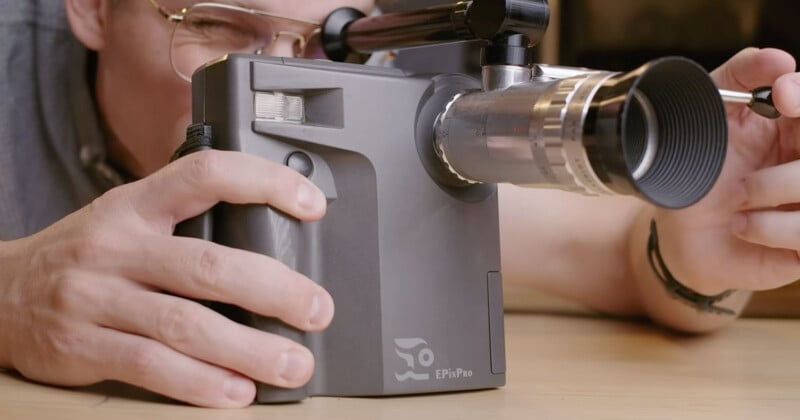
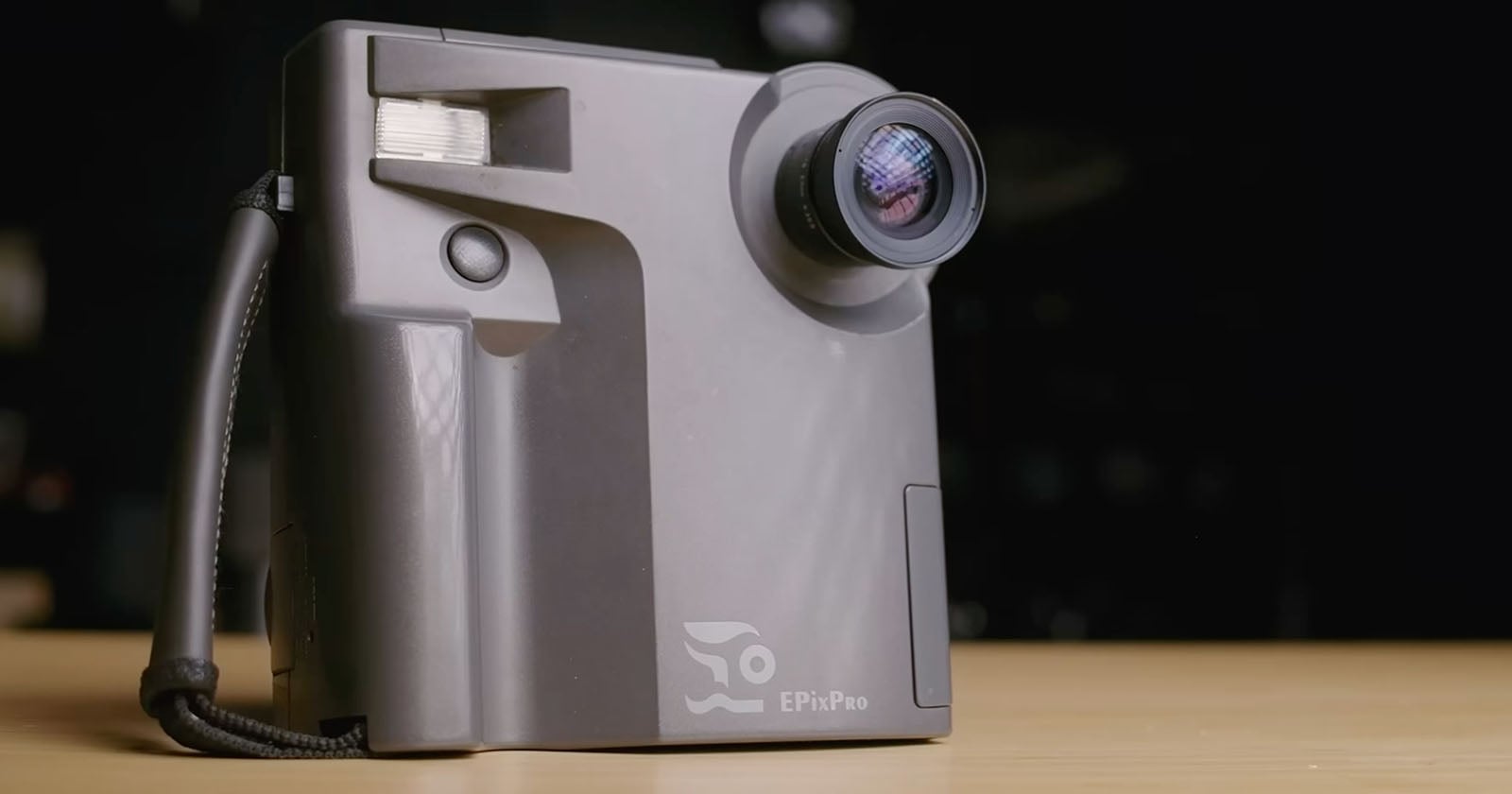
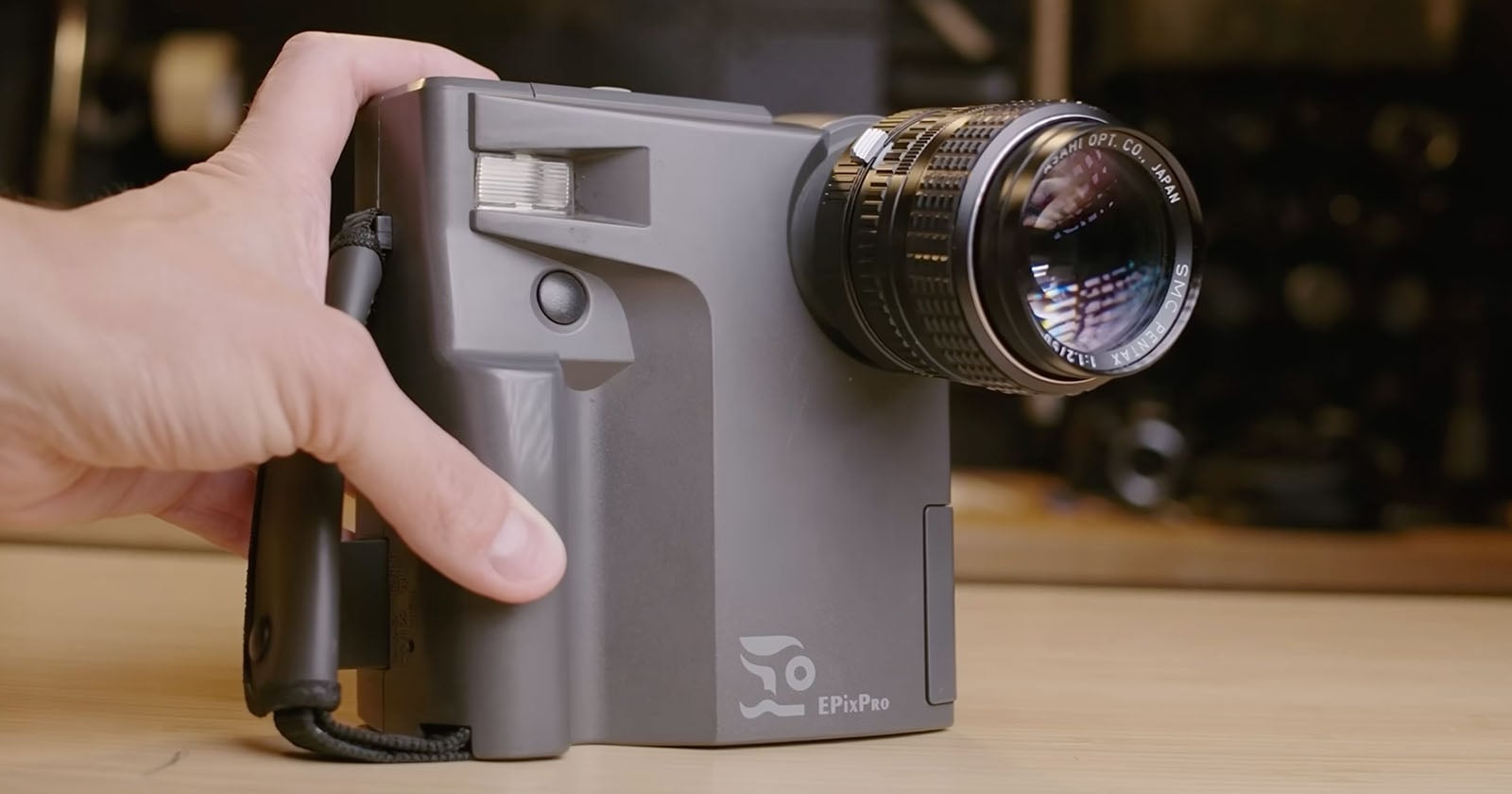
James Warner, the photographer behind the YouTube channel snappiness, has gotten his hands on yet another bizarre piece of camera history. This time it’s the EPixPro, or is it the Obsidian Imaging IC/100? Or maybe it’s the NEC PC-DC401? Whatever it is, it’s weird, it’s wacky, and it’s worth checking out. It’s also maybe psychic?
Warner’s particular version of the camera, grabbed online for about $400, has EPixPro branding on the front, Obsidian Imaging on the packaging and instructions, and an NEC chip inside.
When this camera launched back in 1996, released by a digital camera startup that clearly went through some name changes, it was $2,000.
“It’s one of the most unique cameras I’ve found to date,” Warner explains.
As Warner explains, the EPixPro-slash-Obsidian IC/100 is a very unusual, rare, almost entirely forgotten camera.
“I only heard about this camera by digging through some old photography magazines from the ’90s, as one does in their spare time, and its unique design and features caught my attention,” Warner says. “In my years of searching, I’ve only seen a handful ever listed for sale, and none ever included all the original accessories and software like this one had, so I scooped this one up as soon as I could.”
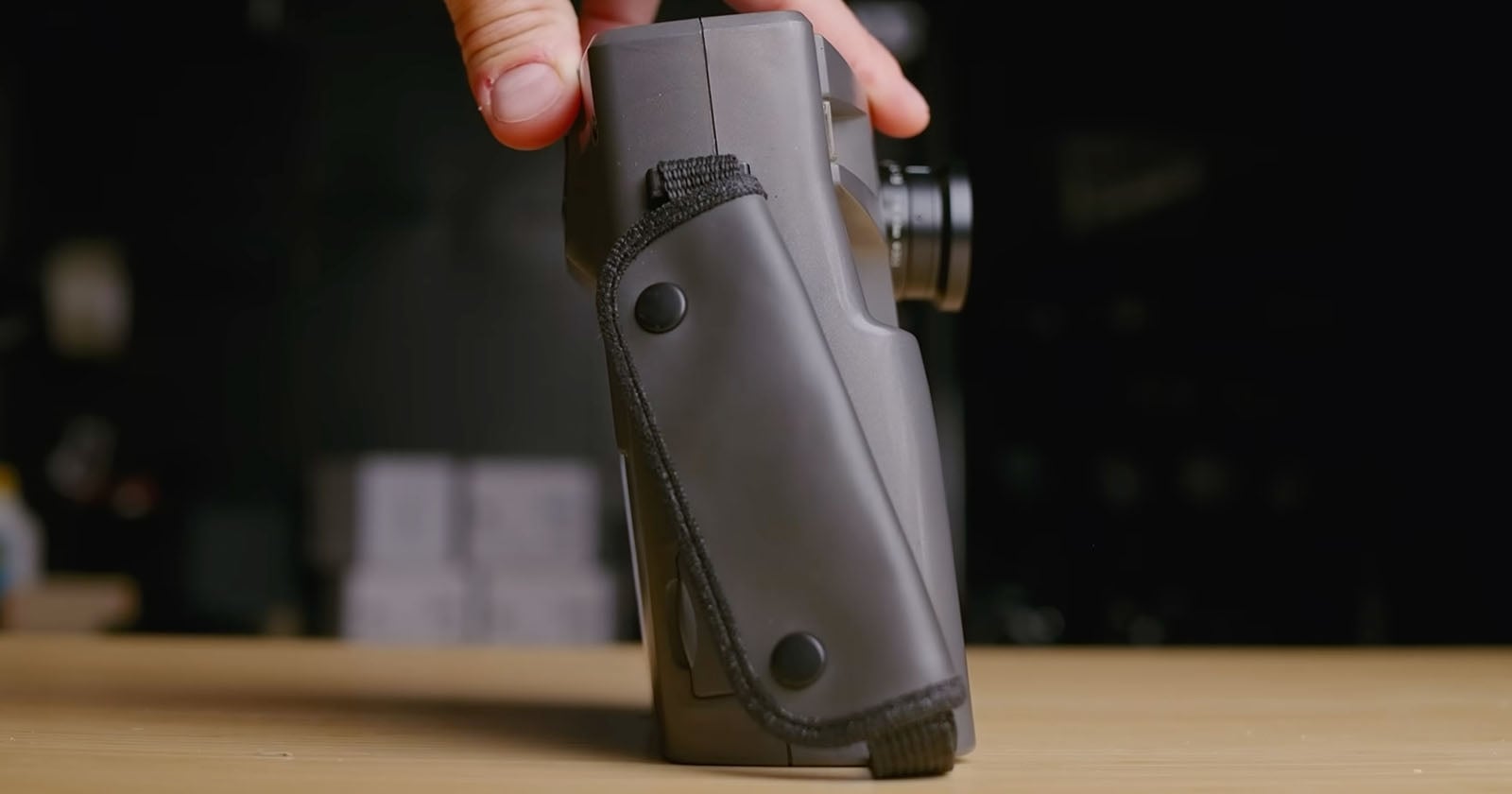
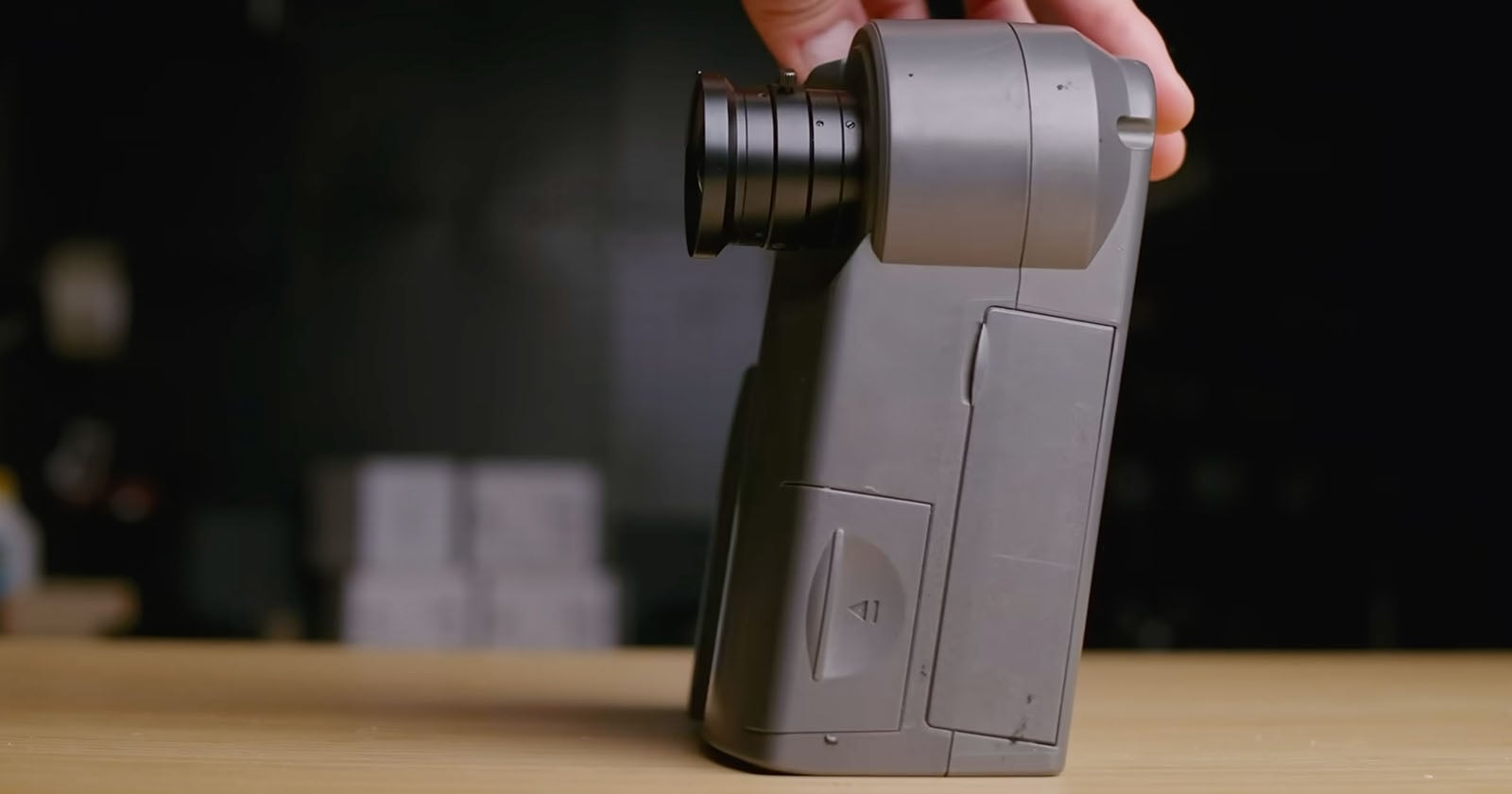
The camera oozes 90s digital camera style inside and out. Its chunky, square-ish plastic design is that classic dark gray that plagued many electronics of the era. It has a tiny 0.3-megapixel Sony CCD image sensor, and it takes C-Mount lenses.
The C-Mount seems odd, but it helps with the massive crop factor of the tiny sensor. Adapting 35mm SLR lenses to the camera would make little sense.
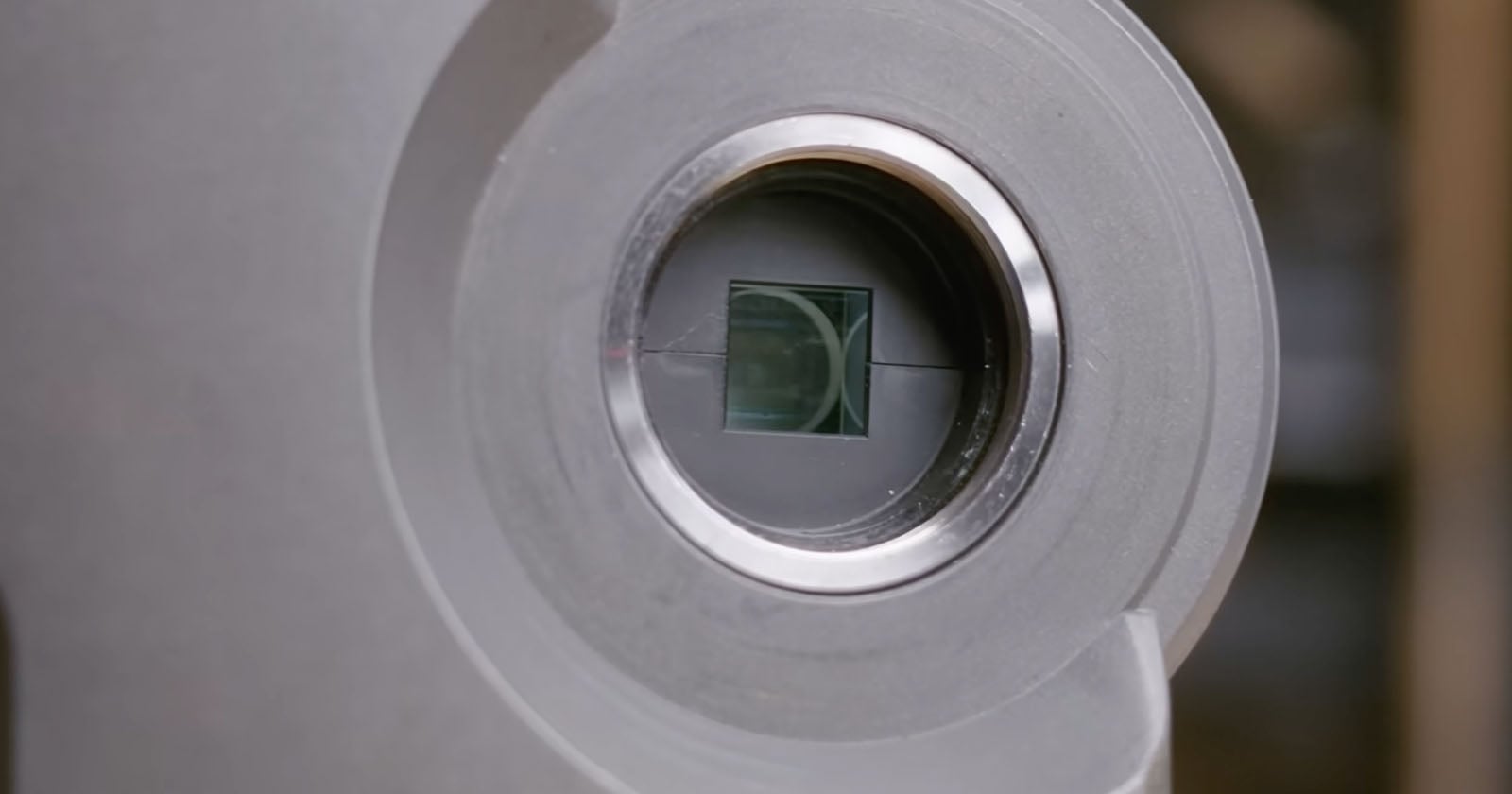
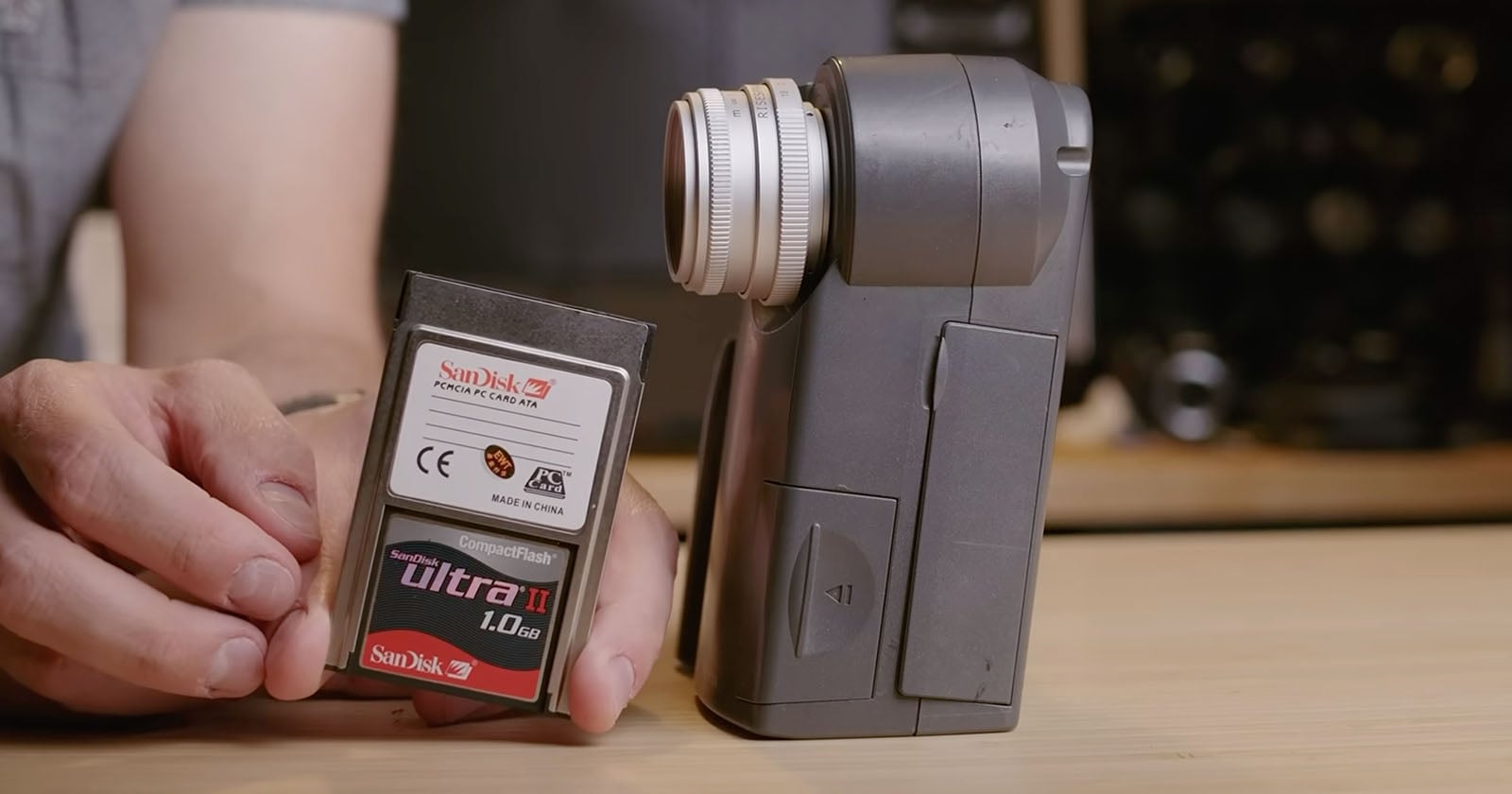
“For example, a 50mm lens off a film camera would act more like a 250mm equivalent on this camera,” Warner says.
Much to Warner’s benefit, it’s easy to adapt a bunch of lenses via C-Mount, so the possibilities are practically endless today. Although, as he found out, there’s little reason to get excited about taking photos with his “new,” weird camera.
Despite the camera not being very good, and his particular unit exhibiting some weird lines across the image, there are some neat things here. The optical viewfinder uses a beam splitter to send some of the light through the lens to the viewfinder, saving the rest for the image sensor. The camera is shockingly easy to use 30 years after its release, at least for someone like Warner who has a lot of experience with old digital cameras.
But perhaps the most interesting thing of all is how the EPixPro was marketed and who it was built for. The company behind it, which ultimately vanished into the aether, made it clear this was a digital camera for productivity, not art.
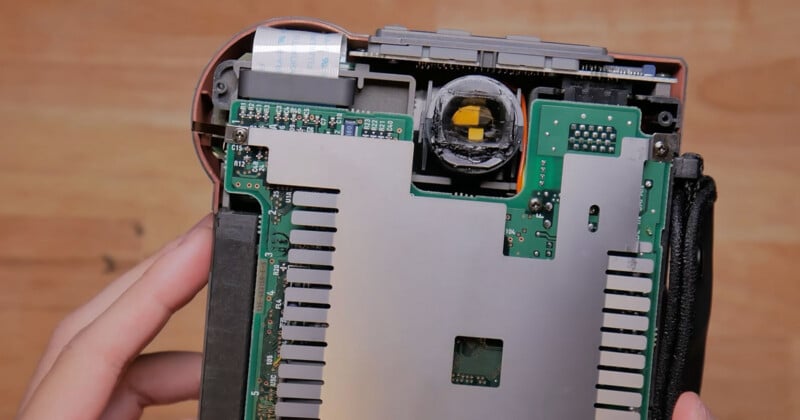
The company aimed its not-very-good digital camera at insurance companies, police, governments, and other organizations with little love for the art of photography. The camera could encrypt images and even included software that let end-users compare photos against original files to test for tampering and image editing. This, along with watermarking capabilities, meant the camera needed a pretty robust processor inside, which Warner says is very similar to those found in home computers of the day.
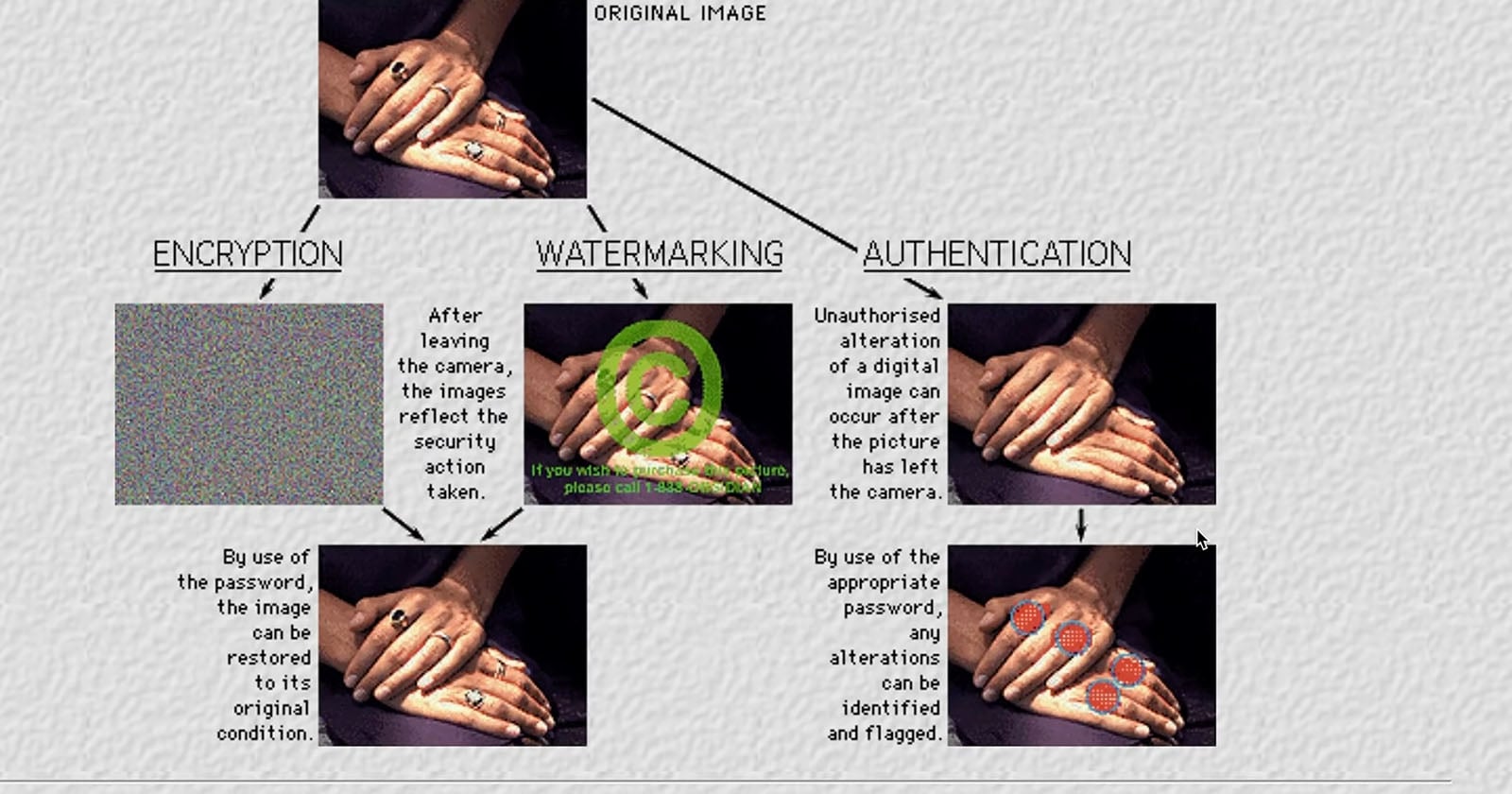

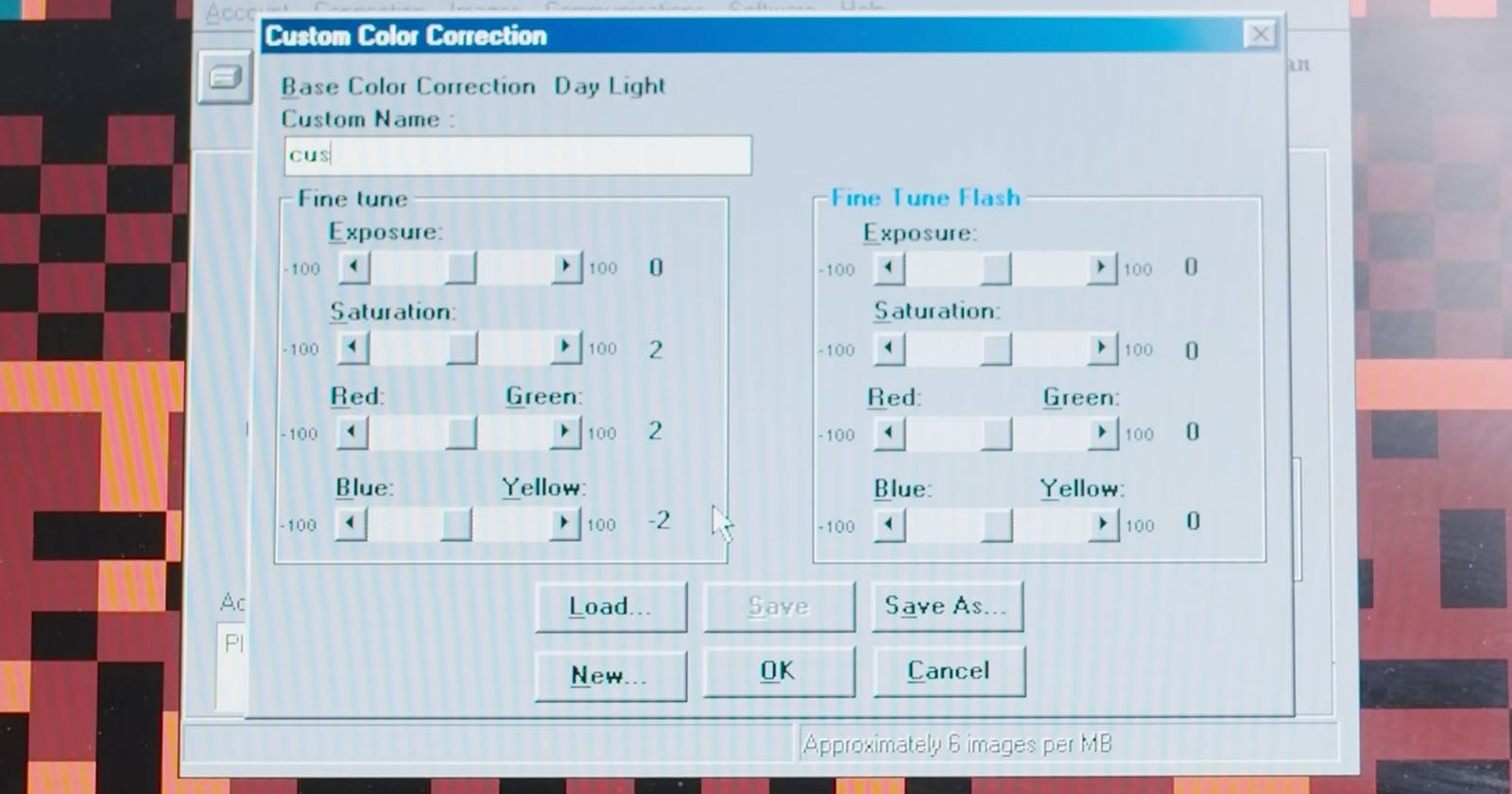
While people in 1996 would never have dreamed of how easily people can use AI today to warp reality or create it from thin air, it’s interesting that 30 years ago people were still worried about digital image manipulation and the potential legal implications of such editing.
The camera even had a feature that would feel equally at home on a Fujifilm X half. It has a “Film Roll” function that lets users capture a “roll” of photos with predetermined settings selected in the accompanying software.
Despite all these interesting features, as Warner notes, the camera obviously never took over the world.
“You’ve never heard of it,” Warner says. “So clearly they failed.”






What could have changed digital photography forever — that was surely the dream — ultimately failed, vanished, and became forgotten. There’s a lesson in there somewhere.
“Does anybody want this?” Warner asks, holding up his new collectible. “I’ll sell it to you for the $400 I paid for it.”
Image creditsJames Warner (@snappiness)
Affiliate Disclosure PetaPixel articles may include affiliate links; we may earn a commission if you buy through one.