Tamron 16-50mm f/2.8 A Review: Pro-Level Zoom at an Entry Level Price
I’m all for more lenses to support the APS-C platform. It often feels like major manufacturers treat cropped-sensor glass as a lower priority and leave a vacuum for third-party lens designers to fill. Well, let the third-party lens manufacturers cook, I say, especially when companies like Tamron can make a lens like this.
It's rare to see a lens that brings such a high level of usefulness at such a low price to so many camera systems.
Pros
- Tiny size and weight
- Sharp at widest aperture
- Fast focusing motor
- Weather sealed
Cons
- Middling bokeh and flare performance
- Pedestrian close-ip capability
The Tamron 16-50mm f/2.8 A is the second lens built under a brand new design aesthetic, and it seems to pack a lot of value into a compact package. I took this fast pro-level zoom out for a spin, and was impressed by the features you get for only $549.
Tamron 16-50mm f/2.8 A Review: How It Feels
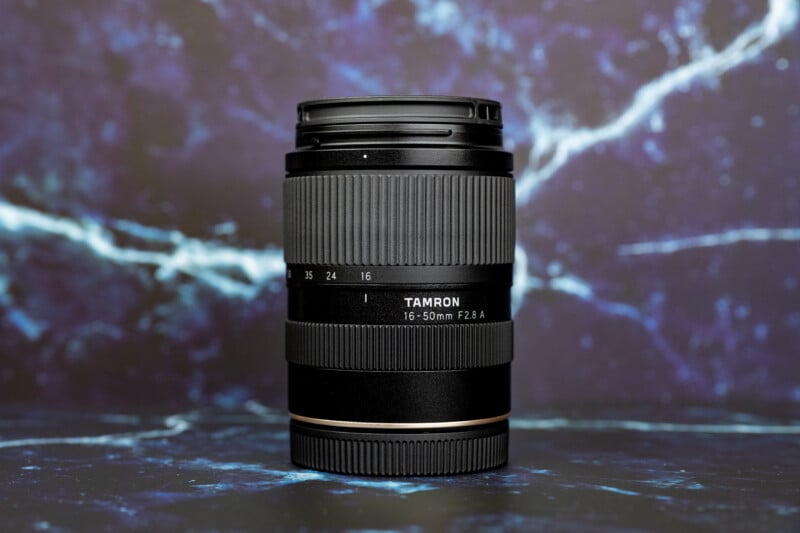
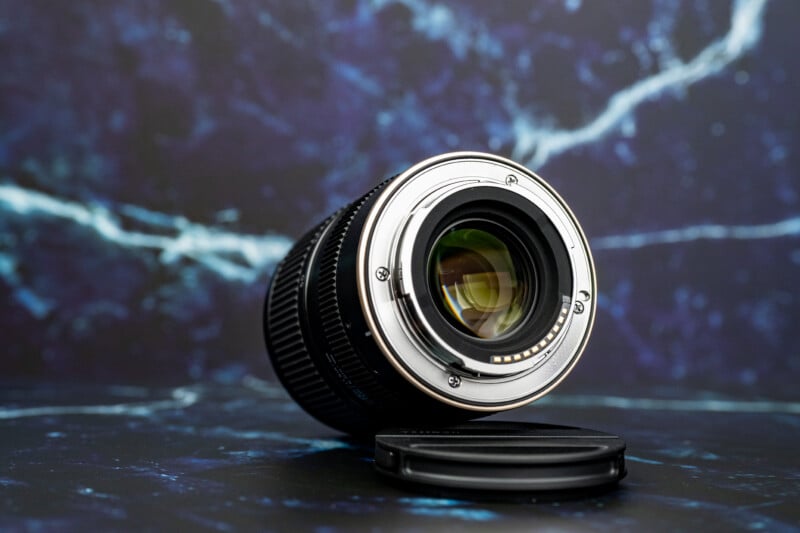
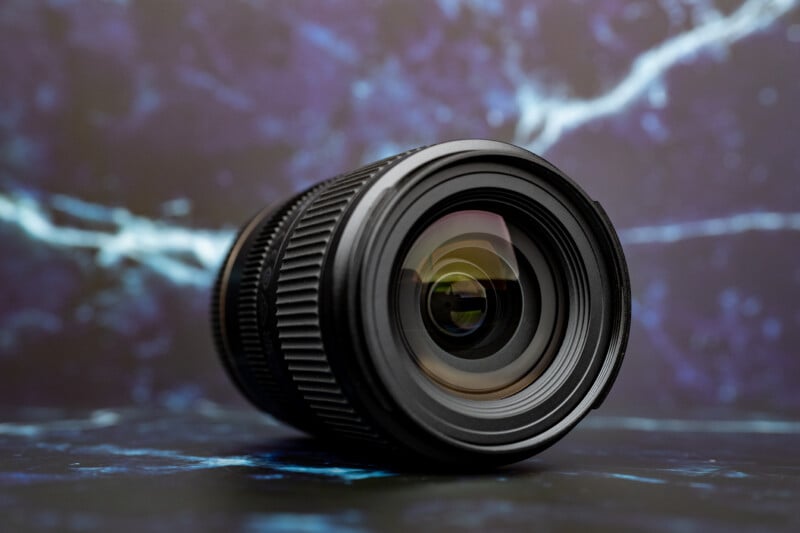
This 16-50mm f/2.8 lens takes full advantage of the APS-C sensor size, allowing for lenses to be smaller and lighter. The 16-50mm weighs only 10.75 ounces (305 grams) and takes 55mm filters. The lens itself is barely wider than that 55mm diameter all the way to the mount, so it has a very slim profile on a camera. You will immediately notice a new overall look to Tamron lenses, with a darker hammer-tone finish to the chassis and a slimmer, but deeper golden color to the lens mounting ring. Tamron lenses before the design change looked clean and simple, but the new look is more edgy and serious. I like it, and I feel like the new design feels a touch more refined and prestigious than before.
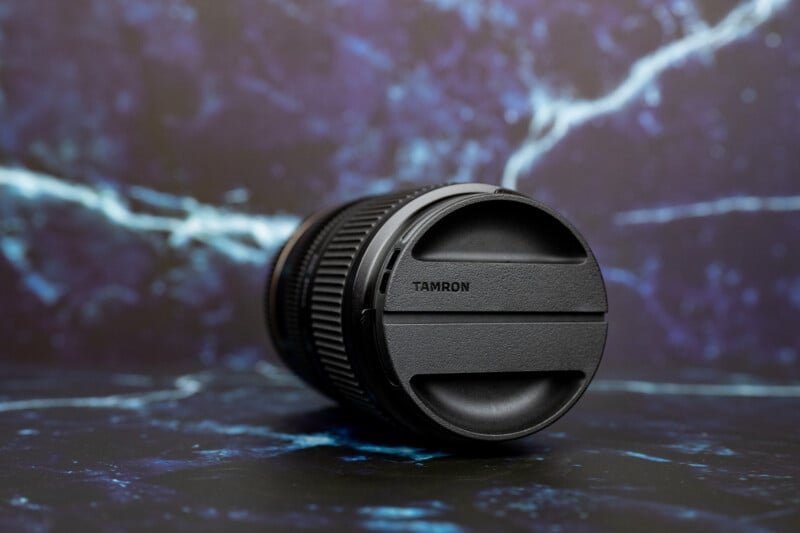
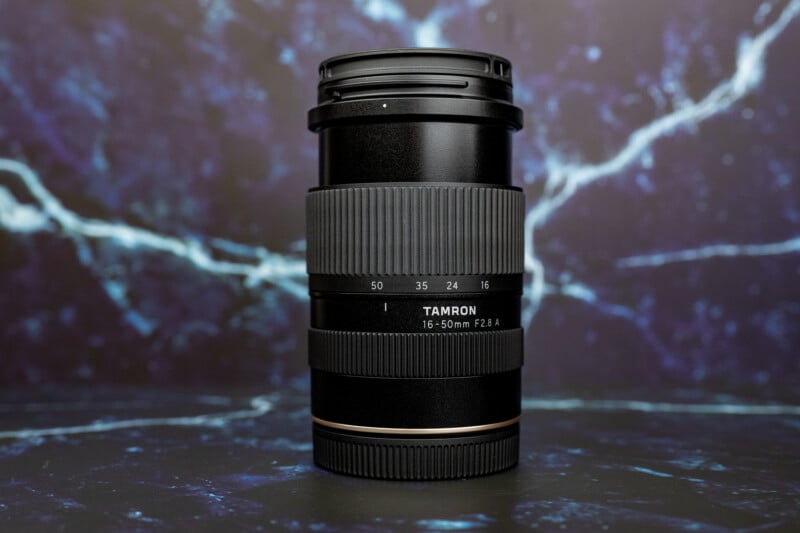
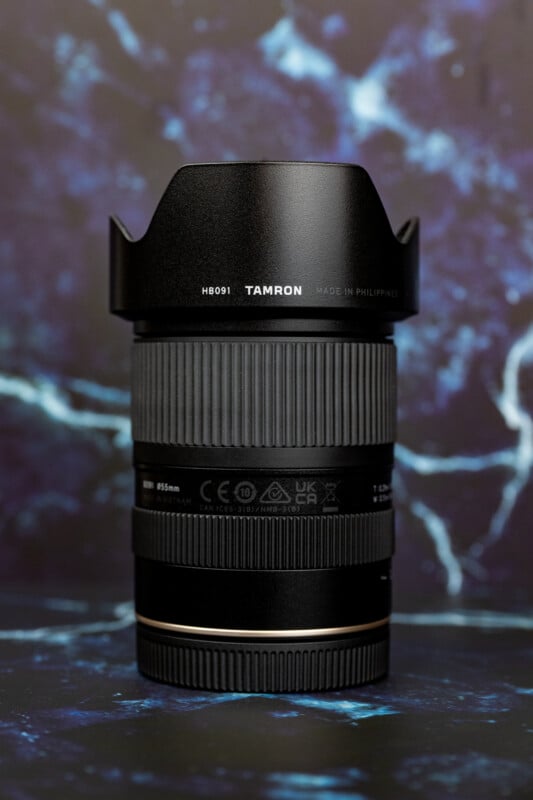
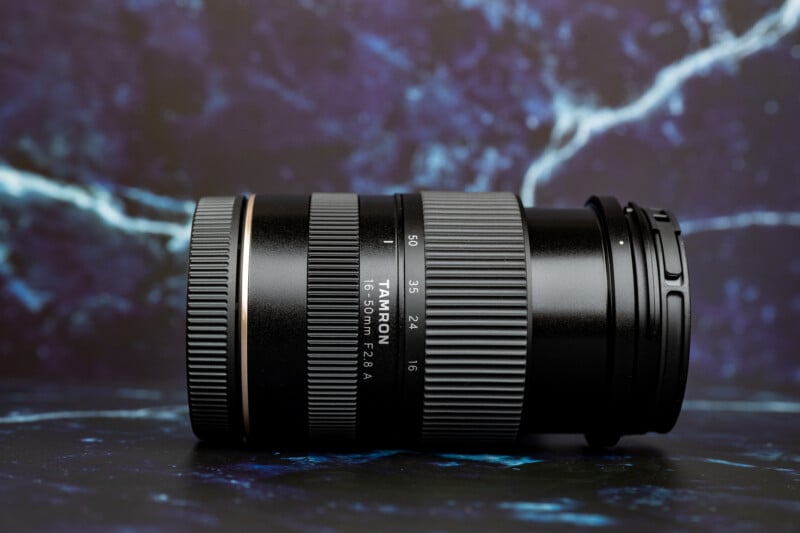
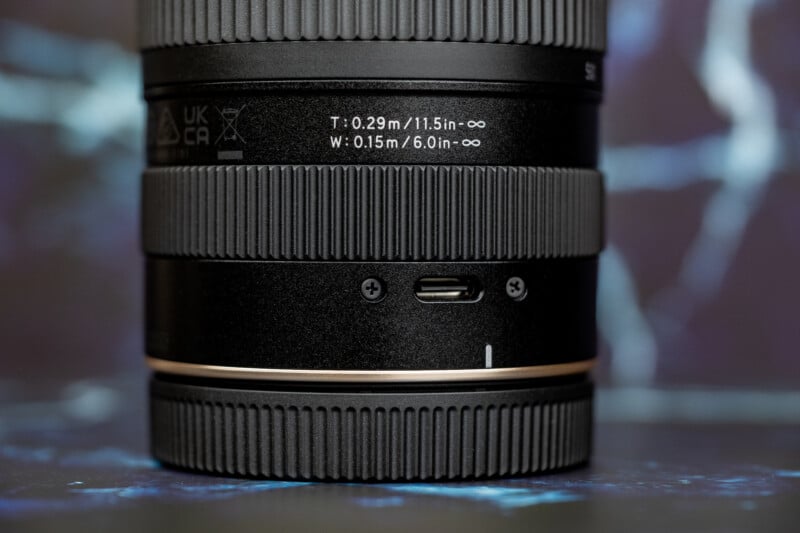
The controls are quite basic, though, with only a zoom ring and a manual focus ring present. There is a USB-C port on the side which connects with the excellent Tamron lens app. However, you won’t find an aperture ring or customizable buttons. Tamron does fully seal this lens against the elements, and their lenses have proven to be very rugged in the past. There is a petal-shaped hood provided with the lens, and it matches the look and tone of the chassis.
Tamron 16-50mm f/2.8 A Review: How It Shoots
Fast focusing is provided by a powerful VXD linear voice-coil motor, and I had zero issues with the speed, compatibility, and accuracy. Usually, manufacturers will opt for a more affordable and basic stepping motor, so I’m glad to see something more capable on a lens that will get used for more demanding photography. The small size of the lens is really convenient and would feel great on smaller bodies such as the Sony A6700. But I used it on a full-frame A7R V, and the lens controls were no problem at all to use on a larger body. Everything was easy to find without taking my eye away from the camera, and there was tons of clearance between the grip and lens barrel.




The lens can focus fairly close, but it only delivers a macro reproduction of 1:4.5 or 1:4.8 depending on the zoom range. This means that you can use the wide-angle end to push the background farther away in your close-up shots, or simplify the background by using the 50mm end, but you aren’t going to get anything close to a macro lens shot.



Flare was well-controlled by the Tamron BBAR lens coatings, and the overall contrast of the image was strong even against the glare of the sun. I noticed some minor ghosting when stopping the lens down, but nothing I would call obnoxious. LoCA, or longitudinal chromatic aberration, causes color fringing in out-of-focus areas of the image. If you look closely, you can see some minor color fringing at the widest apertures. In most situations, I don’t think this will present an issue because the effect is very subtle.



The Tamron 16-50mm can deliver some shallow depth of field with that f/2.8 aperture, so I evaluated the bokeh of the lens. Specular highlights are fairly clean overall, with no onion rings visible, although they do lack a nice cat’s-eye look at the edges of the frame. There is a little bit of a busy pattern that you can see in the highlights, but there aren’t any strong halos showing up. This all means that the bokeh looks quite pleasant, with softer backgrounds. The Tamron 16-50mm seems to dodge the harsh-looking bokeh that normally plagues affordable lenses, but I wouldn’t go so far as to say that the bokeh is sublime.



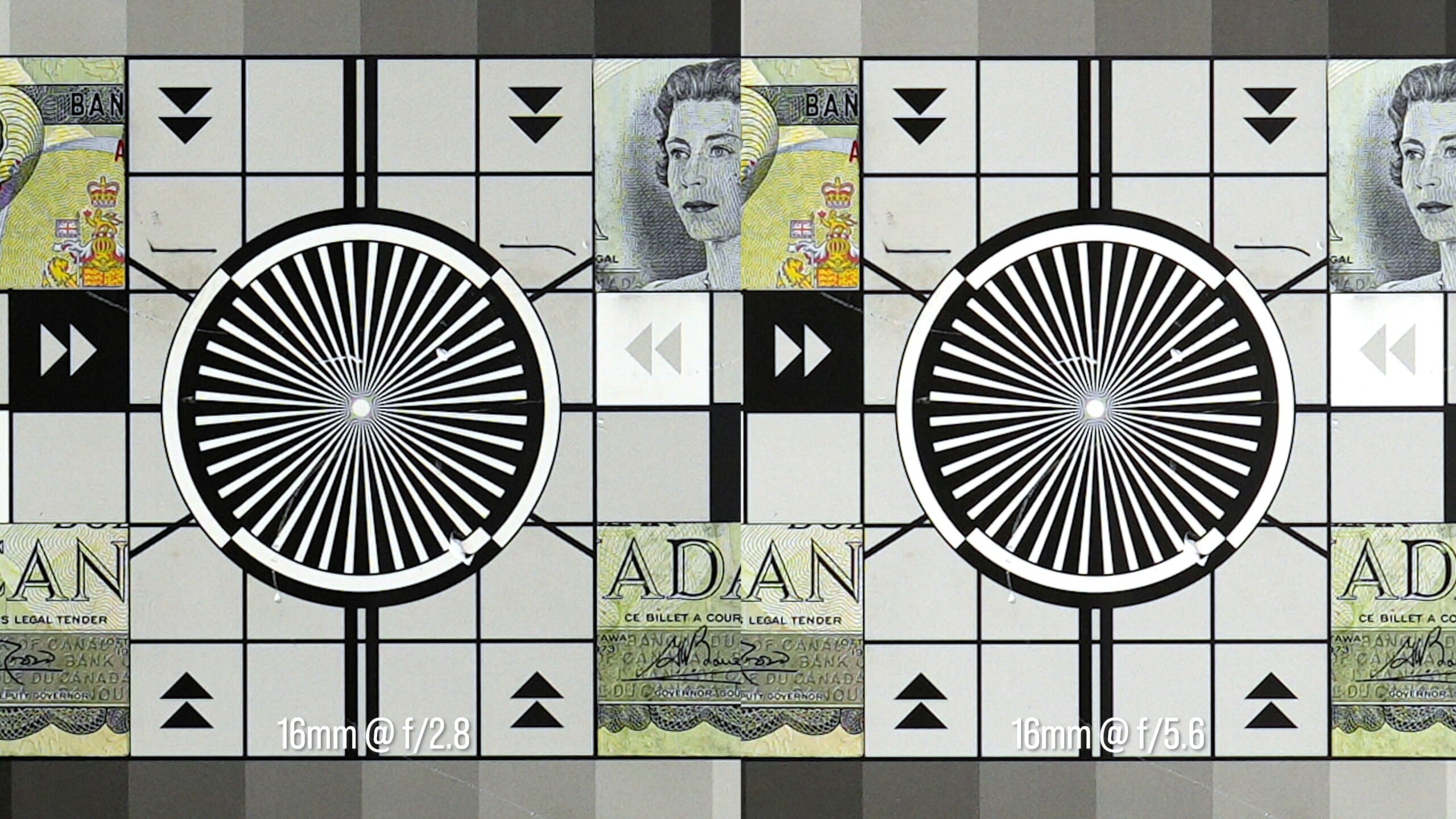
Sharpness is very impressive, with the center of the frame at the 16mm end showing excellent results with almost no improvement required as you stop the lens down. The image showed a normal amount of softness in the corners, but it was largely at the extremes. Stopping the lens down to f/5.6 made those corners nice and clear.
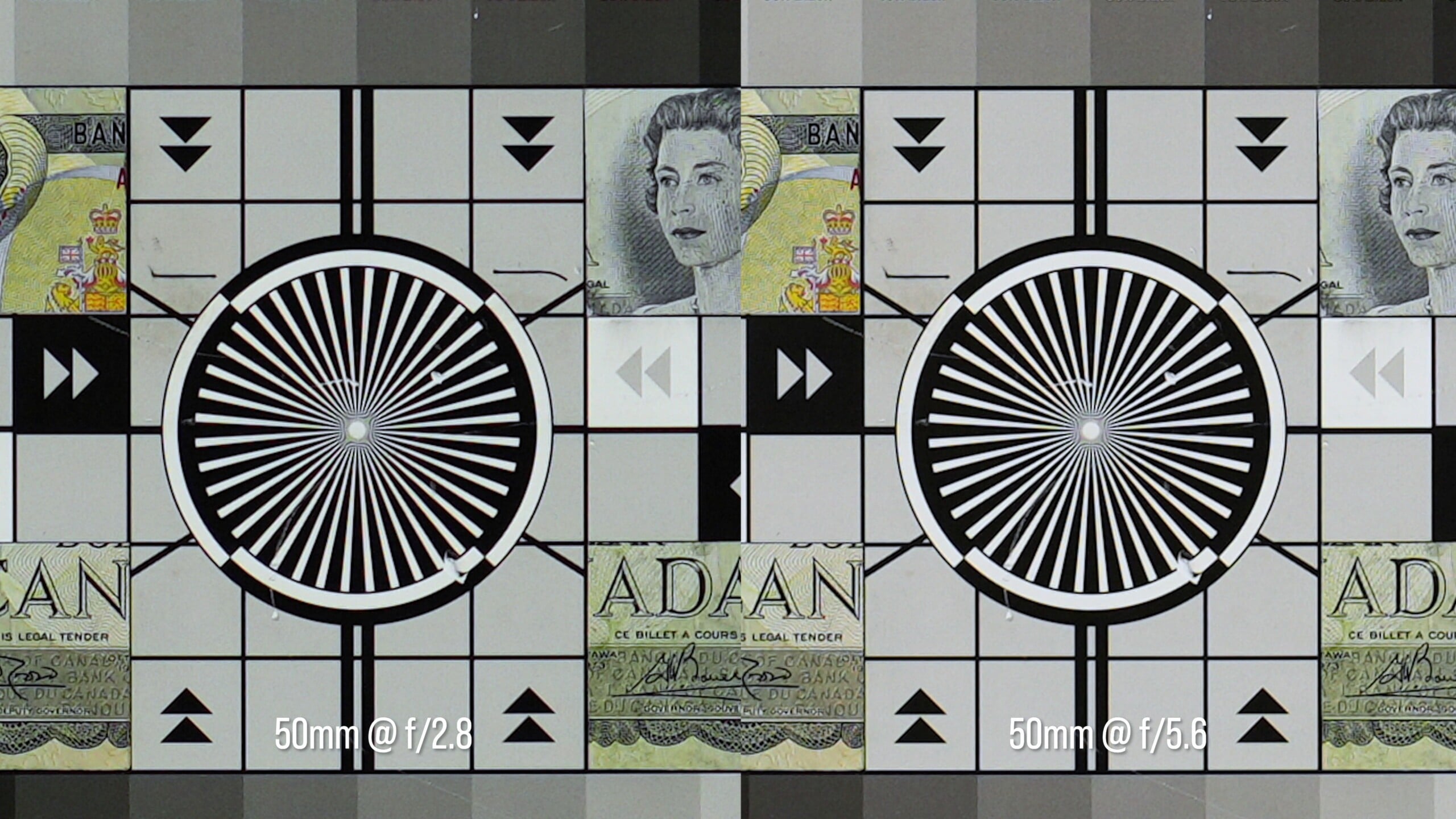
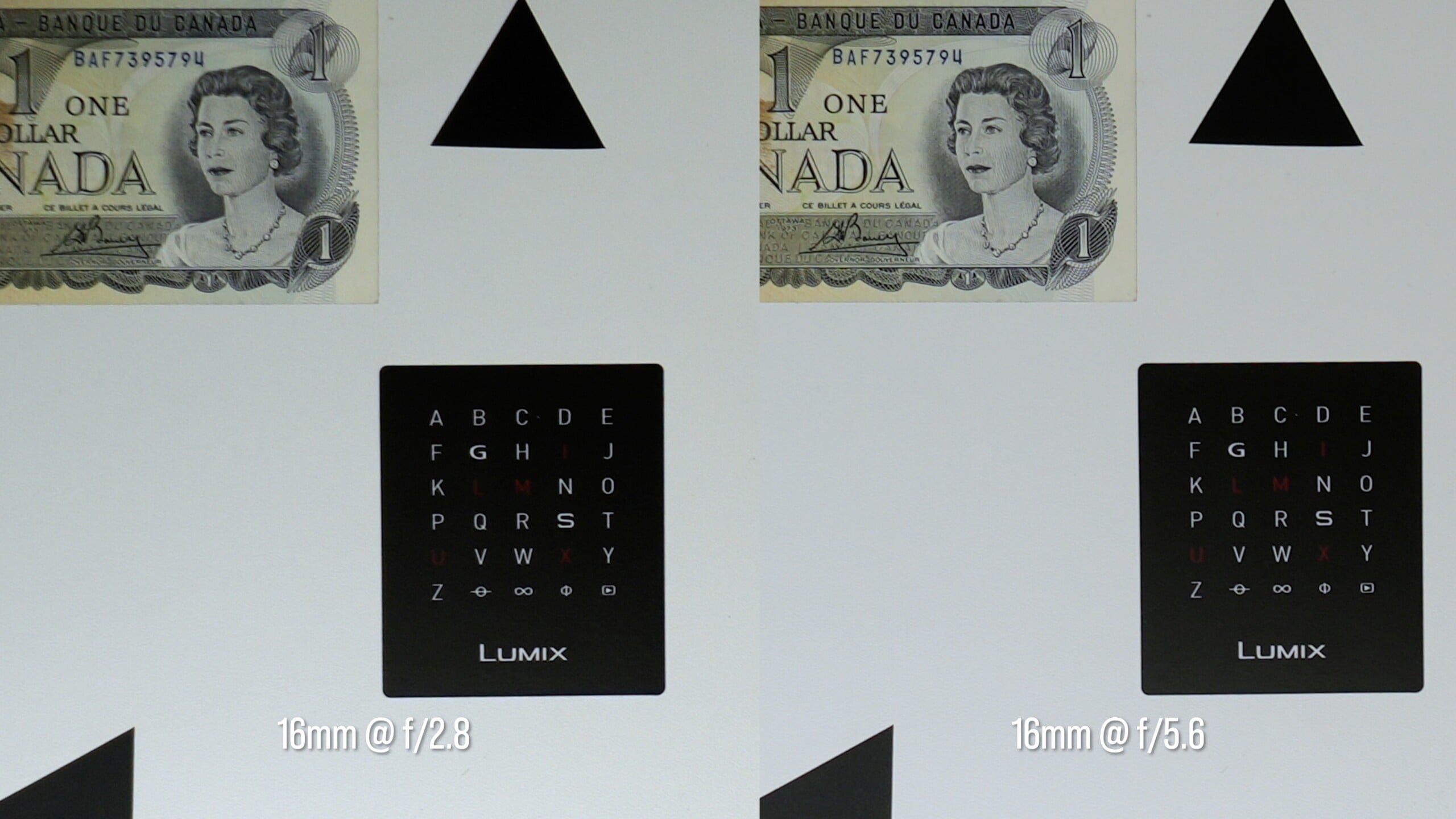
Sharpness was even more consistent at the 50mm mark, with excellent detail at f/2.8. The corners even seemed to be a little more consistent at f/2.8, but things improve even more at tighter apertures. I also noticed that the lens shoots very flat at the 50mm mark, which means that if the center is focused, the corners are good too.
Tamron 16-50mm f/2.8 A Review: A Moment in the Sun
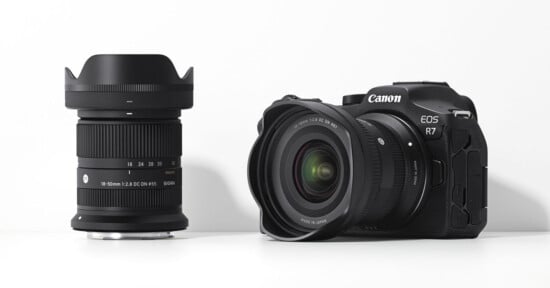
There are not that many alternatives when it comes to an ultra-compact lens in this range. The 16-50mm will be available for Sony, Canon, Fujifilm, and Nikon, and although these manufacturers do make lenses in this range, they tend to be bigger or slower. The closest competition to the Tamron in price and size will be the much older Sigma 18-50mm f/2.8. This lens is very good from an optical standpoint, but it doesn’t have the same wide-angle coverage, and the autofocus motor is a slower and noisier stepping type.

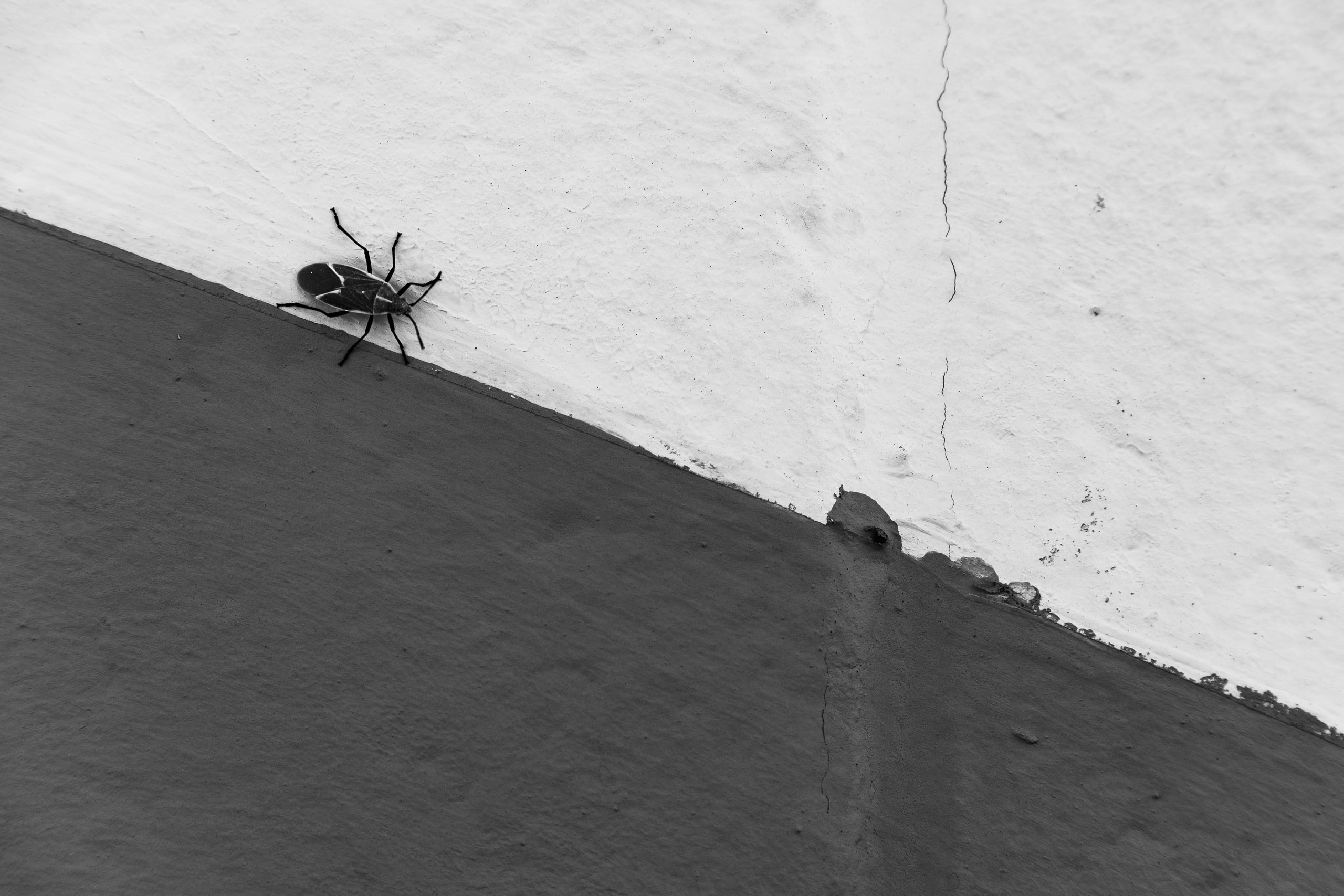


Right now, Tamron has a moment to shine in the sun with its latest 16-50mm f/2.8 A lens, which delivers sharp results across a useful zoom range, at a price that fits anyone’s budget. It’s rare to see a lens that brings such a high level of usefulness at such a low price to so many camera systems.
Are There Alternatives?
Sony makes a stellar G Master 16-55mm f/2.8, but it is much larger and more expensive. Canon has largely ignored this part of the market, relying on full-frame glass or lenses like the 16-28mm f/2.8 to fill the gaps. Nikon has a 16-50mm f/2.8, which is very similar in function with even nicer-looking bokeh. It does raise the price substantially over what the Tamron comes in at, though. Fujifilm has a 16-55mm f/2.8 WR II, but this is also an example of a larger, heavier, and more expensive alternative.
Should You Buy It?
Yes. This represents some of the best value for the dollar, provides a fast, constant aperture, and is ultra-convenient to carry.