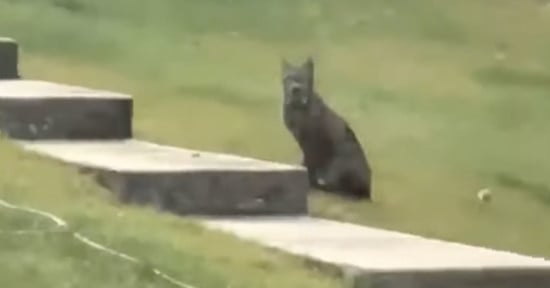
Member of the Public Snaps Photo of Rare Melanistic Gray Fox
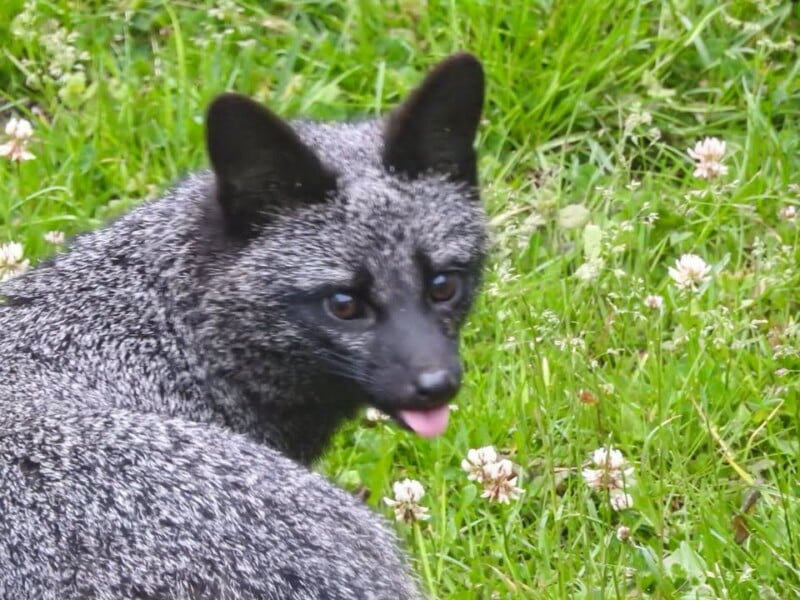
After the Michigan Department of Natural Resources (DNR) put out a request this summer asking for sightings of gray foxes, it was surprised when it received a photo of an ultra-rare variation.
Michigan has two fox species. Michiganders will be familiar with the red fox, but there is a smaller, more elusive relative: the gray fox.
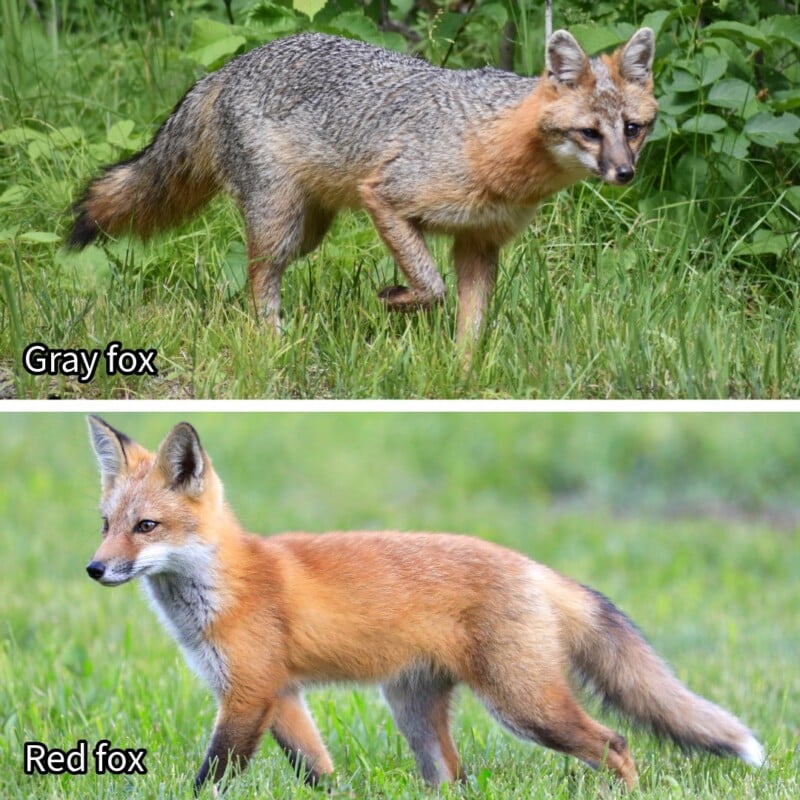
This summer, the DNR asked the public for sightings of gray foxes to “better understand their distribution across the state.” The Department said that photographs are “especially valuable.”
‘This is Not AI’
Last week, the DNR shared on Facebook that it had been sent in a photo by a member of the public of an “incredibly rare” melanistic gray fox.
“It’s the only example we’re currently aware of in the Midwest. It was originally observed in 2019, but was more recently shared with the DNR to help with gray fox research,” DNR explains.
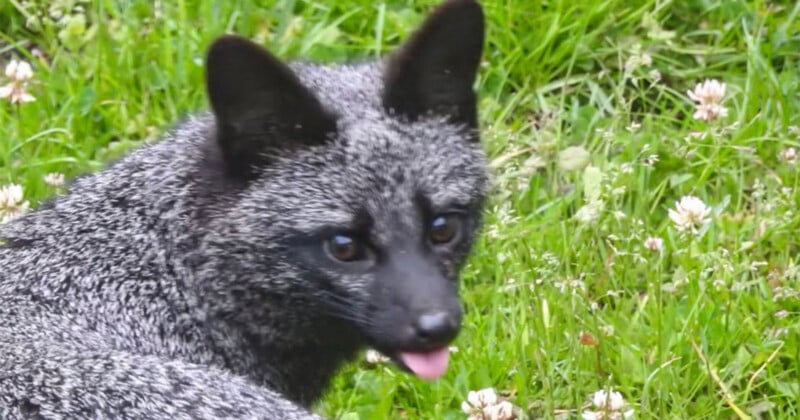
The DNR, which prefaced the post by writing “This is not AI”, explains that melanism is a “genetic condition that results in increased dark pigmentation, giving animals a much darker coloration than is typical for their species.”
The DNR notes that black squirrels are the most common example of melanism that folks will encounter in Michigan. Gray foxes, let alone melanistic ones, are one of the least understood mammals in Michigan.
Gray foxes are found across much of North, Central, and northern South America, with Michigan marking the northernmost extent of their range.
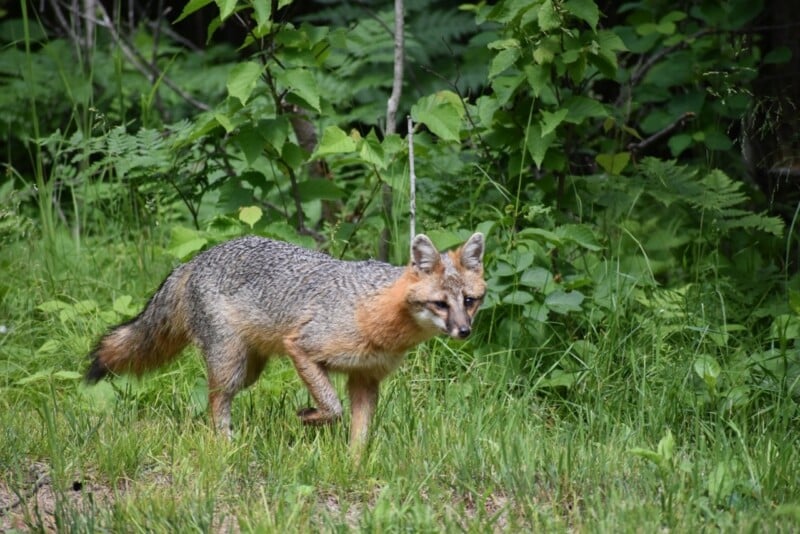
“We’ve learned that gray foxes often live closer to people than many realize,” says Tyler Petroelje, DNR Upper Peninsula research specialist.
“They use structures such as garages, sheds and outbuildings near wooded areas. Because of that, community scientists may be in the best position to help us understand where gray foxes are occurring. These observations can provide information we simply can’t collect through traditional research methods.”
Members of the public can be incredibly useful when it comes to researching wildlife: in September, a previously unknown species of plant was accidentally discovered after a tourist in Portugal posted her photograph online. Meanwhile, in Colombia, an Instagram selfie accidentally led to the discovery of a giant waterlily species.
Image creditsPhotographs by the Michigan Department of Natural Resources.
Affiliate Disclosure PetaPixel articles may include affiliate links; we may earn a commission if you buy through one.