Vaonis’ Newest Smart Telescopes Look Stellar
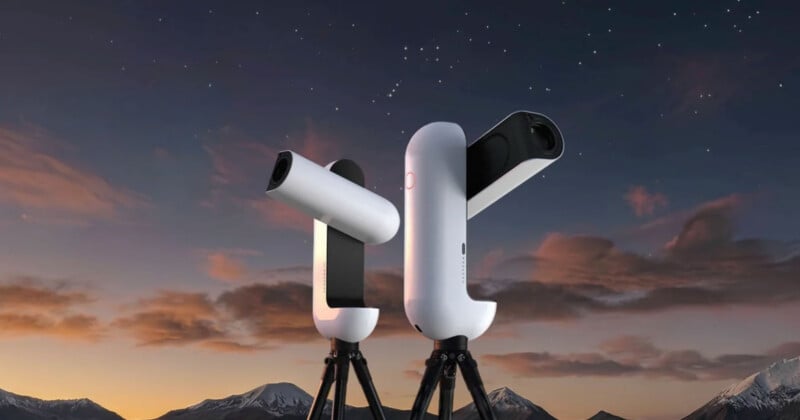
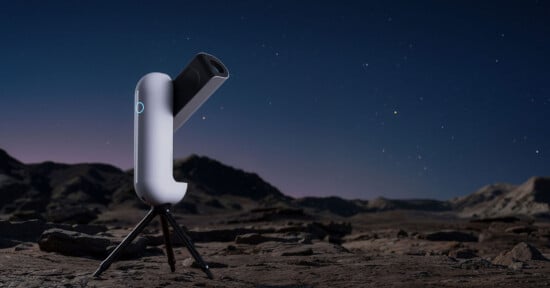
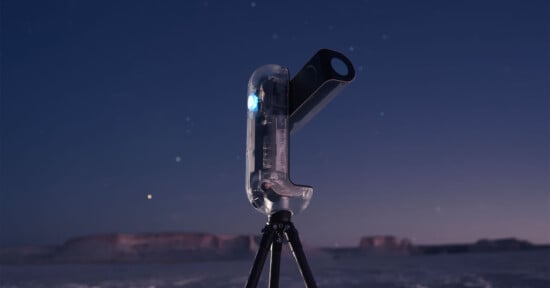
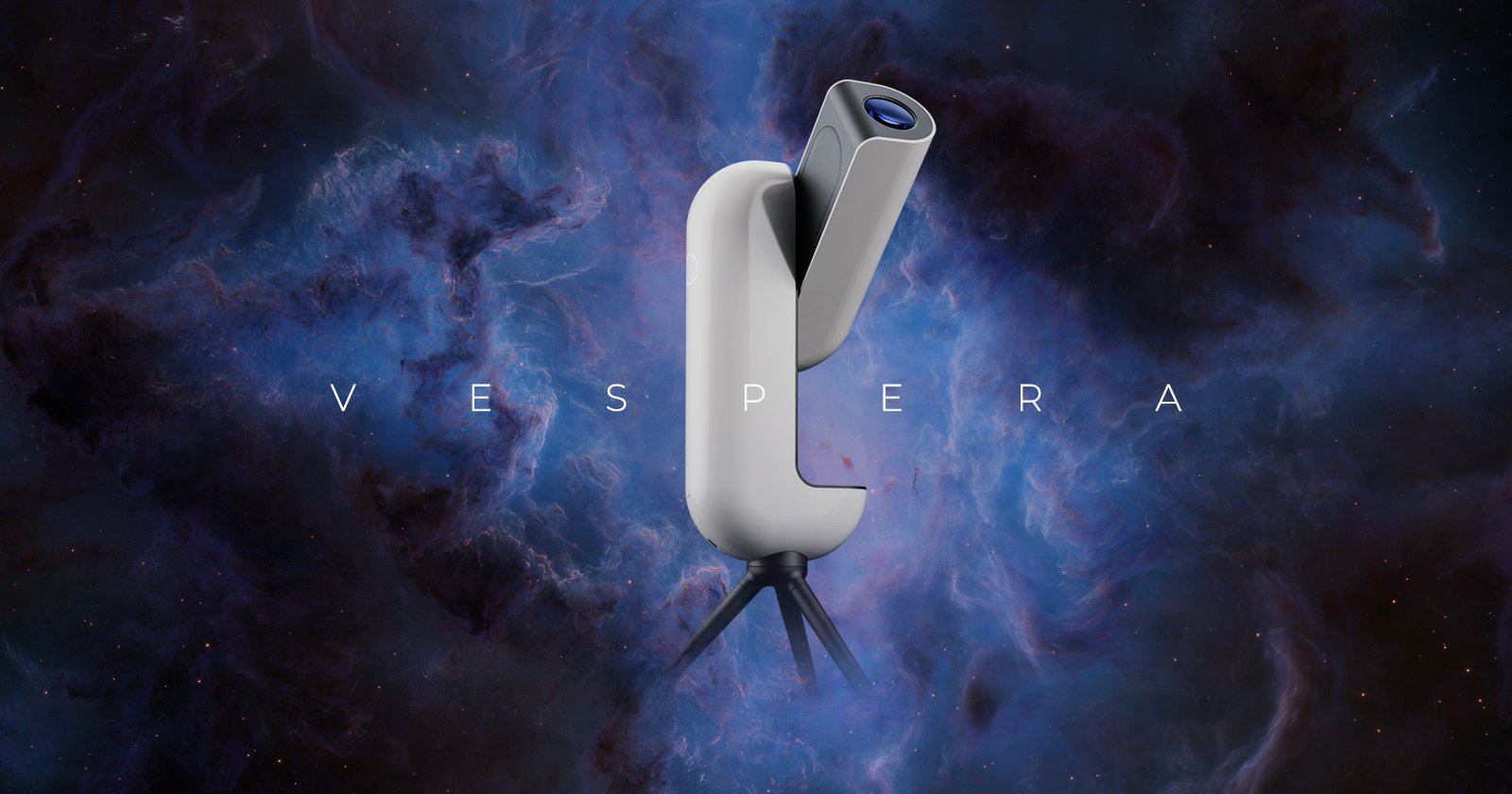
While the news flew under my radar a bit, Vaonis recently unveiled its next generation of smart telescopes for astrophotographers: the Vespera 3 and the Vespera Pro 2. Each smart telescope promises exciting upgrades for astronomy enthusiasts and improved imaging capabilities.
Both the Vespera 3 and Vespera Pro 2 include all-new optical designs. They each have a three-group, flat-field apochromatic quadruplet, a relatively fancy way to say that they have better lenses than before. The new optical design promises improved resolution, reduced distortion, and fewer aberrations.
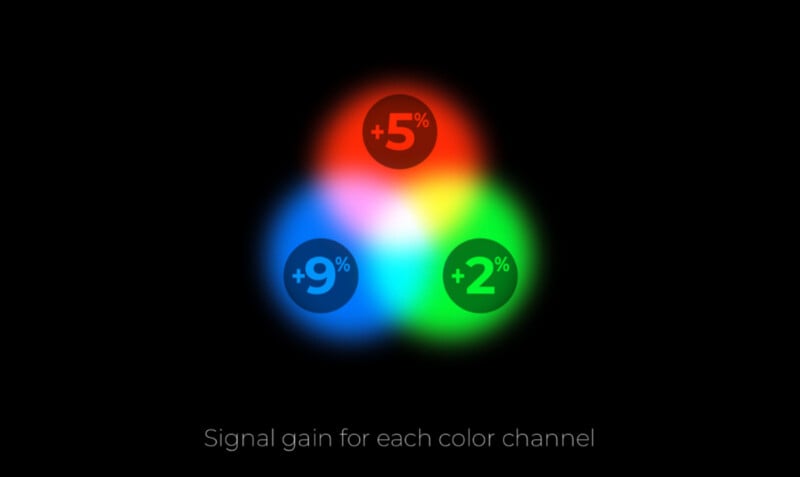
Vaonis specifically promises better responsiveness across all three channels: red, green, and blue. The new optical design offers five percent better sensitivity to red wavelengths of light, two percent for green, and nine percent for blue light.
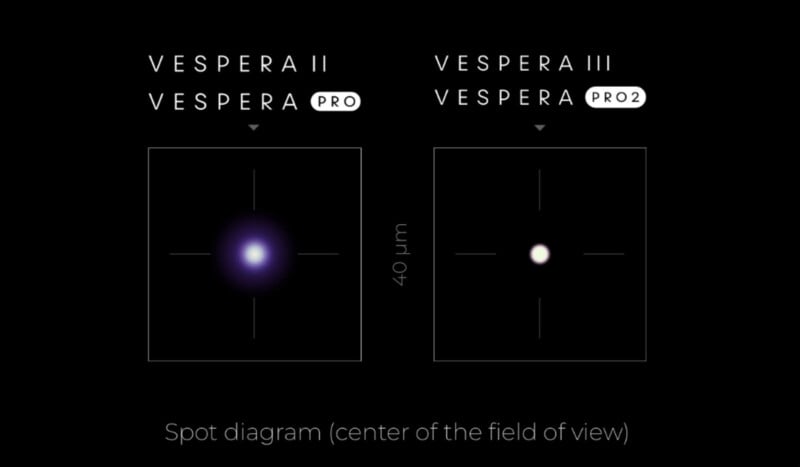
“More of the signal reaches the sensor,” Vaonis claims. “[This means] slightly faster acquisition and cleaner image data.”
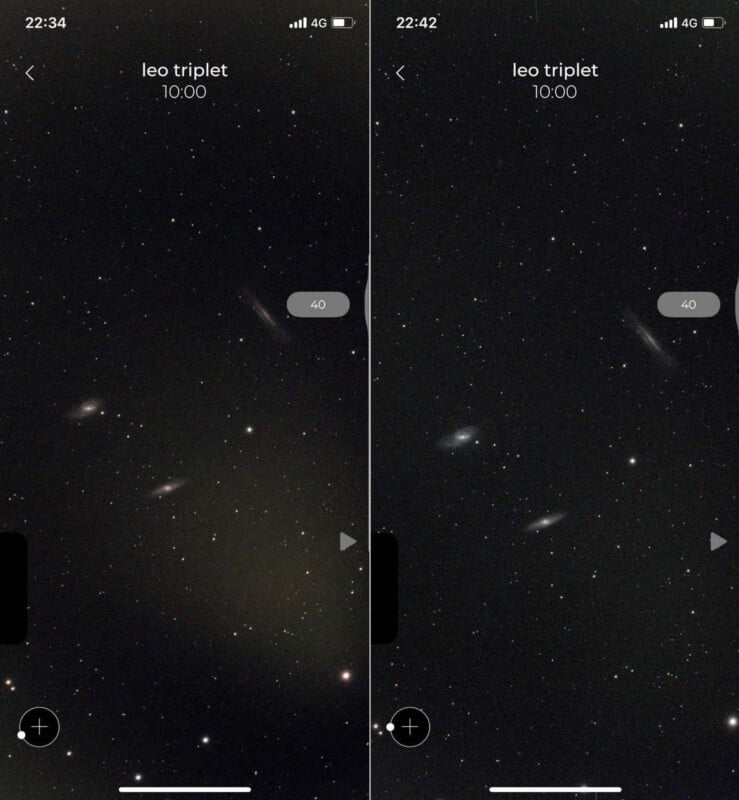
Vaonis knows that while all astronomers would love to have access to the world’s darkest skies, that is not the reality for most people. To improve observations and image quality in urban and suburban environments, the Vespera 3 and Pro 2 feature a new optical baffle designed to reduce halos caused by stray light. While this baffle doesn’t address overall light pollution in the sky, it does mean that physical lights near the user will be less of an issue.
Both new telescopes also include front lens defogging functionality as standard, which should improve usability and reliability across more conditions. They also each come with a new, taller and more adjustable tripod. In the Vespera 3’s case, it’s an aluminum tripod, while the Vespera Pro 2 has a carbon fiber one.
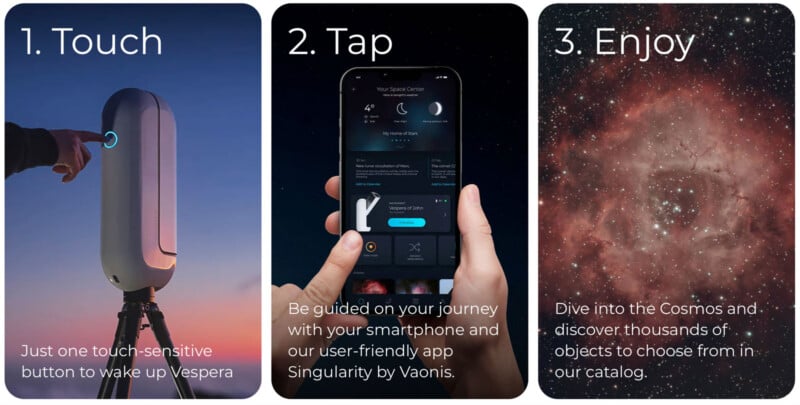
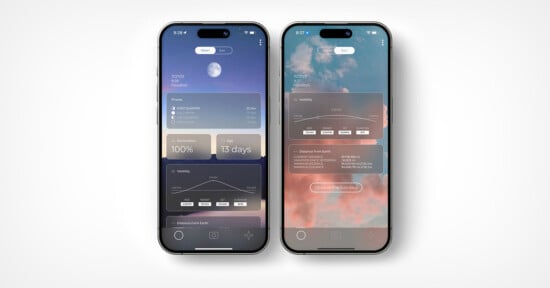
As expected and like their predecessors, the Vaonis Vespera 3 and Vespera Pro 2 include built-in real-time image processing and automated target acquisition. Users can browse available targets in the night sky using Vaonis’ accompanying app and then automate the entire image capture process. Users can also schedule multi-night observations to achieve even better image quality.
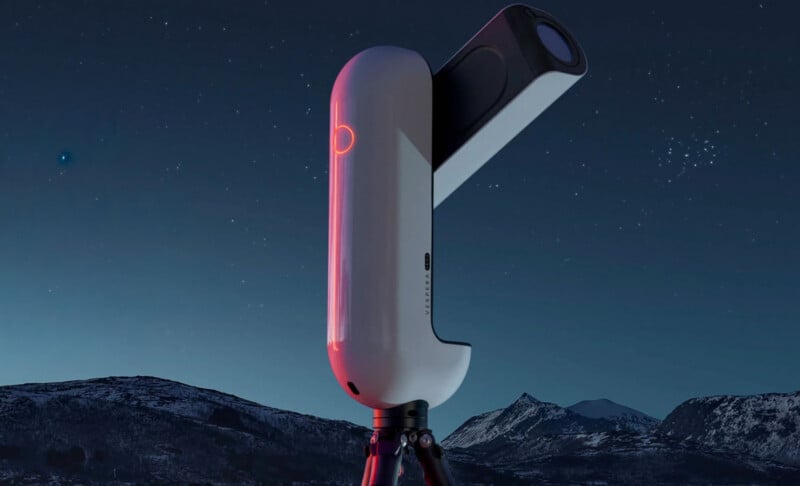
While the automated experience is a key part of Vaonis’ sales pitch for its smart telescopes, it is worth noting that both telescopes can record RAW image data and users can process the files themselves in the astrophotography app of their choice. The automatic image calibration and processing tools promise to make astrophotography more accessible, but there are still ways for advanced users to tinker with everything manually.
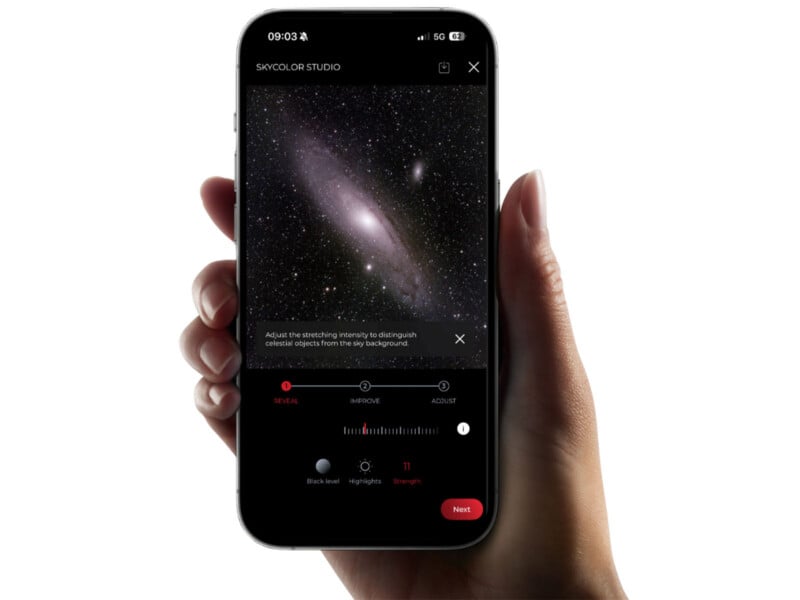
Vaonis’ image editing app, SkyColor, offers a fairly wide range of editing tools as well, including sliders for tweaking black levels, highlights, sharpness, noise reduction, and color response. There are even built-in color palettes that mimic famous space telescopes like Hubble.

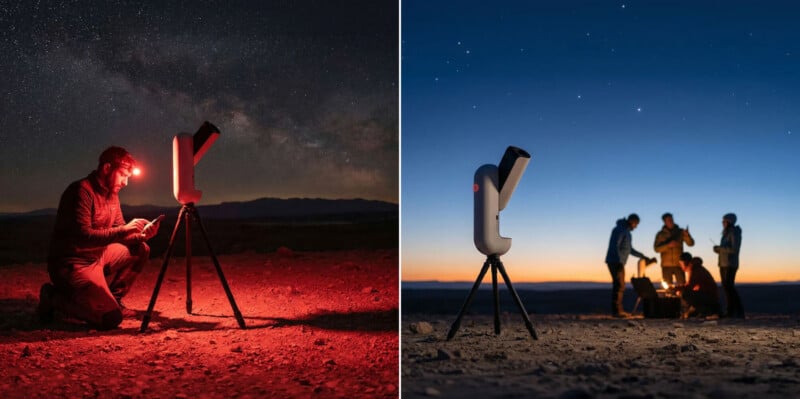
Although the Vespera 3 and Vespera Pro 2 share many things in common, including their new optics, there are some key differences between the two telescopes.
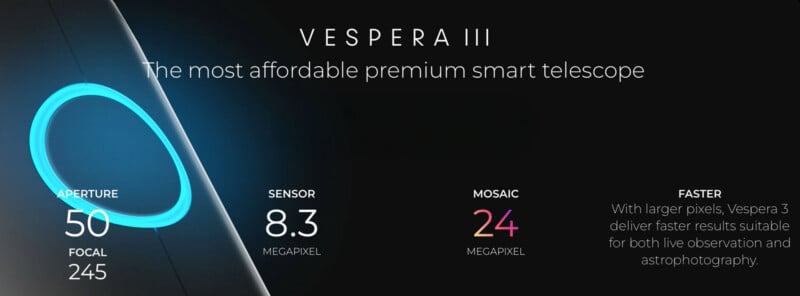
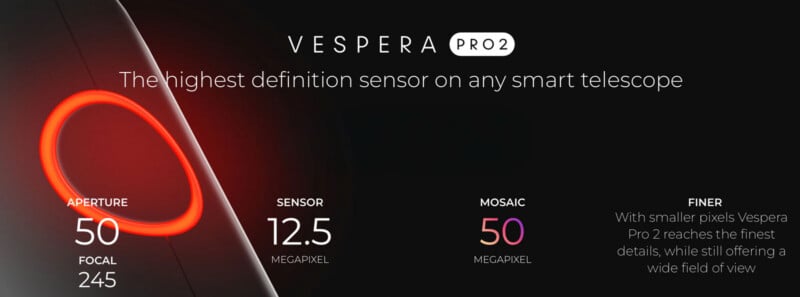
Behind the identical 245mm f/4.9 lens are different image sensors. The Vespera 3 has an 8.3-megapixel Type 1/1.2 Sony IMX 585 image sensor, while the Vespera Pro 2 opts instead for a 12.5-megapixel Sony IMX 676 (Type 1/1.6). The Pro 2 can capture 50-megapixel mosaic images, while the Vespera 3 tops out at 24 megapixels. The Pro 2 promises slightly greater detail as well.
The Vespera 3 has an upgraded 115GB of internal storage, while the Vespera Pro 2 sticks with the same 225GB as its predecessor. Both telescopes weigh five kilograms (11 pounds).
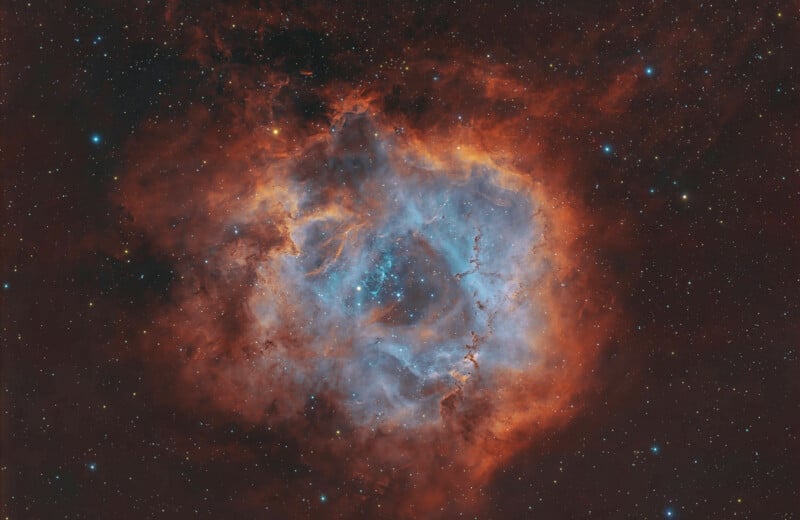
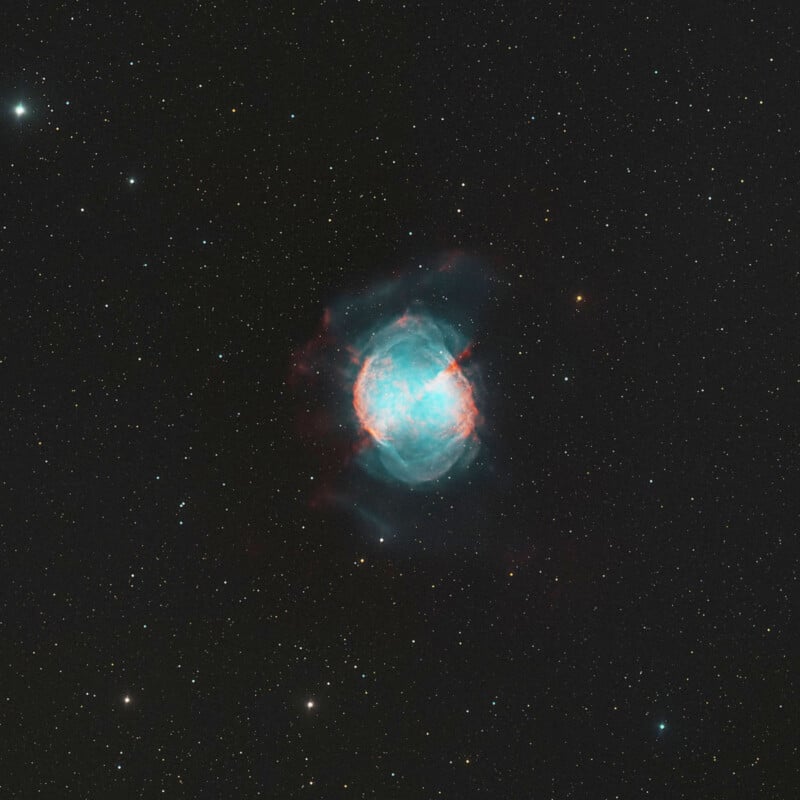
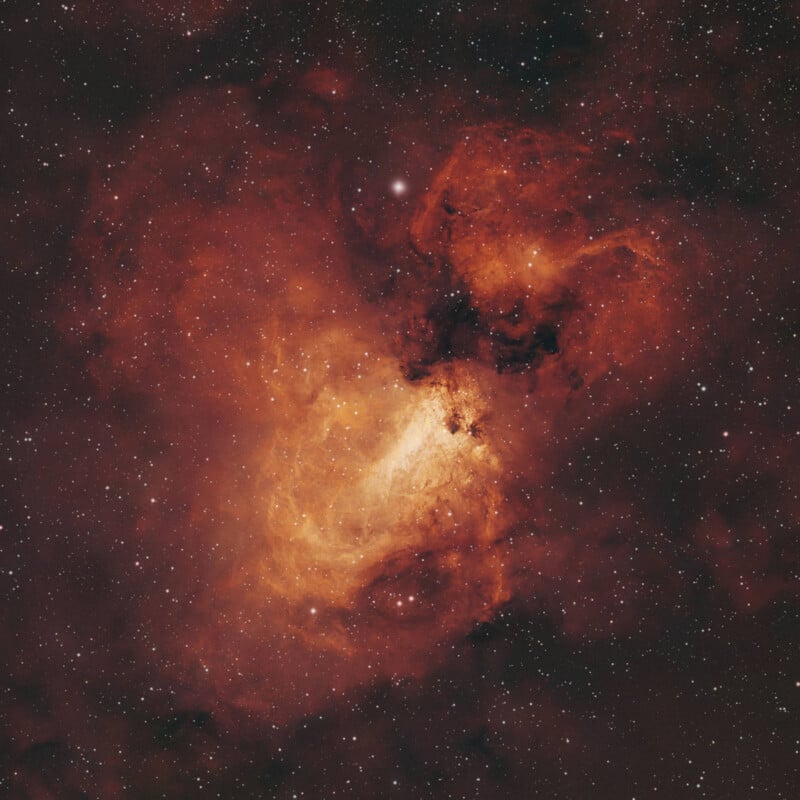
Sample Photos


Pricing and Availability
The Vaonis Vespera 3 is available now for $2,490. The Vaonis Vespera Pro 2 is also available now, and it’s $2,990.
Image creditsVaonis
Affiliate Disclosure PetaPixel articles may include affiliate links; we may earn a commission if you buy through one.