Cinelux Sixteen Camera Captures Super 16 Film and Digital Video at the Same Time
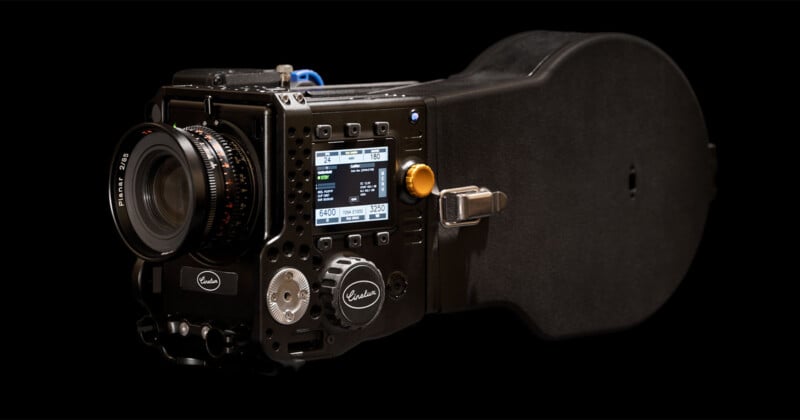
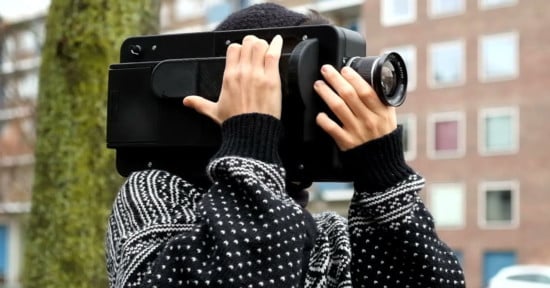
Cinelux unveiled a prototype of a new hybrid film camera, the Cinelux Sixteen. Per Cinelux, the Sixteen is the first new hybrid analog cinema camera built for modern production workflows in over 20 years.
As first reported by News Shooter, the Cinelux Sixteen first made its appearance at Cine Gear 2025, albeit as a very rough prototype. The team has been working on the camera for over two years, and it remains in prototype but is on schedule for a 2027 release.
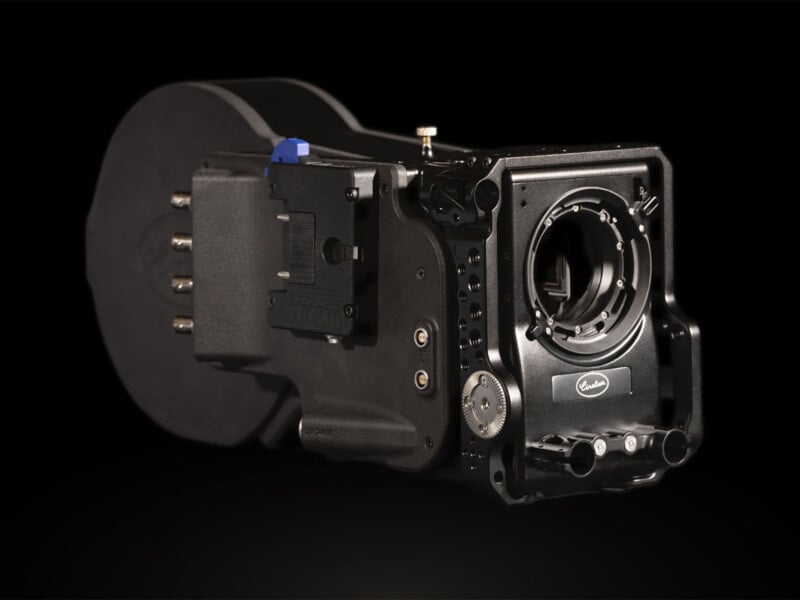
What makes the Cinelux Sixteen special is that it is a truly hybrid Super 16 film camera. It shoots real-deal Super 16 film. But it also has a 3K Super 16-format digital cinema sensor built in that records simultaneously to CFexpress Type B media and supports a variety of industry-standard codecs.
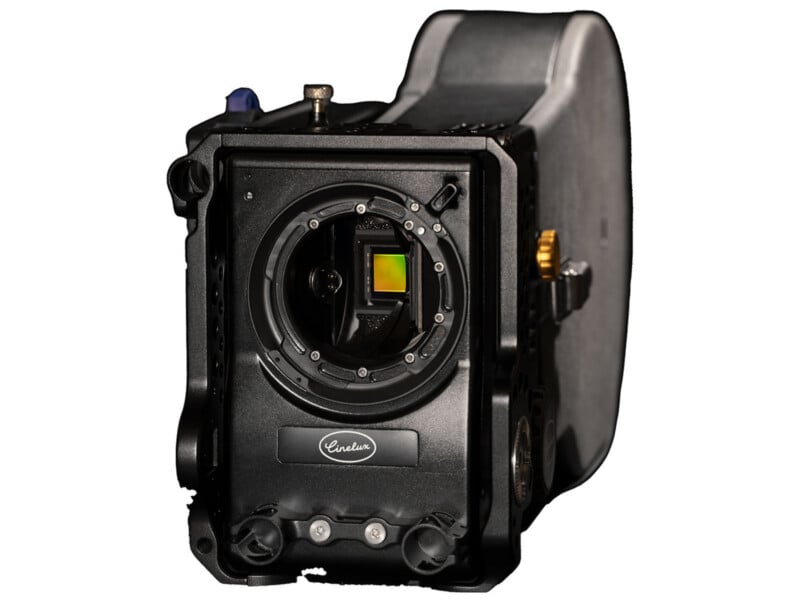
As Cinelux describes it, the ability to have high-quality digital video files immediately while shooting significantly speeds up modern production workflows. Filmmakers, editors, and production staff have immediate access to digital proxies.
“By adding a true digital cinema output alongside a film deliverable, shooting film no longer impedes the momentum of production requirements,” Cinelux explains.
During each shutter revolution, the camera makes two exposures. One of them is through the film gate, striking the analog media inside. The other goes to the digital cinema sensor.
“The most direct impact is having a film output with a true digital pipeline, both on set and in post,” says Cinelux.
To ensure the digital file is useful and indicative of how the film will look, Cinelux is developing live film emulation technology. The company says its color science and image processing deliver an “as-true-as-possible” monitoring experience. The company has worked with colorists and cinematographers to deliver an extremely accurate digital feed that reflects the film stock being used.
“We are working to ultimately have the digital feed react the same way film would. Tricky shadows, clipped highlights, dynamic range, and color react very specifically on film. The digital image processing on the Sixteen will emulate this as best as possible in order to use the image feed as an exposure tool,” Cinelux claims.
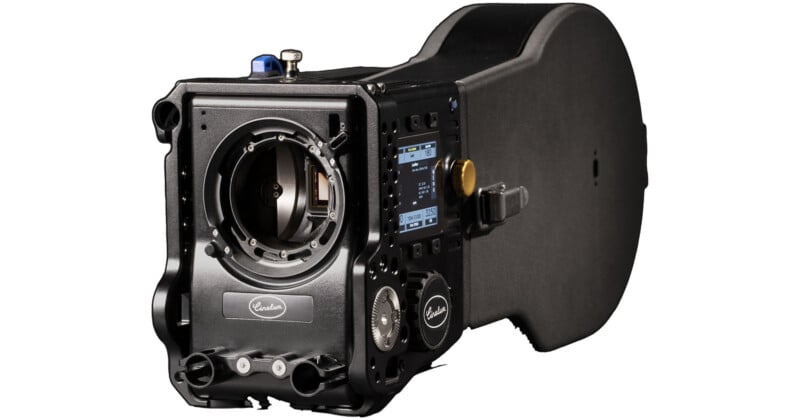
Although the Cinelux Sixteen is still in prototype form, the company has finalized most of its specs. The camera will work with an optional electronic viewfinder, have industry-standard connectivity and ports like SDI and USB, include wireless connectivity, and accept 400- and 1,000-foot film mags. The camera will even include Timecode Genlock Sync, a built-in mic, and sound syncing.
The camera will feature a 13.35 x 7.42mm image sensor that records Cinelux Raw, Cinema DNG, and ProRes 444 HQ. The camera will record 3K resolution footage at up to 120 frames per second.
Although pricing is not yet official, Cinelux does say the camera will cost “less than a used Arriflex 416.” That leaves a very wide window open, as used Arriflex 416 cameras typically cost between $65,000 and $90,000, depending on condition, accessories, and extra components.
Image creditsCinelux
Affiliate Disclosure PetaPixel articles may include affiliate links; we may earn a commission if you buy through one.