
The AI Film ‘Dreams of Violets’ Is How You Get Me to Hate Movies
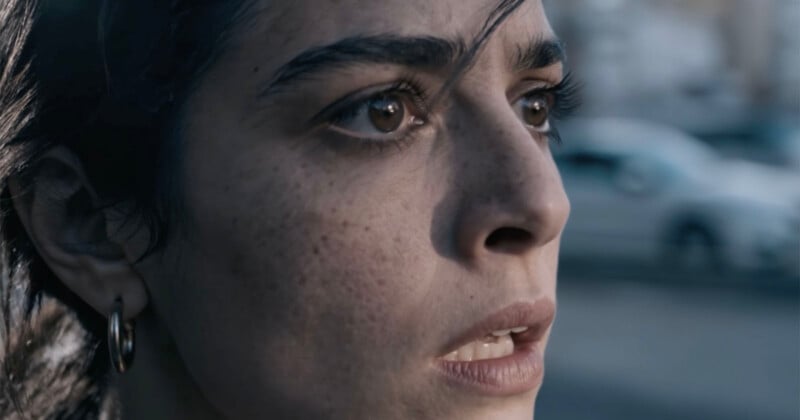
Yesterday, PetaPixel shared that a fully AI-generated film titled “Dreams of Violets” had been accepted into the Tribeca Film Festival. For some reason, there are people who insist this is the future of films. If that is the case, then congratulations: I hate movies.
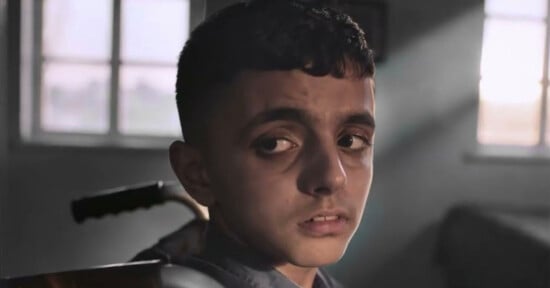
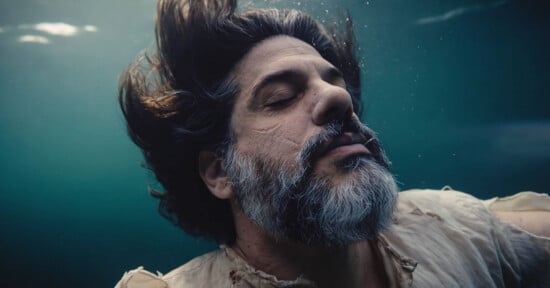
Watching the trailer, I actually recoiled with disgust. Looking at some of the flaccid, vapid attempts at human emotion actually made the back of my throat tighten, as if I were suppressing vomit. I wish I was being hyperbolic here, but I’m not: this film is visually arresting, but not in the way that the creators intended.
It, frankly, looks like shit. What a terrible day to have eyes.
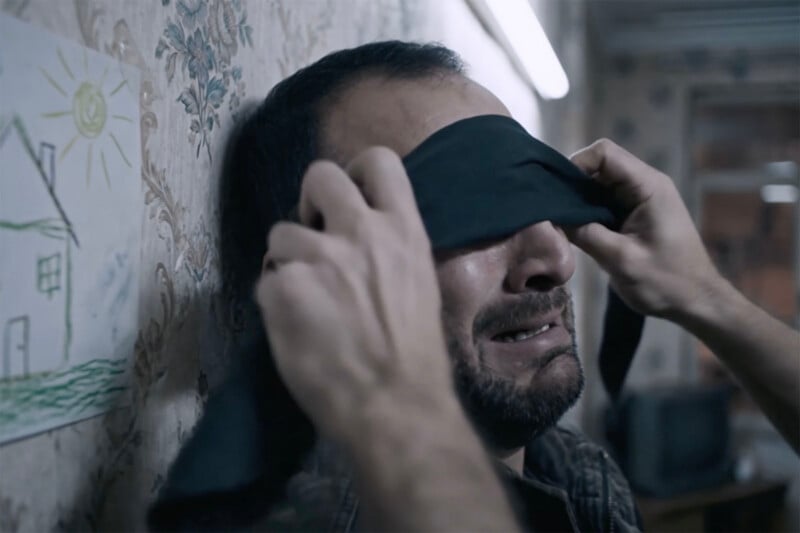
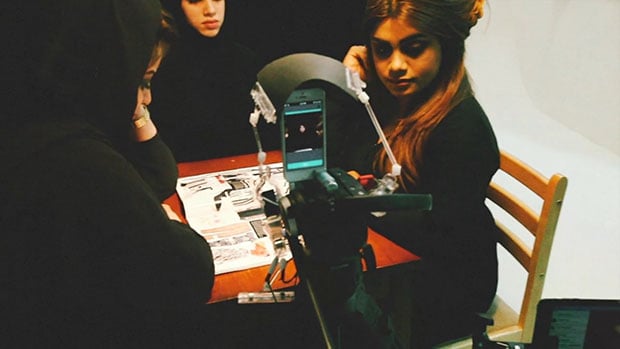
The facial expressions are trying to convey sadness, but they are wooden, hollow facsimiles. I look at them and feel nothing except disgust. Beyond these uncanny valleys, many of the shots don’t even make sense. How can a man be walking normally while tear gas moves in slow motion behind him? Have these people forgotten how to tie a blindfold? Why is the bokeh flickering in broad daylight? What is even happening in this film?
Tom Rogers, Executive Chairman of Fountain 0 (the makers of the film), says that when he showed “Dreams of Violets” to “one of the most prominent names in the independent film business,” he had no idea he was watching an AI-generated movie.
I am curious to know which clearly blind person they found to say that, because this film is obviously AI generated.
I have a feeling that much of the criticism that will be levied against this mess of disjointed visuals will be accused of hating the topic of the “film,” not the fact it is AI generated. The creators will likely claim that those who speak out against it are actually somehow supporting the tragedy in Iran, which is an easy way to shift the narrative away from having to discuss the real issues.
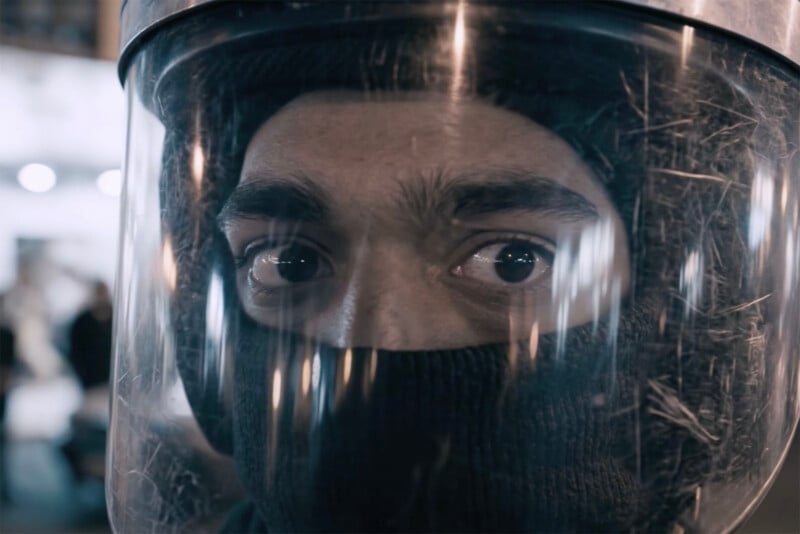
So, I’ll be clear: I think that the passion and driving reasons behind the making of this nightmare for the eyes are important and valid. I think the creators genuinely believe they’re doing something good by bringing this to Tribeca. I think Tribeca, similarly, felt compelled to allow it because of the topic it covers and the buzz it would generate by being, on the surface, watchable AI generated video.
But is is really watchable? Sure, it’s far better than the first time someone tried to generate video of Will Smith eating spaghetti but, at least from what I am seeing in the trailer, it fails to connect emotionally with the viewer.
This is without even discussing the incredibly misleading “cost” of this film, which Fountain 0 says was just two months and $2,000. That is a grossly misleading specification, as Jeremy Gray pointed out yesterday.
“In a report last year, MIT Technology Review explained that generating just five seconds of video was equivalent to running a microwave for over an hour, riding an e-bike for 38 miles, or creating over 700 high-quality AI images. That’s just the generational cost, too, not all the expense and resources that went into developing the model in the first place,” he wrote.
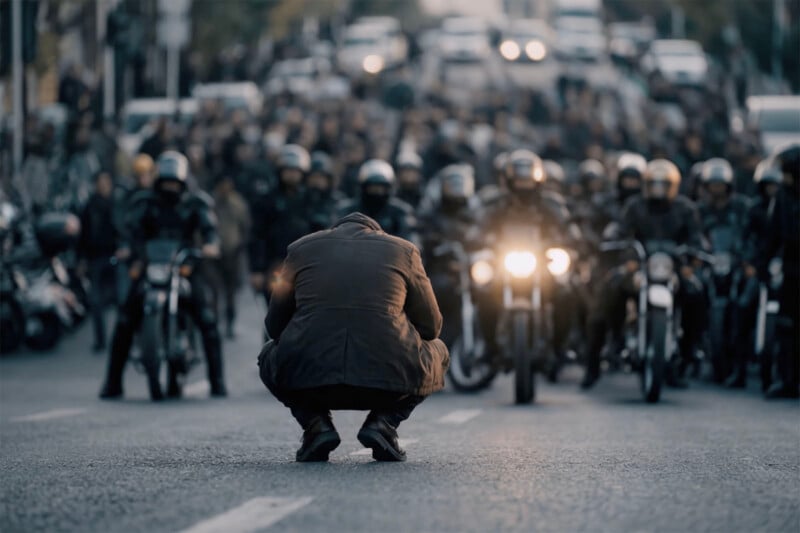
“The reality is that this film never would have been made if it were not for the AI capabilities that we were able to develop,” the creators of the film say.
Looking at the result and knowing what it cost, I would have preferred that alternative.
There are two facts I am left with after watching this. One, if this is what AI is going to do to compete with real movies — the ones that “will understandably bring chills down the spine of many in Hollywood” as its creators say — then I’m really not worried. This is as much a threat to actual filmmaking as a dung beetle is to a lion.
And two, if, somehow, this is the future of movies, then congratulations Fountain 0: you’ve made me hate something I used to love.
Image creditsScreenshots from ‘Dreams of Violets,” which can’t be copyrighted because they are AI generated.
Affiliate Disclosure PetaPixel articles may include affiliate links; we may earn a commission if you buy through one.