Scientists Are Building a Camera System to Monitor Zoo Animals’ Health
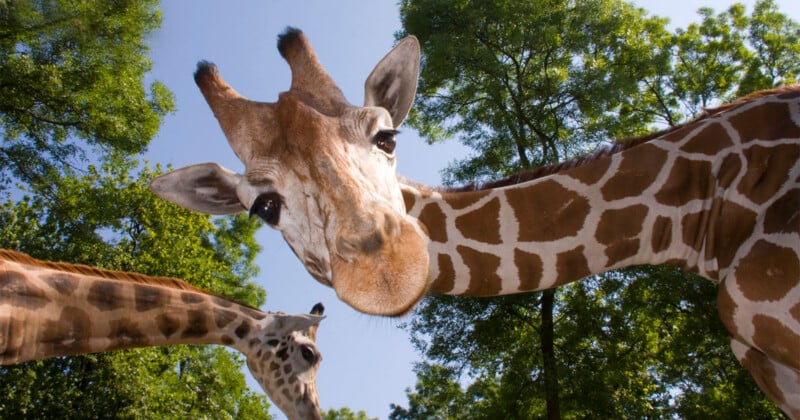
Researchers are developing a bespoke AI-powered camera platform to help zookeepers and staff monitor the health and well-being of their animals.
As Phys.org reports, a new partnership between the University of Surrey’s Center for Vision, Speech, and Signal Processing (CVSSP) and Marwell Wildlife in the United Kingdom will see researchers build an AI-based camera system to record and analyze animal behavior. The system will look for unusual behaviors and flag them for zookeepers to look at more closely.
While zookeepers spend a lot of time with their animals during the day, animals are left entirely alone at night and may show signs of distress, sickness, or injury that could otherwise go unnoticed. In many cases, early detection of issues is paramount to getting the best outcomes.
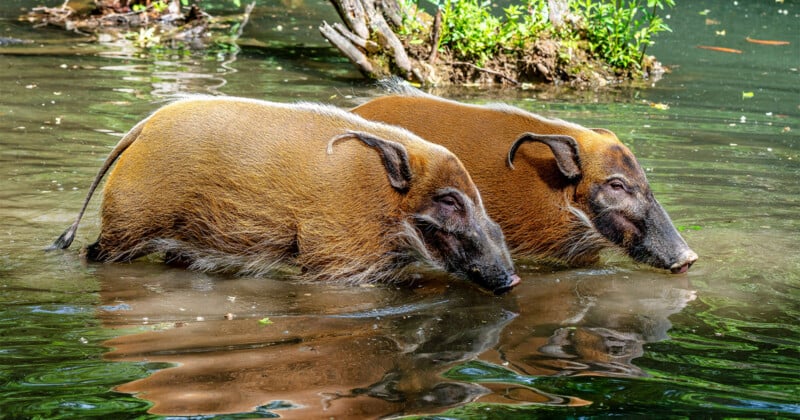
The three-year project will start with giraffes and red river hogs at Marwell Wildlife. The team will begin refining its system for these two species before moving to others.
“We are delighted to be working with the staff at Marwell on this exciting AI project that will deliver the first AI health and welfare monitoring system focused on zoo animals,” says Professor Kevin Wells from the CVSSP at the University of Surrey. “We are delighted to be working with the staff at Marwell on this exciting AI project that will deliver the first AI health and welfare monitoring system focused on zoo animals. Marwell Wildlife has a tremendous track record of putting animal welfare front and center, and this project will help enhance that work. It’s a great example of how academia and conservation organizations can come together to develop technologies that support conservation efforts.”
“At Marwell Wildlife, we have always prided ourselves on pushing the boundaries of animal welfare standards that are achievable in a zoo setting. From early adoption of an evidence-based animal welfare assessment framework to the championing of naturally positive life experiences for all the animals in our care, we know that in a modern zoo, thriving animals and habitats are absolutely paramount,” adds Laura Read, Chief Executive of Marwell Wildlife.
“That is why we are very excited to be working with the University of Surrey on developing technology that could strengthen animal welfare further, giving us new insights into nocturnal behaviors and highlighting those extra details that can be difficult to spot with the human eye,” Read continues.
Remote camera systems alone are powerful ways to monitor and analyze animal behavior, providing scientists a look behind the scenes to see how animals act when they are not being directly monitored. However, manually reviewing all the footage, especially if it’s captured across multiple zoo enclosures or wildlife habitats, requires significant time. Implementing carefully-crafted AI to analyze video automatically could be a boon for zookeepers and scientists alike.
The team at the University of Surrey believes the AI-based camera monitoring system could even be useful in wildlife parks, conservation sites, wildlife refuges, and livestock operations.
Image creditsPhotos licensed via Depositphotos.com.
Affiliate Disclosure PetaPixel articles may include affiliate links; we may earn a commission if you buy through one.