These Reporters Working at Local Florida News Website Were Actually AI-Generated
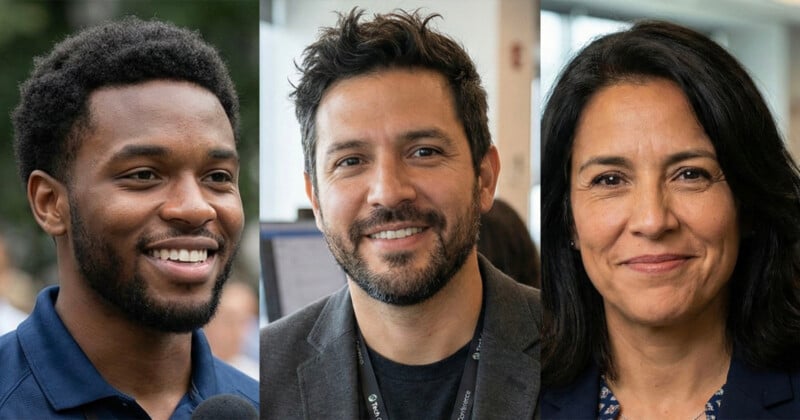
A burgeoning news website called the South Florida Standard has disappeared off the internet after an investigation uncovered that all of its reporters were AI-generated.
The Editor-in-Chief, Sofia Delgado, supposedly had over 15 years of experience covering South Florida politics. A bio for Delgado even noted that she is bilingual and was born and raised in Hialeah. A photo showed a professional, middle-aged woman smiling into the camera. The only problem? There was no camera; the images, along with the rest of the information, were all AI-generated.
The deceit of the South Florida Standard was uncovered by genuine Sunshine State news website, The Florida Trib. Along with media and technology podcast Question Everything, reporters were able to uncover a network of local news websites that AI-generated their staff and plagiarized articles written by actual local news outlets. The Florida Trib calls it a “digital mirage masquerading as local news.”
Covering Tracks
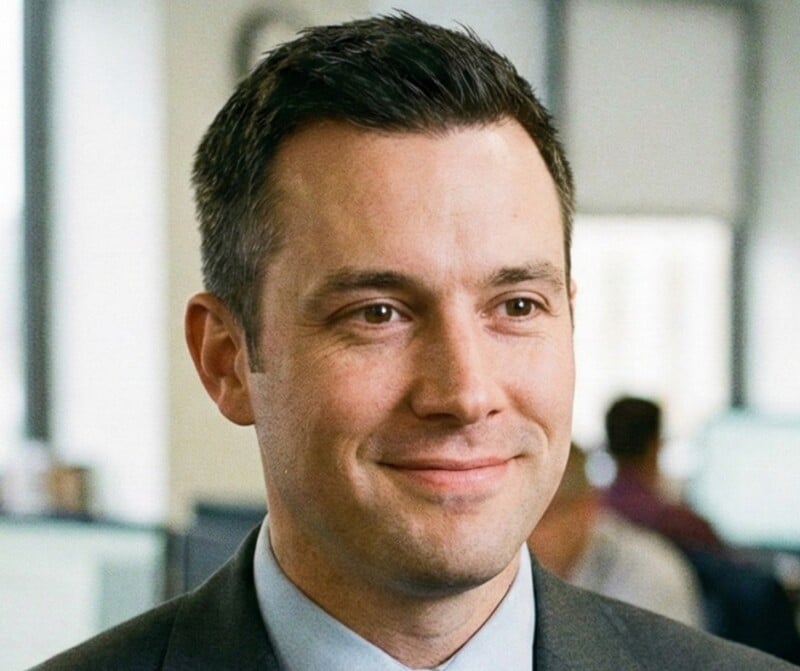
The investigation team realized that none of the reporters listed had any meaningful profiles online, but did discover that some of the names of the AI-generated reporters were the same as those of people who had been recently convicted of white-collar crimes.
After analyzing the code, the team was led to a man called Drew Chapin, a former startup CEO who had pleaded guilty to defrauding investors in 2021. Essentially, Chapin was helping other people who had been found guilty of white-collar crimes to overcome reputational harm on the internet by sharing a “counternarrative.” But the website’s administrator insists that all the names that appeared on the South Florida Standard were generated at random.
Chapin operated 17 similar websites across different parts of the United States. The Florida Trib reports that all it takes is a $10 domain name and a text prompt, then an AI assistant can “pump out a new ‘local news’ site, complete with a mission statement and masthead, a team of fake reporters with phony bios and email addresses, and a bevy of articles.”
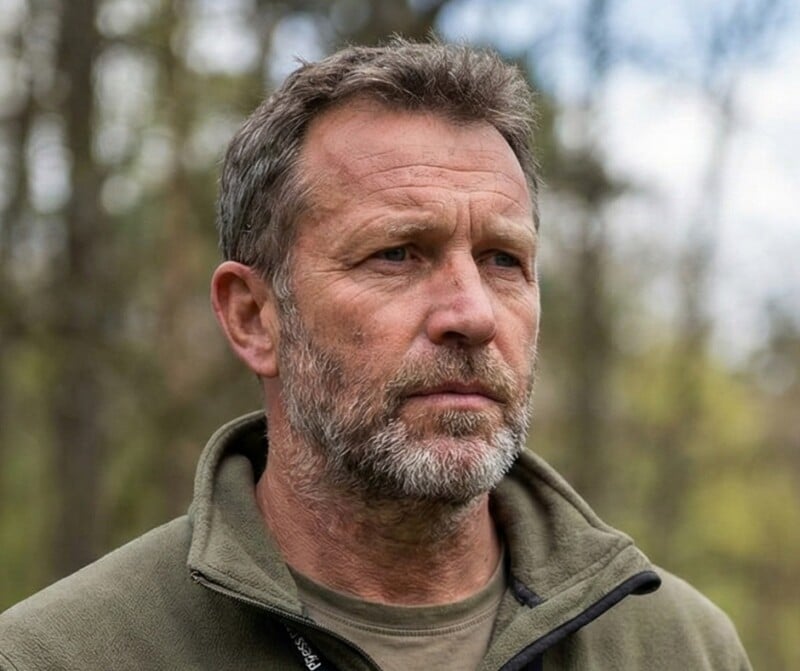
But there are more sinister sides of operations such as this one, for example the South Florida Standard was lifting a lot of its content from Florida Politics. Furthermore, such websites will contain a lot of mistakes, which can confuse some readers and is generally bad for democracy.
“Stuff like this has zero value to the public,” Kelly McBride from The Poynter Institute tells The Florida Trib. “And in fact it has a negative impact on the news ecosystem, because it clutters the environment.”
Yeseterday, an AI-generated ‘photo’ was disqualified from the Hasselblad Master 2026.
Affiliate Disclosure PetaPixel articles may include affiliate links; we may earn a commission if you buy through one.