

NiSi’s Newest Filters Promise Dreamier Starry Skies
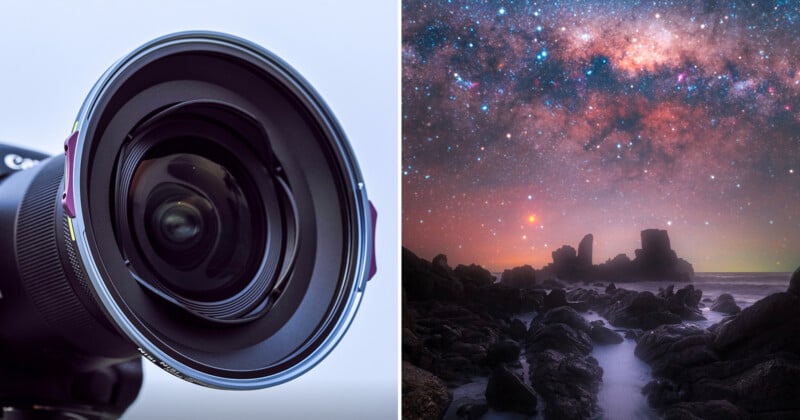
NiSi has announced the new JetMag Pro Star Soft magnetic filters, a pair of diffusion-style filters aimed specifically at astrophotographers and night landscape shooters looking to add a softer, more atmospheric rendering to the night sky.
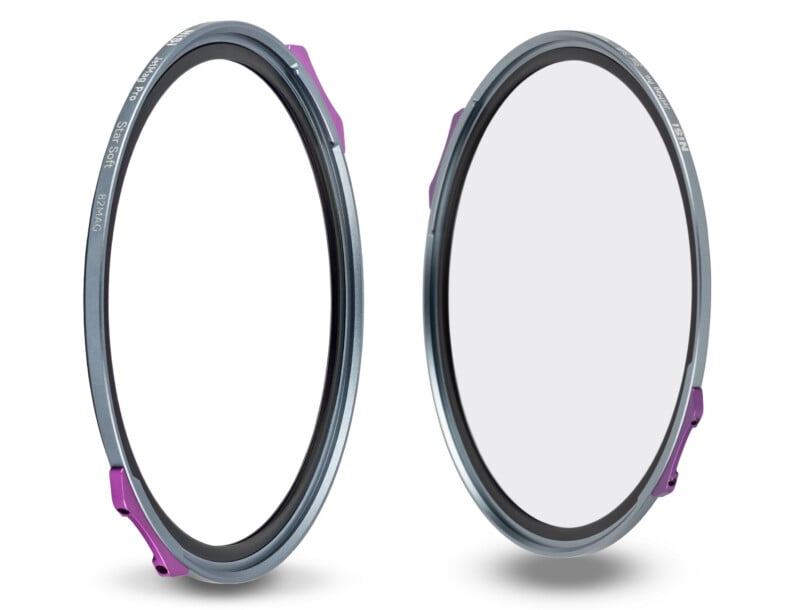
Available in both the standard 82MAG format and the larger MAXMAG system for ultra-wide lenses, the new filters are designed to subtly enlarge stars, soften harsh digital rendering, and add a glowing cinematic quality to celestial scenes, all while integrating into NiSi’s growing JetMag Pro magnetic filter ecosystem.
The filters arrive as astrophotography continues evolving beyond purely technical image quality, with many photographers increasingly experimenting with diffusion, softer rendering, and more stylized night-sky aesthetics.
A Different Approach to Astrophotography Rendering
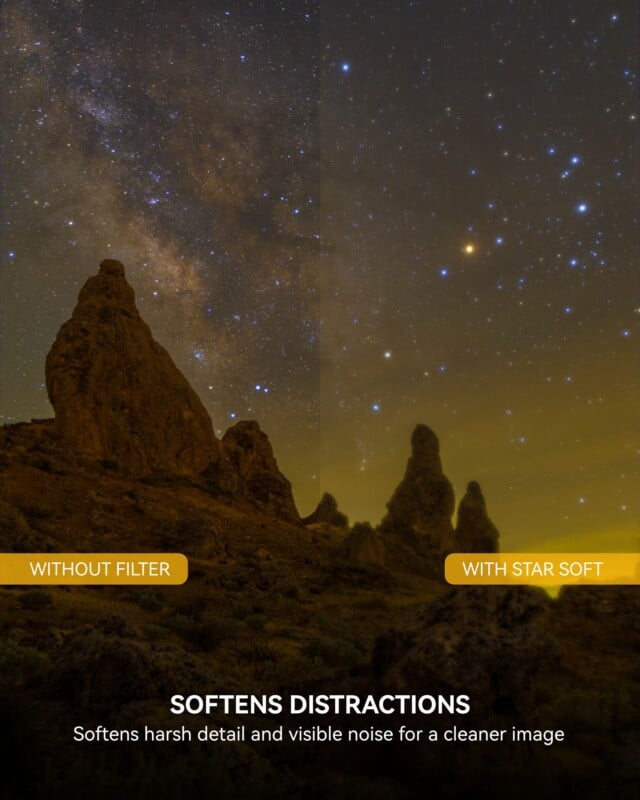
Modern astrophotography often emphasizes technical perfection: ultra-sharp stars, low-noise sensors, and maximum detail recovery. But the downside of that approach is that digital night images can sometimes appear clinically sharp or overly sterile, particularly when captured with modern high-resolution cameras. NiSi’s new Star Soft filters appear designed to counterbalance that trend by introducing controlled diffusion into night scenes.
According to the company, the filters create a subtle halo around bright stars and celestial objects, increasing their apparent luminosity without completely obscuring surrounding detail. The result is intended to produce a more cinematic or painterly look rather than a purely documentary rendering of the night sky.
NiSi also says the filters can help smooth the appearance of high-ISO noise and minor sensor artifacts that often become visible during long-exposure astrophotography work.
Designed for Astro and Night Landscape Photography
While diffusion filters are commonly associated with portrait or cinema work, astrophotographers have increasingly adopted softer optical effects to create more atmospheric night imagery.
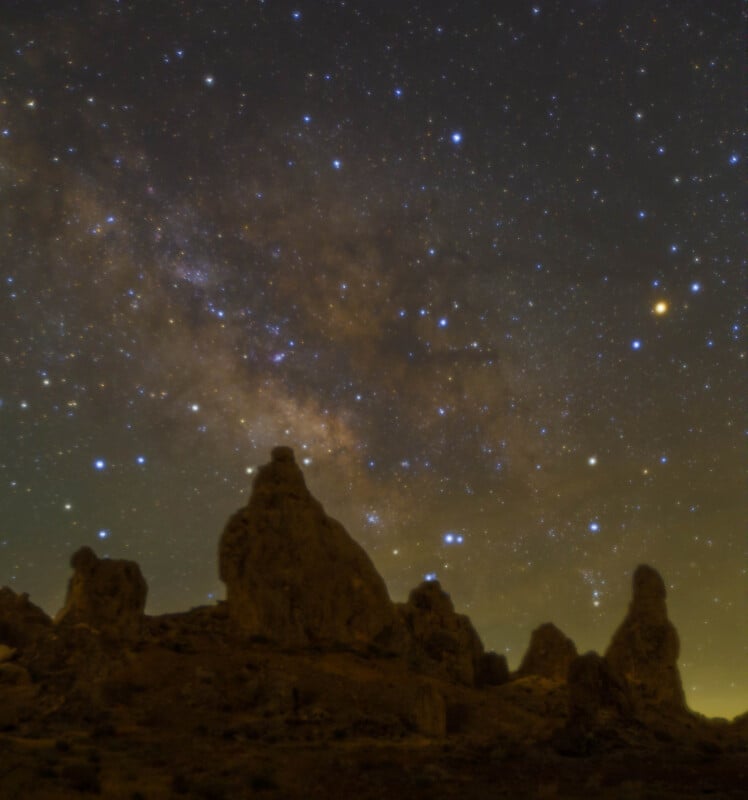
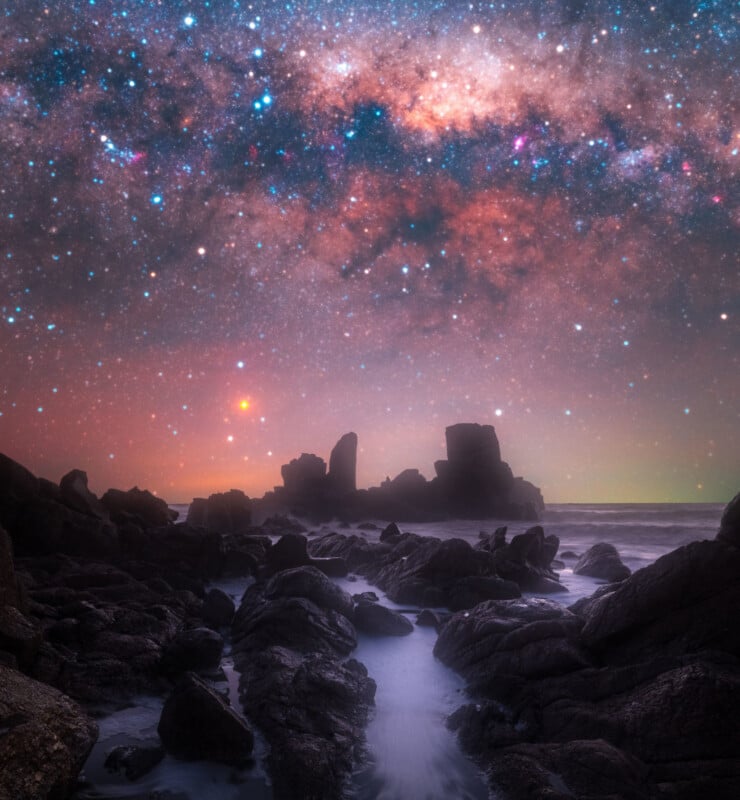
The Star Soft filters are specifically targeted at that audience. NiSi says the optical formula is tuned to maintain the overall structure of the sky while adding glow and separation to brighter celestial elements, such as stars, constellations, and parts of the Milky Way.
The company also claims the filters enhance perceived color depth and contrast in celestial bodies, helping warm and cool tones stand apart more clearly in night scenes.
That combination could appeal to photographers creating stylized landscape astro compositions, especially those blending terrestrial foregrounds with expansive night skies.
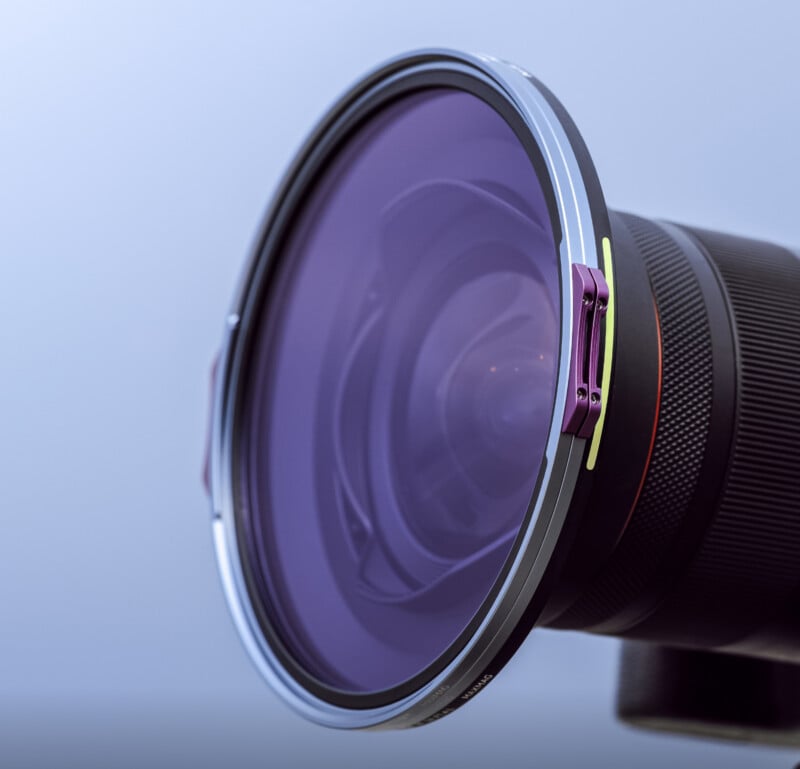
MAXMAG Targets Ultra-Wide Lenses Without Front Threads
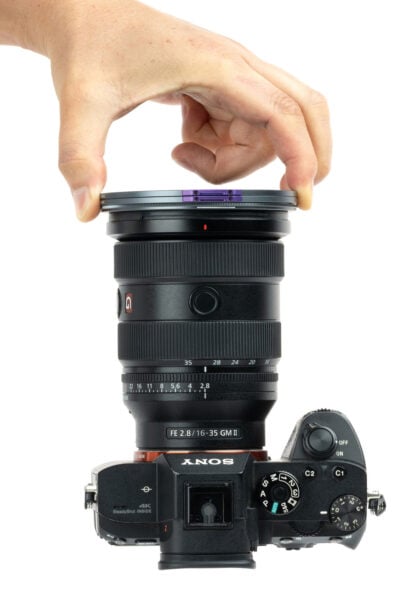
The larger MAXMAG version may prove particularly interesting for photographers using ultra-wide lenses that traditionally cannot accept front filters.
NiSi says the MAXMAG system supports optics such as the Nikon Z 14-24mm f/2.8 S and Sony FE 14mm f/1.8 GM through dedicated external mounting adapters. These adapters create a magnetic filter interface around lenses that otherwise lack conventional front filter threads.
That approach allows astrophotographers to use magnetic diffusion and other lens effects that often require bulky square filter systems or cannot be accommodated at all.
The MAXMAG design also supports stacking multiple filters without significant vignetting, even at extremely wide focal lengths.
Part of a Growing Trend Toward Stylized Night Imaging
The launch also reflects a broader shift happening within astrophotography itself.
For years, much of the genre focused heavily on technical benchmarks such as corner sharpness, coma correction, and noise reduction. While those factors remain important, many photographers are increasingly experimenting with diffusion filters, vintage optics, film-inspired rendering, and softer atmospheric effects to create more emotionally driven night imagery.
Products like the Star Soft filters fit directly into that movement, offering photographers a repeatable optical effect that would otherwise require more extensive post-processing or digital glow techniques.
Rather than replacing technically precise astro imaging, the filters appear aimed at photographers looking to expand the visual language of their night work beyond purely clinical sharpness.
Pricing and Availability
The NiSi JetMag Pro Star Soft 82MAG Magnetic Filter is available now for pre-order at $115, while the larger JetMag Pro Star Soft MAXMAG Magnetic Filter is priced at $220. NiSi says both filters are currently in production, although the company has not announced final shipping dates.
Image creditsNiSi
Affiliate Disclosure PetaPixel articles may include affiliate links; we may earn a commission if you buy through one.