Light Pollution Increased 16% Between 2014 and 2022, Study Finds
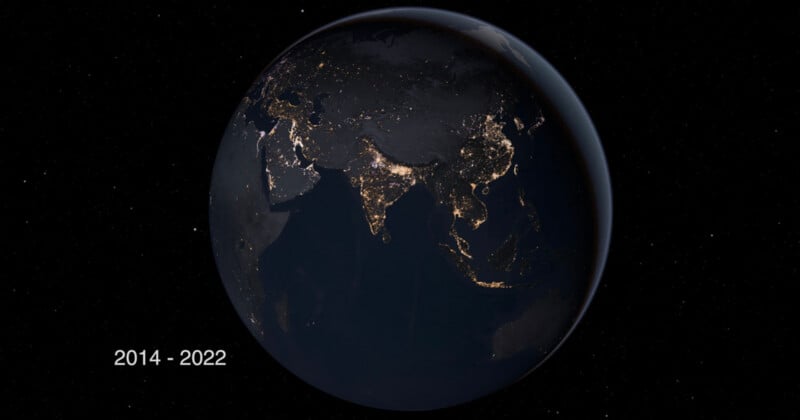
Humans have been observing the night sky since the ancient days of Mesopotamia and Babylon, but we’re increasingly getting in our own way.
It’s not just important to astronomers, but essential to astrophotography, too. Despite this, a study in Nature finds that the sky is getting brighter and brighter.
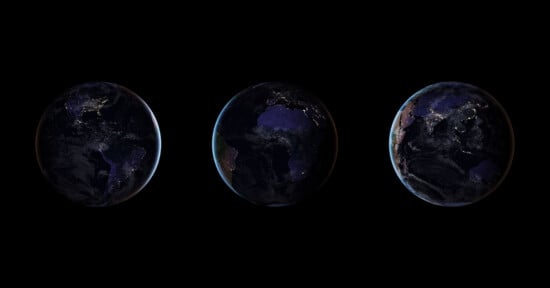
Per a report in USA Today, researchers from the University of Connecticut found that between 2014 and 2022, artificial light has brightened 16%. The team used satellite data from NASA for the paper.
The United States leads the way as the most luminous country, followed by other industrial titans like China, Canada, India, and Brazil.
“For decades, we’ve held a simplified view that the Earth at night is just getting steadily brighter as human population and economies grow,” says Zhe Zhu, the author or the study and director of the University of Connecticut’s Global Environmental Remote Sensing Laboratory. “The planet’s lighting footprint is constantly expanding, contracting, and shifting.”
This interactive light pollution map gives locations a brightness rating using the Bortle scale. The measurement has nine levels, Class 9 representing the maximum level of light pollution, which is found in major cities like London and New York.
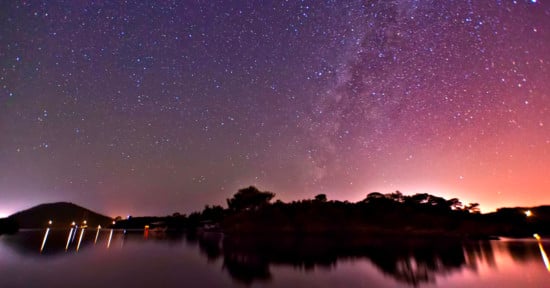
USA Today notes that 80 percent of Americans live in urban areas, and citizens there are only able to see the brightest objects in the night sky, like Venus and nearby stars such as Sirius.
This light pollution is not just bad news for photographers hoping to capture a shot of distant galaxies, but it can also disturb people’s sleep cycles and suppress melatonin, a hormone that regulates the circadian rhythm. Even more unnerving is a 2024 study that found a slightly higher risk of breast cancer for people exposed to powerful artificial light at night.
Animals are also at risk: birds and sea turtles use moonlight to navigate, but artificial light can make them lose their way, which can be fatal.
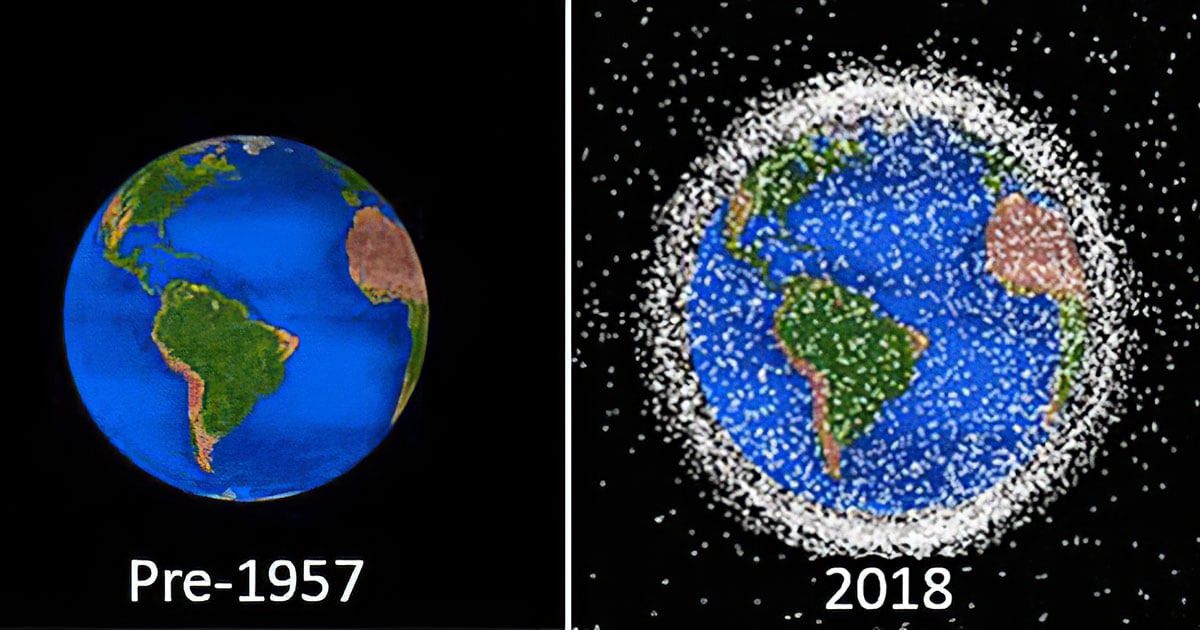
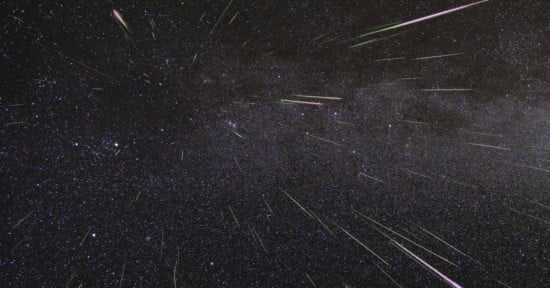
And it’s not just light pollution coming from the ground; the massive amount of satellites now orbiting Earth also contributes to light pollution, and is dimming humanity’s view of the Universe.
Earlier today, PetaPixel reported on a fantastic image captured by photographer Angel Fux, who captured the two arms of the Milky Way and Gegenschein. Fux mentioned that light pollution from Italy affected the image, even from her vantage point some 14,000 feet in the air. If light pollution continues to climb, such views and images may no longer be possible.
Affiliate Disclosure PetaPixel articles may include affiliate links; we may earn a commission if you buy through one.