
Amazon Photos Redesign Adds Memory Feed, AI Search, and Alexa Controls
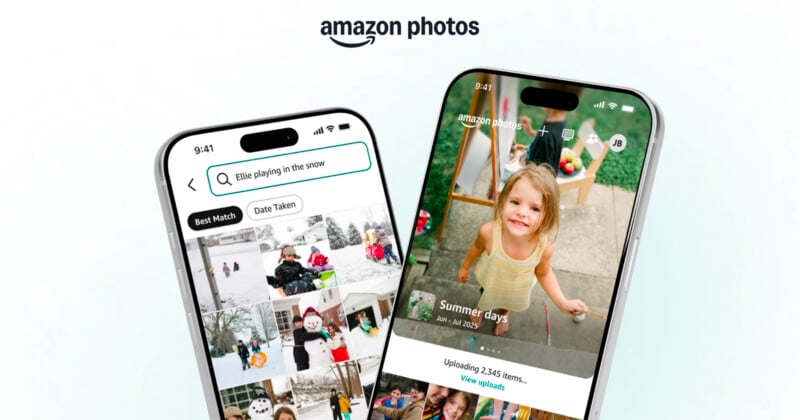
Amazon is rethinking how users interact with their photo libraries, rolling out a redesigned experience for Amazon Photos that shifts the focus from storage to discovery. Rather than opening to a static grid of images, the updated app now surfaces curated memories the moment users launch it, aiming to make photo libraries feel more alive and accessible.
The change reflects a broader shift in how tech companies are approaching personal media, moving away from passive storage and toward more dynamic, AI-driven experiences that highlight meaningful moments without requiring users to search for them.
From Storage Tool to Memory Feed
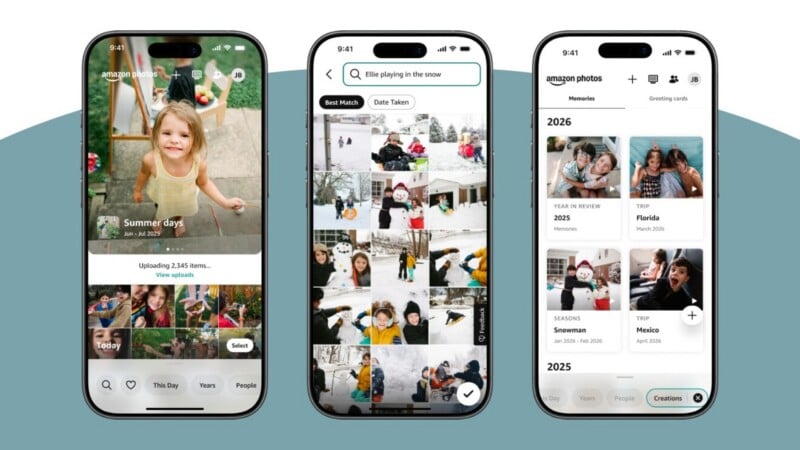
At the center of the redesign is a new homepage built around a curated memory feed. Instead of scrolling through thousands of images, users are greeted with collections grouped by trips, people, and key moments, presented in a more narrative format.
These collections can be viewed as full-screen sequences, allowing photos to flow together in a way that feels closer to a slideshow than a traditional gallery. The goal is to surface highlights automatically, reducing the friction of revisiting older images that might otherwise remain buried in a camera roll.
“On This Day,” one of the platform’s most popular features, is also more prominently integrated into the experience, making it easier to revisit photos from the same date in previous years without having to manually search for them.
Search That Understands What You Mean
Another key update comes in the form of improved search functionality. Users can now find photos using natural language, describing what they are looking for rather than relying on dates or manual organization.
Searching for phrases like “beach sunset last summer” or “kids playing in the snow” will surface relevant images, reflecting a growing trend toward AI-assisted media organization across consumer platforms.
This approach removes one of the biggest pain points of large photo libraries: the difficulty of locating specific moments when you cannot remember when or where they were captured.
Alexa Integration Expands the Experience Beyond Mobile
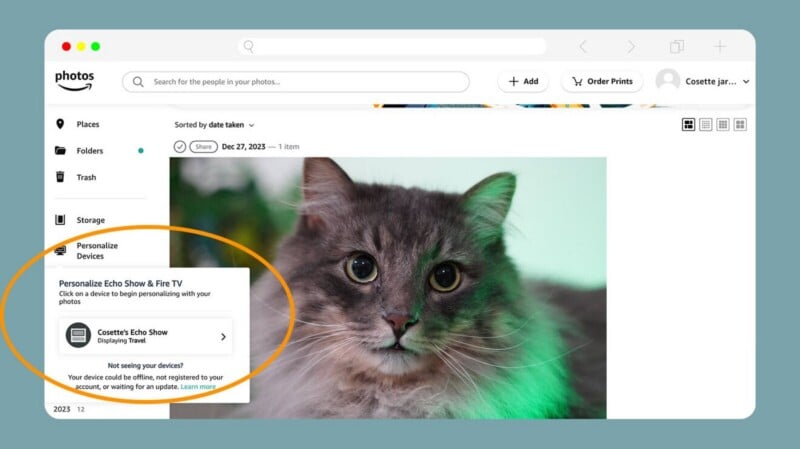
The update also deepens integration with Alexa, particularly through Alexa+. Users can now ask voice commands such as “show me photos from my trip to Hawaii,” with results appearing almost instantly on devices like Echo Show or Fire TV.
This expands Amazon Photos beyond a mobile app into a more ambient experience, where personal images can be surfaced across the home without direct interaction with a phone or computer.
It also reinforces Amazon’s broader ecosystem strategy, connecting services and devices into a unified experience centered around voice and automation.
Built Around the Scale of Modern Photo Libraries
The redesign arrives at a time when most users are managing photo libraries that span years, often containing tens of thousands of images. While cloud storage has made it easy to keep everything, actually revisiting those images has remained a challenge.
Amazon Photos attempts to address that gap by combining unlimited photo storage for Prime members with tools that actively resurface content. The service includes free high-resolution photo storage and 5 GB of video storage, with additional paid tiers available for users who need more capacity.
By pairing storage with discovery, Amazon is positioning the platform as more than just a backup solution, instead framing it as a place where memories are continuously revisited and recontextualized.
A Familiar Direction With a Different Ecosystem Advantage
The move aligns with a broader industry trend toward memory-centric interfaces, but Amazon’s advantage lies in its ecosystem. With integration across mobile devices, TVs, and smart displays, the company can surface photos in more places than a standalone app typically could.
The redesigned experience is available now on iOS, with an Android rollout expected soon and additional updates planned throughout 2026.
For users already embedded in Amazon’s ecosystem, the update signals a clear shift in intent: your photo library is no longer just something you store. It is something the platform actively brings back to you.

Pricing and Availability
The redesigned Amazon Photos experience is available now on iOS, with an Android rollout expected soon and additional updates planned throughout 2026.
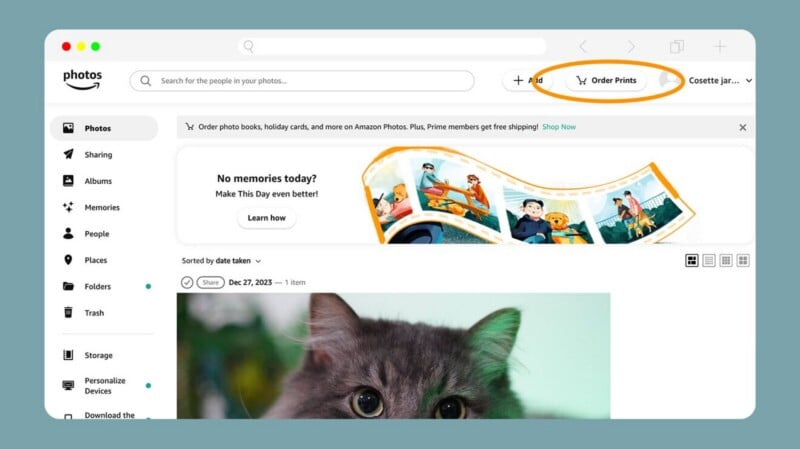
The service remains included as part of an Amazon Prime membership, which costs $15 per month or $139 per year in the U.S. Prime members receive unlimited high-resolution photo storage and 5 GB of video storage at no additional cost. For users who need more video storage, Amazon offers paid tiers starting at 50 GB for $1 per month, scaling up to 2 TB for $12 per month.
Image creditsAmazon
Affiliate Disclosure PetaPixel articles may include affiliate links; we may earn a commission if you buy through one.