
Artemis II Astronauts Capture Side of the Moon That’s Rarely Seen
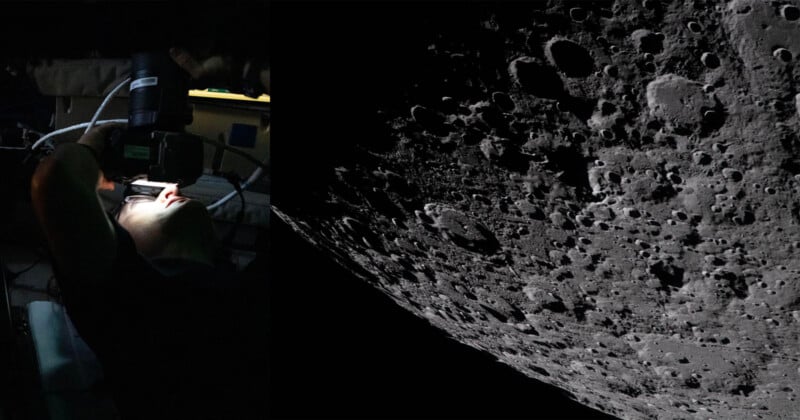
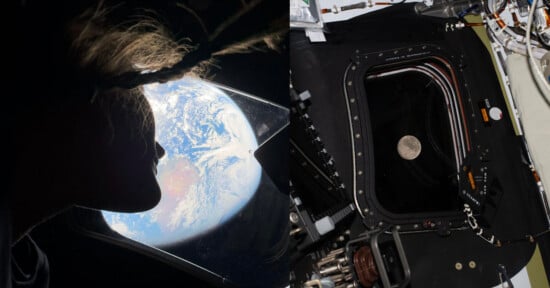
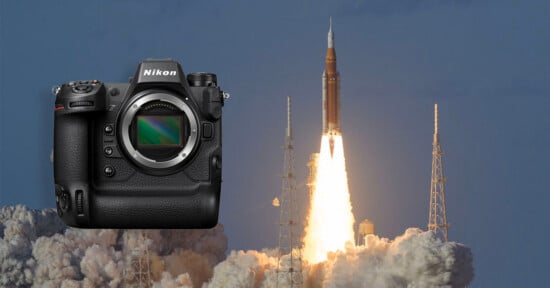
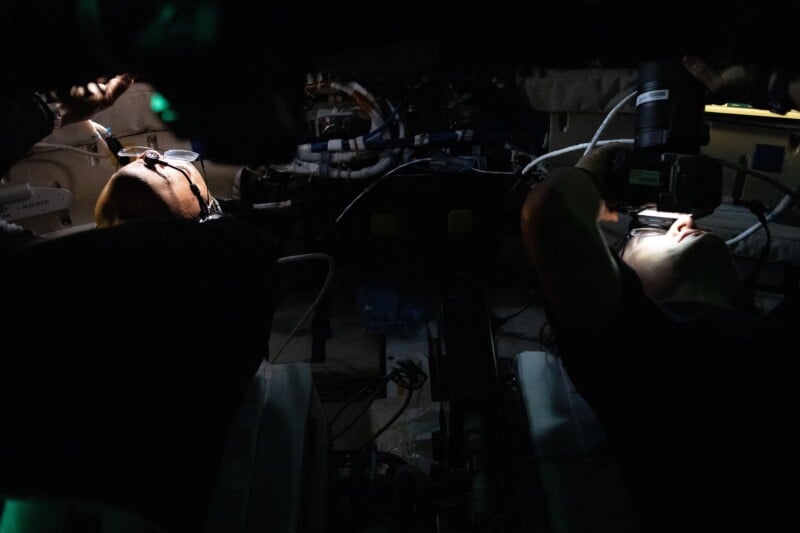
The NASA Artemis II astronauts recorded history yesterday by traveling further from Earth than humans before them — 248,655 miles (400,000 kilometers) — and on their epic journey, the crew has been capturing awe-inspiring photos of rarely seen celestial sights.
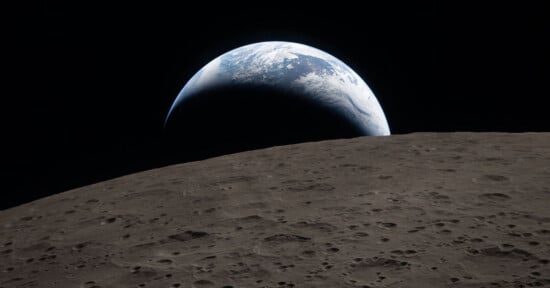
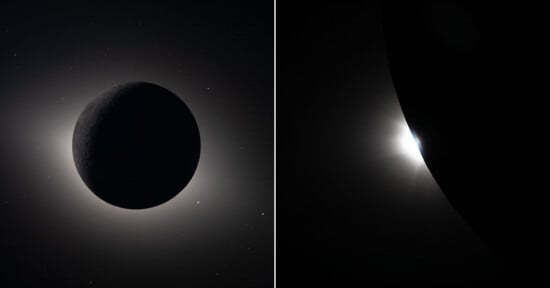
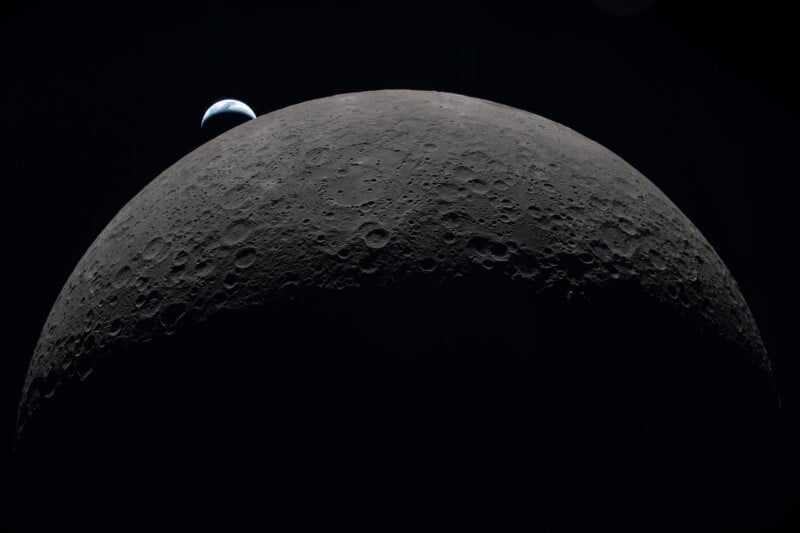
NASA has today released a treasure trove of images taken by the Artemis II crew yesterday (April 6) as they orbited the Moon in their Orion spacecraft. It includes stunning photos of an “Earthset”, and the Moon eclipsing the Sun.
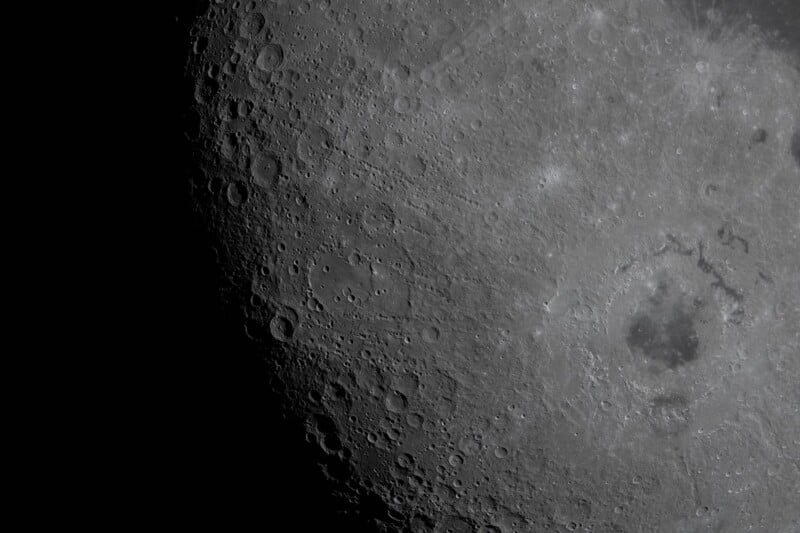
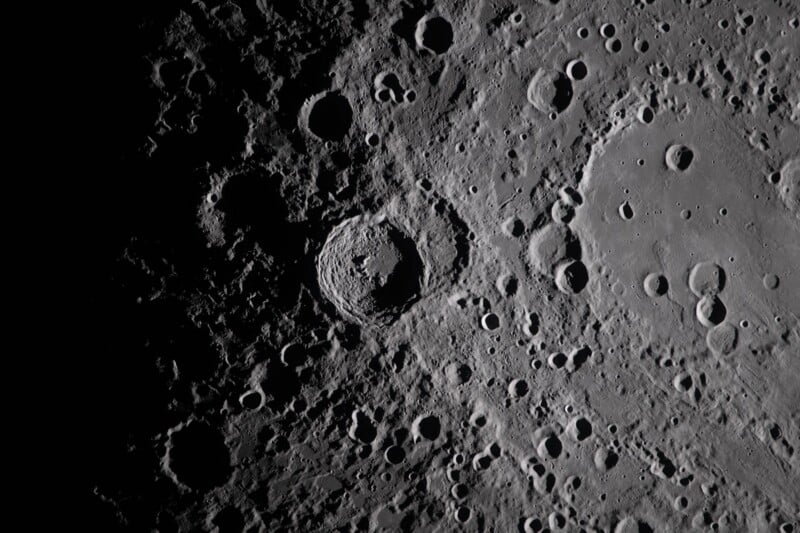
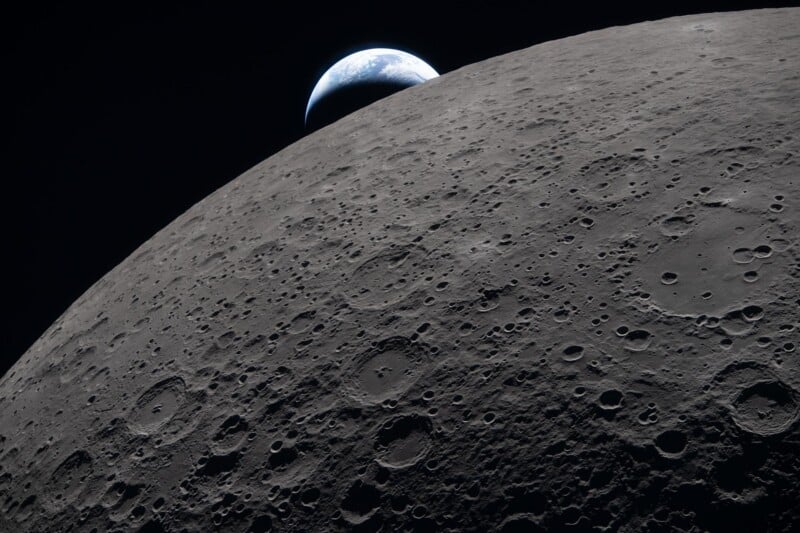

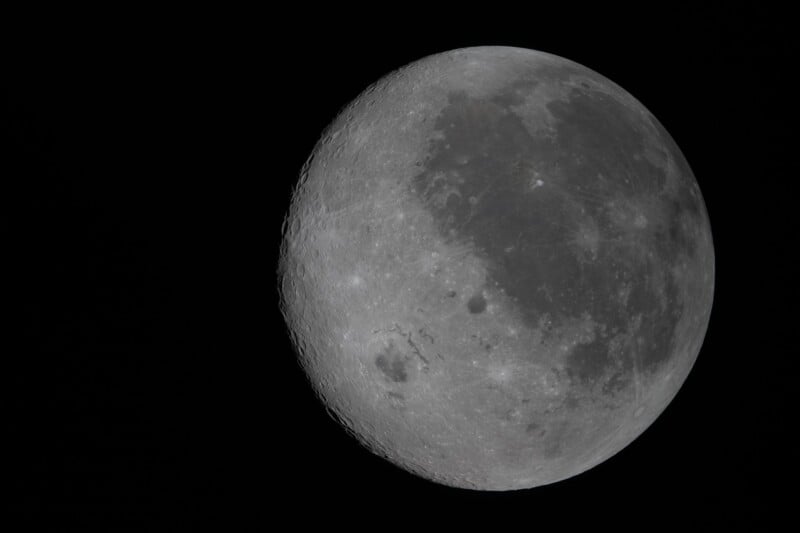
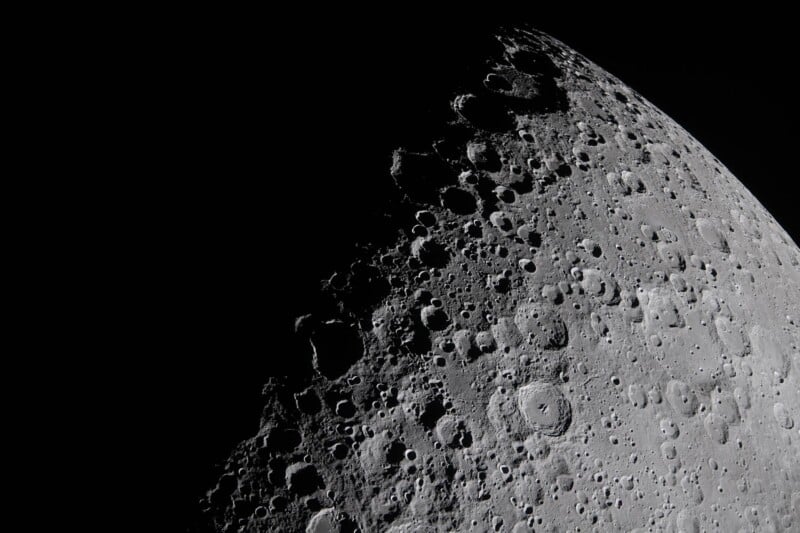
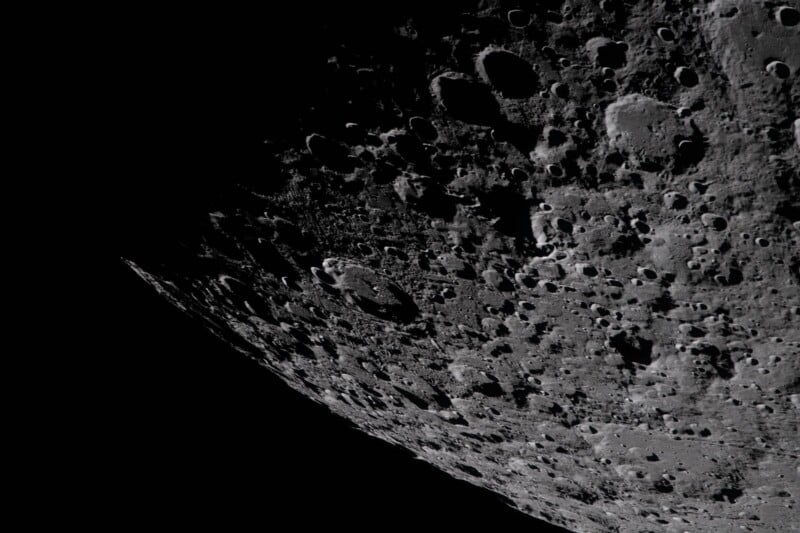
Since they were on the far side of the Moon, the crew also took close-up and middle-distance photos of an area humanity doesn’t usually get to see. As NASA notes, the near side of the Moon is identifiable by the dark splotches that cover its surface, created early in the Moon’s history when it was volcanically active.
“The large crater west of the lava flows is Orientale basin, a nearly 600-mile-wide crater that straddles the Moon’s near and far sides,” NASA explains. “The Artemis II crew are the first people to ever see the full Orientale Basin. Everything to the left of the crater is the far side, the hemisphere we don’t get to see from Earth because the Moon rotates on its axis at the same rate that it orbits round us.”

The four astronauts on the Artemis II mission are now headed back toward Earth. They’re scheduled to splash down in the Pacific Ocean on Friday.
Image creditsNASA
Affiliate Disclosure PetaPixel articles may include affiliate links; we may earn a commission if you buy through one.