Powerful Portraits Show Perpetrators and Victims of Rwandan Genocide Posing Together
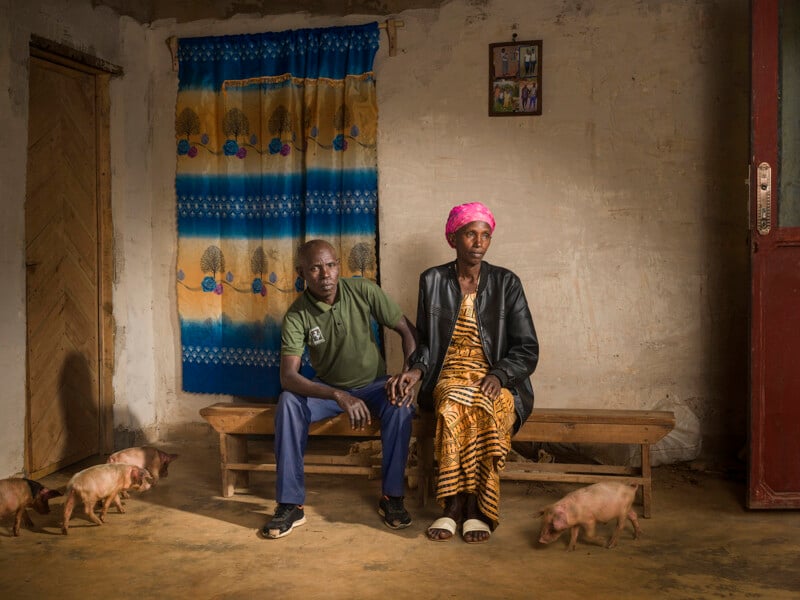
When the genocide began, Marianna fled with her family to a church where most of them were slaughtered. She and a sister survived by hiding among the bodies, and later escaped to Bisesero, where many Tutsis died after being abandoned by French peacekeeping forces. In a sociotherapy group in 2018, she encountered Marc, who killed her sister and looted their home. During therapy, she forgave him.
The 1994 genocide in Rwanda was one of the most intimate and large-scale acts of violence of the 20th century. In just 100 days, between 800,000 and one million people were killed, mainly Tutsis but also Hutus. Perpetrators were neighbors, teachers, church leaders, even family members, who attacked face-to-face with machetes, clubs, and spears.
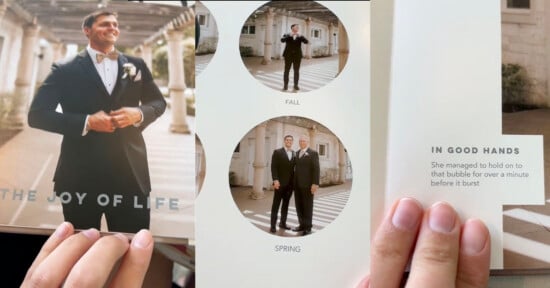
Blood Bonds: Reconciliation in Post-Genocide Rwanda is a recent photobook by photographer Jan Banning and journalist Dick Wittenberg, with an essay on forgiveness by philosopher Marjan Slob. It addresses the genocide in Rwanda, the reconciliation programs that followed, and presents 18 joint portraits of survivors and perpetrators.
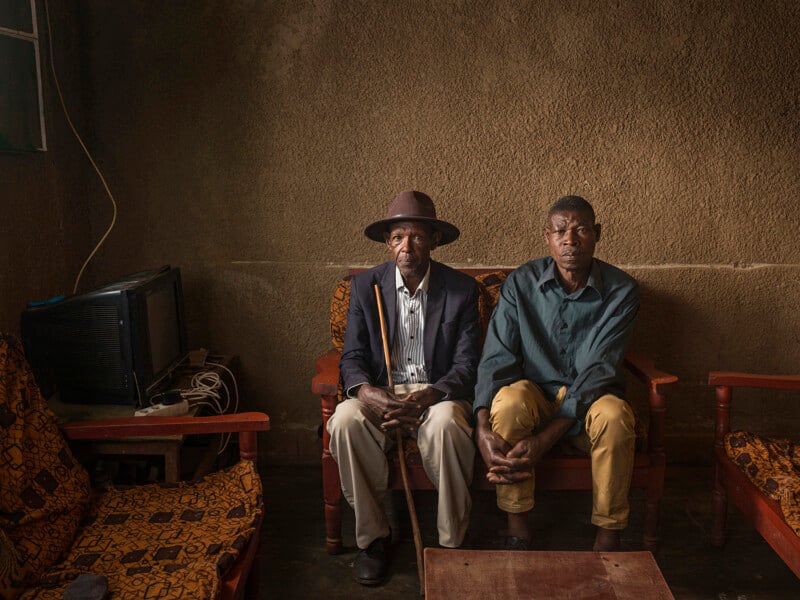
Celestin Kayijuka (left) lost four of his seven children and 17 relatives in the genocide. He bears many scars and a limp from a brutal attack while fleeing. Jean Marie murdered Celestin’s father, served 10 years in prison and confessed during a gacaca trial. He later apologized personally to Celestin and his brothers, leading to reconciliation. “At parties, we now dance together,” Celestin says.
The photographs show unlikely pairs of former enemies: a survivor of violence and the perpetrator who harmed them or their family. They live in the same villages, share daily life, and in some cases describe each other as friends or even family. “We live on the same hill. I hear her when she calls me,” says Alphonse, who murdered Liberatha’s brother but now helps care for her.
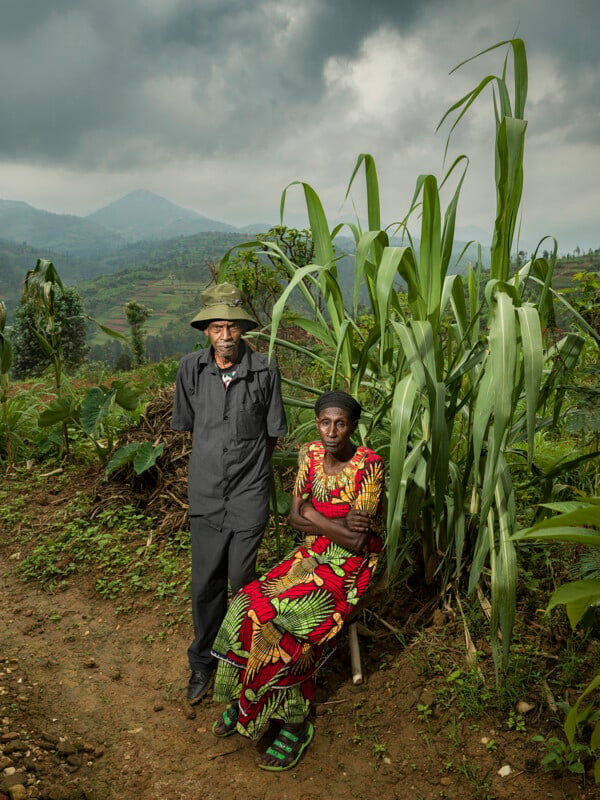
Liberatha lost three of her 11 children, including twins murdered by men who attacked her house at the start of the genocide. Her entire family was also killed. After the genocide, she (in her own words) was ‘insane’ and consumed by anger for years. In a sociotherapy group, she met Alphonse Kanyemera, who served 15 years in prison. He was part of the group that killed her twins, apologized and asked for forgiveness.
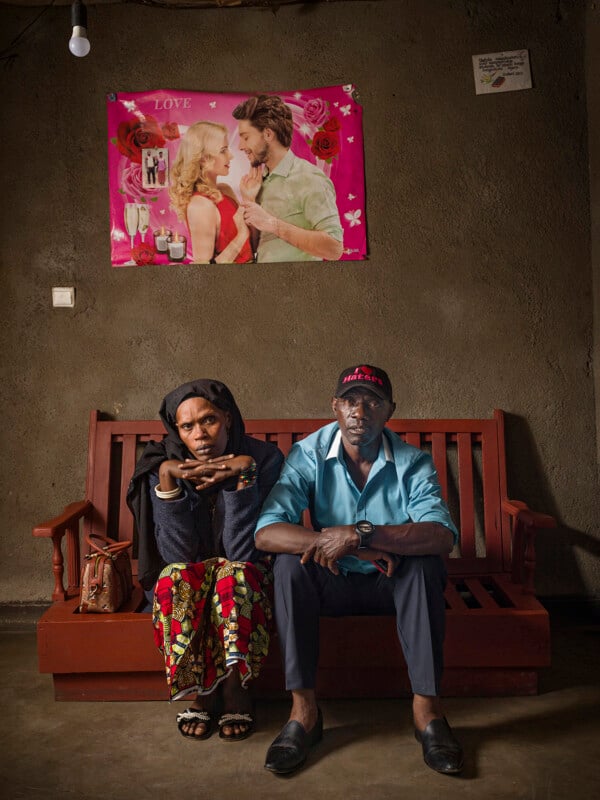
Epiphanie lost eight siblings, both parents, and nearly her own life in the genocide. On the first day of the killings, a mob including Jean Baptiste set fire to her grandmother’s house, where her family had sought refuge. Years later, through a sociotherapy group, Epiphanie crossed paths with Jean Baptiste, who had served 12 years in prison for his crimes. After hearing his heartfelt apology, she found the strength to forgive, and they reconciled.
The book not only recalls these events but also places them in the longer history of tensions between Hutus and Tutsis, colonial manipulation, ethnic propaganda, and civil war.
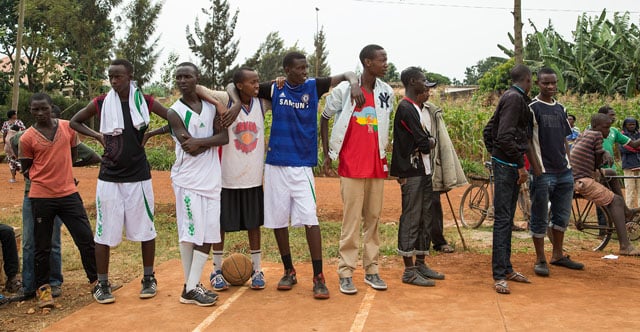
After the genocide, survivors, perpetrators, and bystanders had to live together again. The Rwandan state pursued justice through the gacaca (pronounced: katschatscha): more than 12,000 village courts tried over one million suspects. The aim was to punish crimes, reveal truths to help restore communities. But trials also reopened fear and resentment, leaving many with scars that law alone could not heal.
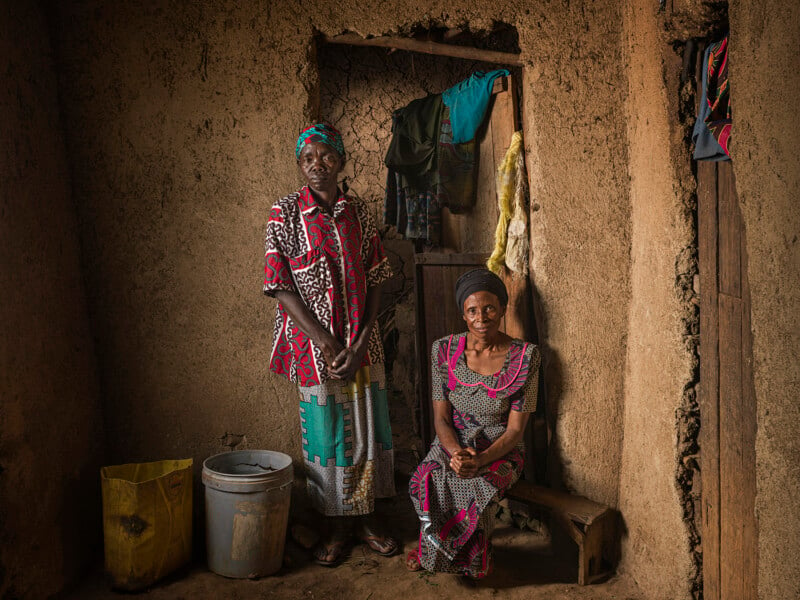
Ancile Unabagira, right, lost her husband, parents, and two siblings during the genocide. She fled with her three young children, surviving with help from kind Hutus. Ancile Nyiramimani, who betrayed four relatives of Unabagira’s husband, later joined the same CBS Rwanda socio-therapy group. There, Unabagira learned of Nyiramimani’s extreme poverty, including having barely any clothes and only banana leaves as a mattress. Moved by her story, the two embraced, finding reconciliation.
Alongside gacaca, community-based sociotherapy was developed, known as Mvura Nkuvure — “I heal you, you heal me.” In weekly group sessions, survivors and perpetrators sing, talk, and share stories, gradually building trust. Since 2005, more than 115,000 people have taken part in Rwanda. The method has since been applied in Liberia, Congo, Uganda, Ethiopia, and South Sudan.
Blood Bonds stands as testimony to the fragile but vital process of reconciliation after atrocity. It shows how people once bound by violence find ways to live together again. Its relevance extends beyond Rwanda, offering perspective for today’s other conflicts. “Even after a genocide, there is life. Even after a genocide, there is hope.”
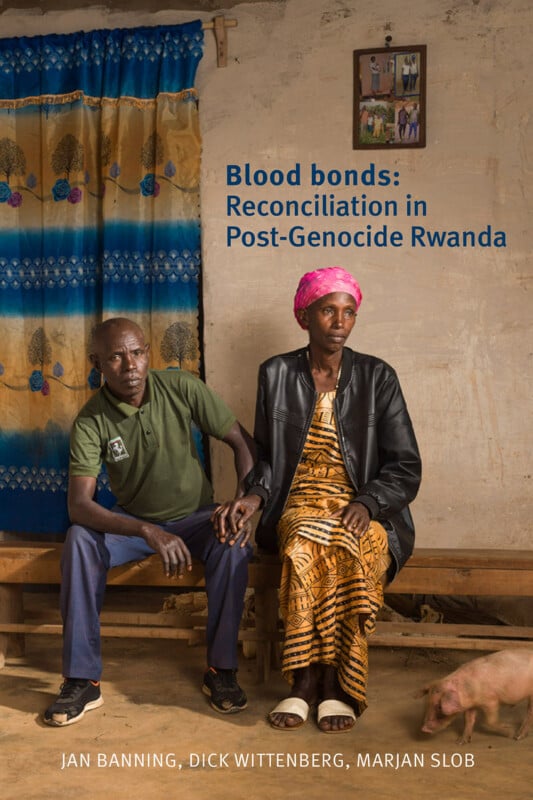
The book can be purchased here or here.
Affiliate Disclosure PetaPixel articles may include affiliate links; we may earn a commission if you buy through one.