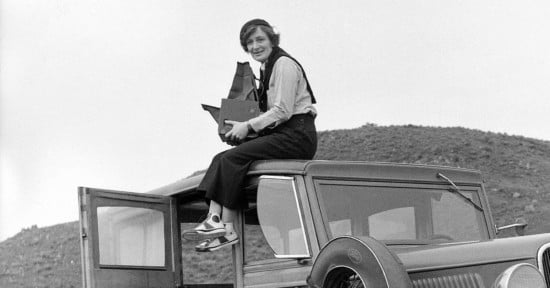
Dorothea Lange’s Unseen Photos of Doomed Town That’s Now Underwater Digitized by UC
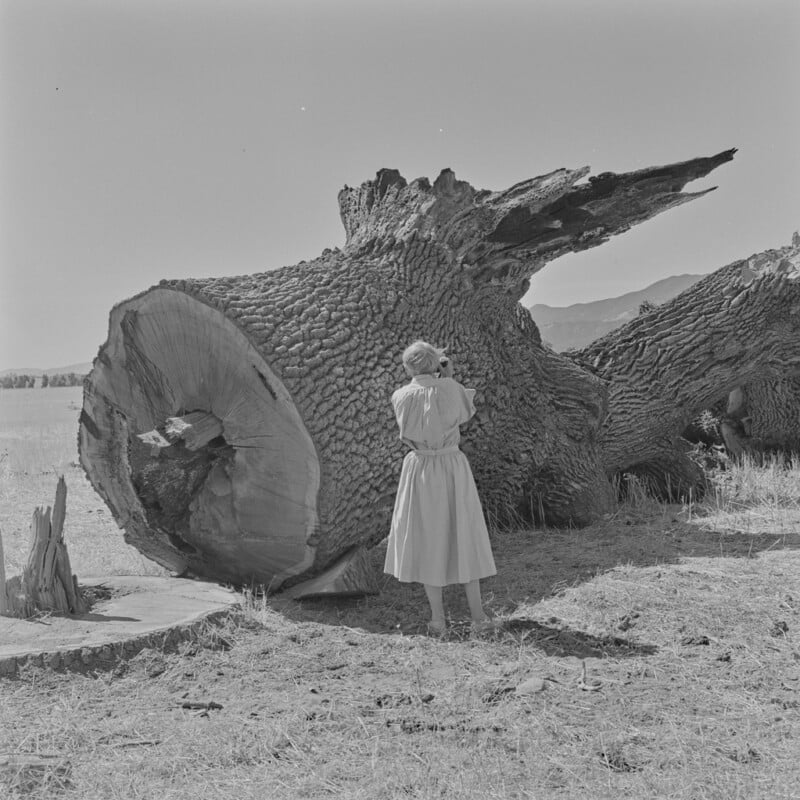
An incredible photo archive showing the sad decline of a long-forgotten town shot by Dorothea Lange and Pirkle Jones has been digitized and uploaded by the University of California (UC).
The sorry tale of Monticello, a former town which now lies beneath Lake Berryessa, was keenly documented by Lange and Jones, who sold the story to Life magazine — before the publication pulled the piece.
Although the story was picked up by Aperture magazine, many of the photos have been unseen until now. Lange is famous for her depiction of Dust Bowl America during the Great Depression; her famous photo, Migrant Mother, is an icon of the 20th century.
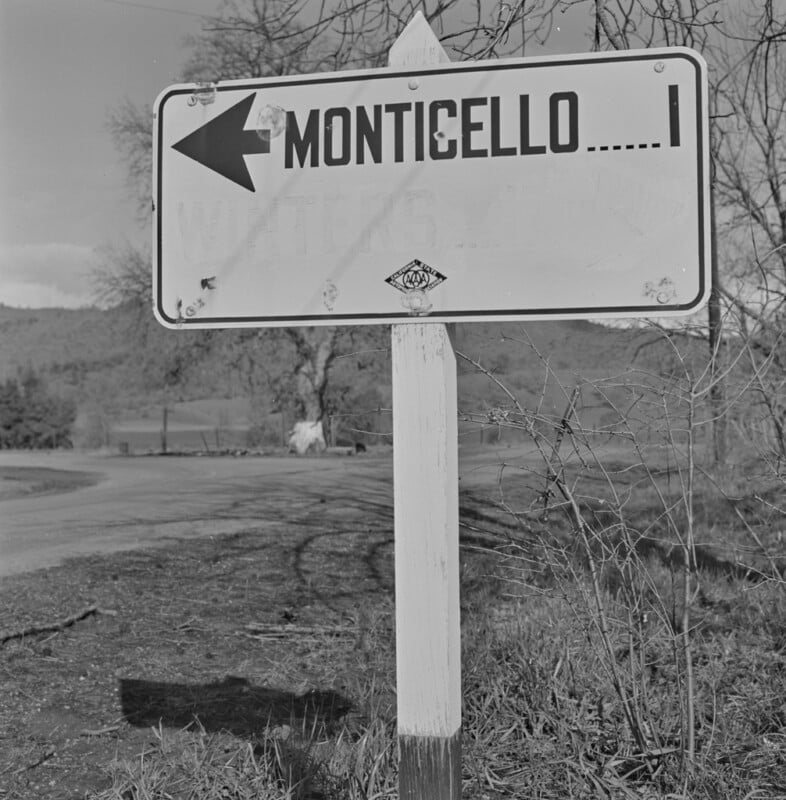
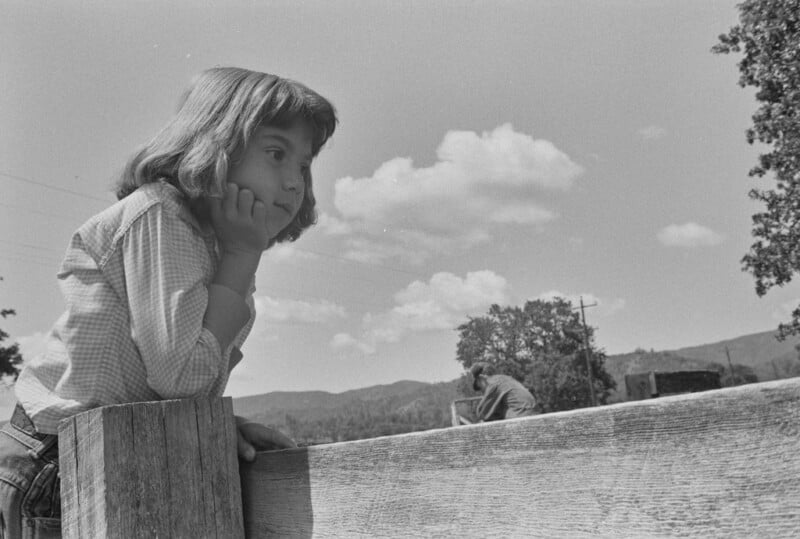
The photos of Monticello were taken from 1956 to 1957. California had boomed in the preceding two decades; the population more than doubled. All those extra mouths needed water, so the state’s idea was to create Lake Berryessa by capturing water rolling down the Coastal Range.
“Struck by the environmental and societal cost of the project, photographers Dorothea Lange and Pirkle Jones turned their lenses to document and demonstrate to the public what progress looked like,” UC Santa Cruz’s Scott Hernandez-Jason writes.
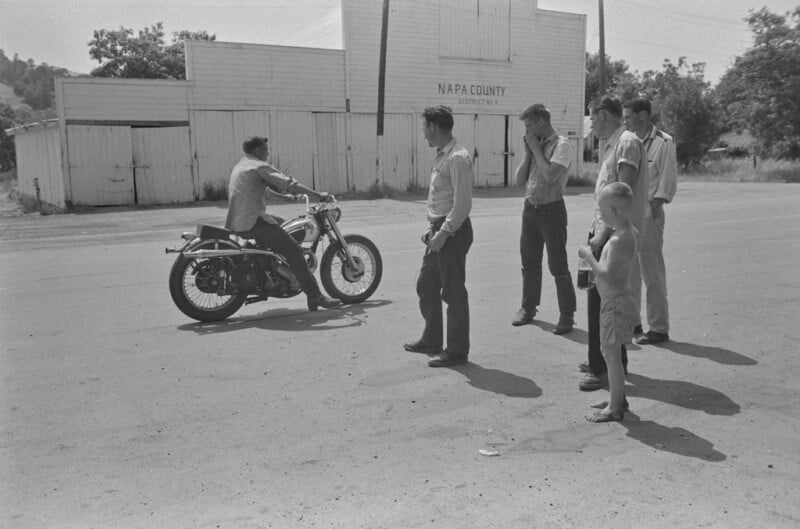
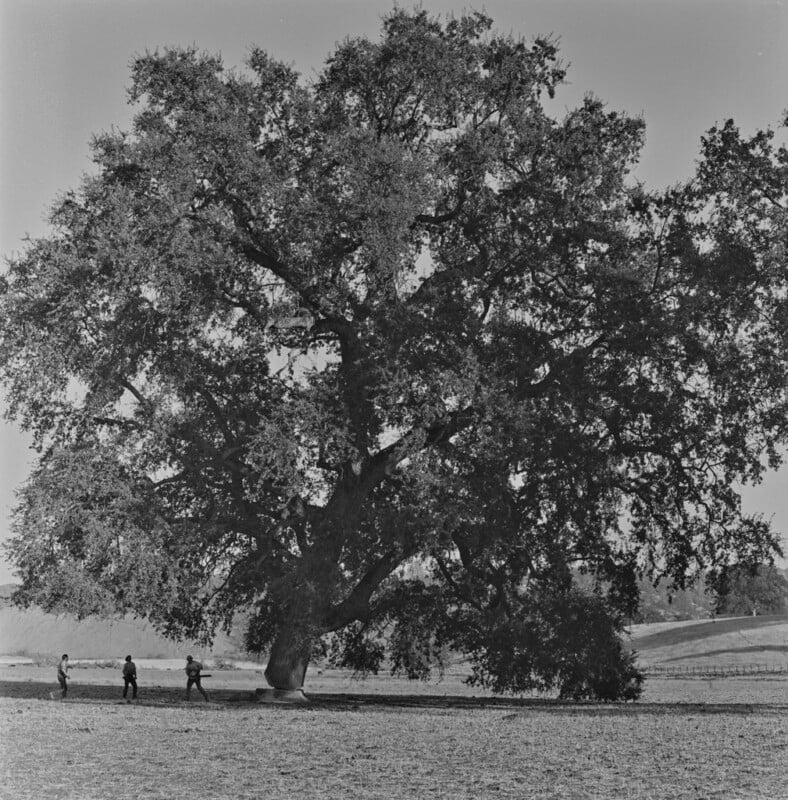
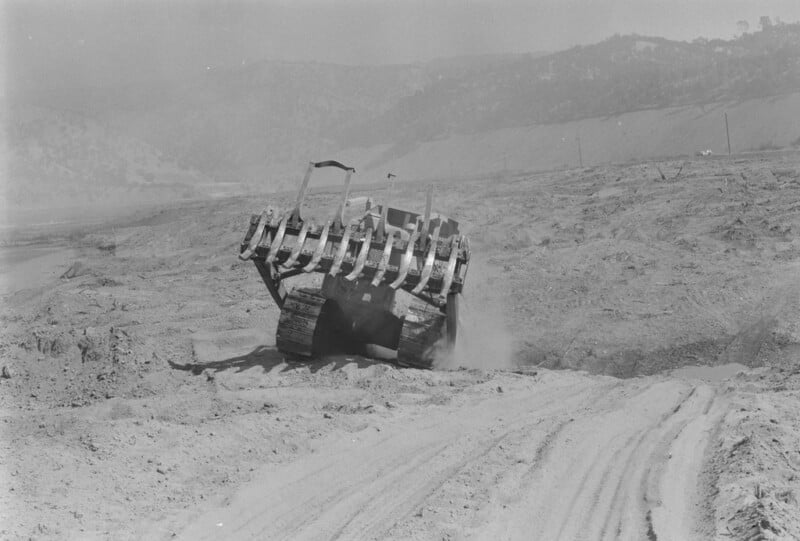
The resulting project, Death of a Valley, was picked up by Aperture and exhibited at the San Francisco Museum of Art and the Art Institute of Chicago. But now anyone can view them by heading to the UC Santa Cruz Library’s website.
“The photos themselves are extraordinarily evocative because they clearly convey this was a community and a strong one at that,” says Head of Special Collections Teresa Mora. “It’s such a California story: the idea of water rights, land management, this very mid-20th century concept of harnessing nature and doing better than nature with major infrastructure projects like dams—but at the cost of community.”
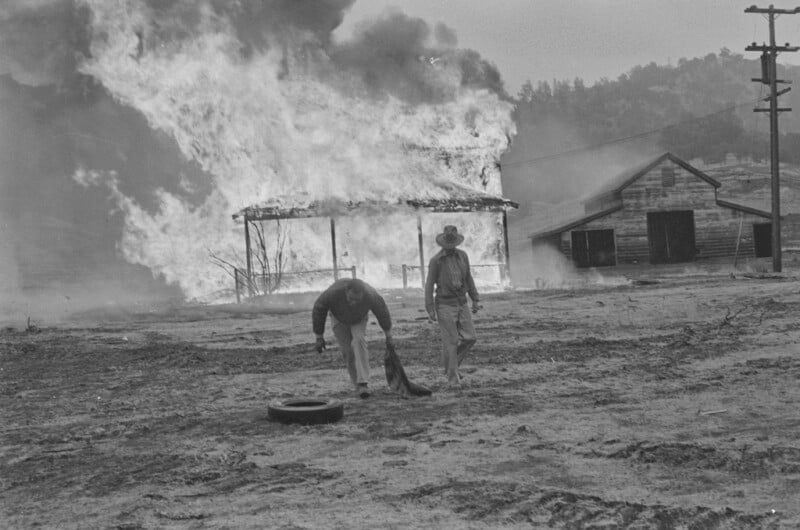
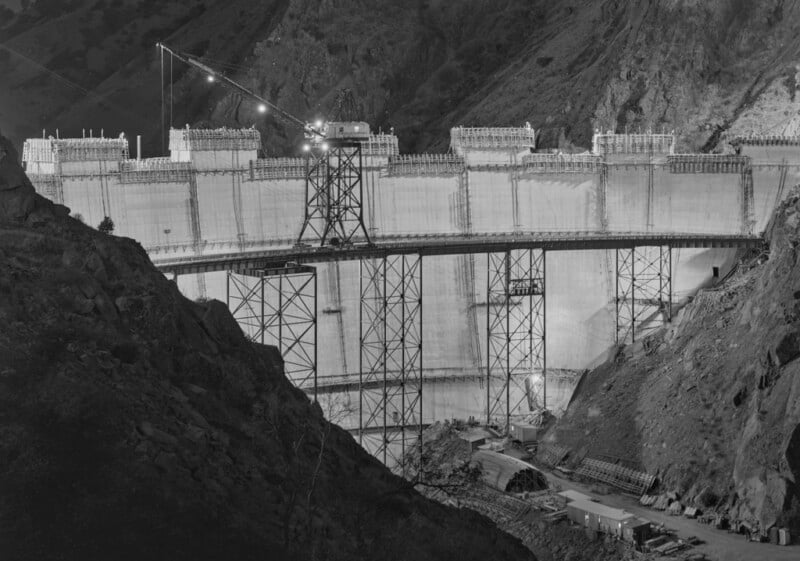
UC Santa Cruz reports that the photo project begins by showing the town how it looked before, with manicured gardens and small shops. But as time wore on, Lange and Jones captured oak trees being felled and buildings being burned down. Finally, the photographers captured the 270-foot-tall Monticello Dam that created Lake Berryessa.
There are also notes, blueprints, and letters from the project that are available for researchers and library visitors.
Affiliate Disclosure PetaPixel articles may include affiliate links; we may earn a commission if you buy through one.