This Video Game Turns Mushroom Hunting Into a Sci-Fi Photo Expedition
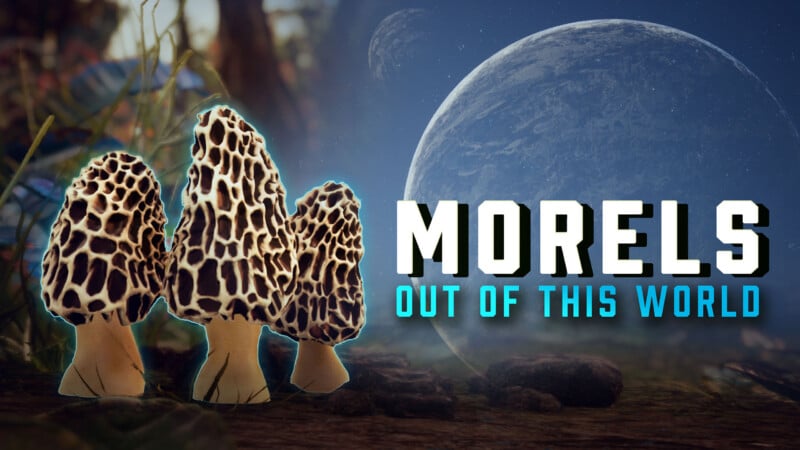
Abrams Studios has announced that its upcoming title, Morels: Out of This World, will release on May 28, 2026, for Windows PC via Steam. The game builds on the studio’s earlier nature-focused concepts but shifts the setting beyond Earth, placing players as explorers and photographers on a series of alien planets with unfamiliar ecosystems.
While exploration games are a well-established category, Morels: Out of This World takes a notably restrained approach. Rather than centering on combat or survival mechanics, the experience is structured around observation, collection, and documentation.
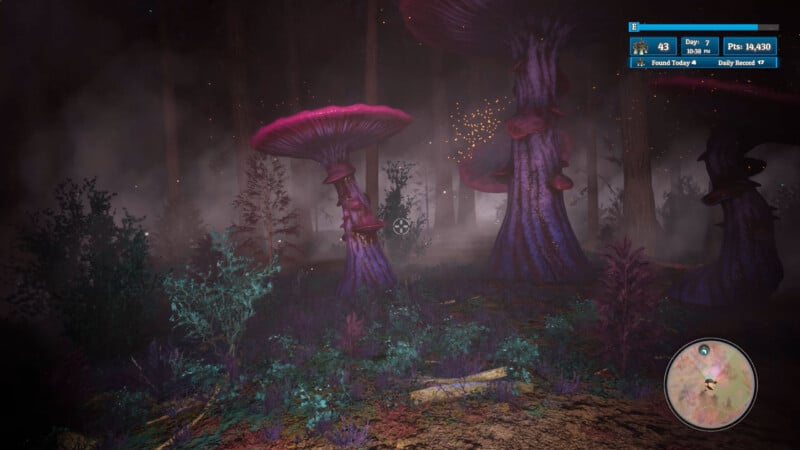
Exploration Without Combat
The game places players in handcrafted environments that range from bioluminescent jungles to desert-like alien terrain. Each location is designed to function as a self-contained ecosystem, with its own visual identity and wildlife behavior.
There is no combat system, and progression is not tied to conflict. Instead, players move through each environment at their own pace, focusing on exploration and interaction. The design leans toward a slower, more deliberate style of play that prioritizes discovery over urgency.
Collecting and Photographing Alien Life
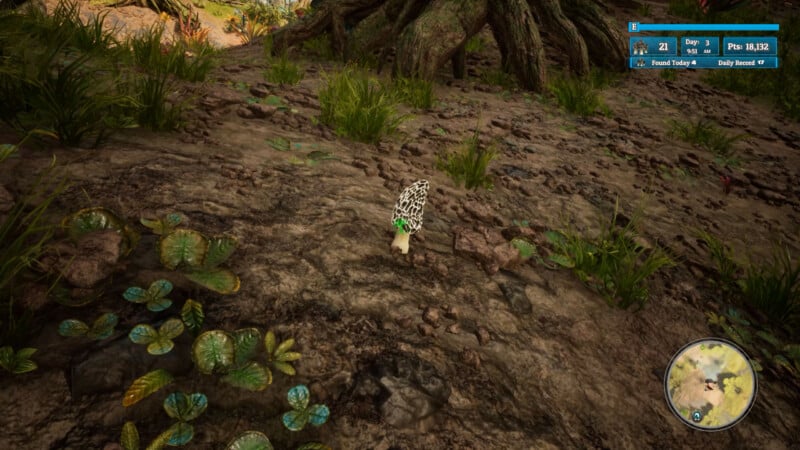
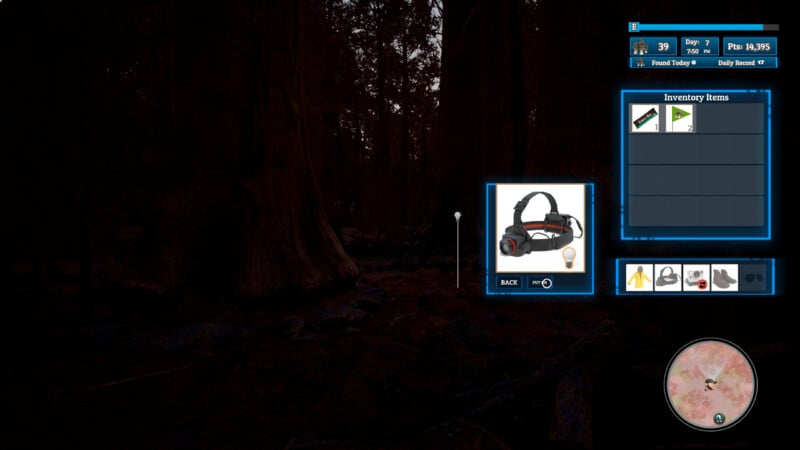
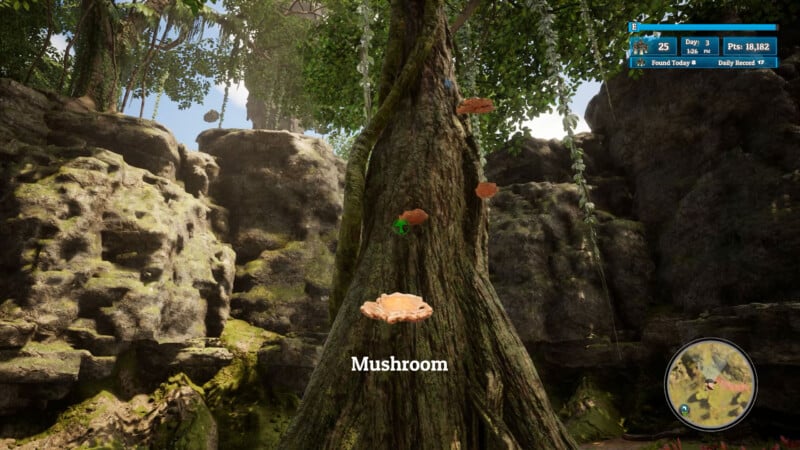
Gameplay centers on two primary activities: gathering rare mushrooms and photographing creatures. Players take on the role of a mushroom hunter while also documenting wildlife across each planet.
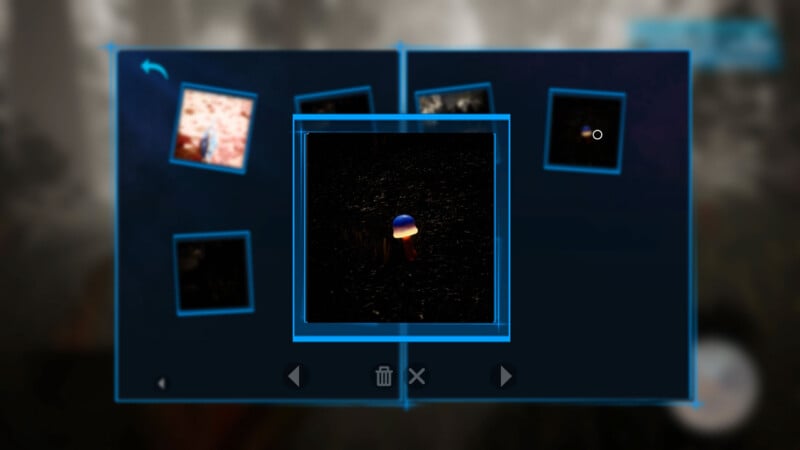
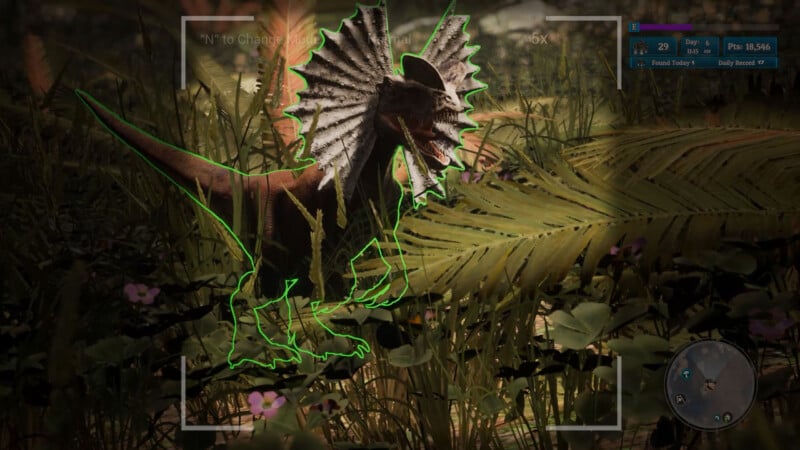
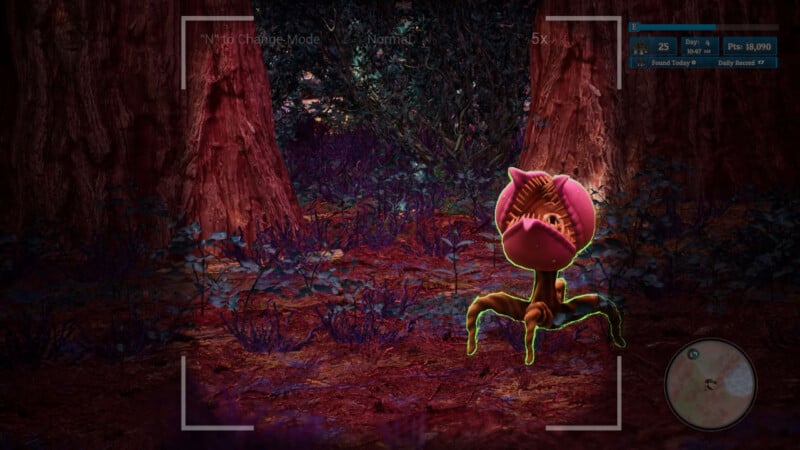
The photography system plays a central role, allowing players to capture images of both alien species and prehistoric animals. These images are stored in an in-game photo book that serves as a record of progress and exploration rather than a traditional scoring system.
This dual structure reinforces the game’s emphasis on observation. Rather than simply encountering content, players are encouraged to engage with it more directly.
Changing Conditions and Ongoing Tasks
Environmental variation is built into the game through seasonal changes and dynamic elements such as weather and animal activity. Mushroom locations and creature behavior can shift over time, creating differences between play sessions.
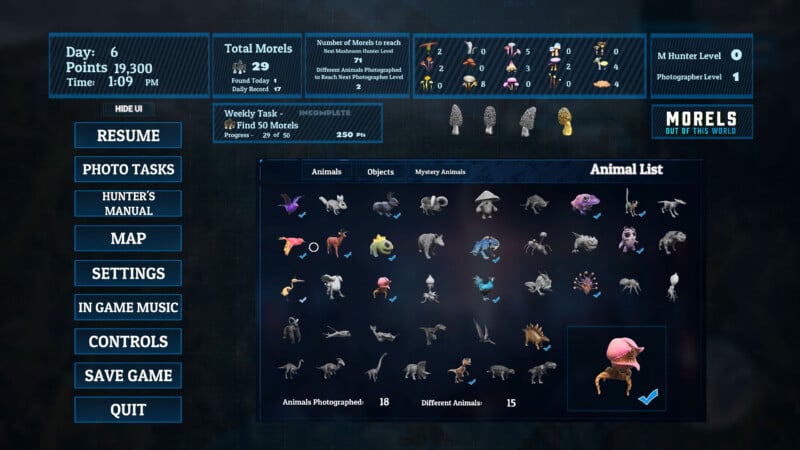
Weekly objectives add light structure, with tasks that may involve collecting specific items or photographing certain species. These systems provide direction without significantly altering the overall pacing.
Progression is tied to a Hunter’s Manual, which expands as players gain experience. New entries offer guidance and unlock additional content, framing advancement as a process of learning rather than completion.
Multiple Worlds and Play Styles
At launch, Morels: Out of This World will include four alien maps, each with distinct terrain and environmental conditions. The variety is intended to support different exploration styles while maintaining a consistent core loop.
An additional Exploration Mode allows players to take control of alien creatures, offering an alternative way to navigate the environments. This mode shifts the perspective from observer to participant while remaining aligned with the game’s non-combat approach.
Morels: Out of This World arrives at a time when many exploration-focused games continue to blend in elements of survival, crafting, or combat. By contrast, this title leans more toward passive systems, such as documentation and collection.
In a crowded genre, the game’s emphasis on slower pacing and photography-based interaction may appeal to players looking for a more observational experience rather than a goal-driven one.
Pricing and Availability
Morels: Out of This World is scheduled to release on May 28, 2026, for Windows PC via Steam. The game will be priced at $10, with a 15% launch discount available during its first week. Players can wishlist Morels: Out of This World now to receive updates ahead of release.
Image creditsAbrams Studios
Affiliate Disclosure PetaPixel articles may include affiliate links; we may earn a commission if you buy through one.