
The ProMaster iota Is an Ultralight Tripod You’ll Really Want to Use
When it comes to ultralight tripods, every ounce counts. ProMaster’s new iota series embraces this philosophy fully, prioritizing speed, simplicity, and minimal weight. In fact, the intentional lowercase “i” in the name serves as a subtle reminder of just how small and portable these tripods really are.
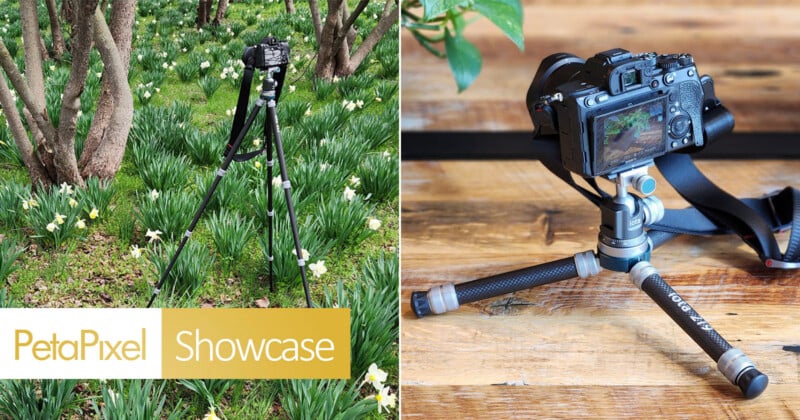
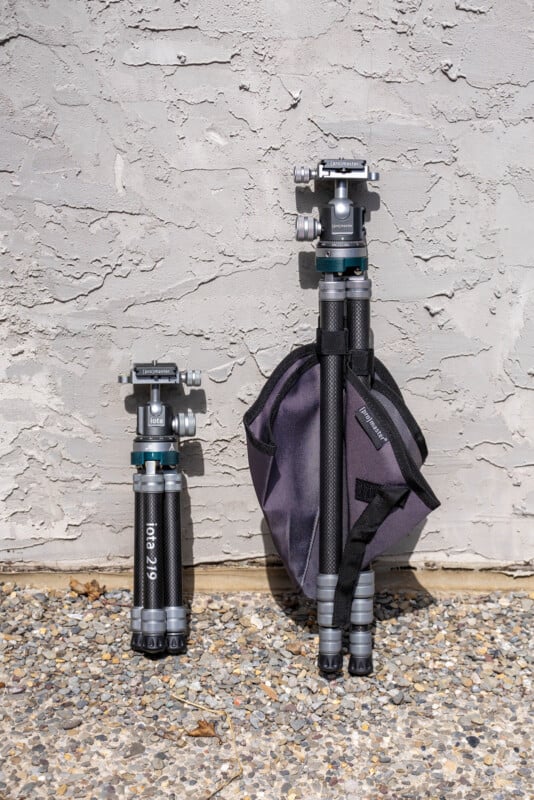
With the iota, ProMaster is not trying to replace a traditional, fully featured tripod, but instead offers a portable solution for photographers and creators who want to spend less time fumbling with gear and more time capturing images. The iota series includes two models: the iota 219 tabletop tripod and the full-size iota 422. Both are fast to deploy, easy to carry, and capable of supporting smaller, lighter camera setups.
After spending time with both models, it is clear to me that the iota line excels in situations where mobility matters. Whether hiking, traveling, shooting landscapes close to the ground, or setting up a quick tabletop or macro shot, these tripods strip away complexity in favor of speed, simplicity, and a remarkably lightweight design.
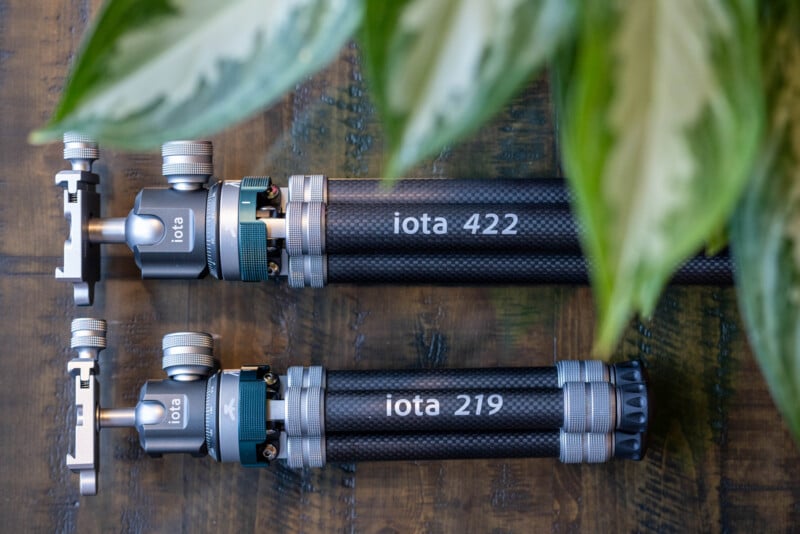
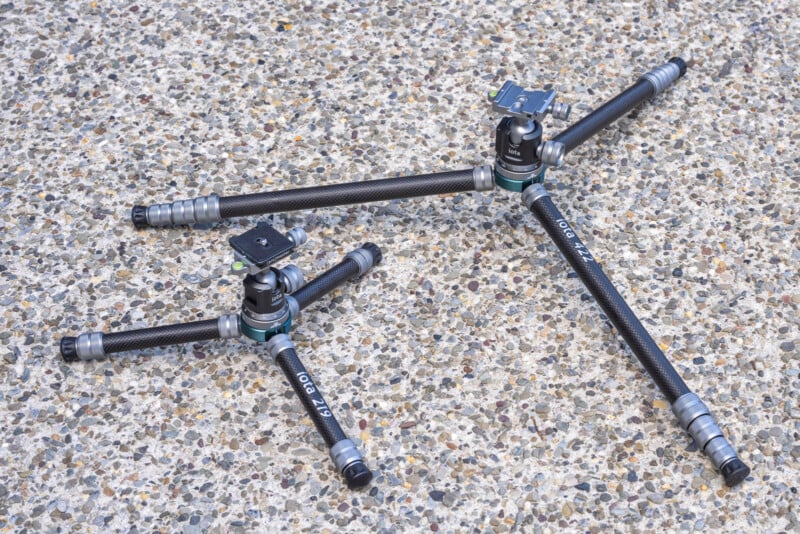
First Impressions: Remarkably Light, Surprisingly Capable
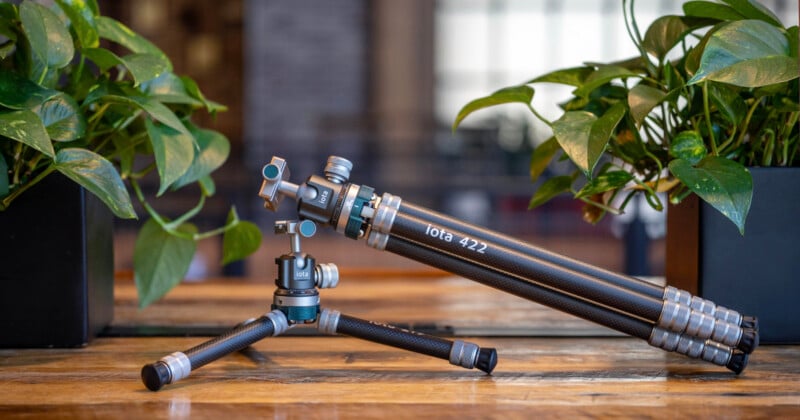
The first thing that immediately stood out to me, especially with the iota 422, was just how light it is. Weighing under two pounds (768 grams), it feels exceptionally easy to carry, making it a tripod you won’t hesitate to bring along on hikes or long shoots. Despite its minimal weight, the 12-layer cross-patterned carbon fiber construction gives the legs a reassuring rigidity that inspires confidence. The materials feel substantial in hand, and the tripod maintains stability under everyday use while remaining remarkably portable. It’s a combination of strength, precision, and lightweight design that sets the iota 422 apart from other ultralight tripods that often feature cheaper plastic components.
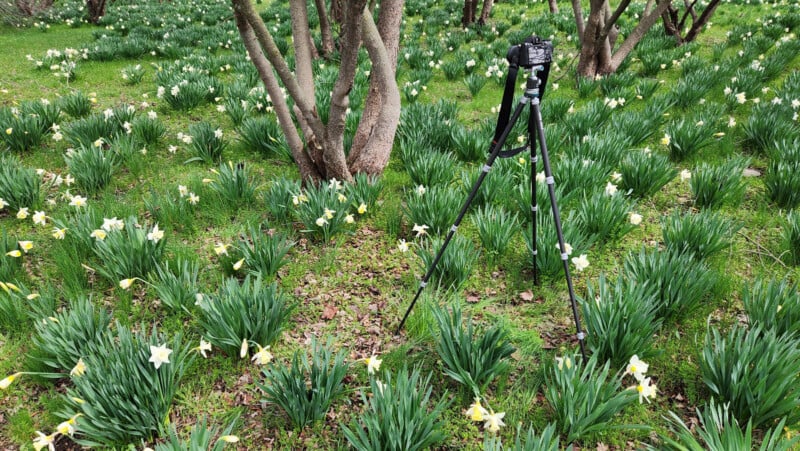
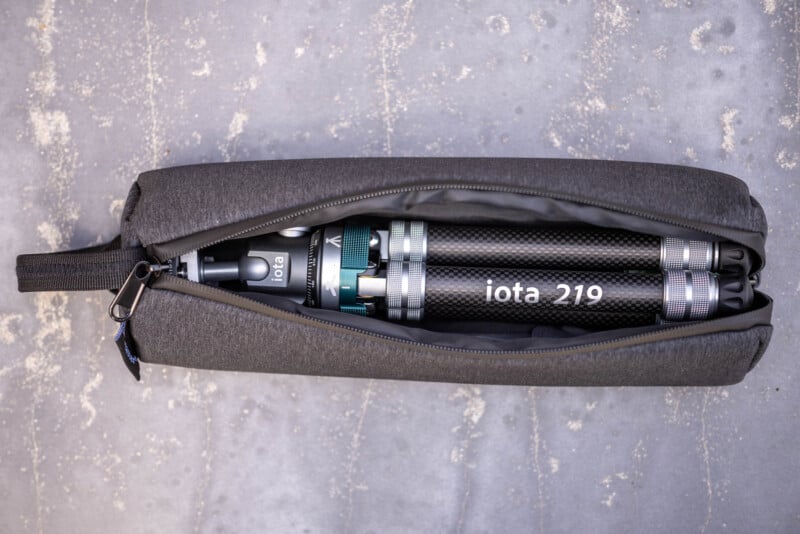
The smaller iota 219 takes the focus on portability even further. Weighing less than a pound (422 grams), it is incredibly easy to carry, making it a tripod you can toss into a shoulder bag or backpack and almost forget about until you need it. Its compact size and thoughtful design make it exceptionally well suited for tabletop setups, macro photography, or on-the-go video and streaming work. Despite its small footprint, the tripod feels sturdy and reliable, demonstrating that ProMaster has managed to combine ultralight portability with practical functionality in a way that will appeal to creators who need a nimble, versatile tool.
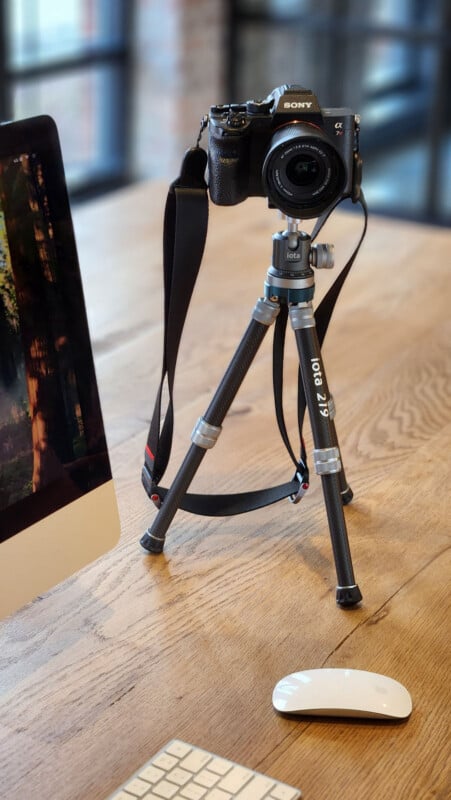
Another nice touch is that both tripods come with carrying cases, with the larger iota 422 including a full shoulder strap for easier transport.
A Design Philosophy Focused on Simplicity
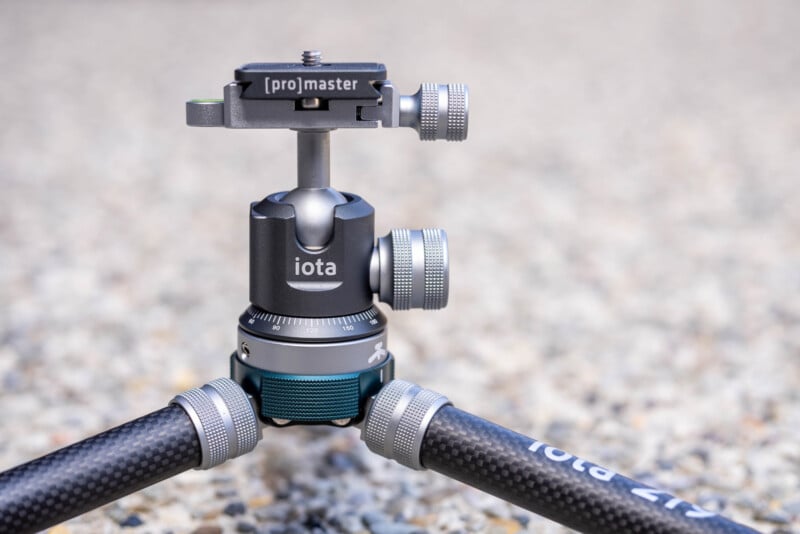
What defines the iota series more than anything is its simplicity. ProMaster has reduced the number of controls to an absolute minimum, and that decision shapes the entire user experience. Mounting the camera is handled with a single knob, while another knob controls all movement in the ball head. A single collar adjusts the angle of all three legs at once. There is no need to manage multiple locks or remember separate controls, and that makes deployment feel quick and intuitive.
This streamlined approach is especially noticeable when working in fast changing conditions. Whether adjusting composition during shifting light or setting up quickly on uneven ground, the reduced complexity removes friction in a meaningful way. At the same time, that simplicity does introduce a few tradeoffs that are worth understanding.

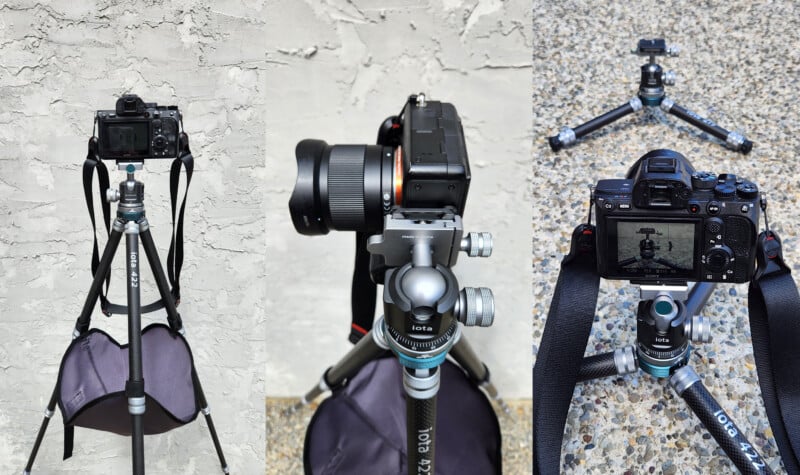
The Ball Head: Lightweight, but Demanding Attention
The single action ball head is one of the clearest examples of those tradeoffs. Instead of separate controls for panning and ball movement, everything is handled through one knob. In practice, that means any adjustment releases the entire head at once.
The single-knob ball head design requires a bit more deliberation when making fine compositional adjustments. Loosening the knob releases both tilt and rotation simultaneously, so the camera can shift more than intended as you adjust your shot, so it’s important to be careful. This can make tasks like stitching panoramas or making precise micro-adjustments more challenging compared with traditional heads that separate pan and tilt controls.
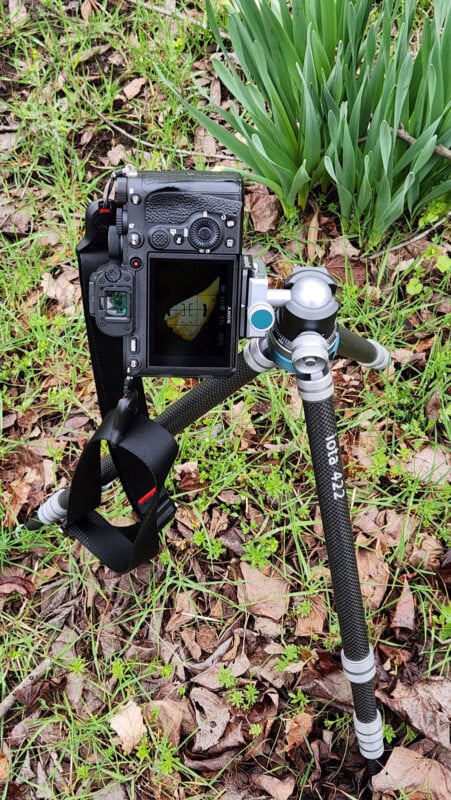
That said, the design is intentional. By combining tilt and rotation into a single control, ProMaster reduces components, saving weight and simplifying operation. Once you adapt to how it behaves, it becomes manageable, and in many shooting scenarios the tradeoff is worthwhile, especially considering the benefit of a significantly lighter, more portable tripod that you’re far more likely to actually bring along instead of leaving behind due to weight or hassle.
Stability and Load: Best for Lightweight Setups
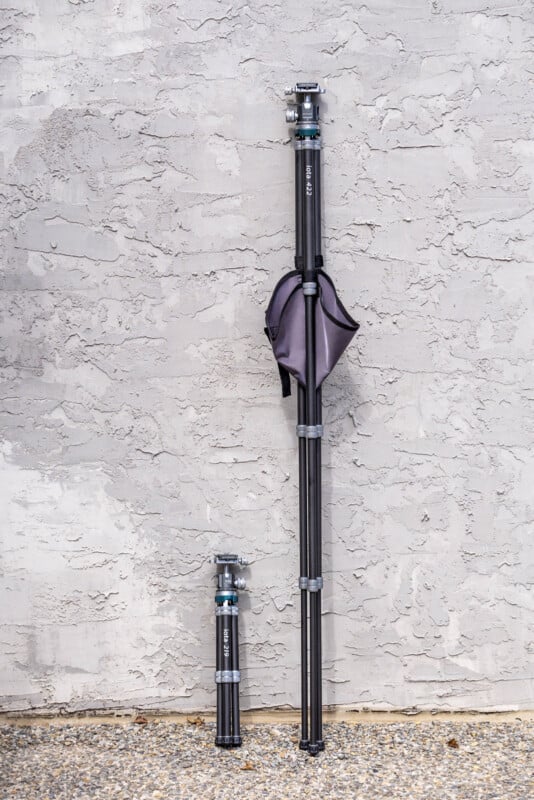
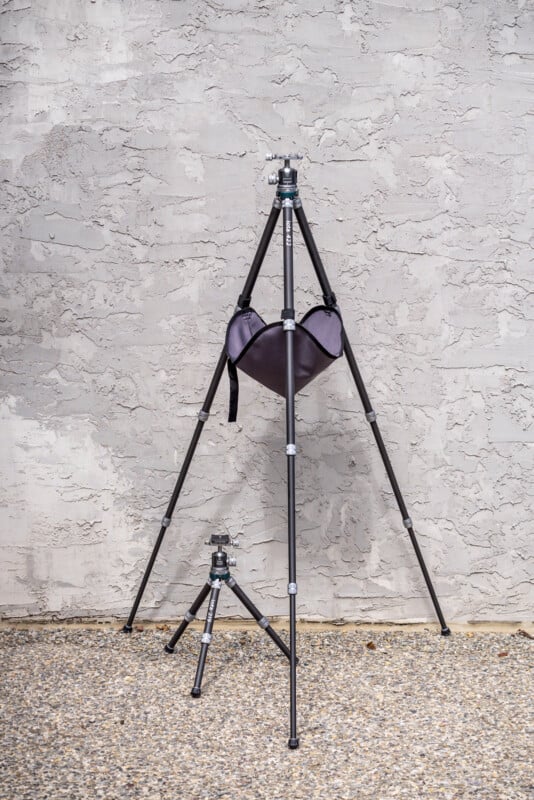
These tripods are not designed for heavy telephoto work, and they do not pretend to be. The iota 422 has a maximum working height of 48 inches (121.9 centimeters), a minimum height of 8 inches (20.3 centimeters), and a maximum load of 5.5 pounds (2.5 kilograms). With a lighter mirrorless setup, it performs well and feels stable enough for landscapes, travel photography, and general use. The included stone bag, which is detachable, makes a noticeable difference, mounting between the legs to allow added weight that helps anchor the tripod in wind or on uneven terrain. It is also doubles as a neat little spot to place extra accessories you’re working with, such as a lens filter pouch.
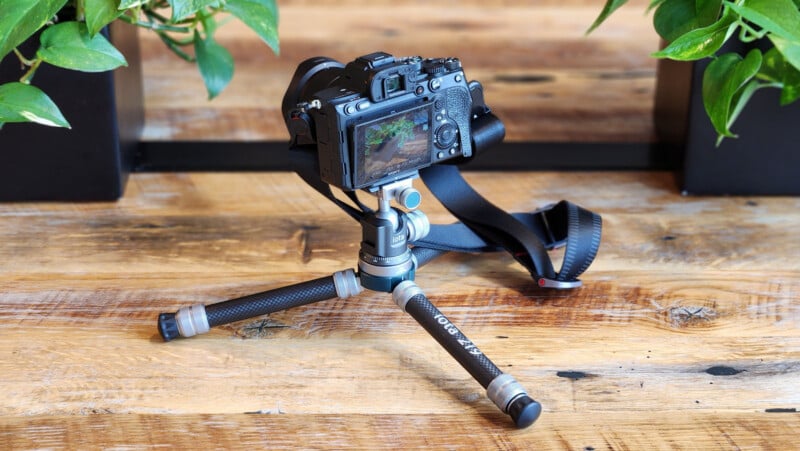
The tabletop iota 219 is much smaller and reaches its limits more quickly. It has a maximum working height of 14.5 inches (36.8 centimeters), a minimum height of 5.88 inches (14.9 centimeters), and a maximum load of 4.8 pounds (2.18 kilograms). When I paired a full-frame body with a relatively light prime lens and attempted vertical shooting, the setup became top-heavy enough to tip. With smaller cameras or compact systems, this is far less of a concern, but with heavier gear it is something to plan for. In those situations, adding weight or using an L bracket instead of tilting the camera can make a meaningful difference in stability.
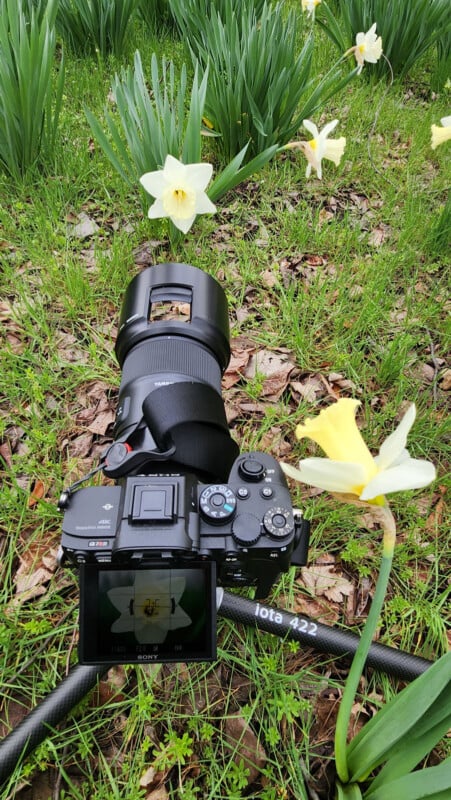
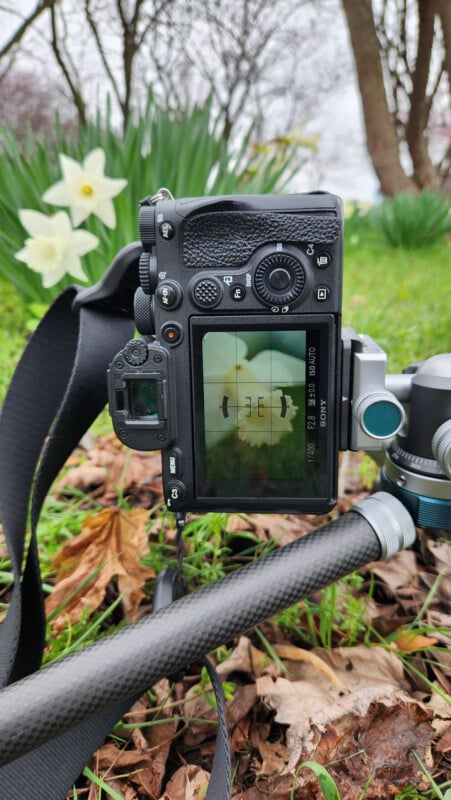
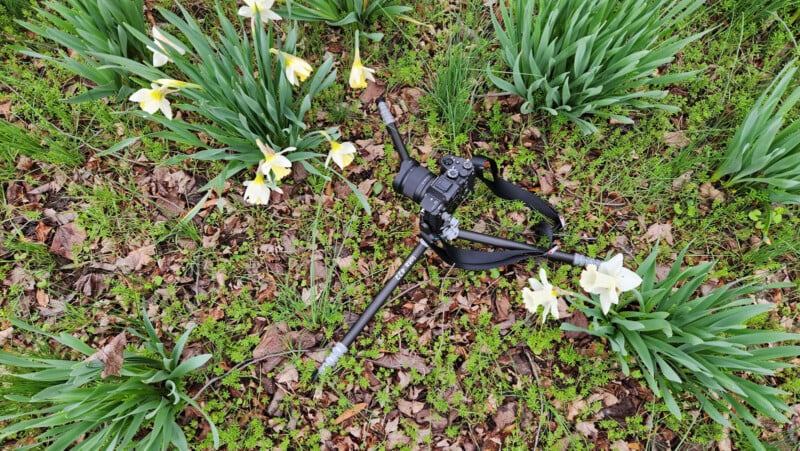
One of the standout features of the iota design is the absence of a center column. This not only reduces weight but also allows for greater creative flexibility. The leg angle system is especially well executed: a simple twist of the collar either locks the legs in a standard position or enables “ground mode,” allowing all three legs to splay fully for extremely low shooting angles. For my work, particularly when building layered landscape compositions, this is where the iota 422 really shines. The ability to get just inches from the ground quickly and easily encourages experimentation and makes it far simpler to refine compositions in the field.
Thoughtful Details and Build
Beyond the core design, there are several smaller details that enhance usability. The system uses an Arca compatible quick release, and the ball head includes a built in bubble level as well as a cold shoe mount for accessories. The 3/8″-16 threaded rubber feet can be unscrewed, which suggests the option to swap in spikes (not included) or other attachments depending on the shooting environment.
Both ProMaster iota tripods include an integrated cold shoe for mounting accessories like a light or microphone. It is a subtle addition, but one that makes sense for the creators this tripod is aimed at.
Even the visual design feels considered. The combination of gunmetal, nickel silver, black, and dark green gives the tripod a subdued, professional look that blends in with most gear without drawing attention.
Who It’s For and Should You Buy It?
Whether the ProMaster iota tripods make sense for you ultimately comes down to how you shoot and what you expect from your support system. The iota series works best when its strengths align with a need for portability, speed, and simplicity rather than maximum stability or precision.
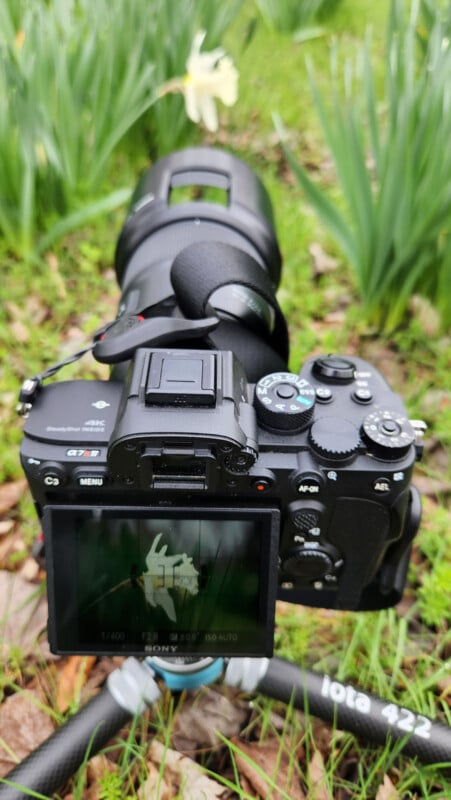

They are particularly well suited to travel photographers who want to keep their kit light, as well as content creators and vloggers who benefit from fast setup and minimal bulk. Landscape photographers using smaller setups will also find a lot to appreciate here, especially when working close to the ground where the iota design really excels. The iota 219, in particular, feels right at home in macro and tabletop scenarios where compact support is all that is needed.
If your priority is carrying the least amount of weight possible while still having a capable and thoughtfully designed tripod, both the ProMaster iota 422 Ultralightweight Tripod Kit and the ProMaster iota 219 Tabletop Tripod Kit make a compelling case. They shine in situations where mobility matters more than absolute rigidity, whether that is hiking, traveling, or building lightweight creator setups.
For my own use, the iota 422 stands out as the more versatile option. It is the one I would reach for when heading out on a hike or traveling light, especially when I know I will not be working with longer lenses. The ability to get extremely low to the ground quickly, combined with how little it adds to my bag, makes it easy to justify bringing along every time.

At the same time, these tripods are not trying to replace a more traditional, fully featured system. They are less suited to heavier telephoto work or situations where maximum precision and independent control over movement are critical. If your work depends on heavier gear or you rely on separate controls for panning and ball movement, the simplified design may feel limiting. The same choices that make the iota series so appealing for portability can become compromises in more demanding scenarios.
In the end, this is a tripod line built with a very clear purpose. If that purpose aligns with your shooting style, the iota series delivers a lightweight, fast, and genuinely enjoyable experience that encourages you to carry it more often and photograph more freely.