Photographer’s Journey Deep into Canadian Rainforest to Find Rare Spirit Bear
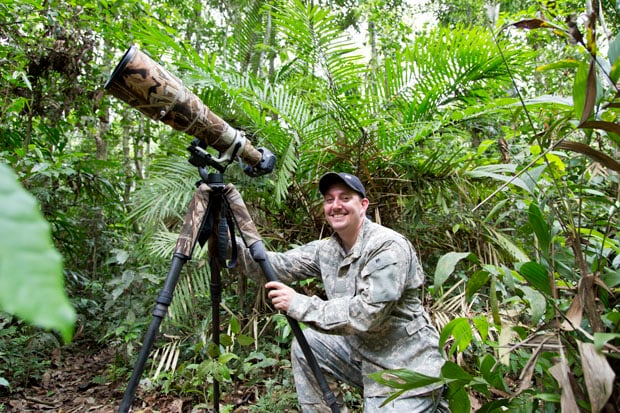
In 2011, as a teenager, photographer Jack Plant encountered a cover of National Geographic featuring the Great Bear Rainforest in British Columbia. Captivated by the image — and the story of a rare white bear living in one of the world’s last untouched wildernesses — it was a life-defining moment.
“The photograph on that cover is still one of my all-time favorites,” Plant says. “Paul Nicklen was the photographer, and I still thank him today for introducing me to this place. That moment sparked something in me. Over time, it became clear that this rainforest wasn’t just somewhere I wanted to visit, but somewhere I needed to return to, again and again.”
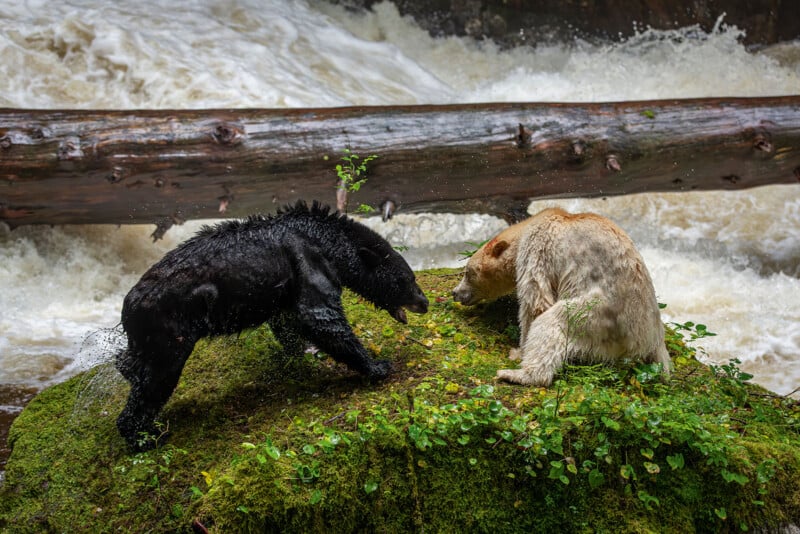
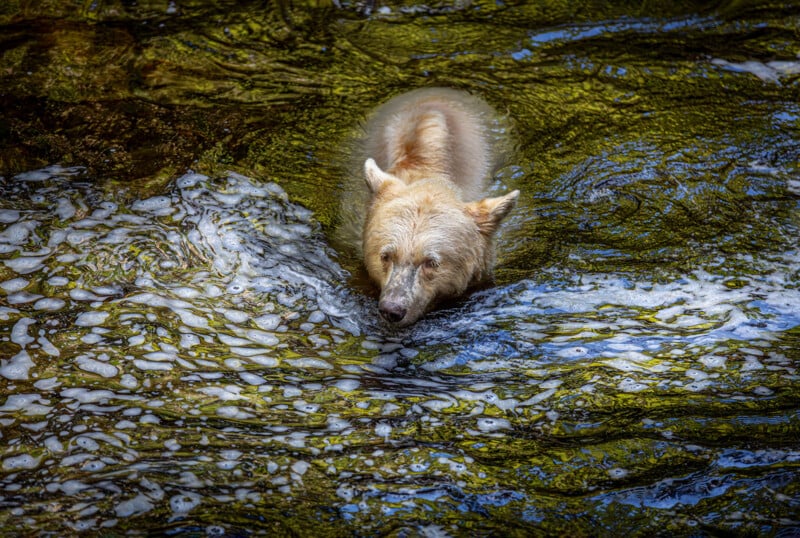
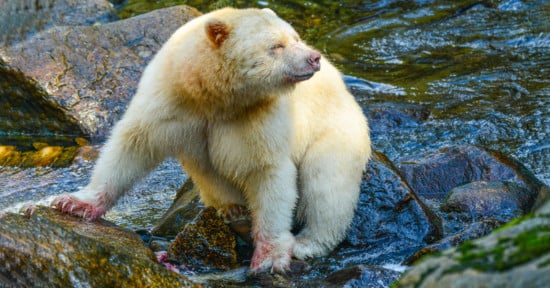
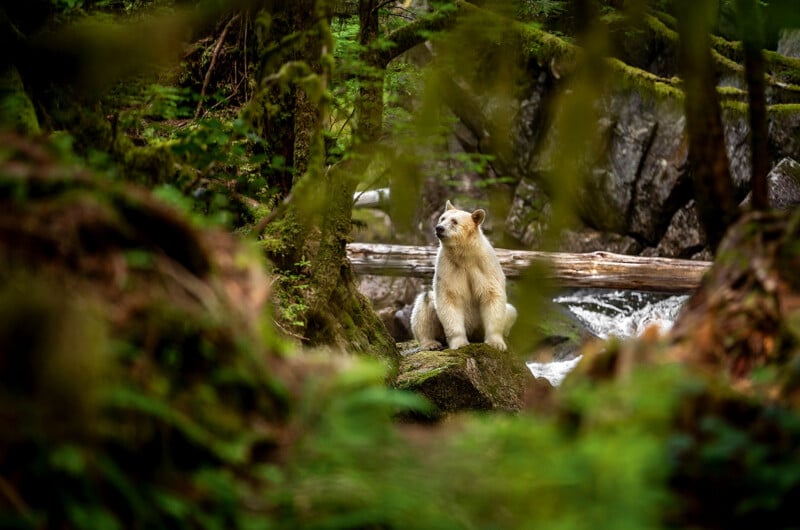
Over a decade later, that fascination has become Spirit of the Great Bear, an immersive journey into the rainforest and the fragile world of the spirit bear, the elusive white-furred Kermode bear. With as few as 100 remaining, it stands as a powerful symbol of both the richness and vulnerability of the natural world.
“They’re rarer than most people realize,” says Plant. “Personally, I don’t believe there are many more than 50, and even that estimate may be too high. Research is incredibly difficult — how do you study such an elusive animal in such a vast landscape of fjords, inlets, and hidden ecosystems?”
“Many of the spirit bear photos you see online are actually of just two or three well-known bears that frequent specific areas,” he continues. “Finding a new bear is extraordinarily challenging. I’ve spent countless days searching alongside the team at Spirit Bear Lodge, and more often than not, we come up empty-handed. But every so often, we strike gold, and those moments make all the effort worthwhile.”
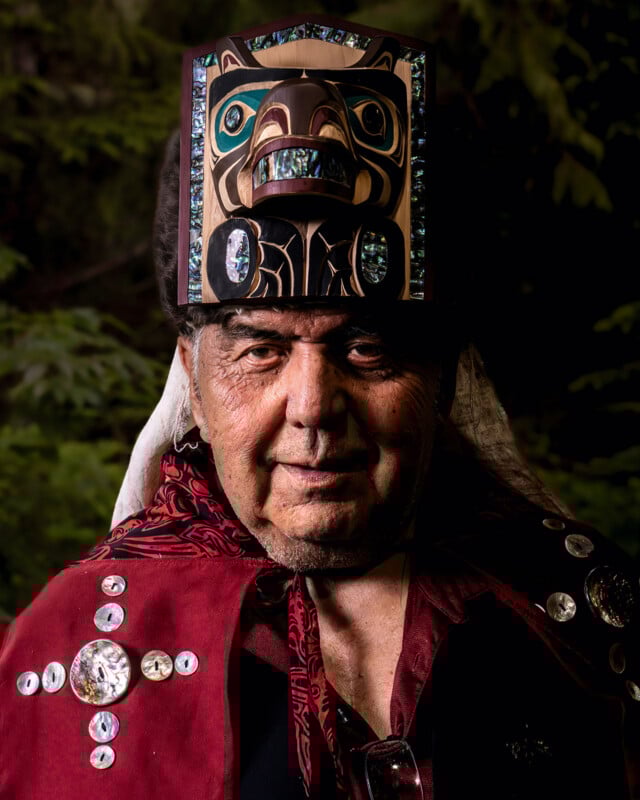
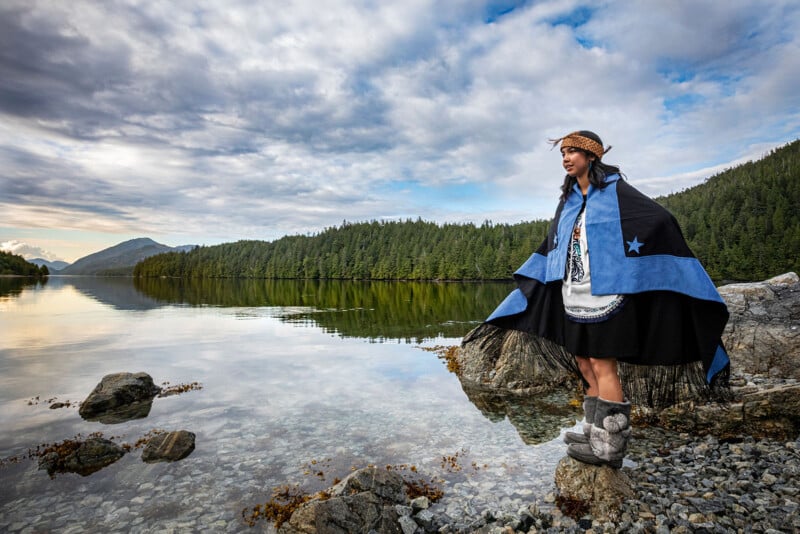
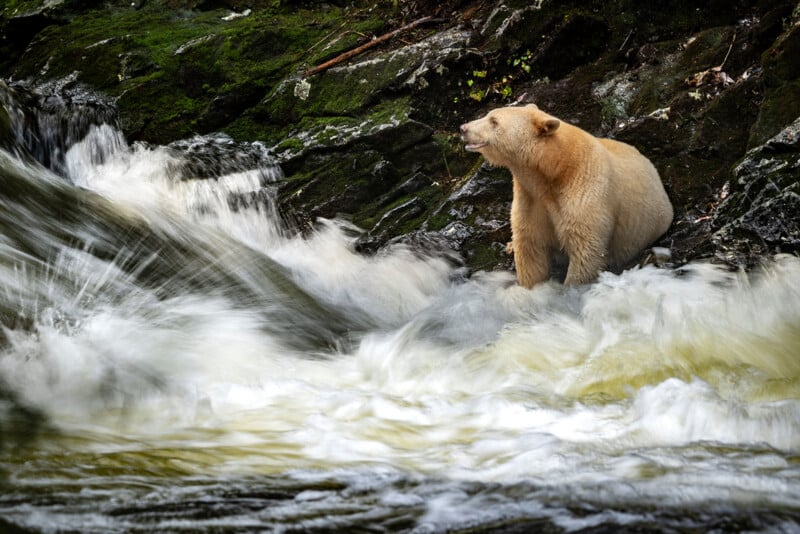
Plant enlisted the help of First Nations communities, who generously shared traditional knowledge with him. Plant was adopted by Hereditary Chief Charlie Mason of Kitasoo/Xai’xais First Nation in the community of Klemtu.
“You don’t just walk into this wilderness and spend time with bears,” Plant explains. “The people here know more about the land and its inhabitants than anyone. When you take the time to listen and learn from them, it changes everything, like how you see the animals, how you move through the landscape and how you behave. I’ve come away with extraordinary experiences, yes, but also with friendships, wisdom, and a sense of family that I never expected.”
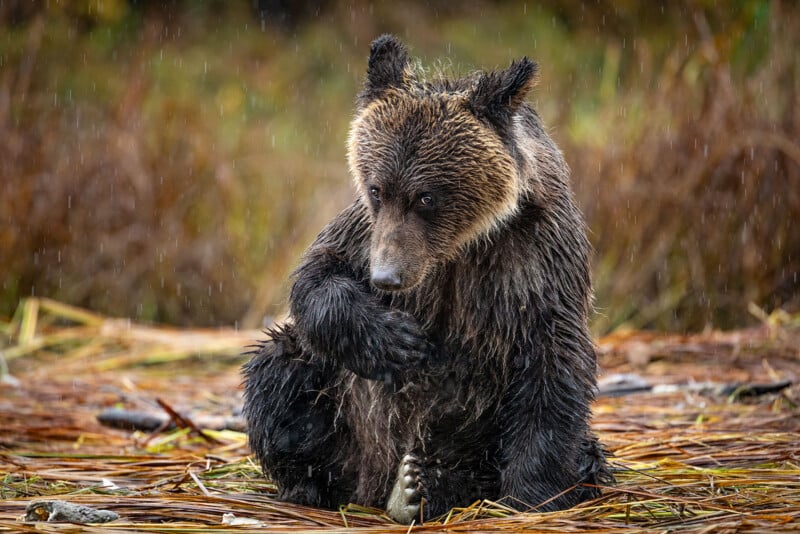
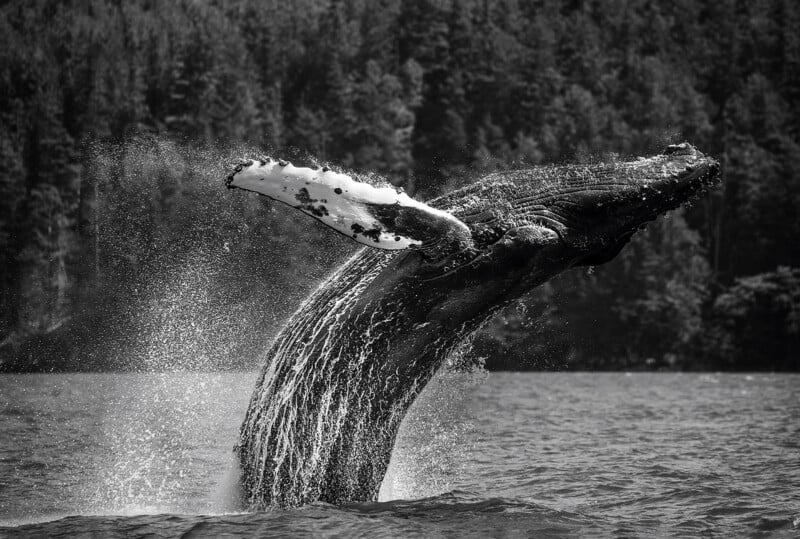
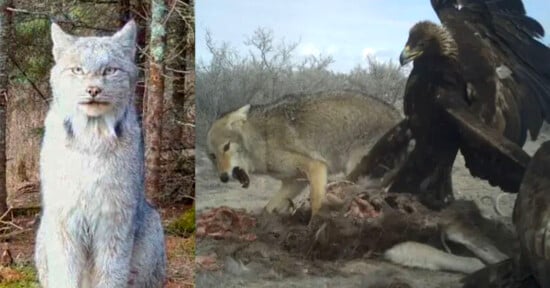
Spirit of the Great Bear features photographic accounts of Plant’s wild and memorable encounters with the white bears, as well as with other extraordinary species found in the Great Bear Rainforest, including grizzly bears, black bears, wolves, orcas, and humpback whales.
“If this book inspires even one person to pursue conservation or photography, I’ll consider that a win,” he says. “But my deeper hope is that it reaches the hearts of wild souls — those yearning for a new passion, a new place, or a journey into a world they’ve never experienced before. And ultimately, I hope readers come away understanding that this monumental habitat requires ongoing protection — not just now, but continuously, forever.”
Spirit of the Great Bear is published by Figure 1 available for pre-order now.
Image creditsPhotographs from Spirit of the Great Bear © 2026 Jack Plant. Reprinted with permission from Figure 1 Publishing.
Affiliate Disclosure PetaPixel articles may include affiliate links; we may earn a commission if you buy through one.