Halide is Suing Its Co-Founder Who Was Just Hired by Apple

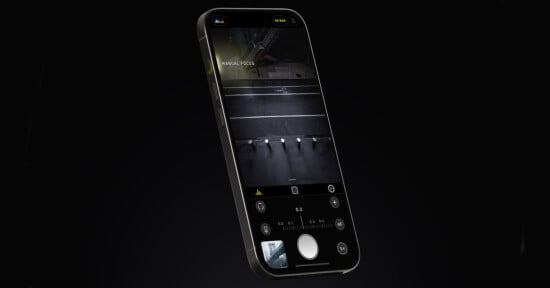
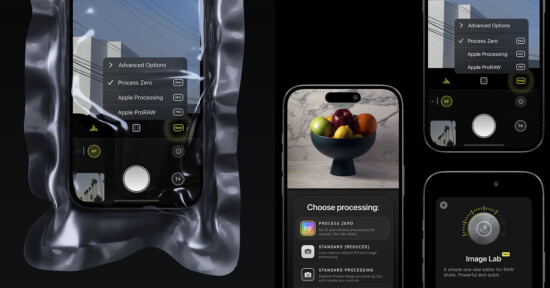
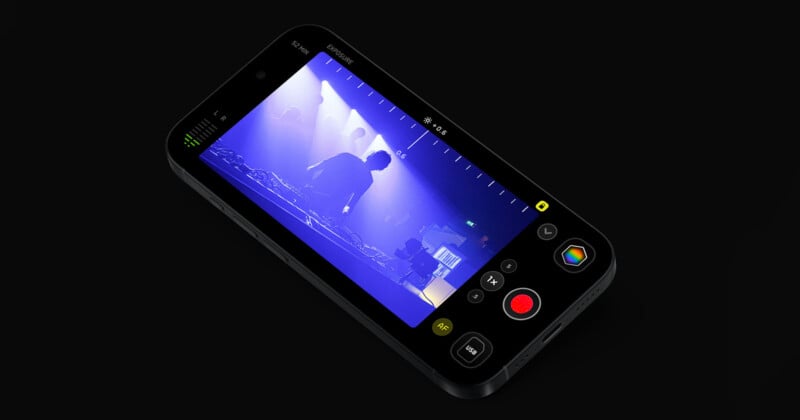
A new legal battle between the co-founders of Lux Optics, the company behind acclaimed iPhone camera apps Halide and Kino, sheds new light on not only Lux itself but also Apple’s interest in the company.
As The Information reports, Apple began talks with Lux Optics concerning an acquisition last year.
Apple regularly acquires software companies, including photo editing software company Pixelmator in 2024 and video editor plugin company MotionVFX just last week. The talks between Lux and Apple reportedly went on for a couple of months before fizzling out. However, when those talks stalled, Apple continued to engage with Lux co-founder and designer Sebastiaan de With, eventually hiring him earlier this year.
View on Threads
Corporate head-hunting is not unusual, but Lux co-founder and current CEO Ben Sandofsky only found out about Apple’s efforts to lure de With away from Lux while Sandofsky was actively investigating his co-founder for a different matter, per a new lawsuit Sandofsky filed against de With late last week in California. Sandofsky fired de With in December, shortly before de With announced he was joining Apple.
Per The Information‘s in-depth reporting, Sandofsky’s lawsuit makes a lengthy series of allegations against de With, including most notably that de With improperly used $150,000 of Lux’s money for personal expenses from 2022 until he was fired. The lawsuit also alleges that de With took Lux’s source code and other confidential material with him to Apple.
Sebastiaan de With’s attorneys refute these allegations, denying that de With “used, transferred, or disclosed any Lux intellectual property” to Apple. As The Information clearly states, Sandofsky’s lawsuit is solely focused on de With and alleges no wrongdoing by Apple.
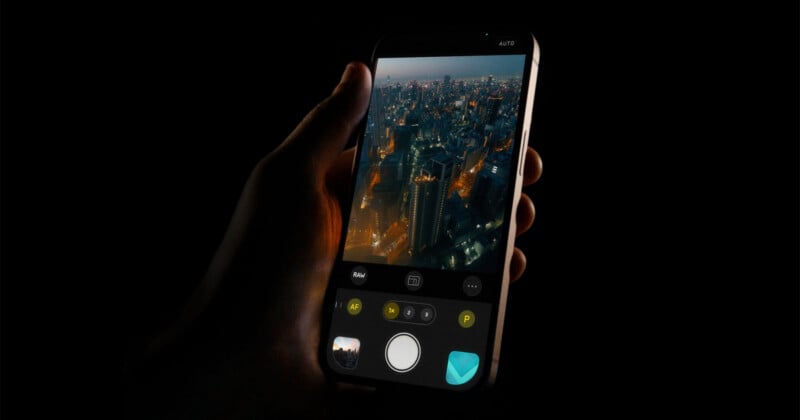
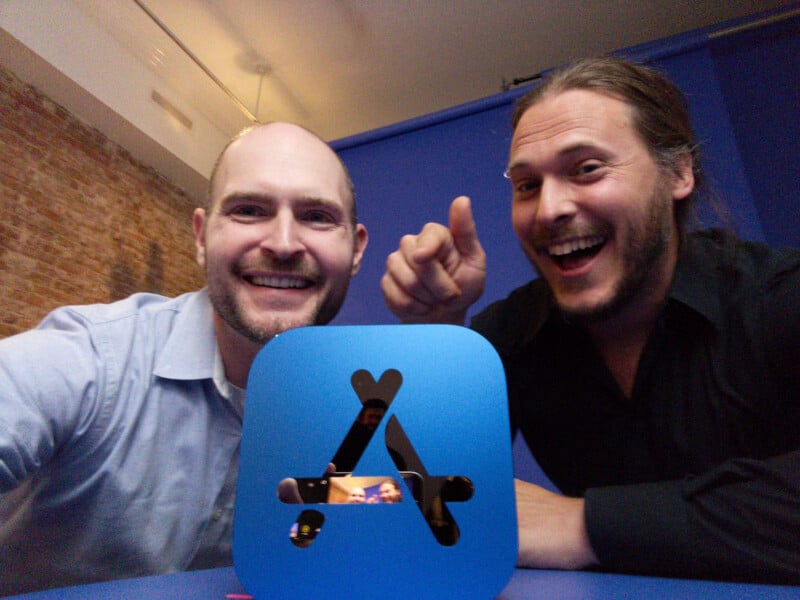
Apple’s interest in Lux is unsurprising. Halide has long been the most popular paid camera app on iPhone, and both Halide and Kino have won Apple App Store Awards. Apple is serious about photography on iPhone, and an app like Halide arguably takes better advantage of iPhone camera technology than Apple’s native Camera apps. It stands to reason Apple would be interested in acquiring technology, or the people behind it, that could help elevate the iPhone’s camera app and experience.
Sandofsky’s lawsuit claims that he and de With agreed to end the talks with Apple in September, deciding that they could potentially field a better offer from Apple after releasing even better apps on iPhone and iPad.
However, per Sandofsky’s accounting of events in the lawsuit, the following month, he learned concerning details about de With’s behavior, specifically how de With used company funds and Lux’s credit card. Sandofsky confronted de With and then, unsatisfied with the explanations, hired an investigator and put de With on leave in November. By the end of December, Sandofsky had fired de With.
After de With was fired, Lux demanded that he return all of Lux’s property, including his work computers and all sensitive data related to Lux’s apps. The lawsuit claims that by the time de With interviewed with and joined Apple in January, he had still not returned confidential materials.
“The allegations are a retroactive recharacterization of ordinary, disclosed business activity in a small company that was jointly managed without formal controls. The expenses at issue were recorded, visible, and never questioned at the time. Only after Mr. de With began pressing for financial transparency were they recast as improper,” de With’s lawyer said in a statement.
Apple is not named or targeted in Sandofsky’s lawsuit.
Image creditsHeader photo created using an asset licensed via Depositphotos.com.
Affiliate Disclosure PetaPixel articles may include affiliate links; we may earn a commission if you buy through one.