The OM System OM-3 Astro Makes Nebulae Look Incredible
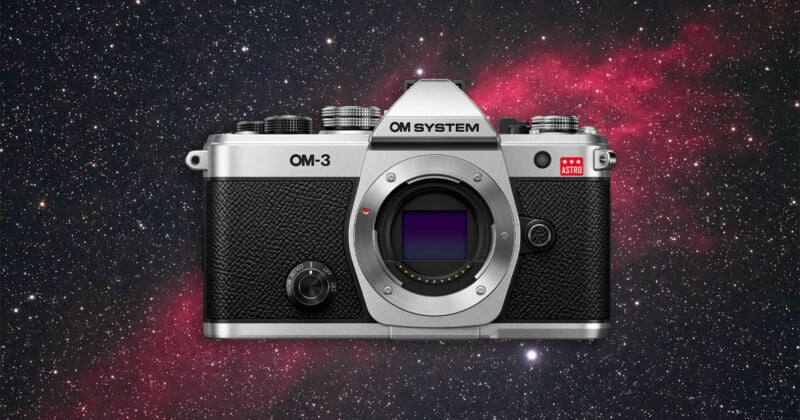
OM System has announced the OM-3 Astro, a new dedicated version of the standard OM-3 designed for astrophotography. The OM-3 Astro has special features to help bring out the beautiful red colors in nebulae and improve overall astro performance.
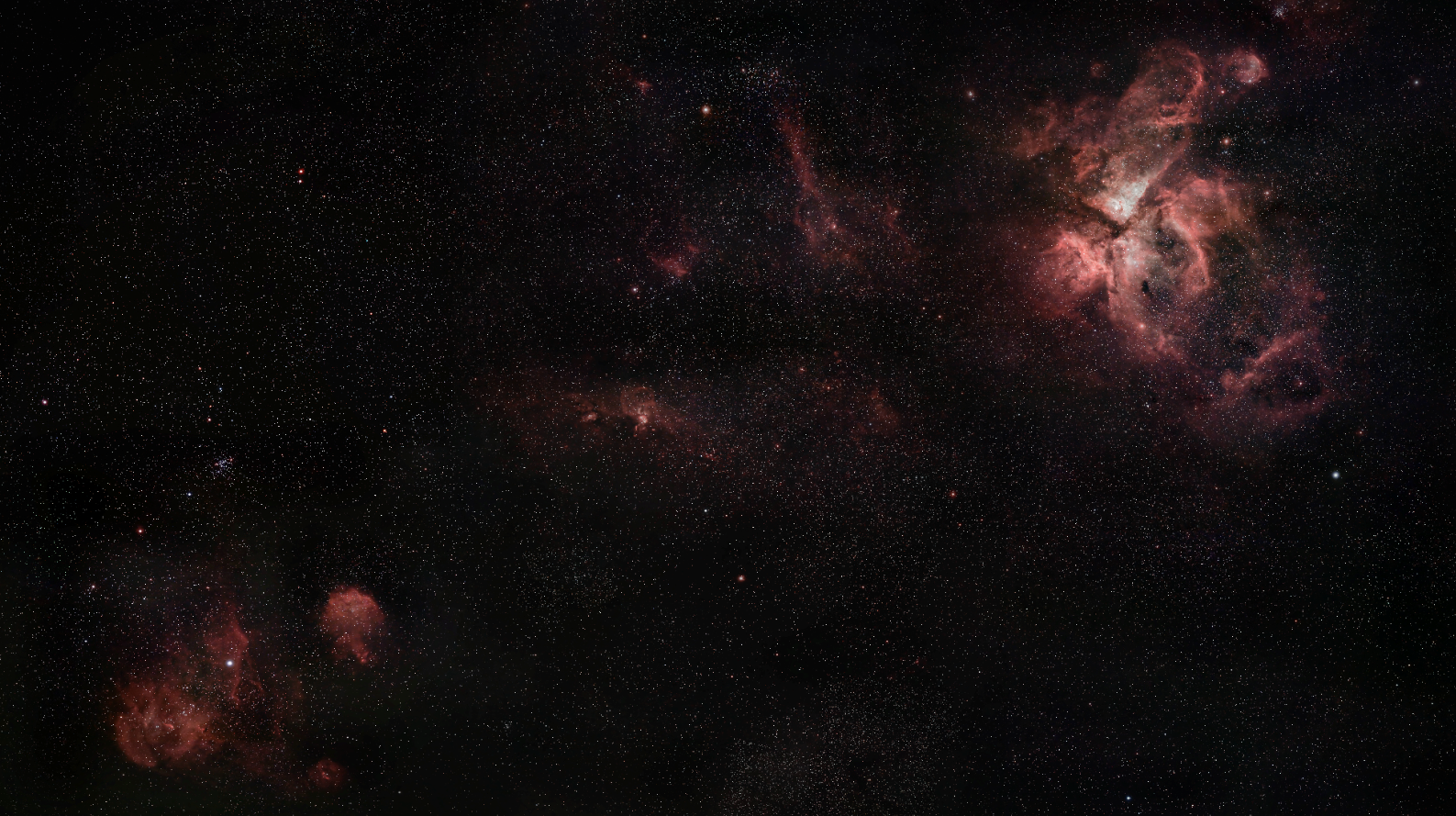
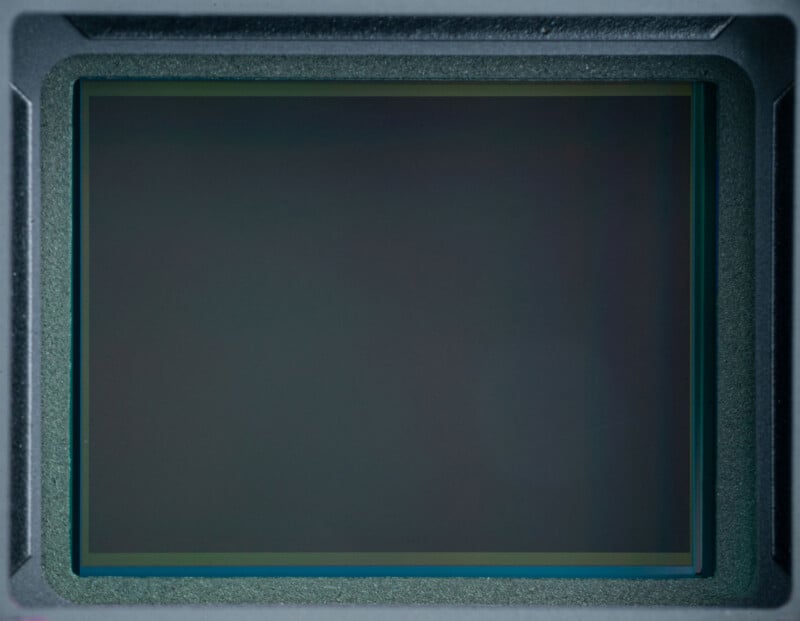
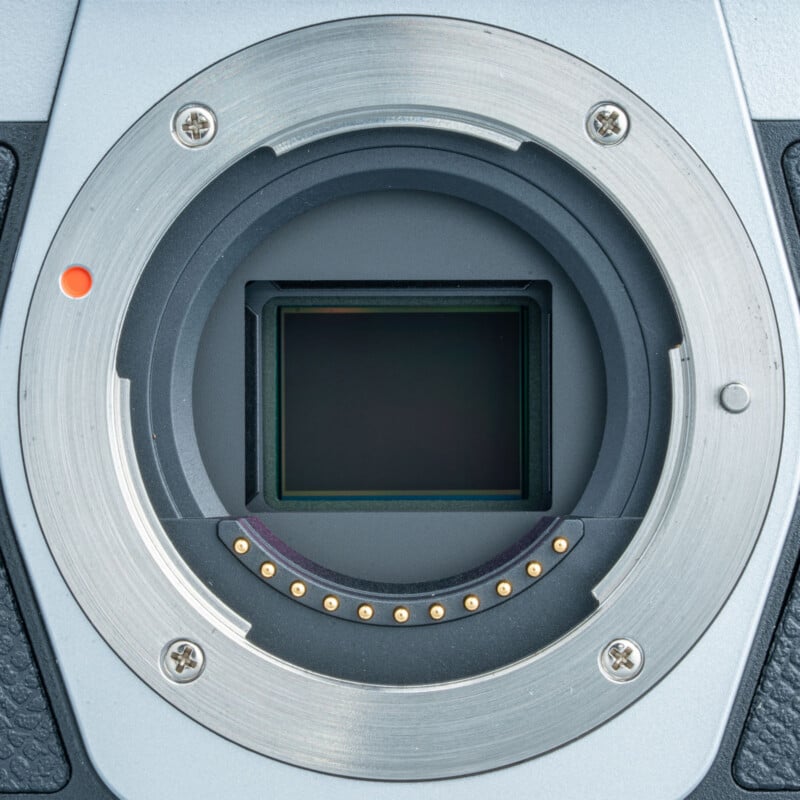
The infrared cut filter in front of the OM-3 Astro’s 20.4-megapixel stacked BSI Micro Four Thirds image sensor has been tweaked to enhance the vivid capture of red nebulae, a popular target of enthusiast astrophotographers. The IR-cut sensor in a standard camera effectively prevents the capture of red and pink colors in nebulae emissions.
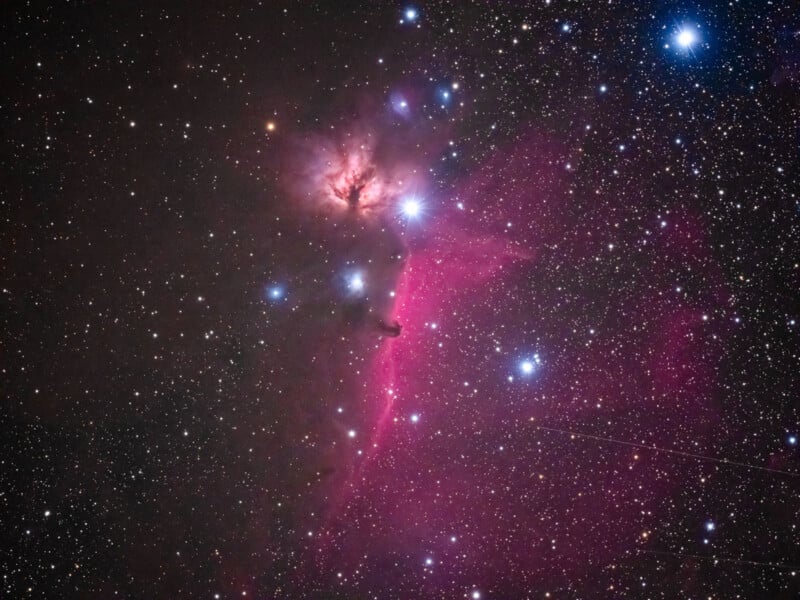
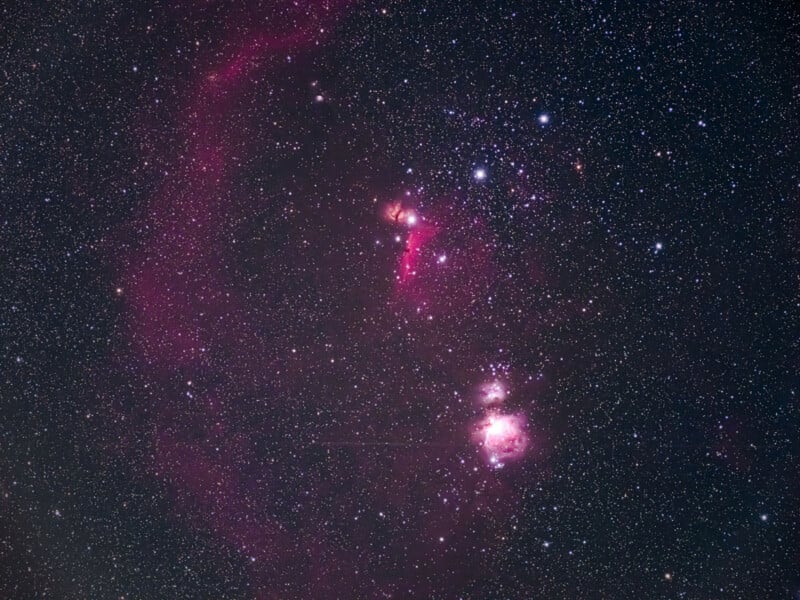

The modified IR-cut filter in the OM-3 Astro enables 100% transmission of Hα wavelengths, which, as OM System says, “allows the camera to vividly capture the beautiful shapes and colors of nebulae emitting Hα light, which are difficult to photograph with standard digital cameras.”
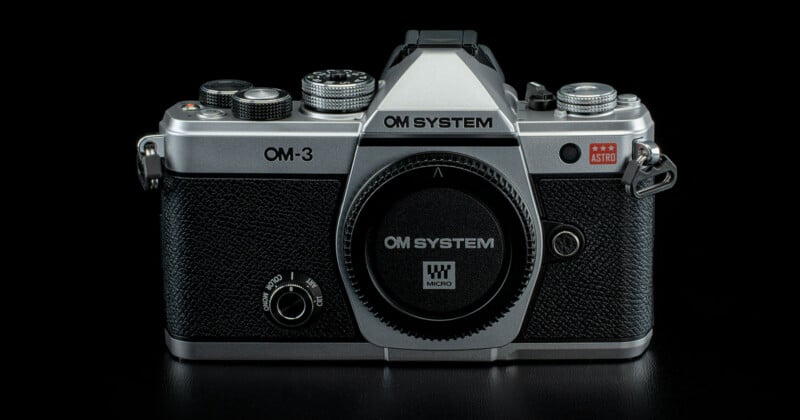
However, the modifications go beyond the different IR-cut filter. There is also a new color profile, COLOR1, optimized for astrophotography, including imaging red nebulae. There is also a COLOR2 profile optimized for starry landscape photography.
The OM-3 Astro is a very strong candidate for a specialized astrophotography camera for other reasons as well. The camera features Starry Sky AF, which lets users lock onto stars with autofocus, rather than tediously fine-tune focus manually. The camera also features a Live Composite mode that enables light painting in-camera without blown highlights. The OM-3 also features a Night Vision mode that adds a red overlay to the user interface, preserving night vision.
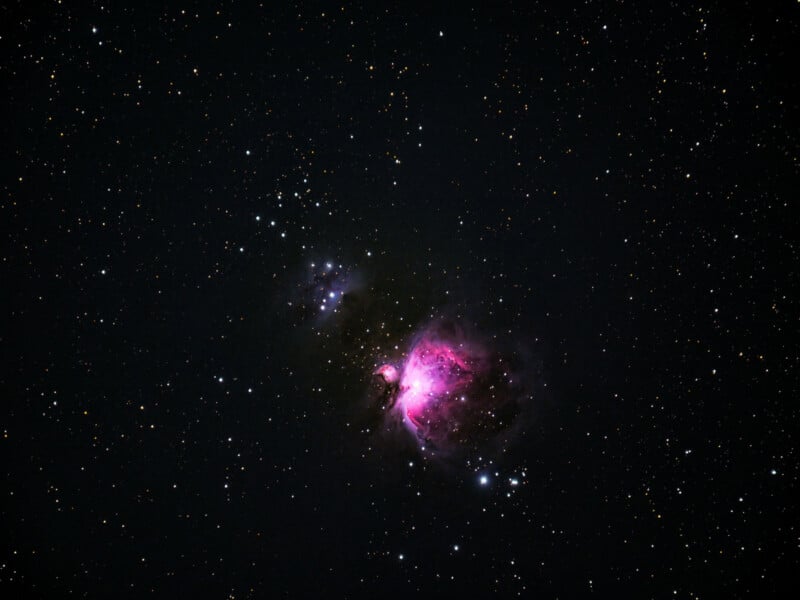
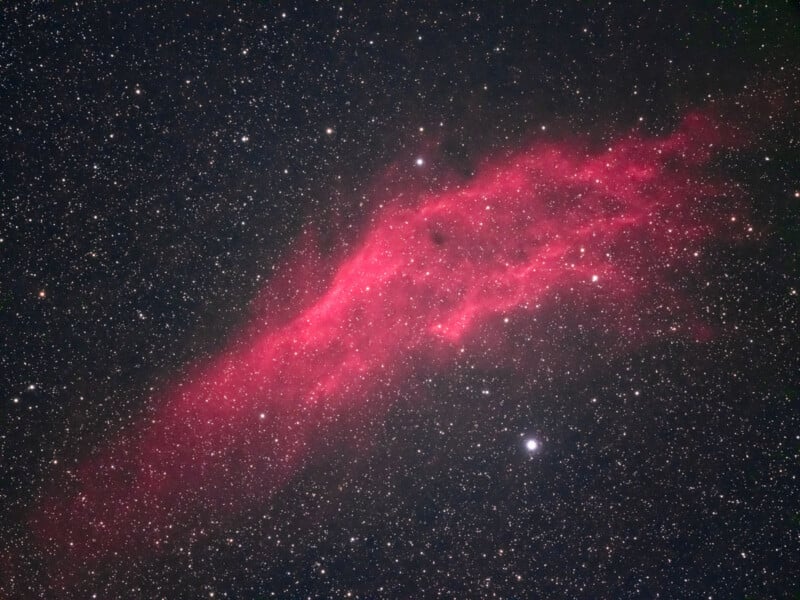
And, of course, the camera features High-Res Composite shooting modes, including a Handheld High Res mode that combines 12 images into a single 50-megapixel file in-camera. However, this mode doesn’t have to be used handheld. As OM System notes, “By utilizing Handheld High Res Shot — normally used for handheld shooting — with the camera mounted on a tripod or an equatorial mount, you can use a single shot with the body to achieve the Stacking Processing frequently used in astronomical photography . In addition to this method’s high detail, shooting this way reduces image noise.” The stacking process corrects for the diurnal motion of the stars in the night sky.
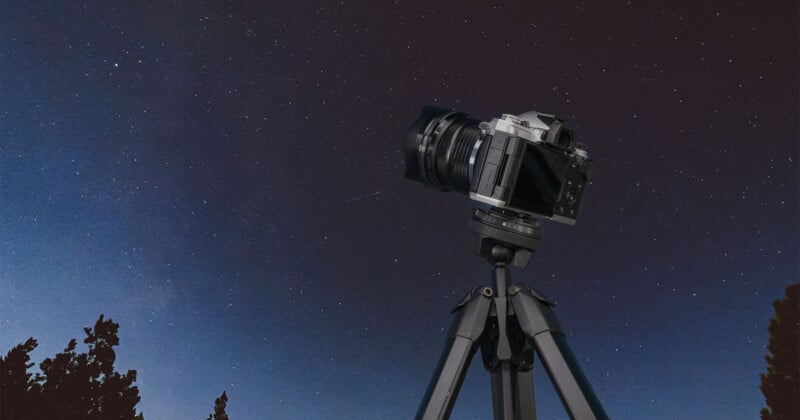
There are camera settings optimized for starry sky photography preset to the camera’s C1, C2, and C3 modes on the mode dial. C1 is set for stacking for astrophotography, C2 is for stacking a starry landscape, and C3 is for handheld shooting of a starry landscape.



Special New Filters for Astrophotography
Alongside the OM-3 Astro camera, OM System is releasing new filters for astrophotographers. These two new filters mount between the camera body and the attached lens, allowing them to be used with any lens, including ultra-wide and fisheye lenses that are challenging to use with front filters.
The OM System BMF-LPC01 Body Mount Light Pollution Suppression Filter aims to reduce the impact of light pollution on astro images. As OM System notes, since the area near the horizon is most affected by light pollution, this filter is especially useful for photographing stars and other celestial bodies rising in the east or setting in the west.
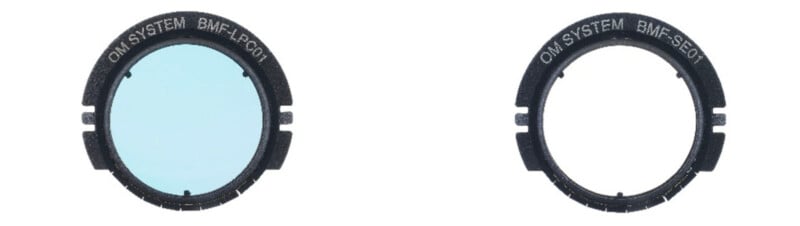
The BMF-SE01 Body Mount Soft Filter is designed to slightly blur and highlight point light sources, making stars appear more impressive than they otherwise would. The brighter the stars, the blurrier they look, emphasizing their size and color.
The new Body Mount filters work with the OM-3 Astro, of course, as well as the standard OM-3, the OM-1, OM-1 II, and the Olympus E-M1 Mark III.


Pricing and Availability
The OM System OM-3 Astro will be available in March for $2,499.99 in the United States and $2,999.99 in Canada.
The pair of new filters will also be released next month. The BMF-LPC01 is $339.99 ($399.99 CAD), and the BMF-SE01 is $229.99 ($279.99 CAD).
Image credits: OM System