Viltrox Releases Firmware Updates to Ensure Sony a7 V Compatibility
Viltrox has released promised firmware updates for lenses to improve performance and ensure compatibility with the brand-new Sony a7 V.
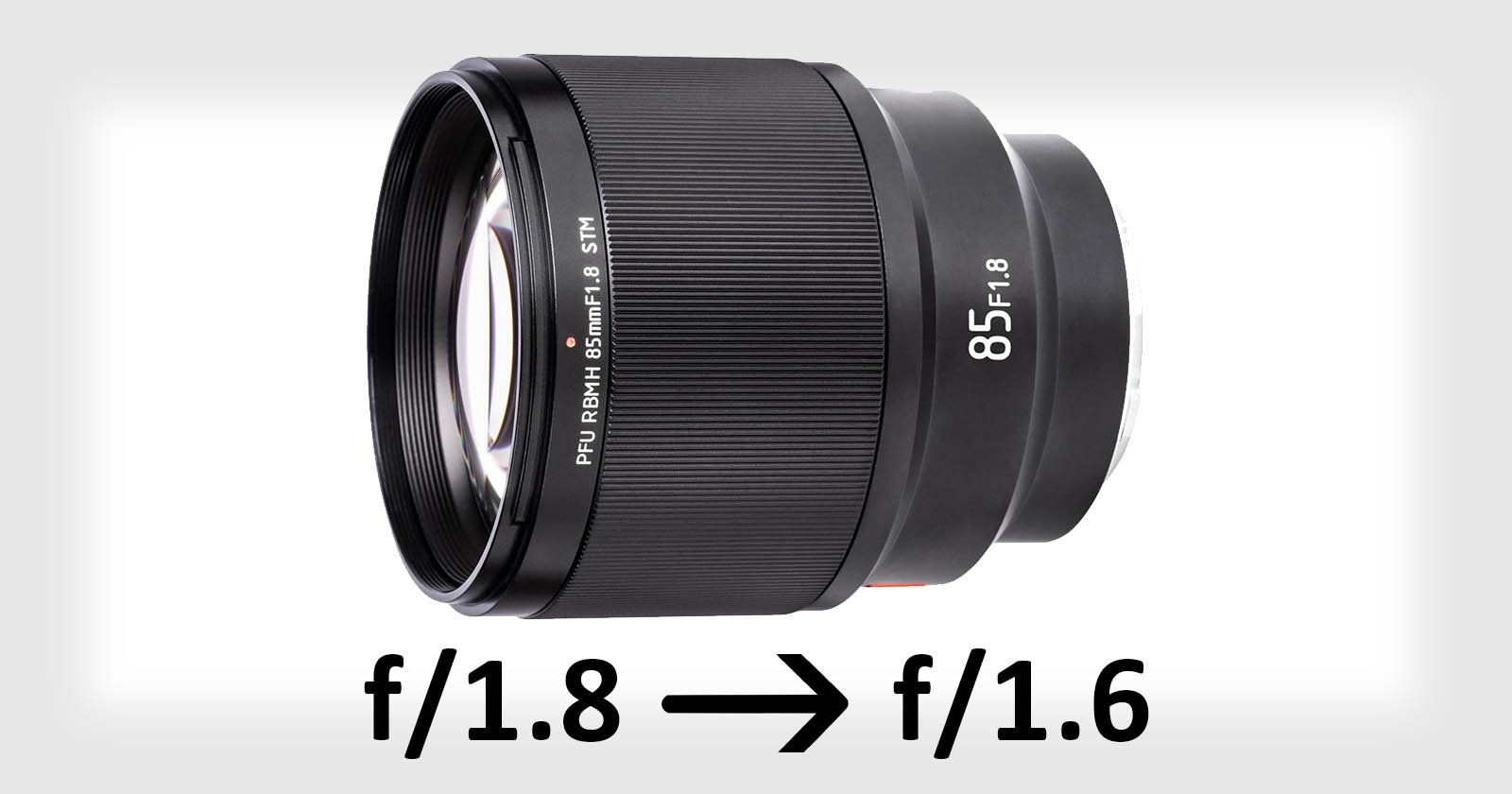
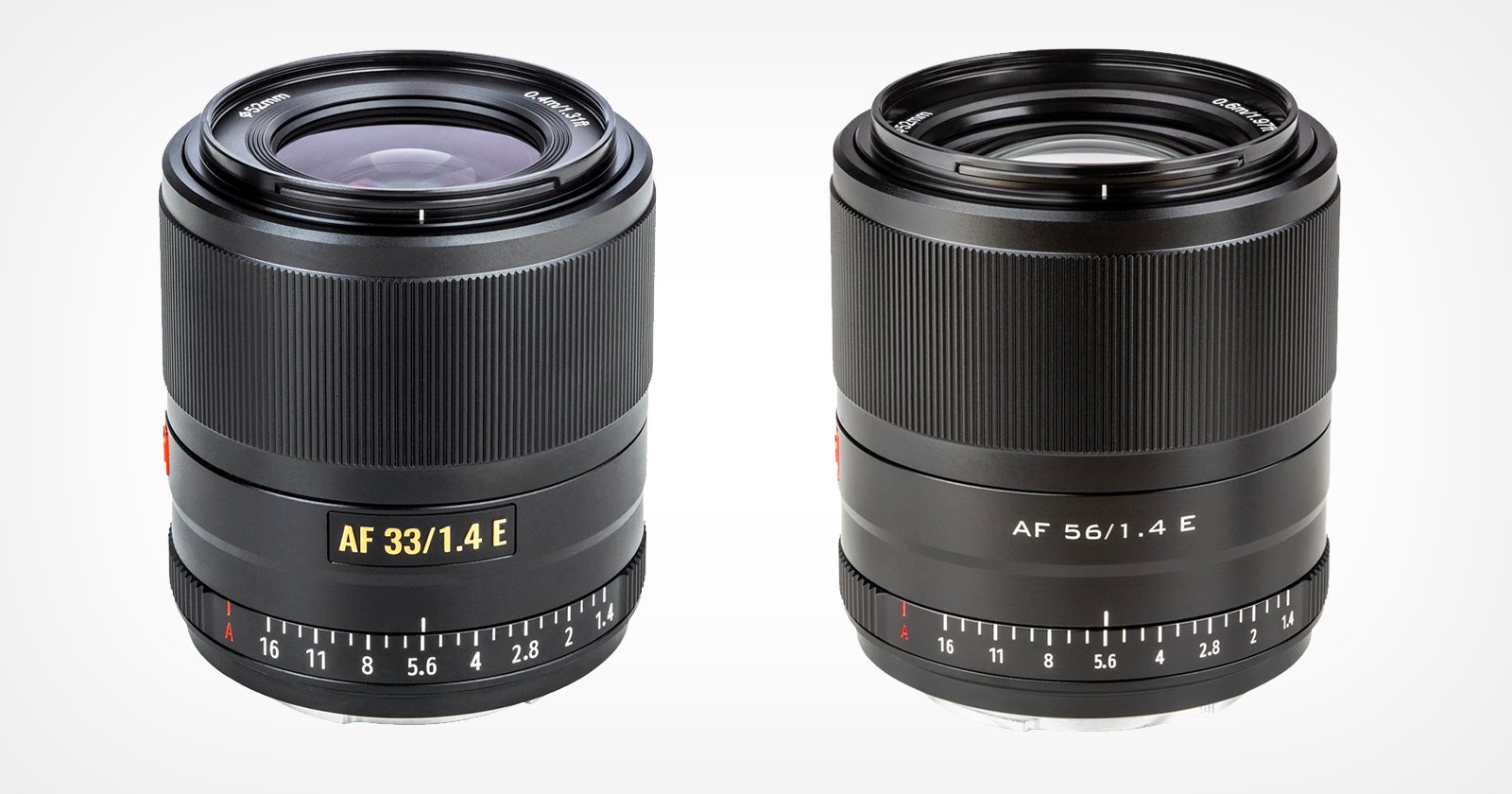
As reported by Sony Alpha Rumors and Asobinet, Viltrox released firmware for a wide range of its lenses to ensure full compatibility with the new Sony a7 V. Affected lenses include the AF 9mm f/2.8 Air, AF 15mm f/1.7 Air, AF 16mm f/1.8, AF 20mm f/2.8 Air, AF 27mm f/1.2 Pro, AF 28mm f/4.5, AF 35mm f/1.2 LAB, AF 37mm f/1.7 Air, AF 50mm f/1.8, AF 56mm f/1.7 Air, AF 75mm f/1.2 Pro, AF 85mm f/1.4 Pro, and AF 135mm f/1.8 LAB.
There is little doubt that more third-party lenses will be updated in the coming weeks and months to deliver the expected performance on the Sony a7 V. When reviewers were using the a7 V, some, notably Kai Wong, had significant issues with Chinese third-party lenses on review units. This led Wong and others to speculate about whether Sony had done something intentional to limit the functionality and performance of third-party lenses.
However, as PetaPixel reported and Viltrox confirmed, there is nothing inherently different about Sony’s approach to third-party lenses with its latest camera. However, the a7 V itself is different. For the first time in many years, Sony has introduced an entirely new imaging processor that fundamentally changes how the camera operates, potentially impacting the performance and behavior of certain lenses. This is where firmware updates come in, as we have seen for lenses across nearly every major lens mount. New cameras can cause issues with certain lenses.
“We’re aware of the potential compatibility issues, and our R&D team is actively conducting tests. A firmware update is planned to be released before the end of this week to further optimize performance. It’s mainly related to the complexity of camera–lens communication across different camera bodies, firmware versions, and usage scenarios,” Frank Fang, the US Marketing Director at Viltrox, told PetaPixel a couple of weeks ago.
“In certain edge cases, this can surface as performance inconsistencies, which is why our team is running broader validation and fine-tuning parameters via firmware. This is a normal part of optimizing products across a wide and evolving camera ecosystem. The upcoming firmware focuses on improving overall stability and consistency, and we’ll continue monitoring real-world feedback closely.”
Fang concluded, “Nothing we’ve seen so far suggests any intentional behavior on the camera side. This appears to be part of the normal post-release optimization that often occurs as new camera systems are introduced. It’s fairly common across the industry for lens firmware to be fine-tuned after new camera bodies are released, as manufacturers validate performance across a wide range of real-world scenarios.”
As Sony told PetaPixel earlier this month, when questioned about third-party lens issues on the a7 V, photographers with lenses that are not performing to their expectations should contact the manufacturer of that lens. Sony is not and cannot be responsible for ensuring the performance of third-party lenses on its cameras.
Sony has consistently emphasized the value its relatively open E-mount brings to customers and the Alpha ecosystem as a whole.
“It pushes us,” Masanori Kishi, Sony’s Senior General Manager of Lens Technology and Systems Business Unit, told PetaPixel earlier this year. “The E-mount has the biggest ecosystem compared to other mounts, making it a mount system that holds greater potential for creators. Our system offers many more opportunities than compared to others, as we are developing it in collaboration with third-party manufacturers.”
The new Viltrox lens firmware is now available and is undoubtedly a sign of things to come from other third-party lens makers. Anyone with issues with third-party lenses on their new a7 V is advised to contact the lens manufacturer to ensure the company can release new firmware to fix any problems. Photographers should not assume that everyone else has encountered the same issues with any lens, as there are many variables. Two people with the same lens and an a7 V may have drastically different experiences.
Image credits: Viltrox