Pulitzer Prize-Winning Photographer Neal Ulevich Makes Sharp Rebuke of ‘The Stringer’
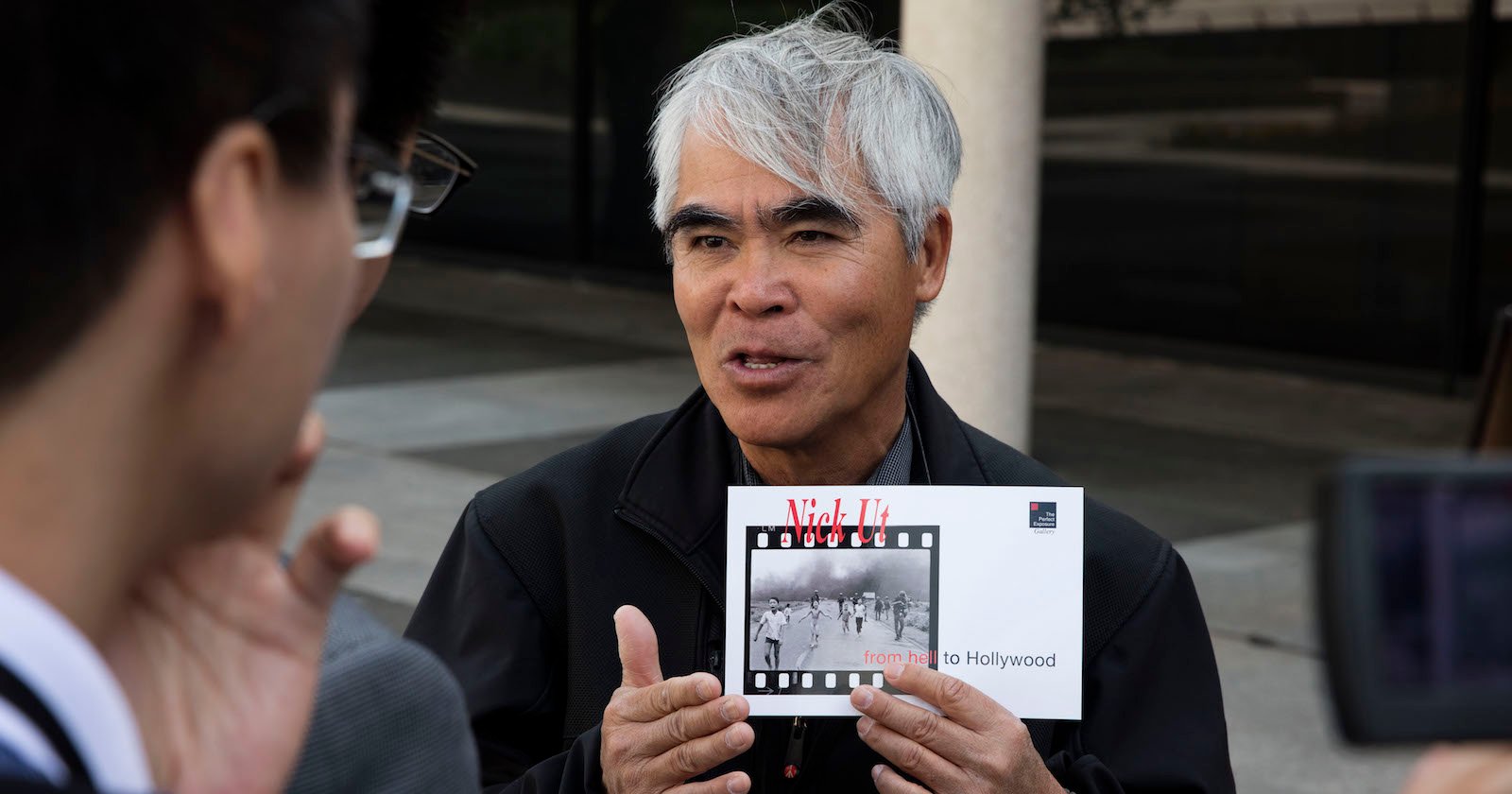
Pulitzer Prize-winning Photographer Neal Ulevich has written a remarkable rebuke of The Stringer: The Man Who Took the Photo, and the key player who drove the film.
Ulevich spent most of his career working on and off for the Associated Press and won the Pulitzer Prize for Spot News Photography in 1977. He worked for AP at the Saigon Bureau during the Vietnam War, where the famous Napalm Girl image arrived on June 8, 1972.
Writing in the Connecting newsletter, Ulevich offers a fascinating insight — which he calls the “current imbroglio” — by first explaining that he wasn’t in Vietnam when the famous photograph was taken, but on a short trip to the United States.
“Within days I was back in Saigon where the Burned Girl story was the only story,” Ulevich says. “Carl [Robinson] and all others present — Horst Faas, Jackson Ishizaki, Tran Mong Tu among them — said not a word casting doubt on the authorship of the image.”
The decorated photojournalist goes on to say it is “extremely unlikely” that a switch of credit would have evaded his attention. “It would have circulated among the Vietnamese staff instantly. Gossip rules. And Jackson, a friend, had no reason to keep this one a secret from me.”
While he wasn’t there the day the photo was taken, Ulevich says he relies on the words of other journalists who were present at the scene of Napalm Girl, in particular David Burnett. “He and others have no doubt Nick made the image,” Ulevich adds.
Turning his attention to Robinson, the photo editor who says that legendary AP photographer Horst Faas told him to change the credit on the picture, Ulevich questions his credibility and motivations.
“Having worked for years with both Carl and Nick Ut in that AP Saigon photo department, I have to say Carl’s hatred of AP and Horst Faas made a deeper impression on me than his conscience cri de coeur,” he writes.
“A personal journal which I kept during the war includes reference to Carl expressing his hatred for Horst Faas.”
“Character matters,” he continues. “It is not ad hominem to note Carl’s hatred for Faas, who hired him. Or Carl’s hatred for AP. It is not ad hominem to note Carl’s heroin addiction.”
Earlier this week, David Burnett wrote an opinion piece for The Washington Post in which he says The Stringer film “does nothing” to shake his long-held conviction that it was Nick Ut who pressed the shutter.