Study Finds AI Wildlife Videos Creates a Disconnect Between People and Animals
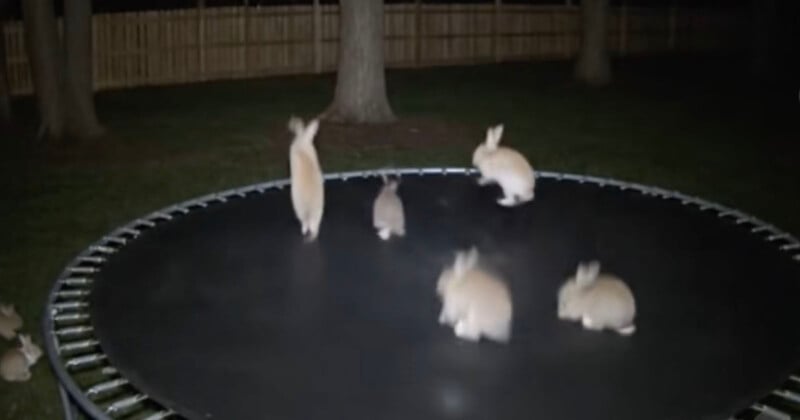
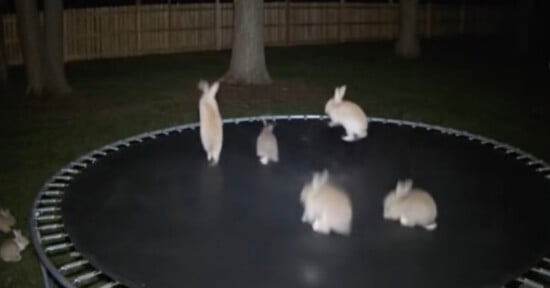
Back in July, an AI-generated video showing a group of bunnies bouncing on a trampoline shook the internet as people declared it the first AI footage they had fallen for. But now a new study says that this type of media could actually be detrimental to real wildlife.
Researchers at the University of Córdoba (UCO) in Spain are raising concerns about the growing circulation of AI-generated wildlife videos on social media and their potential influence on public understanding of nature.
The GESBIO research group — José Guerrero, Francisco Sánchez, Antonio Carpio, Rocío Serrano, and Tamara Murillo — examined some of the most widely shared examples, including a popular clip of a leopard entering a backyard where a child is playing, only to be driven off by a house cat.
The leopard video has attracted more than a million likes on Instagram and tens of thousands of shares. Other viral clips show raccoons floating down a river on the backs of crocodiles and hedgehogs fighting off bears. All are produced with artificial intelligence but presented in a way that makes them appear genuine.
The team argues that the realism of these videos can distort how viewers, especially children, understand wildlife. Their analysis highlights several issues: unrealistic portrayals of animal behavior, the application of human-like traits to wild species, and a widening gap between the public and the natural world.
“They reflect characteristics, behaviors, habitats, or relationships between species that are not real. For example, we see predators and prey playing. They show us animals with human behaviors that are far from reality,” says Guerrero. He adds that the widely shared leopard-and-child video “undermines the conservation of a species like this, as you will never encounter it in that situation.”
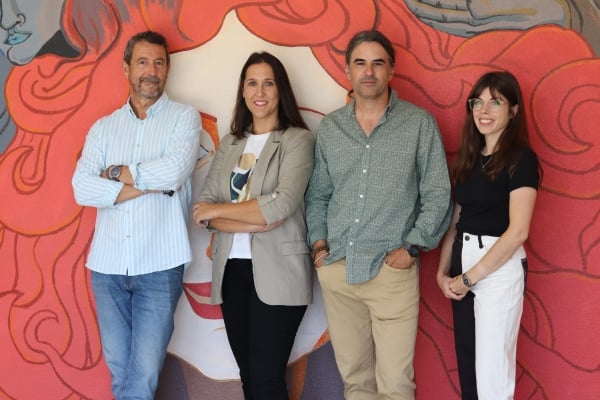
Serrano warns that AI-generated wildlife clips reinforce this disconnect by portraying rare or vulnerable species as commonplace.
“These videos create false connections with nature, as vulnerable species appear more abundant in these videos, and that is negative for conservation,” she explains. The effect can extend to expectations outdoors, where children may hope to encounter animals with “more charismatic or magical characteristics and behaviors.”
“If young children go out into the countryside and don’t find these animals with more charismatic or magical characteristics and behaviors, it has the opposite effect in terms of connection,” she adds.
Because children rely heavily on visual content when learning, and because social media is becoming a primary source of information, the researchers argue that these distortions can have lasting consequences. One such consequence is increased interest in keeping exotic animals as pets.
“We are faced with another serious problem: the demand for exotic species as pets,” Murillo says, warning that videos portraying wild animals as tame or sociable can encourage inappropriate ownership.
To counter these trends, the team recommends strengthening media literacy so viewers can better evaluate the authenticity of online content. They also suggest incorporating environmental education into school curricula. Sánchez emphasizes the importance of clarifying basic concepts: media literacy should provide “tools to question and verify information by turning to reliable sources,” while environmental instruction should ensure “that children understand from an early age that there are no lions here.”
Their findings, published in the Conservation Issues section of Conservation Biology, mark an early attempt to assess how AI-generated media influences biodiversity awareness and highlight the need for additional research.