Wildfire Service Condems AI Images Spreading on Social Media

The B.C. Wildfire Service (BCWS) in Canada was forced to put out a statement about a surge in AI-generated wildfire images circulating on social media, warning that they can mislead people during emergencies.
In recent weeks, BCWS staff and members of the public have flagged multiple fabricated images exaggerating, or in some cases downplaying, the scale and intensity of active fires. The service says such depictions can affect evacuation decisions and public safety.
“There can be a lot of different pieces of information flying around, and people are making decisions about their families and their lives and their properties based on some of this information,” fire information officer Jean Strong tells CBC News. “It’s really important that when we’re consuming this information about an emergency… that it’s as accurate as possible for all of our safety.”
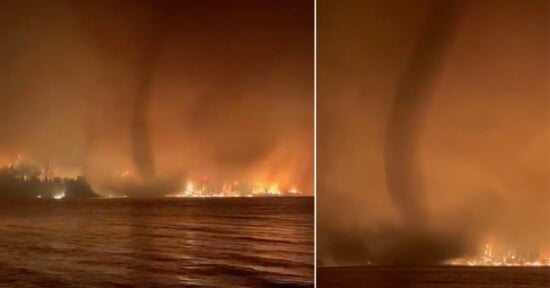
BCWS shared two AI-generated images on its social media accounts to illustrate the problem.
“Whether well-intentioned or intentionally misleading, misinformation is the last thing any of us need during emergencies,” the post reads.
“In the photos below, you can see images generated with artificial intelligence that were shared by other accounts and seemingly show recent wildfires. However, they do not accurately represent the terrain, fire size or fire behaviour in the area. Someone scrolling past could believe this image is real or accurate when it is not.”


BCWS urges citizens to visit its official channels or follow a trusted local news source, such as a radio station or newspaper.
One person who fell for the images was Greg Witt, president of Osprey Silviculture Operations, which works to suppress wildfires. Witt accidentally reposted the fake images alongside real photos of his crews fighting the Wesley Ridge fire on Vancouver Island.
“It just pissed me off,” Witt tells Business in Vancouver. “There’s enough real stuff going on that people should be concerned about. But there I was, I stumbled right into it.”
The Wesley Ridge fire, which has now been contained, led to evacuation orders for nearly 400 residents and involved more than 200 firefighters, air tankers, and helicopters.
Last week, PetaPixel reported on Facebook pages that are taking macro photographers’ images of insects and editing them with AI so that they are not natural.
Affiliate Disclosure PetaPixel articles may include affiliate links; we may earn a commission if you buy through one.