The Problem with Camera Reviews by YouTubers
As for many other things, YouTube is a wonderful trove of opinion and information. This is certainly true for photographic interests. And a huge percentage of photographers are particularly interested in still photography, as opposed to videography.
Of course, there is nothing wrong with their interest in video — it is a legitimate aspect of photography today. That said, their views on equipment especially are always colored by their interests. The problem is — and this is the important point of this article — this bias is not always apparent to their viewers, and it does not represent the interests of many viewers.
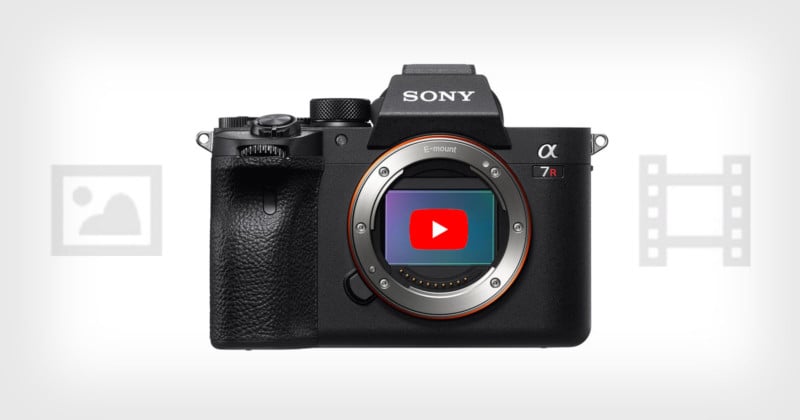
A good case in point would be the reviews of the recently introduced Sony a7R IV. It is perfectly obvious to any interested observer that Sony’s primary design focus for this camera was to create a resolution monster, with all other considerations secondary. In that it would certainly seem that they succeeded. YouTube complaints were almost instant — limited video performance. But that is exactly what the camera is NOT about. The a7R IV is about as far from being a vlogger’s camera as any still camera could be short of a Kodak box camera, yet it is in that context that it apparently is being judged by some vloggers.
Complaints about flip-out rear screens accompany every video review about Sony cameras, yet, generally, the only operational need for a flipping screen for still photographs is for shots where the camera is held low, or for overhead shots above the crowd where a flip-up screen is invaluable — and most Sony cameras offer that. But vloggers want an articulated screen for self-monitoring while filming a video.
In summation, vloggers for photography often offer valuable insights on cameras, lenses, and accessories, but far too often do not represent the primary interests of the majority of their viewers. Every piece of equipment is examined primarily from the perspective of their potential use — for video — and not of the needs of many of their viewers.
I very much hope that the camera manufacturers recognize this bias and are not mislead by it, and the same certainly goes for all YouTube viewers.
Image creditsIcons in header illustration by The Open Dept. and licensed under CC BY 2.0
Affiliate Disclosure PetaPixel articles may include affiliate links; we may earn a commission if you buy through one.